REVIEW · ARUSHA
7 days safaris to see great migration
Book on Viator →Operated by KILI SLOPE TOURS AND SAFARIS LTD · Bookable on Viator
If you’re chasing the Great Migration, timing matters. This safari route is built to put you in the right Tanzanian game zones across Tarangire and the Serengeti-Ndutu region, then finish with the Ngorongoro Crater rim for classic views and dense wildlife chances. I like that it’s private (your group, your pace) and that you’re driving with a professional guide/driver who can explain what you’re seeing. One possible drawback: the plan is intense and long on the road, and the detailed schedule shows 6 safari days even though it’s branded as 7 days—so you’ll want to confirm the exact number of nights with KILI SLOPE TOURS AND SAFARIS LTD.
I also appreciate the human details. In feedback I saw, people specifically called out a friendly, effective chef named Dennis for plentiful, delicious meals, and guide/driver names like Simba (and also Salim/Simon) for spotting and explaining wildlife and park behavior. You’ll get pickup from Arusha at 8:30am, which is a real stress-saver, especially if you’re starting close to the city.
In This Review
- Key things I think you should notice before you go
- Price and what you’re really paying for
- Arriving in Arusha and getting moving at 8:30am
- Tarangire National Park: a strong first day in a different ecosystem
- Serengeti National Park (Days 2–3): more time on the big stage
- Ndutu-area focus for the Great Migration: two dedicated days
- Ngorongoro Crater rim: finishing with dense-country views
- Lodges, camps, and what the included meals mean for value
- The big picture: why this route works for migration seekers
- Weather, expectations, and how to get the most from your game drives
- Who this safari suits best
- Should you book this Great Migration safari?
- FAQ
- What parks are included on this safari?
- Where does the safari start?
- What time does the safari start?
- Is this a private safari?
- How long is the safari?
- Are park fees included?
- Are meals included?
- Is pickup from Arusha included?
- What is not included in the price?
- Is there a mobile ticket?
- What’s the cancellation policy window?
Key things I think you should notice before you go
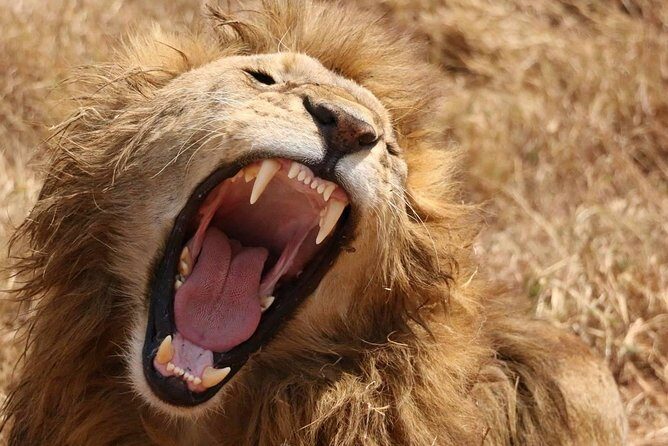
- Private safari setup means fewer crowds and more flexibility with where you pause for sightings.
- Tarangire first gives you an early chance at a different feel than Serengeti—think elephants and baobab-studded scenery.
- Serengeti game drives are scheduled across multiple days, so you’re not relying on one short window.
- Ndutu-area focus for migration is built into two separate days, which boosts your odds.
- Crater rim timing is aimed at an early start, when visibility and wildlife activity tend to be best.
- Meals are mostly covered (breakfast plus multiple lunches and dinners), with a vegetarian option available if you ask.
Price and what you’re really paying for
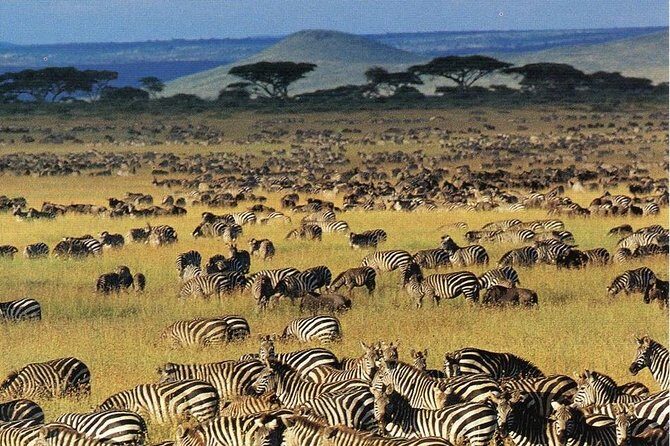
At $3,461.54 per person, this is not a budget safari. What you’re paying for is a multi-park route that links Tarangire → Serengeti → Ndutu → Ngorongoro, plus accommodation, park fees for non-residents, and private transportation with a professional driver.
A fair way to judge value is to look at what gets included versus what you’d usually pay separately: park fees, multiple days of meals, and lodging add up fast in Tanzania. The tour also includes a mobile ticket, which can make day-of logistics smoother, and pickup from a central Arusha meeting point.
The big thing to watch is the mismatch between “7 days” branding and the detailed day-by-day flow showing 6 days. That doesn’t automatically mean it’s bad value—it just means you should verify your exact nights and totals before you pay in full.
A few more Arusha tours and experiences worth a look
Arriving in Arusha and getting moving at 8:30am
Your day starts in Arusha, with pickup from Arusha Condo Hotel (Levolosi Rd area) at 8:30am. This matters because you’re already in Tanzania’s safari orbit, not stuck doing logistics on your own the first morning.
This is also a private activity, so you won’t be trying to coordinate with strangers at multiple park gates and checkpoints. That’s not just comfort—it can help keep your drives efficient.
Tarangire National Park: a strong first day in a different ecosystem
Tarangire is a smart opener because it tends to feel distinct from the Serengeti circuit. On day one, you drive from Arusha, do a game drive, stop for lunch, then add a late-afternoon viewing session before heading to camp.
I like this structure because your wildlife window isn’t all locked into one block. Morning and late afternoon often bring different animal behavior, and in Tarangire you also get that iconic look—dry-country habitat and big trees that make photos feel like “Tanzania, not just Africa.”
The practical upside: day one is long (about 7 hours listed), but it avoids the “first day = boring transfers” problem. You’re driving and scanning right away.
Serengeti National Park (Days 2–3): more time on the big stage
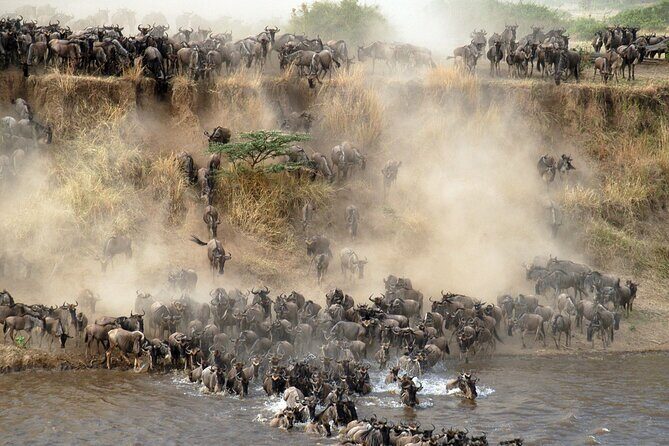
After Tarangire, you’re headed to the Serengeti National Park, with an early start and lunch en route. You then get into game drives during the afternoon, ending with an overnight at a camp described as Intimate Luxury Camp.
Day two and day three both include substantial drive time and multiple game-drive sessions. I especially like the pacing on day three: a morning drive until later morning, then the day continues into an afternoon drive that runs right up to around sunset time.
Why that matters: in the Serengeti, wildlife movement and predator-prey action can shift hour by hour. More time on the ground usually beats “one long drive and hope” because you can adjust when the action changes.
If you care about learning what you’re seeing, this portion is where your guide’s explanations can really pay off. In feedback about this safari company, guide/driver Simba was highlighted for knowing the parks and for interpreting animal and landscape patterns in plain language.
Ndutu-area focus for the Great Migration: two dedicated days
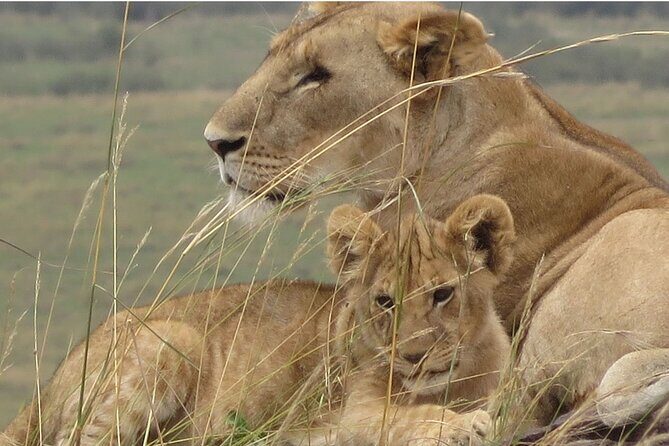
The heart of a migration safari is not one dramatic moment. It’s repeated attempts with the right habitat, weather patience, and location choices—and that’s why this plan gives you two separate Ndutu-area days.
On both days 4 and 5, you head out early (before breakfast) with a lunch box, then do a full day of game drives in the southern Serengeti and northern Ngorongoro area known as Ndutu. Each day includes an in-the-bush lunch stop, then another stretch of driving until sunset.
Two days here are a big deal. Even in the best migration season, you can’t control how the herds are moving on a given day. The extra time helps you catch the herd’s rhythm rather than chasing one snapshot.
One more practical note: because these days are structured around long drives (listed around 7–8 hours each), you’ll want to be realistic about heat, dust, and how much you can comfortably sit. Pack for sun and dryness, and plan on being outside a lot.
Ngorongoro Crater rim: finishing with dense-country views
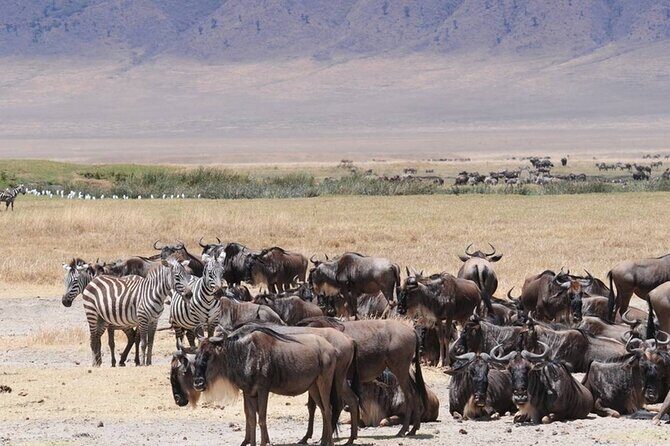
Your route then shifts to the Ngorongoro Conservation Area. You depart after the Ndutu portion and head toward the crater rim for early morning game drives.
The schedule also builds in a reset: you return for lunch at your lodge, then check out and continue with driving and game viewing en route to USA River. This is a classic way to finish—morning in the crater, then a calmer landing back toward Arusha.
Ngorongoro is famous for concentrated wildlife, and this kind of early timing tends to help you get better visibility and more consistent animal activity. I also like that you’re not doing your crater drive at the end of a week when everyone’s patience is gone.
Lodges, camps, and what the included meals mean for value
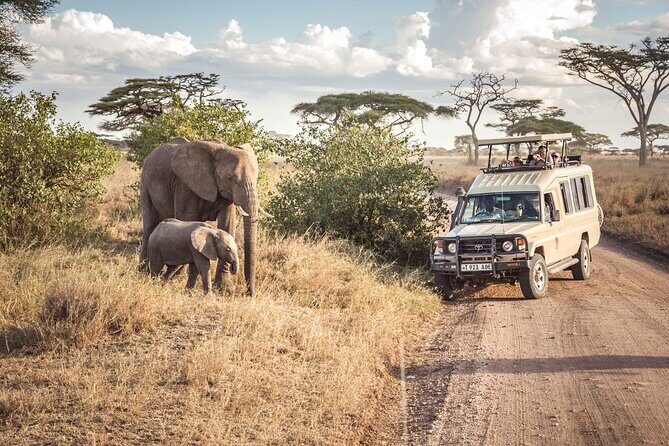
Accommodation is included throughout the safari portion, and the tour notes different comfort levels like safari lodges, luxury tented camps, and even budget camping options depending on what you select. That means your price can shift based on how “tented camp” versus lodge comfort fits your style.
Meals are handled well for a multi-day drive. Breakfast is included multiple mornings, with lunches packed or stop-served depending on the day, and dinners included on five evenings. There’s also a vegetarian option if you request it when booking, which is worth doing early rather than hoping day-of.
In the feedback I saw, people highlighted that the chef—named Dennis—managed meals that were friendly, plentiful, and enjoyable. Even if you’re not a “food person,” that’s a real quality-of-life factor on safari days where you’re awake early and sitting on vehicles for hours.
The big picture: why this route works for migration seekers
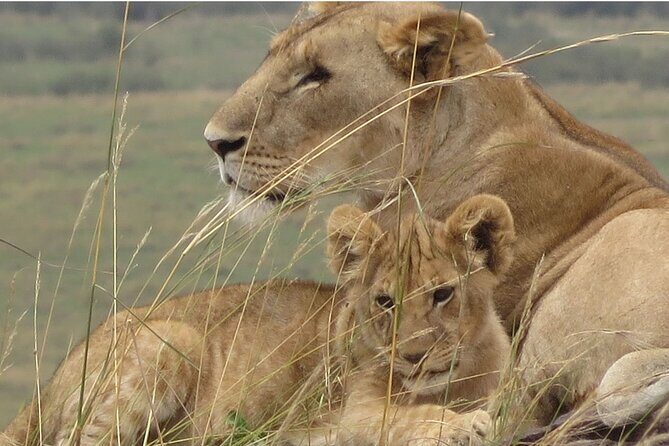
This safari earns its “Great Migration” focus by combining time in three key zones rather than relying on one park. Tarangire gives you a strong warm-up and different wildlife rhythm. Serengeti adds big-park spectacle across more than one day. Ndutu gives you the extra attempt period that migration safaris live or die by. Then Ngorongoro adds density and classic crater views.
You’re also getting private transportation with a professional driver, which matters because road choices and timing affect where you end up seeing wildlife. It’s not just about speed—it’s about smart positioning.
Weather, expectations, and how to get the most from your game drives
This is a wildlife-and-scanning experience, not a zoo-style checklist. The tour is designed to see major wildlife, and the package is marketed around the Big Five and migration, but wildlife sightings are never guaranteed.
So your job is to stay flexible. Keep your eyes up, ask your guide to explain what you’re seeing, and don’t only chase the biggest animals. Sometimes the best moments are smaller: activity around water, predator signs, or herds changing direction.
Also, with long drive blocks—often stretching into late afternoon—bring practical comfort items. A hat, sunscreen, and something for dust go a long way. If you get motion- or sun-tired, snacks and hydration become your best friends (the included meals help, but you’ll still want to be prepared).
Who this safari suits best
This trip fits best if you want:
- A private safari setup starting from Arusha
- A serious attempt at migration areas via Ndutu with two dedicated days
- A mix of ecosystem types: Tarangire, Serengeti, crater country
- Guides who help you understand animal behavior, not just drive and stop
It may be less ideal if you prefer minimal time on roads or if you hate long days in safari vehicles. Also, because the week is intense, couples and solo travelers who like structure often do well, while anyone wanting a slow vacation might find the pace a bit much.
Should you book this Great Migration safari?
I’d book it if your top priority is maximizing your chances in the Serengeti migration circuit by staying in the right zones for more than one day—especially the Ndutu window. The private setup, included meals, and multi-park flow are strong value signals at this price level.
Before you commit, do two things:
- Confirm the exact number of nights and how the “7 days” branding matches the 6-day day-by-day structure.
- Ask about the specific camp or lodge category you’ll receive so you know what comfort level you’re paying for.
If those checks make sense for you, this is the kind of safari that feels built for real wildlife days, not just ticking off names on a map.
FAQ
What parks are included on this safari?
You’ll visit Tarangire National Park, Serengeti National Park, the Ndutu area (southern Serengeti/northern Ngorongoro region), and the Ngorongoro Crater area.
Where does the safari start?
It starts at Arusha Condo Hotel, Levolosi Rd, Arusha 10422, Tanzania.
What time does the safari start?
Pickup is listed for 8:30am.
Is this a private safari?
Yes. Only your group participates.
How long is the safari?
The duration is listed as approximately 6 days, even though the overall package is described as 7 days. You should confirm your exact nights.
Are park fees included?
Yes, park fees are included for non-residents.
Are meals included?
Yes. Breakfast is included (5), lunches are included (6), and dinners are included (5). Vegetarian options are available if you request them at booking.
Is pickup from Arusha included?
Yes, pickup is offered.
What is not included in the price?
International flights and tips are not included.
Is there a mobile ticket?
Yes, the tour includes a mobile ticket.
What’s the cancellation policy window?
You can cancel up to 24 hours before the experience starts for a full refund. If you cancel less than 24 hours before, the amount paid is not refunded.