REVIEW · MOSHI
4 days Safari Lake Manyara, Ngorongoro crater and Serengeti
Book on Viator →Operated by Kilisa Tours & Safaris · Bookable on Viator
Timing the wild is the whole game. This 4-day Northern Circuit safari links Lake Manyara, Serengeti, and the Ngorongoro Crater into one logical route—so you’re not just collecting parks, you’re stacking wildlife moments. I love the way the schedule leans on late-afternoon drives for better animal odds, and I love the value of a private, pop-up roof 4×4 with a guide who knows where to look. One consideration: distances add up, so a couple long road days are built in, and you’ll feel the pace even though it’s managed well.
What really makes this trip click is that each stop has a job. Manyara eases you in with birds and forest animals; Serengeti adds the broad “real Africa” feel; then Ngorongoro compresses it into a crater bowl packed with predators and rare sightings. I also appreciate the human side: the operator team—led by Naick and his group at Kilisa Tours & Safaris—puts effort into answering questions quickly and handling the planning professionally. The only catch to keep in mind is that Ngorongoro, like all safari country, runs on wildlife presence and weather; sightings are never guaranteed, even with the best plan.
In This Review
- Key highlights that matter (and why)
- How this 4-day safari loop actually works
- Day 1: Moshi to Lake Manyara for forest, escarpment, and big-game chances
- Day 2: Serengeti via Ngorongoro Conservation Area, plus Olduvai Gorge context
- Day 3: Half-day Serengeti viewing, then crater rim rest
- Day 4: Ngorongoro Crater drives for black rhino and crater lions
- The real value: what’s included (and what it saves you)
- Your guide and the planning tone (Naick’s role)
- Group size, vehicle, and comfort: the practical side
- Who this safari is best for (and who should pick something else)
- Should you book this 4-day Manyara–Serengeti–Ngorongoro circuit?
- FAQ
- FAQ
- Where does the safari start and end?
- How long is the safari?
- Which parks are included?
- What safari vehicle and guiding do I get?
- Are park fees and crater fees included in the price?
- What meals are included?
- Is a sleeping bag included?
Key highlights that matter (and why)
- Private 4×4 with pop-up roof means better spotting at typical game-drive heights and easier scanning across open areas.
- Late-afternoon game drives are built into the route, which often improves your odds for active animals.
- Ngorongoro Crater’s black rhino potential is a major reason people choose this circuit, plus lions in the crater ecosystem.
- Lake Manyara’s bird focus is practical here: more than 400 bird species are recorded, so you’ll have constant birding opportunities.
- Small group size (max 15) helps keep the experience smoother without turning it into a moving classroom.
- Park and crater fees included helps you budget with less guesswork—one less pile of expenses to chase later.
How this 4-day safari loop actually works
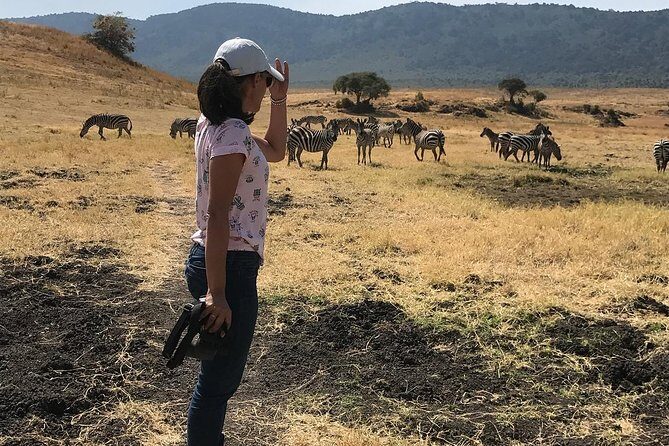
This tour runs from Moshi, then moves through the Northern Safari Circuit: Lake Manyara National Park → Serengeti National Park (via Ngorongoro Conservation Area) → Ngorongoro Crater, with the trip ending back near Moshi or at Kilimanjaro airport, depending on what you choose.
The itinerary is designed around two safari realities: (1) you can’t “do” all of Tanzania in four days, and (2) wildlife viewing is often time-of-day sensitive. That’s why you’ll see drives scheduled for late afternoon into evening on key days, not just midday. It’s a smart choice for people who want maximum sightings without turning every hour into a rush.
You also get a structure that reduces friction. The tour includes pickup/meet-and-greets at arrival/departure points, uses mobile tickets, and keeps the logistics tied together with a private safari guide and a dedicated jeep.
A few more Moshi tours and experiences worth a look
Day 1: Moshi to Lake Manyara for forest, escarpment, and big-game chances
Day 1 starts with a ~4-hour drive from Moshi to Lake Manyara. After a picnic lunch in the park area, you head out on a late-afternoon game drive.
Lake Manyara has a look-and-feel that’s different from the big, open plains you’ll see later. When you approach from the east, the Rift Valley escarpment shows up on the horizon—an imposing backdrop that frames your first real wildlife moments. The park’s mix of habitats matters for what you’ll see.
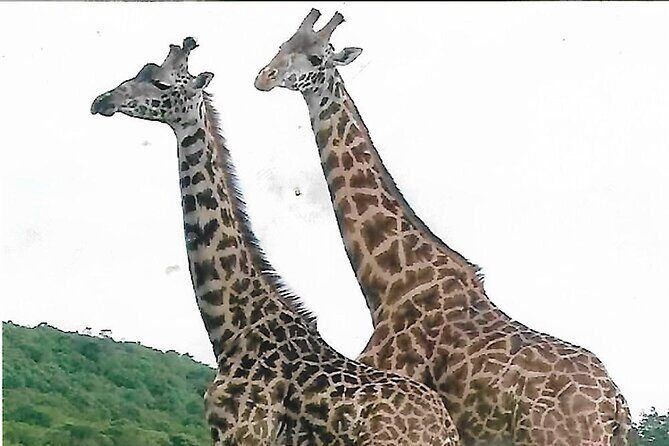
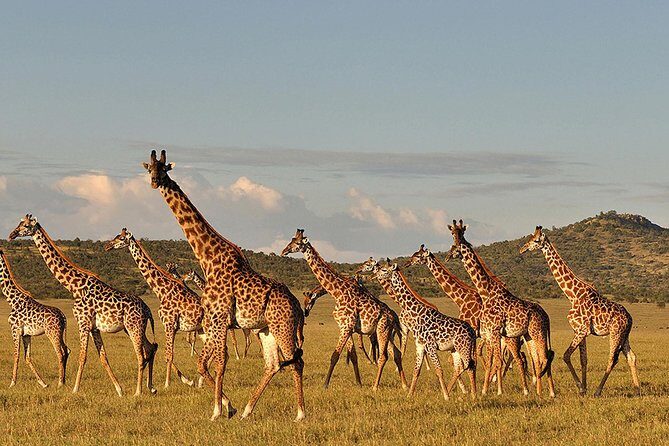
In the groundwater forest, you can expect monkeys moving through trees and thick branches. Out on the escarpment side, elephants may be found resting in shade. And beyond that, your typical sightings can include zebras, impalas, giraffes, buffalos, and hippos.
A small note on expectations: Manyara is often loved for birdlife and forest activity, and it can still deliver classic mammals. But it’s not trying to be Serengeti. Think of it as your “warm-up” park that gets you used to spotting habits—scanning carefully, learning how animals behave at distance, and practicing the rhythm of game drives.
Day 2: Serengeti via Ngorongoro Conservation Area, plus Olduvai Gorge context
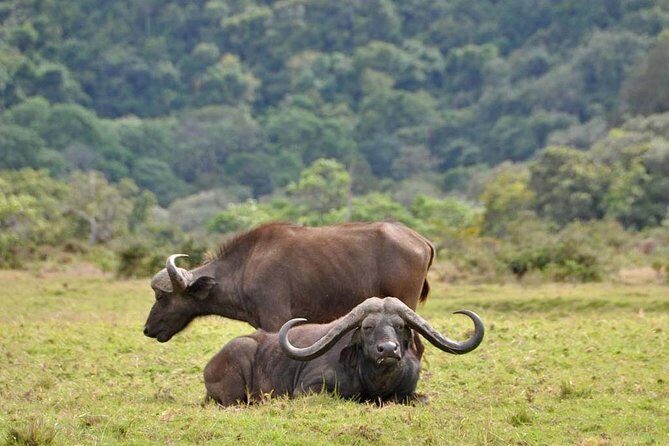
On Day 2, you’ll drive toward Serengeti, taking about 3 to 4 hours and passing through the Ngorongoro Conservation Area. This is one of those travel days where the drive itself is part of the story, not just time between parks.
Along the way, the tour includes Olduvai Gorge (Olduvai Gorge). It’s presented as an archaeological site tied to early human fossils discovered in the area, and it also connects to the same tectonic forces that shaped the Great Rift Valley. Even if you’re more of a “wildlife first” person, it’s worth mentally switching gears for a short stop. It puts Africa’s dramatic geology into human-scale context.
By afternoon, you shift back into safari mode with a game drive in Serengeti from afternoon to late evening. Then you do a late-evening drive to your overnight base at Seronera—either Serengeti Seronera Wildlife Camp or a lodge—on a full-board setup.
This is where the Serengeti feeling starts to “click.” You’re moving from the more framed, layered look of Manyara into the broader savanna experience. It’s also the day where your odds can go up simply because you’re in the right system long enough: afternoon plus evening gives you extra time for animals to become active and for predators to show up when the light helps.
Day 3: Half-day Serengeti viewing, then crater rim rest
Day 3 is built around after-breakfast game viewing, described as a half day in Serengeti’s wilderness corners. The key idea here is that you’re not sprinting through one small loop. You’re spending real time in Serengeti while the wildlife remains in its daily rhythm.
The tour calls Serengeti a World Heritage Site, emphasizing the scale and the concentration of plain game roaming freely. That matters because it changes your viewing from “spot one animal” to “watch behavior.” You’re more likely to see group dynamics—grazing patterns, predator movement, and the way animals respond to vehicles and each other.
In the late afternoon, you drive back to the crater rim region for rest. Your overnight is at SIMBA campsites or Rhino Lodge on the Ngorongoro crater rim, with dinner and overnight included.
Two practical things about this day. First, it gives you a breather between the big road moves. Second, staying near the crater rim saves time. The next morning you’re ready to go straight into crater drives, rather than burning daylight just getting positioned.
Day 4: Ngorongoro Crater drives for black rhino and crater lions
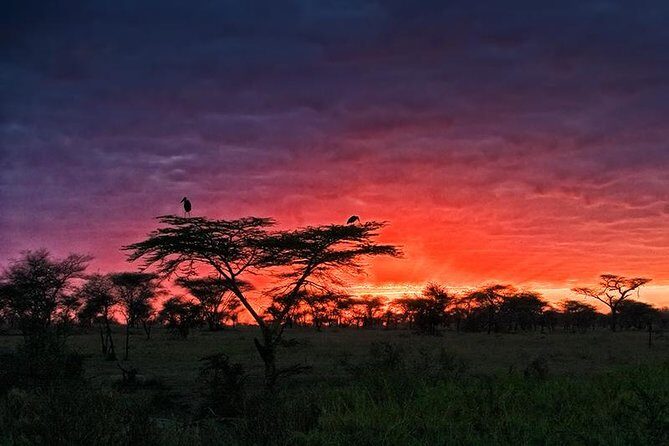
Day 4 is the payoff day. After breakfast, you drive into Ngorongoro Crater for game drives.
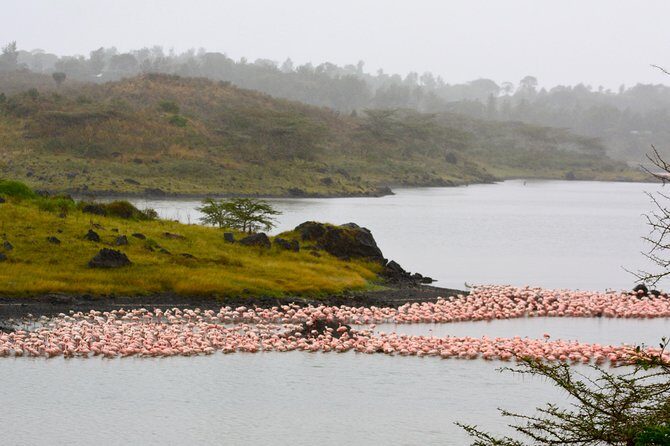
Ngorongoro is described as the best place in Tanzania for seeing black rhino. The crater is also where you may see lion prides, including black-manned males, plus other predators and prey. The tour also points out colorful flamingoes and other water birds, which can make your crater-time feel like both a predator hunt and a wildlife “theater show.”
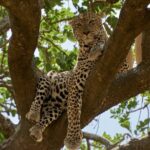
Your range of possible sightings includes leopard, cheetah, hyena, antelope species, and small mammals. That’s a lot to fit into a single day, and it’s why Ngorongoro is so widely recommended: the terrain compresses wildlife density and variety into one bowl.
One consideration, though: crater drives can mean lots of slow searching. That doesn’t mean it’s boring—often it’s the opposite—but you should mentally prepare for long pauses while animals move, call, and relocate. This isn’t a park where everything rushes into view on command.
In the late afternoon, you drive to Kilimanjaro airport for departure or back toward Moshi.
A few more Moshi tours and experiences worth a look
The real value: what’s included (and what it saves you)
The total price listed is $2,650 per person for about 4 days, and the value comes from what’s rolled in—not just the basics.
Included highlights:
- 2 nights of accommodation (before/after safari)
- 3 meals per day (and the itinerary notes lunch and dinners across the days)
- Mineral water and use of a vehicle ice chest
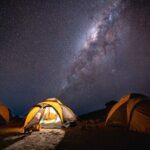
- Camping gears for two people per tent, plus mattress/table/chair/pillow
- Private safari guide
- Private 4×4 jeep with pop-up roof
- Park fees and crater fees
- On arrival/departure meet-and-greet
- Government taxes, VAT, and service charges tied to accommodation and included meals
- Wildlife guidebook on safari
What this means for you in real-life terms: fewer “surprise invoices.” Safari travel often comes with extra charges once you’re already in motion. Here, at least the major park entry pieces and your on-road guiding/vehicle are handled.
What’s not included:
- Travel insurance
- Flights
- Tips for your guide/driver
- Personal expenses (like laundry and beverages)
- A sleeping bag for rent at $15 (so if you need one, plan for it)
If you’re trying to compare this with other safari options, compare like for like: private jeep and guide, park fees, and meals. Those are the items that quietly swing the real cost.
Your guide and the planning tone (Naick’s role)
Good safari planning is often invisible when it goes well. The reviews you saw for this operator highlight that the booking process gets handled with professionalism and quick responses, with Naick (Director, Kilisa Tours & Safaris) available to answer questions during the back-and-forth phase.
That matters because safari decisions can be confusing: routes, timing, what’s included, and how to align departures with flights. When the planning team moves fast and stays engaged, it reduces stress before you even land.
On safari, you’ll be in a private vehicle with a private guide. That’s not just comfort—it’s how you get better results. Your guide’s job is to read the terrain, watch animal movement, and adapt your drive timing to what’s actually happening in the moment.
Group size, vehicle, and comfort: the practical side
This is capped at 15 travelers. That’s not tiny, but it’s also not “mass safari” energy. In practice, it can mean easier communication and less jostling for attention, especially with a private guide and your own vehicle setup.
Your jeep is specifically set up for game viewing with a pop-up roof, which helps when you’re scanning for movement. You’ll also have mineral water available during drives via an ice chest. Those small, practical touches make the long road and long drives feel more manageable.
Accommodation is flexible by stop. In Serengeti you’ll sleep at Seronera Wildlife Camp/lodge on a full-board arrangement. On the crater rim you’ll do the same style of rest and dinner at SIMBA campsites or Rhino Lodge.
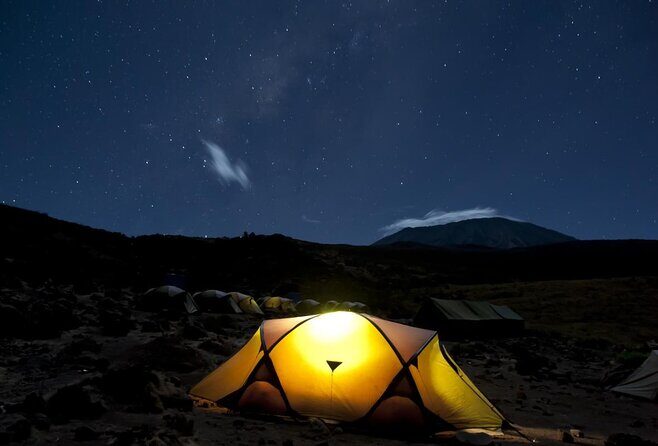
Also note: the tour includes camping gears like tents, tables, chairs, and bedding basics. That suggests you should be ready for a safari rhythm that might mix lodges with more camp-style setups depending on the exact overnight arrangement.
Who this safari is best for (and who should pick something else)
This is a strong fit for:
- First-time safari visitors who want the Northern Circuit in a tight, efficient loop
- People who care about wildlife variety in a short time window
- Travelers who like a plan with real structure—pickups, set driving days, and defined viewing blocks
- Those who want private guiding rather than sharing attention with a large group
You might want to look elsewhere if:
- You hate long drive days and want a slower pace (this route includes meaningful transfers)
- You only want one park and would rather spend 4 days in a single ecosystem (this itinerary is designed for variety)
- You need guaranteed wildlife sightings. Even with excellent timing and guiding, sightings depend on conditions and animal movement.
Should you book this 4-day Manyara–Serengeti–Ngorongoro circuit?
If you want a safari that feels like a full “Northern Circuit” experience without wasting time, I’d book it. The combination of Lake Manyara (forest + birds), Serengeti (big safari energy), and Ngorongoro Crater (black rhino potential and crater predators) is exactly the kind of route that gives you variety with purpose.
I’d especially recommend it if you value:
- Private 4×4 + private guide
- Park and crater fees included
- A schedule that favors late-day animal viewing
- A tour operator that seems to handle planning quickly and carefully, with Naick and his team engaged during the process
If your top priority is comfort over speed, you might still enjoy it, but go in with realistic expectations about the road time. And if you’re chasing one specific species, remember: the crater boosts your chances, but nature always keeps some mystery.
FAQ
FAQ
Where does the safari start and end?
It starts in Moshi, Tanzania, and the tour ends back at the meeting point (or you may be driven to Kilimanjaro airport for departure, depending on your choice).
How long is the safari?
The tour runs for 4 days (approx.).
Which parks are included?
You’ll visit Lake Manyara National Park, Serengeti National Park, and Ngorongoro Crater (via the Ngorongoro Conservation Area).
What safari vehicle and guiding do I get?
You’ll travel in a private 4×4 safari jeep with a pop-up roof and a private safari guide.
Are park fees and crater fees included in the price?
Yes. Park fees and crater fees are included.
What meals are included?
The tour includes 3 meals per day, plus mineral water. The itinerary also specifies multiple lunches and dinners across the days.
Is a sleeping bag included?
A sleeping bag is not included. It can be rented for $15.