Serengeti and Ngorongoro in four days feels fast. What I like most is how efficiently this itinerary hits major parks (with lodge stays near the crater) and how it gives you Big Five chances without spending a week driving. The main drawback is the pace: you’ll be in the car for big chunks of each day, so if you want lots of downtime, this may feel like a sprint.
I also appreciate the comfort-and-control details: hotel pickup from Moshi, an air-conditioned vehicle, and WiFi on board, plus a private setup where it’s just your group. You’re not left guessing on meals either—breakfast, lunch, and several included dinners take pressure off planning, while park entry is covered in the package.
In This Review
- Key things I’d plan around
- Moshi pickup at 8:00 and what private really changes
- Lake Manyara: birds by the hundreds and lions in the trees
- Serengeti: migration depends on season, but predators and Kopjes don’t
- Ngorongoro Conservation Area: the dawn rhythm you feel in your bones
- Ngorongoro Crater day: Big Five chances in a few focused hours
- Lodge comfort and the meal plan you can trust
- Price and value: what $1,847.43 includes (and what to budget)
- What guides and teamwork can change on safari
- Who should book this 4-day lodge safari from Moshi
- Should you book this safari or do something else?
- FAQ
- What does the 4 Days Lodge Safari include?
- Where does the safari start and what time does it run?
- Is pickup from Moshi included?
- Which parks will I visit?
- What animals can I realistically expect to see?
- Does the tour include park admission fees?
- Are drinks and tips included?
- Is this tour private or shared?
- Can I cancel for a full refund?
Key things I’d plan around
- Private, lodge-focused route that strings together Lake Manyara + Serengeti + Ngorongoro with minimal backtracking
- Ngorongoro Crater morning game drive when wildlife tends to be easiest to spot
- Seasonal migration timing in Serengeti, since what you see depends heavily on the time of year
- Early starts that pay off—the schedule is built around dawn viewing, not late-afternoon “maybe”
- Guides who know the small stuff, with Bujo Tours feedback praising guides like Anthony and Freddy for spotting and naming animals (including birds)
- Value in the inclusions: air-conditioned private transport, meals, and park-related fees/taxes covered
Moshi pickup at 8:00 and what private really changes
This safari starts at 8:00 am, and it includes pickup from your hotel after breakfast on day 1. That matters more than it sounds: you lose less time getting everyone organized, and you get straight into the day’s wildlife window instead of spending the morning in transit limbo.
Because it’s a private tour, your driver-guide and vehicle are focused on your group rather than a mixed crowd with different schedules. That usually means easier conversations, more flexibility with timing, and fewer awkward “wait for them” gaps.
You’ll be traveling in an air-conditioned vehicle, and there’s WiFi on board. WiFi won’t turn the day into Netflix time (the best part is outside the window), but it can help you stay on top of messages while you’re bouncing between parks.
The package uses a mobile ticket and includes all fees and taxes tied to the safari component, which helps you budget. Just remember what’s not included: tips for your guide, alcohol/soft drinks, visa fees, personal spending, and flights (international). If you’re the type who likes to know the total cost before you land, this is worth factoring in early.
A few more Moshi tours and experiences worth a look
Lake Manyara: birds by the hundreds and lions in the trees
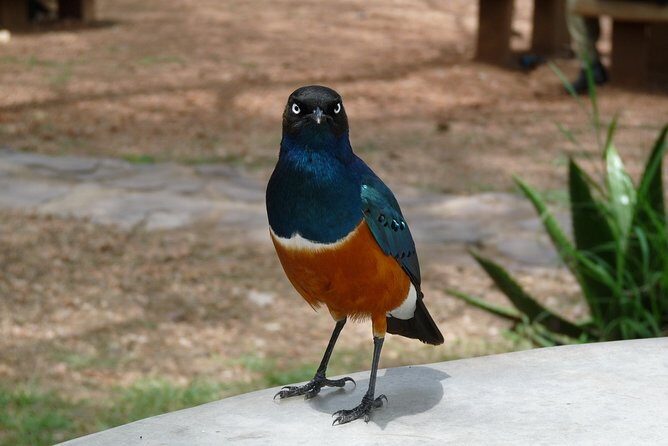
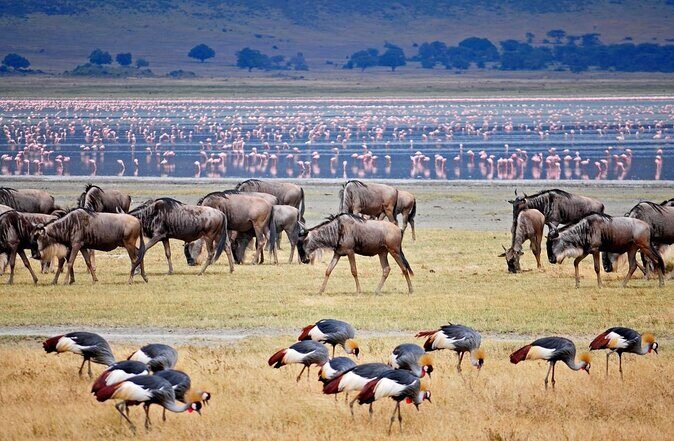
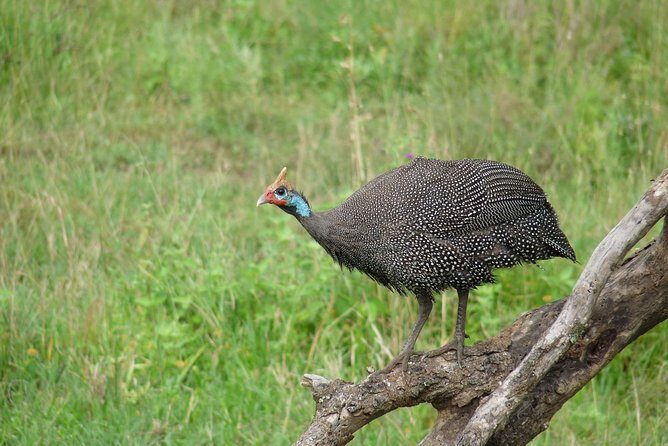
Day 1 is built around Lake Manyara National Park, a Rift Valley escarpment area that sits around a 600 m drop. The star is the alkaline lake itself. The park is known for a dense concentration of birds—more than 400 bird species—so even if the big mammals are quiet, you can still have a strong viewing day just by scanning the water and shoreline.
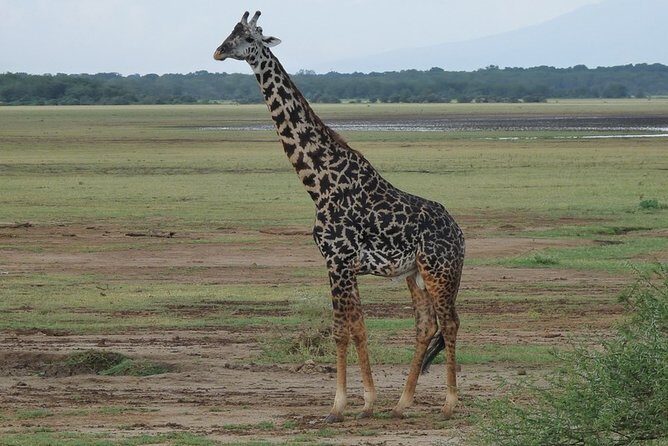
What I like about Manyara is how fast it changes from one habitat to another. You can go from forest settings (where monkeys are part of the scene) to grasslands with giraffes and antelopes, to areas with acacia trees that attract elephants. That variety is the point: you’re not stuck watching one type of scenery for hours.
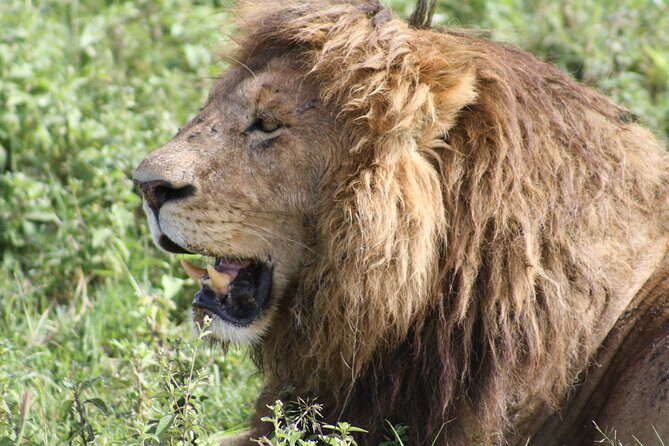
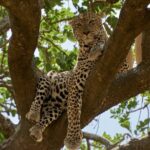
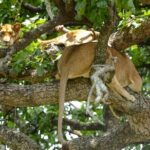
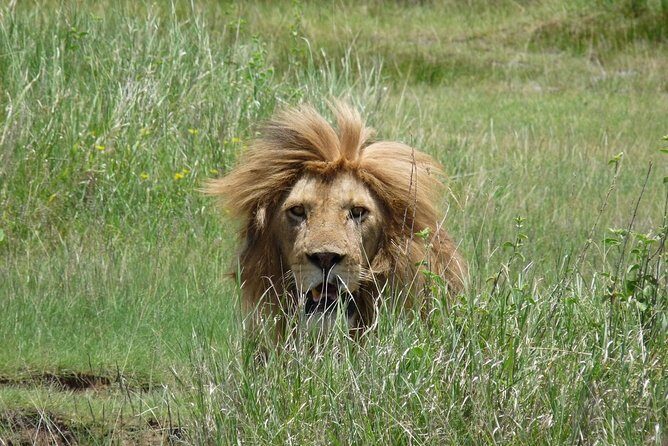
There’s also a famous Manyara detail—lions sometimes lounge in trees. The listing doesn’t promise it, but it signals that this park can deliver something a little different from the classic open-savana look. If you love natural oddities and not just the checklist animals, Manyara is a smart first stop.
Timing-wise, day 1 runs around 8 hours with admission included. You’ll want to come with a mindset that the day is about animal-finding, not about rushing for a single “perfect” view. Bring sun protection, and expect it to be bright and active.
Potential drawback: Manyara can be a calmer, bird-forward day compared with the sheer scale of Serengeti. If you’re chasing nonstop action every minute, you may feel moments where you’re “waiting for the next sighting.” That’s normal safari rhythm, not a problem with the trip.
Serengeti: migration depends on season, but predators and Kopjes don’t
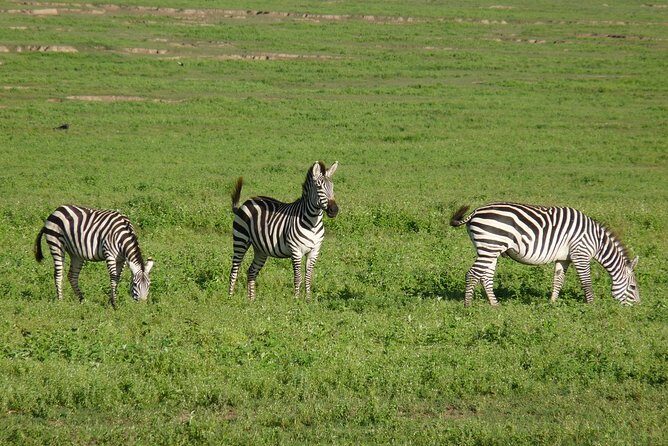
Day 2 heads to Serengeti National Park after passing through the crater highlands area with farms growing wheat, corn, and coffee. You’ll reach the Serengeti around midday, which means you might not catch the very start of the best light for morning viewing—but you still get a full day’s worth of game drive time to build your sightings.
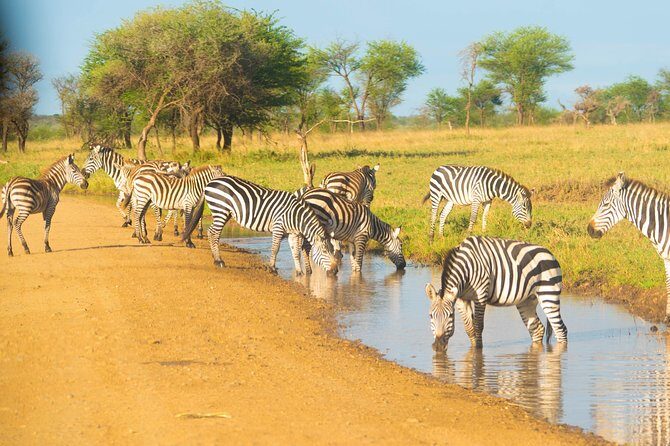
Serengeti is famous for the annual migration, and the numbers here are huge: the ecosystem shift involves more than 2.5 million mammals moving between habitats. The listing is honest about the key point—what you see depends on season—so set expectations accordingly. If you’re in the right window, migration can be jaw-dropping. If you’re not, you still get the core Serengeti experience: predators, prey, and those dramatic rock outcrops called Kopjes.
Kopjes are important. They’re not just scenic—they’re where predators can anchor and ambush, and where you often see more movement because animals use the rocky “islands” as cover and landmarks. Serengeti’s terrain also includes short grass plains, savannah, thick bush, swamps, mountains, and lakes. That means visibility and animal activity can shift quickly as you drive to new sections.
Day 2 is marked as 8 hours, with park entry free under the package. This is one of the best days to take patience seriously. Serengeti rewards careful searching—scan the grass edges, watch for sudden group reactions, and don’t ignore the small movement near bush lines.
One more practical note: you’ll be driving past the Ngorongoro Crater area before reaching Serengeti. That gives you a sense of scale early on, even if your main crater time is later.
Ngorongoro Conservation Area: the dawn rhythm you feel in your bones
Day 3 is where the safari shifts gear. You’ll start with an early morning game drive, because dawn viewing is simply the best time to spot wildlife in many areas. You’ll head out early, then return to the camp for breakfast before a second game drive.
The listing highlights the Seronera region, where you can often see wildebeests and zebras close to lions and other predators like leopards and cheetahs. That predator-prey proximity is the kind of thing that turns a good day into a memorable one, because it lets you watch the hunting dynamics rather than just spotting an animal far away.
After a picnic lunch, you travel toward the crater rim. Then you sleep at a lodge either on the crater edge or in Karatu town. That detail is valuable: staying close to the crater reduces your morning scramble and gives you a smoother shot at the crater drive.
Day 3 is listed as about 7 hours, which lines up with the idea that this is a transition day: game viewing plus positioning for the big crater morning.
Potential drawback: dawn is worth it, but it’s still early. If you’re not great with mornings, plan for it. Pack for chilly mornings (even if afternoons warm up) and be ready for the schedule to run on safari time.
Ngorongoro Crater day: Big Five chances in a few focused hours
Day 4 is the money day. You’ll have an early breakfast, then drive down the steep and narrow road into Ngorongoro Crater. The crater slopes are forested at first, and then the view opens into savannah. That shift matters because it changes what you can expect to spot—some animals prefer the more wooded edge, while others move out into open areas where you can follow their tracks and movement patterns.
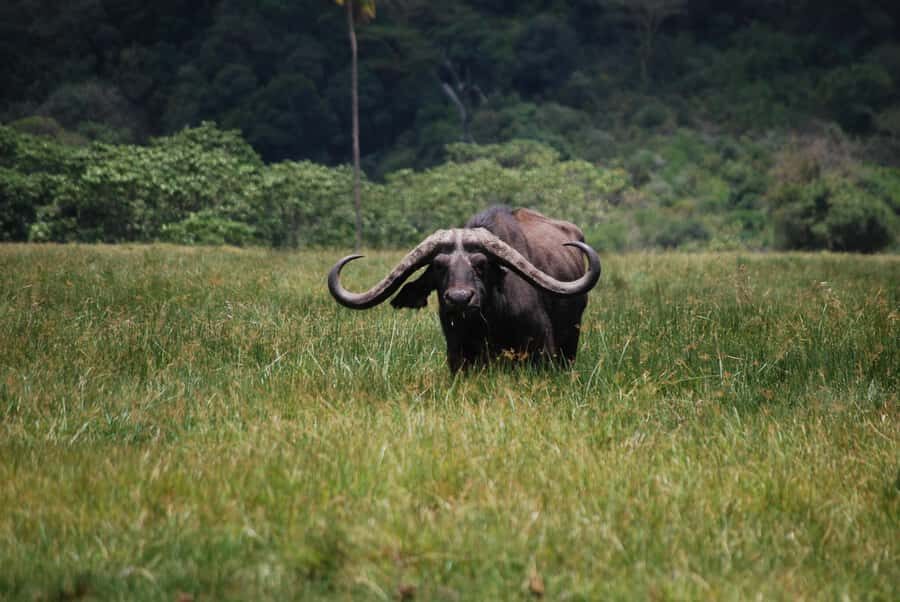
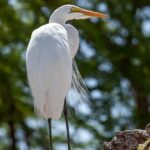
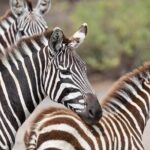
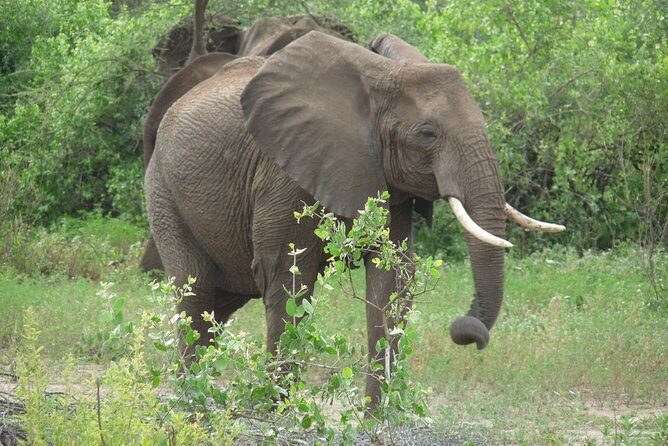
This is where the listing is most direct about a standout goal: with luck, you can observe the Big Five—lion, elephant, buffalo, rhino, and leopard—within a few hours. You might also see warthogs, wildebeests, zebras, hippos, and more than 500 bird species.
If you’re thinking like a safari realist, here’s how I’d frame it: Ngorongoro is one of the best places in northern Tanzania to concentrate many species in a relatively tight timeframe. You don’t have to keep chasing across endless distances; you’re working within a contained area where wildlife density tends to be higher.
Day 4 is listed as about 4 hours for the crater segment, including a morning dedicated to game viewing plus a picnic lunch. Then you leave the crater in the early afternoon and drive back to Arusha/Moshi, arriving early evening.
Practical tip for your expectations: the crater can deliver big sightings quickly, but you still need to give the driver time to position the vehicle. Wildlife isn’t a predictable show. Move with your guide’s cues, and keep an eye out for tracks and group behavior, not just the animals you already expect to see.
A few more Moshi tours and experiences worth a look
Lodge comfort and the meal plan you can trust
You’re on a lodge safari for four days, and the inclusions make it feel less like a “survive on snacks” trip. The package includes:
- Breakfast (3)
- Lunch (4)
- Dinner (3)
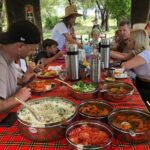
That’s a solid structure for safari travel. Lunch and dinner being included means you’re not forced into searching for food in the middle of long driving days. It also helps with energy management—meals timed around game drives are one less variable you have to handle.
The listing also says dinner is included for three evenings, which likely means one meal is not included during the four-day flow. The best approach is to plan to cover one meal out of pocket or confirm the exact included dinner nights at booking.
WiFi on board can help with small chores like syncing maps or sending messages, but the main comfort win is being in an air-conditioned vehicle when you’re between stops. That can make the difference between arriving tired and arriving able to enjoy the next game drive.
Price and value: what $1,847.43 includes (and what to budget)
At $1,847.43 per person for around four days, this isn’t a bargain-basement safari. But it also isn’t just “transport and luck.” The value comes from the inclusions that reduce your hidden costs:
- all fees and taxes (as stated)
- air-conditioned private vehicle and private transportation
- WiFi on board
- park access represented as admission ticket free in the day blocks
- multiple included meals
You’re also paying for time efficiency. Serengeti + Ngorongoro + a Rift Valley park in a short trip can be the best choice if you only have a few days and you want maximum odds of seeing a lot.
What can add cost later:
- tips for your safari guide
- alcohol and soft drinks
- visa fees
- personal expenses
- international flights
If you want the best value feeling, budget for those extras early. It’s easier to keep a calm mind on safari when you’re not doing surprise math in the middle of the day.
Where the price makes sense most: you want the “northern circuit highlights” style trip, you want private comfort, and you like having meals and park-related fees handled for you.
What guides and teamwork can change on safari
The itinerary is one thing. The day-to-day experience depends on the driver-guide. In feedback related to Bujo Tours, names like Anthony and Freddy come up with praise for being careful and informative—Anthony specifically gets credit for knowing animal and bird names, while Freddy is mentioned as taking great care and explaining a lot. Another driver, Tony, is described as the best company.
Why does this matter to you? Because good wildlife spotting isn’t random. It’s reading tracks, scanning for movement, and knowing where animals tend to show up. If your guide can also explain what you’re seeing—bird calls, animal behavior, why one area might be more active than another—you’ll feel less like you’re watching from the passenger seat and more like you’re understanding the safari.
This tour also signals a private, attentive style of operation. Communication and problem-solving show up in the broader provider feedback as well, including mentions of Stewe helping when there were issues with a deposit transfer. That suggests the company tries to keep things smooth if a minor snag appears.
No guarantee this exact guide will be assigned to you, but it’s a good sign for the experience quality.
Who should book this 4-day lodge safari from Moshi
This safari is a strong fit if you:
- have limited time and want the big northern circuit highlights in one trip
- want a lodge-style flow with meals included and private transport
- like dawn game drives and the idea of chasing wildlife while conditions are best
- are interested in both dramatic large-animal safari moments and the bird-forward side of Lake Manyara
It’s less ideal if you:
- hate early mornings (dawn is part of day 3)
- need long recovery breaks between activities
- want a slow travel pace with minimal driving
If you’re traveling as a couple or small group and you want your own vehicle and your own guide attention, the private format is a real benefit.
Should you book this safari or do something else?
I’d book this if you’re aiming for a “greatest hits” Tanzania safari in a short window, and you want the odds stacked through smart timing—especially the crater morning and the dawn predator drive. The mix of Lake Manyara’s bird and habitat variety, Serengeti’s migration possibility and Kopjes, and Ngorongoro’s concentrated wildlife makes this a practical choice for most first-timers.
I’d hesitate only if you’re the type who gets cranky with early starts and long car days. This is designed for efficiency, not long lounging.
If your schedule allows only four days and you want the most return per day, this tour has a sensible structure and strong inclusions. You’ll still need luck with sightings, but the route is built to maximize your time.
FAQ
What does the 4 Days Lodge Safari include?
It includes air-conditioned vehicle, WiFi on board, private transportation, hotel pickup, and meals: breakfast (3), lunch (4), and dinner (3). The tour also lists admission tickets as free for the park stops included, and it includes all fees and taxes. You’ll receive a mobile ticket.
Where does the safari start and what time does it run?
The start time is 8:00 am. Day-by-day driving and park time are scheduled across four days, with day blocks listed as roughly 8 hours for days 1 and 2, about 7 hours for day 3, and about 4 hours for day 4.
Is pickup from Moshi included?
Yes. Pickup is offered from your hotel in Moshi after breakfast on the first day, and you return back toward Arusha/Moshi on the final day.
Which parks will I visit?
This safari is described as covering Serengeti National Park and Ngorongoro Crater, plus one of Tarangire National Park or Lake Manyara National Park depending on animal viewing at the time. The itinerary you provided includes Lake Manyara on day 1, Serengeti on day 2, Ngorongoro Conservation Area on day 3, and Ngorongoro Crater on day 4.
What animals can I realistically expect to see?
The crater day highlights the chance to see the Big Five (lion, elephant, buffalo, rhino, leopard) within a few hours with luck. You may also see warthogs, wildebeests, zebras, hippos, and over 500 bird species. Lake Manyara also notes monkeys, giraffes, antelopes, elephants, and lions lounging in trees.
Does the tour include park admission fees?
Yes. The itinerary blocks list admission ticket free for the park days, and it also states that all fees and taxes are included.
Are drinks and tips included?
No. Tips for your safari guide and alcohol/soft drinks are not included, along with visa fees and personal expenses.
Is this tour private or shared?
It’s private. Only your group will participate.
Can I cancel for a full refund?
Yes. Free cancellation is available if you cancel at least 24 hours before the experience start time for a full refund. If you cancel less than 24 hours before, the amount paid is not refunded.