REVIEW · ARUSHA
4-Day Tour to Tarangire, Serengeti and Ngorongoro
Book on Viator →Operated by VISION SAFARI & TOURS · Bookable on Viator
Elephants in Tarangire, then the Serengeti Plains, then Ngorongoro Crater. That’s three Tanzania highlights in four days—fast, exciting, and built around game drives with a small group.
I like two things most: the route is a classic one (Tarangire → Serengeti → Ngorongoro), and the tour includes the stuff that usually adds up—transportation, lodging, and meals. One thing to consider: you start early (6:00 am), and you’ll spend long stretches in the vehicle, which can feel like a lot if you hate mornings.
In This Review
- Quick highlights
- Why This 4-Day Circuit Works: Tarangire to Serengeti to Ngorongoro
- Price and What You Actually Get for $900
- Getting Up at 6:00 am: Transport, Group Size, and Comfort
- Day 1 in Tarangire: Elephants, Baobabs, and Maasai Encounters
- Day 2–3 Serengeti: Great Migration Country and Big Cat Spotting
- Day 2: The Migration Moment Starts
- Day 3: Bigger Herds, Deeper Chances
- Day 4 Ngorongoro Crater: One Amphitheater, Many Wildlife Scenes
- Guides, Food, and Pace: Why It Feels Well Run
- Wildlife Expectations: Big Five Dreams and Realistic Wins
- Who This Safari Fits Best (and Who Might Want a Different Style)
- Booking Tips and What to Think About Before You Go
- Should You Book This Tarangire–Serengeti–Ngorongoro Tour?
- FAQ
- How long is the safari?
- Where does the tour start, and what time?
- How many people are on the tour?
- Which parks are included?
- What meals are included?
- Are park admission tickets included?
- What’s not included in the price?
- Can I change or get a refund if my plans shift?
Quick highlights
- Small group size (max 6): more flexibility when your guide finds animals.
- Classic parks in a tight loop: Tarangire elephants, Serengeti migration country, Ngorongoro crater wildlife.
- Early start from Arusha: meeting at Clocktower Roundabout, with a 6:00 am start.
- All meals during the tour: 3 breakfasts, 4 lunches, and 3 dinners included.
- Guides that focus on spotting and explaining: one guide name that comes up is Assad.
- Includes admission tickets for the listed park stops: shown as Admission Ticket Free.
Why This 4-Day Circuit Works: Tarangire to Serengeti to Ngorongoro
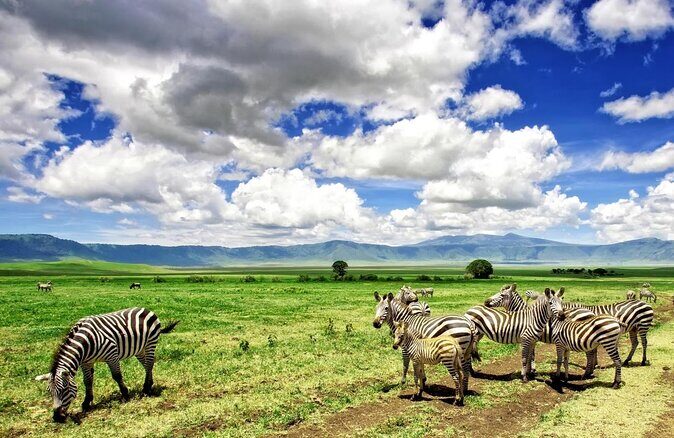
If you’re dreaming of Tanzania wildlife, this itinerary makes sense because it matches three different “animal scenes” in a short time. Tarangire is where elephants and baobabs do the talking. Serengeti is where the migration drama plays out on the open plains. Then Ngorongoro Conservation Area gives you a natural amphitheater full of habitats inside one crater.
I also like the pacing philosophy here: each day is built around long blocks of time in the parks, so you’re not constantly bouncing from one quick photo stop to another. The stops are scheduled as roughly 6 hours each, so you’re getting meaningful time where wildlife is actually active.
The tour is priced at $900 per person, but the value comes from what’s bundled: lodging, transportation, and meals are included, plus a professional guide. For a safari, that can be the difference between a “low-cost” price that turns into a higher final bill, and a trip that stays predictable.
A few more Arusha tours and experiences worth a look
Price and What You Actually Get for $900
$900 sounds like a lot until you compare it to what a safari usually costs when you piece it together yourself. Here, you’re not just paying for the game drives—you’re paying for the whole operating system: all transportation, accommodation, a professional guide, and most of the meals.
Here’s what’s included for clarity:
- All accommodation
- All transportation
- Parking fees
- Professional guide
- Breakfast (3), lunch (4), dinner (3)
And you’re also shown as having admission tickets for the park stops listed as Admission Ticket Free. That matters because park access can be one of the biggest “surprise add-ons” in some itineraries.
What’s not included is also straightforward:
- Tip
- International flights
- Personal items
- Any extra accommodation before or at the end of the tour
So the value equation is: if you’re already planning to be in Arusha and spend nights on safari, this price is trying to cover the heavy lifting for you. If you’re trying to squeeze this in as a day-trip from somewhere far away, the logistics could get more complicated than the price suggests.
Getting Up at 6:00 am: Transport, Group Size, and Comfort
The tour starts at 6:00 am from Clocktower Roundabout in Arusha. Then it ends back at the same meeting point. That means you’ll be spending the morning in motion, which is normal for wildlife viewing. Animals tend to be more active earlier, and driving time matters when you’re crossing between parks and conservation areas.
The group size is limited to a maximum of 6 travelers. That’s a big deal. Smaller groups usually mean:
- less crowding when the vehicle spots animals,
- fewer schedules that have to match other people’s preferences,
- more room for your guide to adjust the route if conditions change.
You also get pickup offered and a mobile ticket, both of which reduce the “where do I go and who do I meet” stress. I like that kind of clarity on safari because one missed handoff can wreck your timing for the first day.
Comfort-wise, your main “comfort input” is how you handle long vehicle hours. The tour is built for wildlife time, not staying perfectly comfortable like a resort shuttle. If you prepare mentally for that, you’ll enjoy the day more.
Day 1 in Tarangire: Elephants, Baobabs, and Maasai Encounters
Tarangire National Park is often the best place to start because it feels instantly different from the open Serengeti plains. You’re looking at vast elephant herds moving through country dotted with baobab trees. That baobab scenery is not just pretty—it helps you understand why Tarangire is such a reliable wildlife magnet.
The itinerary spends the day on two main parts, both in Tarangire:
- Game drives and river-time wildlife
- Photography time plus a nature walk and Maasai cultural encounters
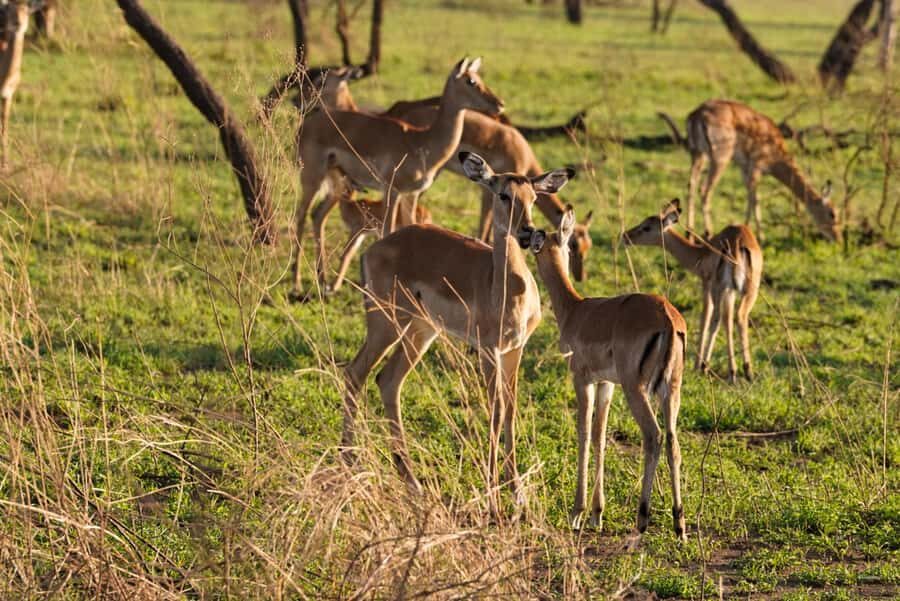
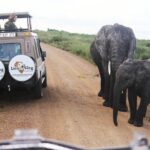
You’ll get that classic elephant moment: herds meandering, calves nearby, and the slow rhythm of a safari that isn’t all frantic chasing. Lions, giraffes, and other wildlife show up too, based on what the guide finds that day.
One of the most practical benefits of doing Tarangire first is timing. Starting here helps you build your “animal eyes” before Serengeti. By the second day, you’ll recognize behavior patterns faster—where predators wait, how herbivores react, and what kinds of terrain usually hold more sightings.
The cultural side matters too. You’re scheduled for Maasai encounters and a guided nature walk, which can shift your attention from just spotting animals to noticing the smaller ecosystem details. The nature walk is also a good reset from vehicle time. Just be aware that you’ll still have plenty of driving later in the trip.
Day 2–3 Serengeti: Great Migration Country and Big Cat Spotting
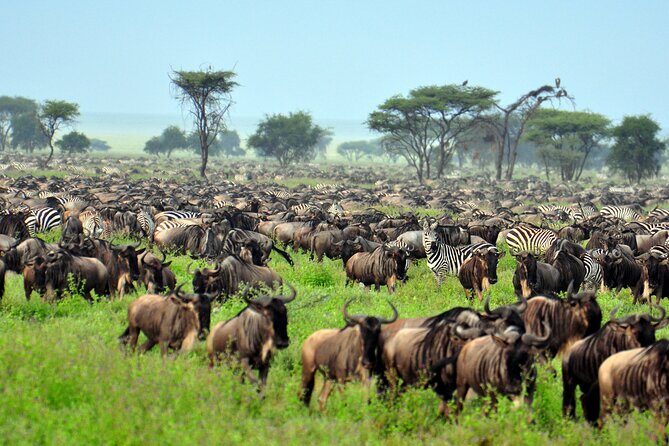
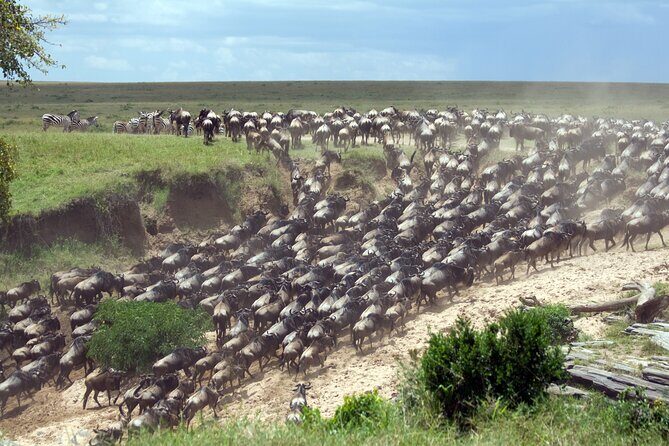
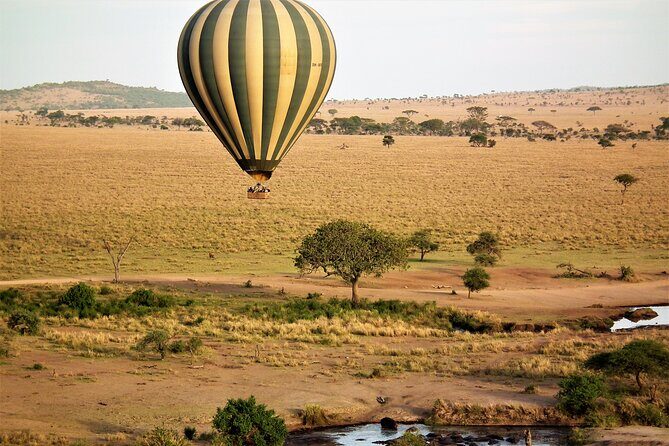
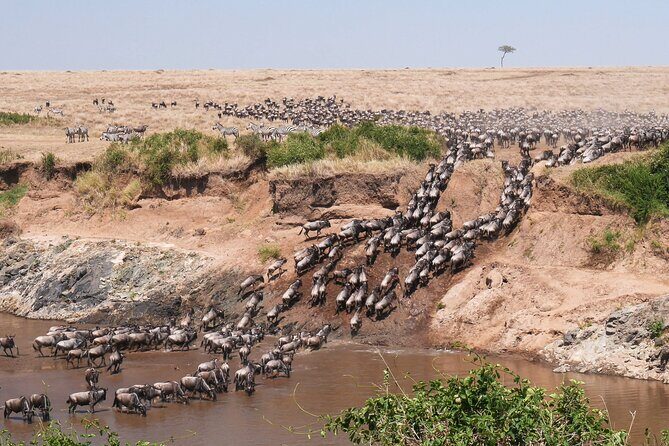
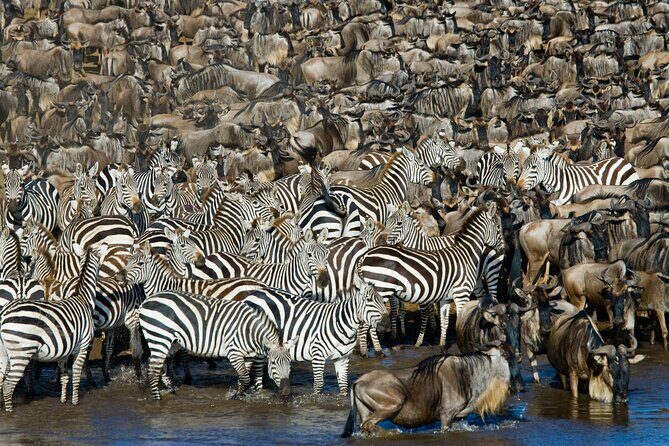
Serengeti is the star of this itinerary, and the tour is explicitly built around the Great Migration. The plan describes large herds moving across the plains in search of fresh grazing, and the park is where you’re most likely to feel like you’re watching a living movie.
That said, the migration is not a circus with a fixed schedule. Your guide is working with timing, animal movement, and where food is available. The best approach is the one this tour seems designed around: multiple game-drive sessions with an expert guide who can read the landscape and adjust where you spend time.
Day 2: The Migration Moment Starts
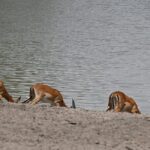
Day 2 focuses on the big spectacle: wildebeest, zebras, and gazelles moving across the plains. You’ll spend time in the Serengeti with game drives and time in Seronera Valley areas mentioned in the plan. The description also emphasizes predator sightings—lions, cheetahs—along with elephants.
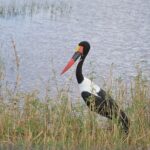
I like that the itinerary doesn’t only promise the migration. It also calls out that Serengeti has a lot of everyday wildlife action, plus bird life. Even when the migration isn’t right in front of your vehicle at the exact moment you want it, Serengeti still rewards patience.
Day 3: Bigger Herds, Deeper Chances
Day 3 repeats the Serengeti theme but with a different angle: more focus on the iconic migration movement across golden plains. It again mentions game drives and conditions around the Seronera River and acacia-dotted areas.
The tour language highlights the chance to see the “Big Five,” which includes lion, elephant, buffalo, leopard, and rhinoceros. I’ll be honest: leopard and rhino are always the hardest “maybe” on any safari. This itinerary increases your odds by giving you more than one day in Serengeti, plus long time in the park each day.
Also, you’ll want to factor in sunset time. The tour schedule points to golden-hour viewing, and in Serengeti that can be when everything feels extra alive—animals moving, light changing fast, and your guide communicating where to look next.
Day 4 Ngorongoro Crater: One Amphitheater, Many Wildlife Scenes
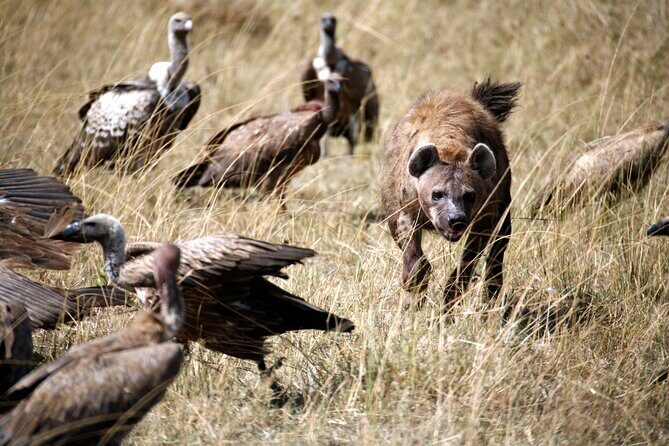
Ngorongoro Crater is the kind of place that changes your brain’s scale for wildlife viewing. You’re not just looking at animals on random grassland. You’re in a volcanic caldera, formed when a volcanic mountain collapsed, creating an enclosed amphitheater-like environment. That creates a range of habitats in one place, from grassy plains to acacia forests.
The tour has two main parts on Day 4:
- Game drives inside Ngorongoro Crater
- A visit to Maasai culture / local village time
The wildlife goal is a strong one: see Big Five animals in their natural habitat during game drives. The schedule also frames the crater as the “Eighth Wonder of the World,” which is obviously marketing language, but the key is that the setting is so special that even a single good sighting can feel cinematic.
One practical note: crater days can feel like sensory overload. You have multiple habitat zones, animals can appear in different areas quickly, and the terrain can affect where your vehicle can position. Having an experienced guide helps you get more value out of each sighting, not just drive past it.
The Maasai village visit is a nice counterbalance on the last day. If you’ve spent three days focused on wildlife, a cultural visit helps you round out the story of the region instead of treating the parks like separate worlds.
Guides, Food, and Pace: Why It Feels Well Run
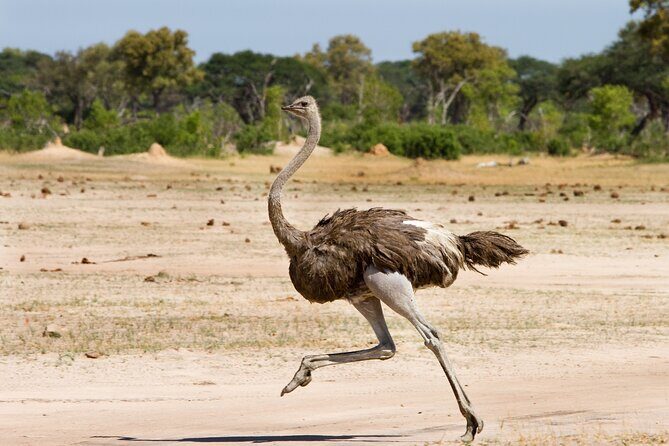
On safari, the guide is the engine and the translator. You can see this tour aims to hire a professional guide, and that’s not small. Spotting animals in wide open country is a skill, and the best guides don’t just point—they explain what you’re looking at.
One guide name you may hear is Assad, mentioned as friendly and knowledgeable, with a knack for adding context about the animals and the environment. That kind of guiding matters because it turns a sighting into understanding: why an animal is there, what it’s doing, and what to watch for next.
Food is also built into the schedule. You’re covered for:
- 3 breakfasts
- 4 lunches
- 3 dinners
And at least one mention of a strong chef shows up in feedback about the overall setup. Even without going into menus, the practical value is that you’re not scrambling for meals between parks. When you’re up early and in the vehicle a lot, meals you don’t have to chase keep the trip from feeling stressful.
Pace-wise, the schedule is “big safari day” energy. If you like motion and action, you’ll probably love it. If you want lots of free time to rest or wander, you might find the rhythm a bit full. Still, most people choose safari for exactly this kind of focused wildlife time.
Wildlife Expectations: Big Five Dreams and Realistic Wins
The itinerary is designed around major wildlife moments:
- Tarangire’s elephants and baobab scenery
- Serengeti’s Great Migration chances
- Ngorongoro Crater’s concentration of wildlife
That said, wildlife is never guaranteed. What you can control is how the tour is managed. Two elements here improve your odds:
- More than one park day for the main target areas (two days in Serengeti).
- Long time blocks in each park stop, so your guide isn’t rushed.
Also, the tour’s small group size helps with decision-making. When a guide finds a promising sighting, you don’t want ten vehicles and five decision-makers slowing everything down.
If you’re prioritizing the most “iconic” species, treat the Big Five as a goal, not a checklist. You’re maximizing chances, not ordering outcomes.
Who This Safari Fits Best (and Who Might Want a Different Style)
This tour is a strong match if you:
- want a classic Tanzania safari route without planning every detail yourself,
- like the idea of a small group and a guide who can actively manage your day,
- don’t mind early starts and long vehicle time in exchange for wildlife time.
It may be less ideal if you:
- need lots of downtime each day,
- prefer a very flexible itinerary with lots of unscheduled stops,
- want a slower pace with more time at the lodge beyond meals and sleep.
In other words: if your vacation is about seeing animals and you like getting up early, this fits. If your vacation is about spa time and zero motion, you’d probably be happier with a different style of trip.
Booking Tips and What to Think About Before You Go
A few practical things you should plan before booking any multi-park safari like this:
- Bring layers. Mornings can be cooler, and you’ll be moving at sunrise and through the day.
- Get your camera ready. The plan includes photography-focused time in Tarangire, so you’ll likely want to capture baobabs, elephants, and golden-hour scenes.
- Plan for dust and sun. You’ll be outside a lot, often with vehicle doors open or partially open.
- Ask your guide about timing. If you care about migration moments in Serengeti, don’t be shy about asking what your day’s priorities are and why.
Also, remember tips are not included. It’s usually best to know your budget for tipping so you don’t feel caught off guard at the end of an exciting trip.
Should you book this one depends on how you feel about early mornings, long driving blocks, and wanting a guided, structured safari. If those sound like your idea of fun, you’re in the right place.
Should You Book This Tarangire–Serengeti–Ngorongoro Tour?
I’d book it if you want a tightly planned route that hits Tarangire elephants, Serengeti migration country, and Ngorongoro crater wildlife without turning your vacation into a spreadsheet. The price feels more reasonable when you see what’s included—lodging, guide, transportation, and meals—plus the small group limit.
I’d think twice if you want slow travel, lots of free time, or you’re sensitive to early starts. This trip is built for wildlife viewing first, comfort second.
If you’re going for value, also pay attention to the name you might hear from the guide team. If Assad is available for your departure, that experience level and communication style can make your days feel smoother and more rewarding.
FAQ
How long is the safari?
It runs for 4 days (approx.).
Where does the tour start, and what time?
The meeting point is Clocktower Roundabout, Arusha, Tanzania, with a 6:00 am start.
How many people are on the tour?
The tour has a maximum group size of 6 travelers.
Which parks are included?
You visit Tarangire National Park, Serengeti National Park, and the Ngorongoro Conservation Area (including Ngorongoro Crater).
What meals are included?
The tour includes breakfast (3), lunch (4), and dinner (3).
Are park admission tickets included?
The itinerary lists the park stops as Admission Ticket Free.
What’s not included in the price?
Not included are tip, international flights, personal items, and any extra accommodation before or at the end of the tour.
Can I change or get a refund if my plans shift?
This experience is listed as non-refundable and cannot be changed for any reason.