REVIEW · ZANZIBAR
Explore The Stone Town in Zanzibar
Book on Viator →Operated by Explore Zanzibar local tour guides · Bookable on Viator
Stone Town can swallow you whole. This guided walk through UNESCO streets helps you keep your bearings while seeing the history, architecture, and local life that make the maze matter.
I love how you get Zanzibar traditions explained in plain language, not just dates. I also love that your guide (like Ali or Fatma) can steer the stops toward what you care about most, from architecture to shopping for textiles, and even the sensitive story of the slave trade.
One heads-up: it’s a walking tour in tight lanes, so you’ll want comfortable shoes and a steady pace, because Stone Town’s streets don’t do you much favors.
In This Review
- Key takeaways
- Why Stone Town’s maze feels magical with a guide
- Old Slaves Market: a serious stop handled carefully
- Zanzibar’s wooden curved door details you can actually notice
- Zanzibar traditions on the street, not in a textbook
- The 2 hours 15 minutes plan: enough time, not too much
- Pickup from Stone Town hotels, but plan your start point
- Pricing and value: what $40 buys you in the real world
- What you should ask your guide to get the most out of it
- How to prepare: shoes, pace, and your topic of interest
- Who this Stone Town walk suits best
- Should you book this Stone Town walking tour?
- FAQ
- How long is the Stone Town exploration?
- Where does the tour start?
- What’s included in the price?
- What isn’t included?
- Is this a private tour?
- Is it suitable for most travelers?
- What if the weather is poor?
- What’s the cancellation policy?
Key takeaways
- Private, tailored pacing so you can ask questions and shape what you want to see
- Old Slaves Market + respectful context about the slave trade in East Africa and beyond
- Iconic wooden curved door details that most people miss when they wander alone
- Navigate narrow streets with confidence using a local history and culture lens
- Value at $40 per person for a focused ~2-hour walk with pickup from Stone Town hotels
Why Stone Town’s maze feels magical with a guide
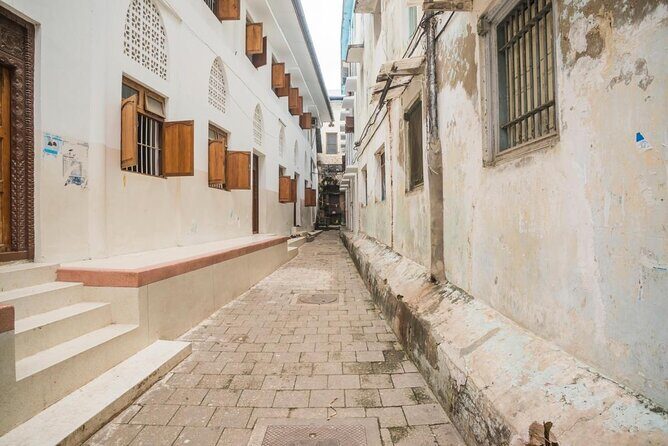
Stone Town is the kind of place where maps look confident and then reality shrugs. You step into narrow streets, turn a corner, and suddenly the street names stop helping. That’s exactly why a guided walk makes such a difference.
This experience centers on Stone Town as a UNESCO World Heritage area and leans into what you’ll actually feel on the ground: the dense layout, the layered past, and the way architecture and daily life blend. A professional guide helps you stay oriented and makes sure you see key highlights instead of circling the same alley like you forgot your phone in 2017.
The guide isn’t just reciting. Based on what I’ve picked up about how they run the walk, you’ll get the “why” behind what you’re seeing—Zanzibar history, cultural heritage, and local architectural features—while keeping it flexible to your interests. If you’re more into photos, you’ll get photo-friendly stops. If you’re shopping for local textiles, you’ll get pointers on what to look for and where to focus.
You can also read our reviews of more tours and experiences in Zanzibar.



Old Slaves Market: a serious stop handled carefully
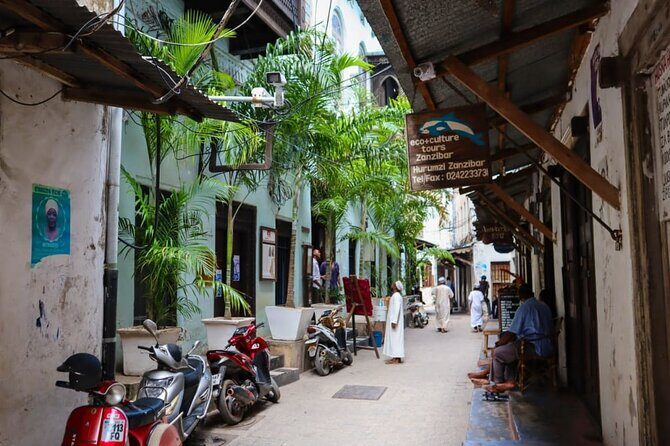
One of the most important moments in the walk is a stop at the Old Slaves Market area. You’ll learn about the slave trade in East Africa and the way it connects to the broader history of the world. This isn’t treated like a shock headline. It’s framed in a respectful, context-first way, so you come away with understanding rather than just discomfort.
What I like about including this stop is that it makes Stone Town’s story feel complete. The architecture and carved doors are impressive, sure. But without the historical context, you’re only seeing the decoration. With this guided approach, you’re better able to connect the physical places to real human history.
Also, the walk includes room for questions. If you’re unsure what to ask—ask anyway. Guides here are used to dealing with sensitive topics with care, and you’ll get clear answers without the awkward tone you sometimes get in tourist settings.
Zanzibar’s wooden curved door details you can actually notice
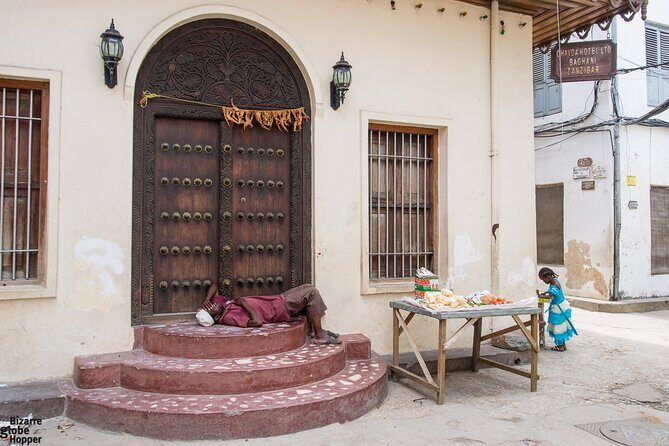
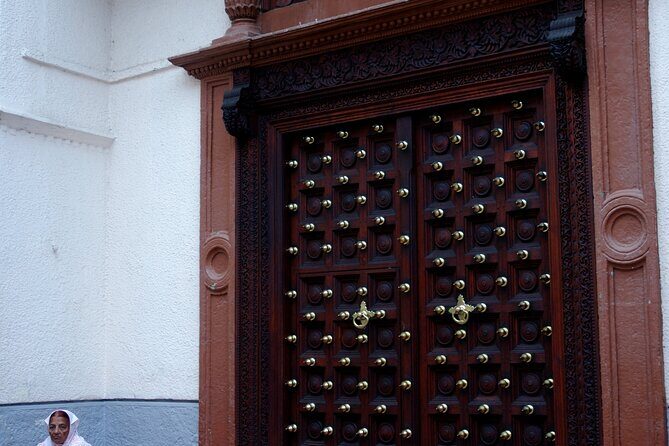
Stone Town’s beauty isn’t only in big landmarks. It’s in small, specific details. The tour highlights a wooden curved door—the kind of feature that’s easy to photograph but hard to understand if you don’t know what you’re looking at.
That matters because doors in Stone Town aren’t just doors. Their shape, craftsmanship, and style reflect cultural influences and the city’s trade connections over time. A good guide turns a random-looking entrance into something you can read: materials, design choices, and the cultural story those choices point to.
If you like architecture, this stop is a fast win. You’ll see at least one “how did people make this?” detail and learn how it fits into Zanzibar’s older urban character. If architecture isn’t your thing, you’ll still get value because it’s the gateway to bigger themes about history and identity.
Zanzibar traditions on the street, not in a textbook

A lot of tours claim they’ll cover culture. This one actually centers Zanzibar traditions as something you can recognize in daily life and in how people talk about their city. That could mean background on customs, local ways of thinking about community, or cultural context that makes Stone Town’s vibe feel less random.
One practical benefit: when you understand even a little of the cultural logic, you navigate more calmly. Negotiating a price, asking for directions, or choosing what to photograph feels smoother because you’re not walking in blind.
And based on guide examples, you might even get small, fun local touches—like learning simple Swahili counting—along the way. Those moments don’t take long, but they help you connect to the place as something lived in, not staged for tourists.
The 2 hours 15 minutes plan: enough time, not too much
The walking time is about 2 hours 15 minutes. That sweet spot matters. Too short and you only skim. Too long and you start rushing, heat builds, and you forget half the story while your feet negotiate with the sidewalk.
Within that time, the walk stays tightly focused on Stone Town highlights and the big historical themes, including Zanzibar’s past and the slave trade context. You’re not stuck for a whole day. You get a solid foundation, and then you can choose what to explore on your own afterward.
Here’s how I’d think about it if you’re planning the rest of your trip:
- If Stone Town is one of your main stops, this tour is a great “orientation + highlights” move.
- If you’re also doing beach time or other Zanzibar activities, this is a clean way to get the history without stealing your whole day.



Pickup from Stone Town hotels, but plan your start point
Convenience is part of the value here. The tour includes pickup from Stone Town hotels, but you have to request it and send a message in advance. That’s a meaningful detail. In a maze like this, starting at the wrong place can eat your tour time.
What’s not included is transfers from other parts of the island. So if you’re staying outside Stone Town, you’ll need to budget for getting to Stone Town yourself before pickup (or meet at the start point, depending on what the provider confirms when you book).
Also, the activity is near public transportation. So if your hotel situation is a little awkward, you still have workable options.
Pricing and value: what $40 buys you in the real world

It costs $40 per person and runs about 2 hours 15 minutes. On paper, that’s not “cheap,” but in Stone Town—where the streets can scramble your sense of direction—paying for a guide can be a smarter use of money than paying for extra taxis or losing time.
What you’re really buying is:
- Interpretation: history and cultural meaning connected to specific places
- Orientation: help navigating the narrow streets without spiraling
- Flexibility: tailoring to your preferences (textiles, architecture, general history)
- A private format: only your group participates, so you’re not squeezed into awkward group pace
One extra value clue from the guide approach: they’re used to interacting in a local way, including advising on practical purchasing so you don’t feel like you’re being steamrolled. Some guides also help you find good food, and at least one guide example included taking people to Luqman Restaurant. Meals aren’t included, but it can be nice to have a nudge toward a solid local option rather than guessing.
Finally, note the booking pattern: it’s commonly booked about 155 days in advance on average. That usually signals demand, especially during busy seasons. If you have firm travel dates, it’s smart to lock it in early.
What you should ask your guide to get the most out of it

A walking tour like this works best when you treat it like a conversation, not a lecture. Here are good, practical questions you can use without feeling awkward:
- What architectural details should I notice as we go?
- What’s the most misunderstood part of Stone Town’s history?
- How should I think about the slave trade context respectfully and accurately?
- If I want to shop for textiles, what should I look for first?
- If I only have one hour after this tour, what area should I return to?
If you’re the type who likes to learn through real-life cues, ask the guide how locals experience the city today versus how outsiders usually see it. That’s where the history becomes more than trivia.
And if you’re a late arrival sometimes (hey, travel happens), it helps to know the guides here are used to being accommodating. One guide story included waiting kindly when the group was running late, which can make a stressful moment a lot easier.
How to prepare: shoes, pace, and your topic of interest
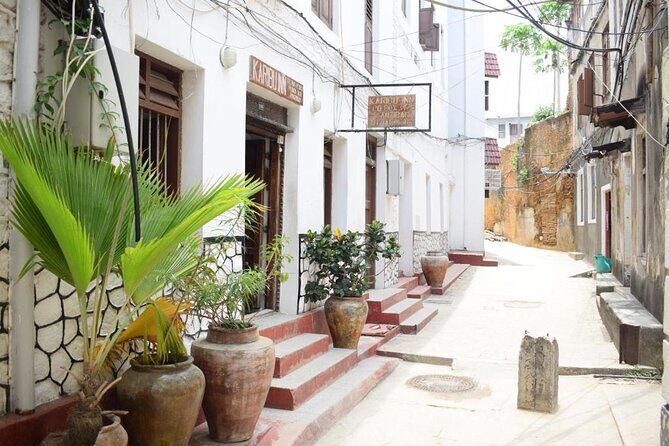
Because the tour is centered on walking through Stone Town’s narrow streets, preparation is mostly about comfort and mindset.
Bring:
- Comfortable shoes with grip for uneven lanes
- Water and sun protection, even though food and drinks aren’t included
- A charged phone/camera for door details and market scenes
Then pick a focus. You don’t need to be an architecture expert. Just choose your “main character” theme:
- History and context (including the slave trade story)
- Architecture and design details like the wooden curved door
- Culture and daily life, including traditions and respectful conversations
- Shopping support, especially for textiles
The best part of a personalized private tour is you can switch priorities mid-walk. If something catches your eye—a street scene, a doorway, a market moment—ask about it. That’s how the maze turns from annoying into enchanting.
Who this Stone Town walk suits best
This is a strong match for:
- First-time visitors who want an orientation fast
- People who like history but prefer it explained through places, not slides
- Travelers who want architecture details without doing homework
- Anyone who wants a private, focused experience rather than a large group shuffle
It also fits a wide range of participants. Service animals are allowed, and most travelers can participate. If you have mobility constraints, you’ll want to consider your walking comfort because it’s centered on street navigation.
One more note: the tone around sensitive topics seems to be handled respectfully. That’s important if you’re unsure how conversations about the slave trade will feel. Here, the guides are used to addressing religion and the subject matter appropriately.
Should you book this Stone Town walking tour?
If you want Stone Town to make sense—fast—this is a good bet. I’d book it if you value getting oriented, seeing key highlights, and having a guide like Ali or Fatma tailor the experience to your interests while addressing the slave trade story with care.
Skip it (or think twice) only if you already know Stone Town well and you’re comfortable wandering without losing time. With the maze layout, that can work—but it’s a gamble.
For most people, the decision comes down to one simple question: do you want Stone Town as a meaningful place, or just as a backdrop for photos? This tour leans firmly toward meaning, and it does it in a manageable 2 hours 15 minutes.
FAQ
How long is the Stone Town exploration?
The tour lasts about 2 hours 15 minutes.
Where does the tour start?
The tour starts in Stone Town. Pickup is included from Stone Town hotels if you request it in advance, but transfers from other parts of the island aren’t included.
What’s included in the price?
A professional tour guide, pickup from Stone Town hotels (on request), and certified services for good hospitality are included.
What isn’t included?
Food and drinks aren’t included, tips/gratuities for the guide aren’t included, and any admission ticket is not included. Personal expenses are also not included.
Is this a private tour?
Yes. It’s private, so only your group participates.
Is it suitable for most travelers?
Most travelers can participate. Service animals are allowed, and the tour is near public transportation.
What if the weather is poor?
The experience requires good weather. If it’s canceled due to poor weather, you’ll be offered a different date or a full refund.
What’s the cancellation policy?
Cancellation is free. You can cancel up to 24 hours in advance for a full refund. If you cancel less than 24 hours before the experience starts, the amount paid is not refunded.