REVIEW · ARUSHA
4 Day Private Luxury Safari Tour.
Book on Viator →Operated by Relish of Africa limited · Bookable on Viator
Four days, three parks, and Big Five luck. This private luxury safari packs serious time into Tanzania’s north circuit, with private guiding and standout Serengeti wildlife time, and it’s set up for you to move efficiently between Tarangire, the Serengeti plains, and Ngorongoro crater. I especially like that the schedule keeps you out on game drives in the best daylight windows and that the team is known for being warm, flexible, and responsive. One drawback to weigh: at $4,450 per person, it’s a premium price, and the tight 4-day format means long days in the vehicle.
I also like how the tour is built around early starts, with pickup around 8:30 am and morning game drives when animals are most active. You’ll spend multiple days in parks with very different “feels,” from Tarangire’s elephant-and-baobab focus to Serengeti’s open plains and Ngorongoro’s crater bowl. Expect comfort, but still plan for a true safari pace, not a slow sightseeing vacation.
Finally, the human part matters here. The operator’s communication and handling show up clearly, and names like Walter, Frank, Emmanuel, and Andrew come up alongside the emphasis on seeing the big cats and the Big Five. If you’re sensitive to price or you want days that are mostly relaxed, you may prefer a longer safari so the driving feels less intense.
In This Review
- Key things I’d plan around
- The North Circuit, but with “private” pacing that actually works
- Arusha pickup and the early-start rhythm you’ll feel right away
- Tarangire National Park Day 1: elephants, baobabs, and water that matters
- Serengeti Days 2 and 3: plains, migration country, and big-cat odds
- What I’d watch for in Serengeti
- The one drawback: Serengeti does not guarantee
- Ngorongoro crater Day 4: the dramatic descent and high-density viewing
- Why the crater is such a strong finish
- The real value is the driver-guide relationship
- Lodges, food, and what “luxury” means in practice
- Price and value: what you’re really paying for
- Who gets the best value
- Seasonal timing: dry season helps, but you should match your expectations
- Practical tips to make this safari smoother
- Should you book this 4-day private luxury safari?
- FAQ
- Where does the safari start?
- How long is the safari?
- Is this a private safari or a group tour?
- Which parks and areas do you visit?
- What is the daily schedule like?
- Is pickup included on this tour?
- Are park admission tickets included?
- What wildlife are you likely to see?
- When is Tarangire especially good for wildlife viewing?
- What happens if the weather is bad?
- What’s the cancellation policy?
Key things I’d plan around
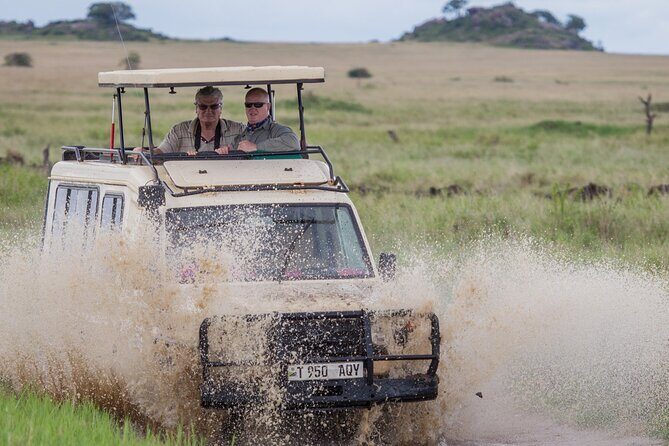
- Private safari vehicle and only your group, so game drives don’t feel rushed by a crowd.
- Tarangire in dry-season friendly timing, when permanent water helps animals concentrate.
- Serengeti time across different zones, including northern-to-central areas for varied sightings.
- Ngorongoro crater descent for the rare stuff, with black rhino noted as part of the park’s draw.
- Pickup from Arusha (around 8:30 am) and park days designed around early activity.
- Driver-guide quality is the engine, and specific guide names (Walter, Frank, Emmanuel, Andrew) keep getting tied to great outcomes.
The North Circuit, but with “private” pacing that actually works
A short safari can either feel like a highlight reel… or it can feel like you’re just passing through. This one leans into the highlight-reel approach, but it tries to do it with intention: Tarangire first, then Serengeti, then Ngorongoro crater before finishing back in Arusha or at the airport.
Because it’s private, you don’t have to think about where the “other people” are going. That matters on safari, where one good sighting can change your timing for the next hour. It also matters if you’re traveling as a family or with a smaller group, where you want the day to match your energy level rather than someone else’s.
The big tradeoff is simple: four days is fast, and Tanzania distances are not small. Even when the schedule is well organized, you’ll spend a lot of hours in the vehicle on transfer days.
You can also read our reviews of more private tours in Arusha


Arusha pickup and the early-start rhythm you’ll feel right away
Your day begins with pickup from your hotel in Arusha early in the morning, around 8:30 am. The plan is built around being on the road at the time of day when wildlife viewing tends to be best and temperatures are more comfortable.
I like this approach because it sets expectations early. On safari, you don’t want to be scrambling for the day after a late start. You want quiet eyes-on-the-bush time, especially before the heat ramps up and animals slow down.
If you’re someone who needs a “real” breakfast before going anywhere, plan to use that morning meal window well. The schedule includes breakfast before transfers and early game drives on at least one day, which is the kind of practical detail that keeps the day from feeling purely rushed.
Tarangire National Park Day 1: elephants, baobabs, and water that matters
Tarangire is often described as a best-kept secret of the north circuit, and that’s the vibe you’re aiming for on this first day. You transfer from Arusha into the park for a full day with lunch inside the park and an afternoon game drive, finishing with an evening transfer to your lodge.
Tarangire’s standout feature is how the permanent presence of water can help animals stay more consistently in the area—especially during the dry season (June to October, and December to February). When water stays available, wildlife has less reason to spread out, which can boost your odds of seeing more than just a lone animal here and there.
You’ll also see big baobab trees, which do something camera photos can’t fully capture. They’re visual anchors in the landscape, and they make Tarangire feel dramatic even when the action is still hours away. The park is home to big mammals, especially elephants, along with carnivores, so you’re not limited to one animal type.
One practical consideration: Tarangire can be a big day mentally. You’re traveling into the park, then doing lunch in-park, then hitting an afternoon drive. If you’re arriving in Tanzania the same day, give yourself extra recovery time the night before so Day 1 doesn’t feel like a marathon.
Serengeti Days 2 and 3: plains, migration country, and big-cat odds
If you want the classic safari setting, Serengeti is the part of the trip that delivers. After breakfast, you transfer toward Serengeti through the Ngorongoro area, with lunch inside the park and an afternoon game drive on Day 2. Day 3 starts with an early morning game drive in northern to central Serengeti before transferring to the Ngorongoro conservation area.
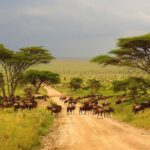
Serengeti is huge—14,760 sq km—and it’s divided roughly into short grass and woodland areas. That mix matters, because animals don’t move the same way in every habitat. The short grass plains often support the open-country drama people imagine, while woodland areas can make wildlife seem more “layered,” with more places for smaller sightings to play out.
You’re also in Masai country. That coexistence—wildlife and the human community—creates a different feeling than parks that feel completely cut off from daily life. It’s part of why Serengeti isn’t only about animals, but also about how the region works.
What I’d watch for in Serengeti
On a short safari like this, you’re not trying to “cover everything.” You’re trying to be in the right areas at the right times and let the guide do the scouting.
Here’s what the schedule points toward:
- Day 2: afternoon game drive after transfer, which often means you’ll be chasing activity as light softens.
- Day 3: early morning game drive, which is the best moment for many animals to be out and moving.
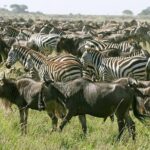
- Wildlife density and the migration context: even if you’re not there for the peak spectacle, you’re still in the system that makes Serengeti famous.
A few more Arusha tours and experiences worth a look

The one drawback: Serengeti does not guarantee
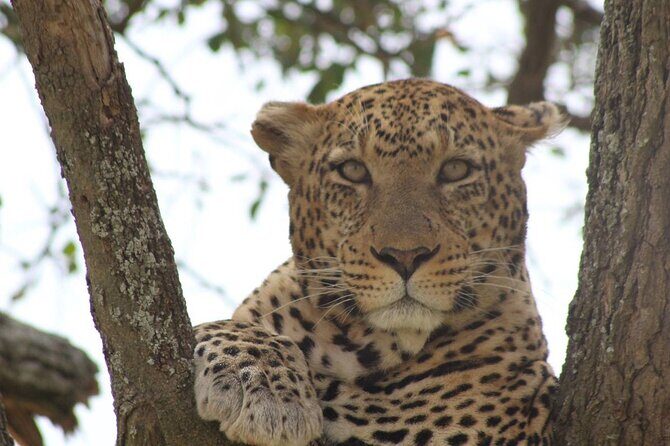
Serengeti is wildlife-dense, but it isn’t a theme park with predictable arrivals. The Big Five and big cats are possible, but wildlife timing is always wildlife timing.
So your best move is to lean into the private advantage: keep a calm pace, listen to your driver-guide, and accept that a great sighting might not be in the exact spot you imagined.
Ngorongoro crater Day 4: the dramatic descent and high-density viewing
Ngorongoro conservation area is part of the broader Serengeti ecosystem and is recognized as a UNESCO World Heritage Site. On Day 3, you transfer to the conservation area. Then Day 4 begins with an early trip to the crater itself and a descent down to the crater floor.
This is where the safari feeling shifts. Instead of open plains, you’re in a bowl. The program includes lunch and a game drive inside the crater, then you return to Arusha or continue to the airport in the evening.
Ngorongoro is often described as having stunning landscapes and extreme wildlife density per square kilometer, and it’s also noted for the presence of the rare black rhino. Even if you don’t see everything you hoped for, crater geography helps concentrate viewing opportunities into a smaller space.
Why the crater is such a strong finish
A good safari ending does two things: it leaves you with a visual “wow” and it gives you a last round of animal encounters before you go back to real life. The crater descent delivers the first part fast—it’s dramatic, and it changes your perspective immediately. Then the game drive inside the crater gives you the second part.
What to consider: you’re ending the trip, so you’ll likely want to bring energy back after a long week of early starts and driving. Pack a layer for temperature shifts and keep your camera or binoculars ready without making it a frantic scramble.
The real value is the driver-guide relationship
On safari, your vehicle is only half the story. The driver-guide is the other half—the eyes, the instincts, and the calm logic behind where you go next.
In the feedback I’m drawing on here, specific names like Walter and Frank get tied to strong outcomes, and Emmanuel and Andrew come up alongside the emphasis on seeing big cats and getting the most out of the time. Even if you’re not fixated on names, the takeaway is clear: this operator puts serious weight on matching you with an experienced guide team.
You can feel this in how the trip is handled:
- communication before departure is described as top-notch
- the team is described as warm and flexible
- there’s room to accommodate different preferences
That last point is important if you’re traveling with kids or if your group has different comfort levels with long drives. In at least one instance, ideas changed many times before the final plan, and the company responded carefully and efficiently.
Lodges, food, and what “luxury” means in practice
This tour is called private luxury, so you should expect comfort during the downtime between drives. The available information points to fantastic hotels and beautiful lodges, plus good food.
On safari, “luxury” doesn’t mean marble floors and spa menus the whole time. It mostly means:
- you don’t lose the day to chaos
- you have a good place to rest after long hours outside
- meals are handled so you can focus on wildlife
That’s why lunch inside the parks is such a practical detail. It reduces unnecessary back-and-forth driving and keeps your daylight for animals.
Price and value: what you’re really paying for
At $4,450 per person for a 4-day private luxury safari, this is not a budget choice. The value question is whether the trip saves you time and stress compared to building it yourself or mixing multiple operators.
What you’re buying for that price is a lot more than a seat:
- private transport and time in multiple major parks
- early-start scheduling (pickup around 8:30 am, plus early game drives)
- a guide who can position you for sightings
- a tight loop that includes Tarangire, Serengeti, and Ngorongoro crater
There’s also the possibility that park entry is handled as part of the package days, since the schedule notes admission ticket free for the park days. You’ll still want to confirm what’s included for your exact departure, but the structure suggests the organizers are trying to reduce surprise costs during the safari itself.
Who gets the best value
You’ll feel the value most if:
- you want a big-park circuit in a short time
- you prefer private guiding over group schedules
- you’re willing to pay for comfort during travel gaps
- you want the highest odds of seeing a wide range of wildlife in limited days
If you’re the kind of traveler who loves slow travel, longer lodge stays, and fewer long drives, you might get even better value by extending the safari by a day or two.
Seasonal timing: dry season helps, but you should match your expectations
Tarangire specifically notes the dry season windows (June to October, and December to February) as a time when water availability supports animal viewing. That doesn’t mean you can’t go outside those months, but it does mean you should expect different animal distribution patterns.
Also keep in mind the overall note that this experience requires good weather. Safari days run on visibility and road safety. If weather becomes a problem, the plan may change, with an offered different date or a refund if it’s canceled due to poor weather.
My advice: when you choose your month, match it to what you want most.
- If you want more predictable animal concentration in Tarangire, lean toward the dry season timing windows mentioned.
- If you’re flexible and want fewer “concentrated” viewing moments, shoulder seasons can still be incredible, but don’t expect every hour to deliver a perfect sighting.
Practical tips to make this safari smoother
These are small things that make a noticeable difference on a 4-day, early-start safari.
- Bring binoculars or plan to use the ones you already have. Wildlife density is a big theme here, so you’ll want more than just photos.
- Dress in layers. Mornings can feel cool before the day warms up, and crater time can be different from the surrounding areas.
- Stay ready for a lot of time on dirt roads. Motion sickness is real for some people; if you’re prone to it, plan ahead.
- If you’re traveling with kids, focus on patience during transfers. One calm attitude can turn the vehicle time into part of the experience instead of the boring part.
- Use your guide’s flexibility. If your group wants one extra stop or has a preference for more time watching rather than driving, ask. The operator’s style suggests they work with preferences.
Should you book this 4-day private luxury safari?
I’d book it if you want a compact north-circuit safari with private guiding, a strong mix of parks, and a schedule designed to put you on the ground when animals are most active. The fact that pickup is included around 8:30 am from Arusha, that you get meaningful time in Serengeti across days, and that the trip finishes with the Ngorongoro crater descent makes it a well-paced choice for first-time safari buyers or anyone who wants a “big hits” trip.
I wouldn’t book it if the premium price feels too steep or if you hate long days in the vehicle. Four days can feel intense, especially if you’re expecting mostly relaxed sightseeing.
If you do book, I’d ask for a clear breakdown of what your package includes (especially anything related to park entry and lodge standards) and share your wish list early: big cats, black rhino, elephant time, or a specific comfort level for driving hours.
FAQ
Where does the safari start?
The tour starts with pickup from your hotel in Arusha. Pickup is scheduled for early morning, around 8:30 am.
How long is the safari?
The safari is approximately 4 days.
Is this a private safari or a group tour?
It’s a private tour/activity, meaning only your group participates.
Which parks and areas do you visit?
You visit Tarangire National Park, Serengeti National Park, and the Ngorongoro conservation area, including Ngorongoro crater.
What is the daily schedule like?
You’ll have early starts with transfers between parks. The plan includes game drives, lunch inside the parks on the park days, and lodge stays between driving days. The last day includes descending into Ngorongoro crater and returning to Arusha or the airport in the evening.
Is pickup included on this tour?
Yes, pickup from your hotel is offered.
Are park admission tickets included?
The day-by-day notes list admission ticket free for the park days in this schedule.
What wildlife are you likely to see?
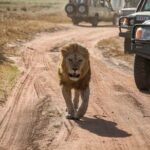
The plan highlights the chance to see the Big Five, elephants (especially in Tarangire), big cats, and black rhino in Ngorongoro crater.
When is Tarangire especially good for wildlife viewing?
Tarangire is described as especially good during the dry season (June to October and December to February) because water stays available in the area.
What happens if the weather is bad?
The experience requires good weather. If it’s canceled due to poor weather, you’ll be offered a different date or a full refund.
What’s the cancellation policy?
Free cancellation is available up to 24 hours in advance for a full refund. If you cancel less than 24 hours before the start time, the amount paid is not refunded.