REVIEW · ARUSHA
Private 6-Day Tarangire Manyara Crater and Serengeti with Mid-Range Lodges
Book on Viator →Operated by Lion King Adventures · Bookable on Viator
A safari here is more than a checklist. This private 6-day route stacks Tarangire, Serengeti, Ngorongoro Crater, and Lake Manyara into a mid-range plan that still feels special, with a dedicated guide and time in some of Tanzania’s most famous ecosystems. I especially like the private vehicle set-up (you’re not stuck in someone else’s schedule) and the fact that you get full board—breakfasts, lunches, and dinners—without paying restaurant prices every day. One thing to consider: this is a tight itinerary with long drives and early starts, so if you want a slow, relaxing vacation pace, you’ll feel the schedule.
What makes this trip interesting is how it’s built for real sightings, not just driving past animals. You get strong odds in Tarangire for elephants at the river, big predator country in Serengeti, and a real shot at the endangered black rhino down in the crater. In Lake Manyara, you’re chasing birds by the thousands and the famous tree-climbing lions. Still, you should know the day-to-day is governed by animal movement and conditions, so the exact sightings can’t be guaranteed.
I also like that the experience feels organized without feeling rigid. Many reviews call out how guides like Mecky, Macha, Leonard, Gilbert, Goodluck, and Luther were excellent at spotting from a distance and getting the team into good positions for photos. If you do better with clear communication from the start, it’s worth confirming your pickup timing and daily game-drive preferences before you land.
In This Review
- Key Highlights You’ll Care About
- How the Private Safari Really Works From Arusha
- Tarangire National Park: Elephants, Giraffes, and the Dry-Season “River of Warhogs”
- Ngorongoro Conservation Area Crater View on the Way to Serengeti
- Two Serengeti Game-Drive Days: Flexible Timing, Real Predator Odds
- Ngorongoro Crater Descent: Where the Rhino Story Gets Real
- Lake Manyara National Park: Birds, Baboons, and Tree-Climbing Lions
- Price and Value: What $2,685 Gets You (and What It Doesn’t)
- Guides and Spotting Skills: Why Names Keep Coming Up
- Comfort Level: Mid-Range Lodges With a Full-Board Flow
- Who Should Book This Safari Plan
- Should You Book This 6-Day Tarangire Manyara Crater and Serengeti Safari?
- FAQ
- What parks are included on this 6-day safari?
- Is this safari private?
- What’s included in the price?
- Are meals covered every day?
- Does the tour include UNESCO sites?
- What about pickup and drop-off?
- Is alcohol included?
- Is the booking refundable?
Key Highlights You’ll Care About
- Private guide and private transport mean you can shift plans based on what wildlife is doing.
- Full-board mid-range lodges are included, so you’re not budgeting meals on the fly.
- Tarangire + Serengeti + Ngorongoro + Lake Manyara hits major habitats in just 6 days.
- Two UNESCO sites are part of the route: Serengeti National Park and the Ngorongoro Conservation Area.
- Guides get praised for strong animal-spotting and for making driving choices that reduce time watching animals far away.
- Day 5 gives you the crater descent, which is one of the best chances for black rhino in the area.
How the Private Safari Really Works From Arusha
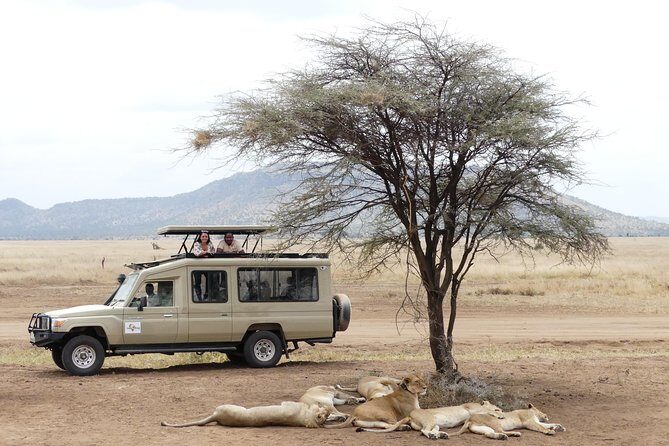
Your trip starts in Arusha, where a Lion King representative meets you and gets you to your accommodation. Arrival time matters here. If you land early enough, you’ll have time to rest, get organized, and take care of anything you forgot.
Most days follow a similar rhythm: early briefing, then game drives or park time, with meals built in. You’ll be in a private safari vehicle the whole way, which helps a lot when you want to spend time with wildlife instead of waiting for other cars.
You also get practical extras that reduce friction on safari. Bottled water is included, and coffee and/or tea show up during the day. That sounds small until you’re watching wildlife for hours and don’t want to keep thinking about logistics.
You can also read our reviews of more private tours in Arusha

Tarangire National Park: Elephants, Giraffes, and the Dry-Season “River of Warhogs”
Day 2 is your first real park day: Tarangire National Park. You’ll drive from Arusha after breakfast, and the transit takes about two and a half hours on good tarmac roads. The timing is efficient, and the route helps you ease into safari mode instead of feeling like you dropped straight into chaos.
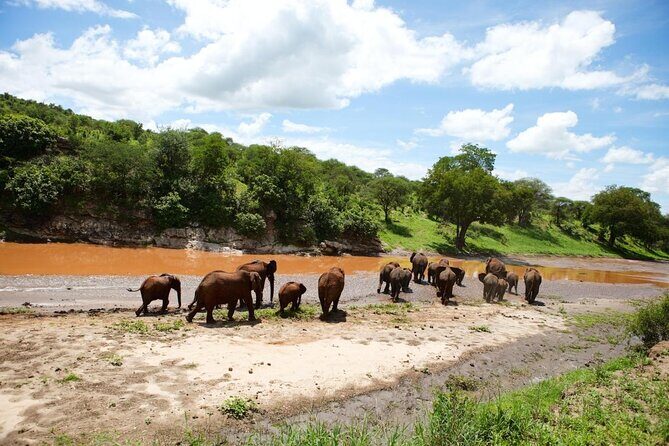
Tarangire is known for the Tarangire River, which keeps the park alive during the dry season. That’s why elephants often gather near the water, and why you’re more likely to see family groups instead of random solo animals. If you like predictable wildlife hotspots, this is a great place to start.
Expect a mix of large and medium mammals. You might see giraffes, bushbuck, and hartebeest, along with predators such as lions and leopards. Even the birdlife gets a mention for being strong in Tarangire, especially compared to other areas you’ll see later.
The main drawback of Tarangire is the same thing that makes it great: wildlife concentrates around limited water. If you’re hoping for constant variety in every direction, it can feel a bit like you’re waiting your turn at the best viewing spots.
Ngorongoro Conservation Area Crater View on the Way to Serengeti
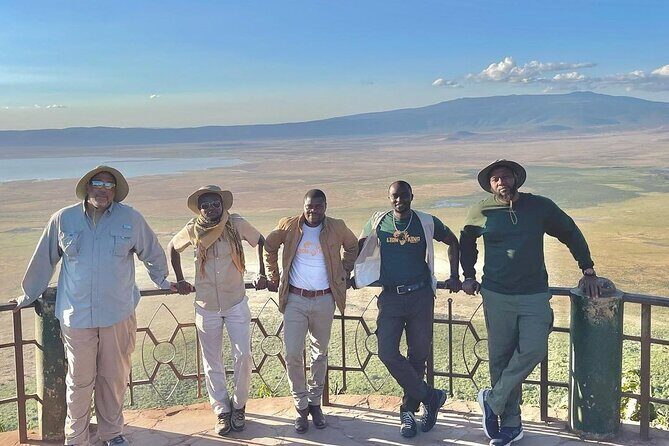
On Day 3, you’re moving toward the Serengeti, but you don’t lose the scenery in-between. You head through the Ngorongoro Conservation Area, and there’s a chance to stop and see the crater from the viewpoint area before continuing into the Serengeti from the south.
This is a smart day structure because it breaks up the travel. You get that jaw-dropping volcanic geography moment before you settle into the open grasslands that make the Serengeti famous.
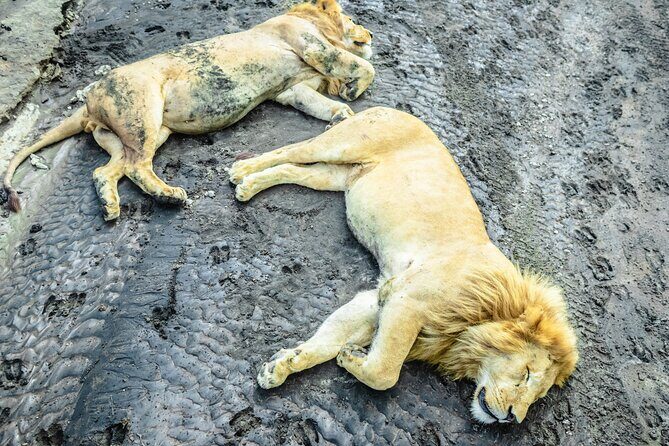
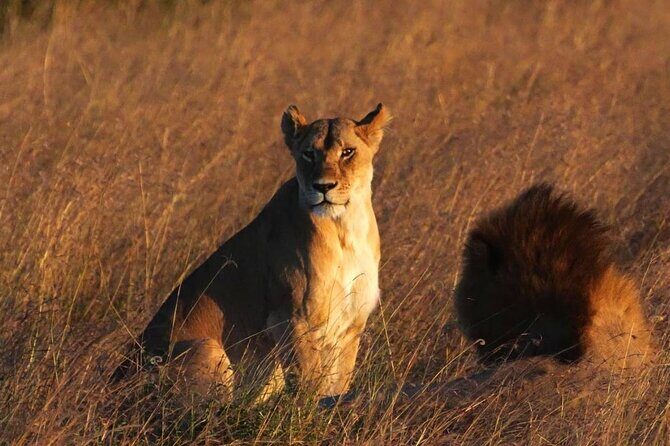
Once you’re in the Serengeti, the wildlife story shifts. You’re in a huge open area with plenty of room for animals to spread out. You might see impalas and buffalo, plus hippos and crocodiles when conditions and water points line up. Predators like lions, cheetahs, and leopards are on the table too.
You end the day by driving to your accommodation in time for dinner. The “cooler regions” comment matters: the crater rim area is often cooler, which can make morning and late-afternoon game drives more comfortable.
One note: this day is part transit, part wildlife. If you hate driving days, ask your guide to prioritize your best wildlife time in the Serengeti portion and keep viewpoint stops efficient.
Two Serengeti Game-Drive Days: Flexible Timing, Real Predator Odds
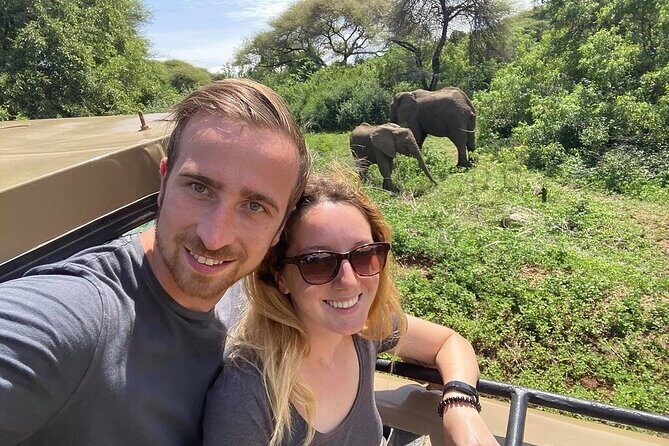
Day 4 is a full day in Serengeti National Park, and it’s set up to give you options. You can do early-morning and late-afternoon drives, returning to camp for lunch. Or you can do a long full-day drive with a picnic lunch inside the park.
In plain terms, that choice affects how many hours you’re awake with your eyes scanning. Early and late drives often line up with more active animals, especially predators. A full-day drive can be great if you’d rather not “reset” and want more continuous time in the vehicle.
The key benefit here is that Serengeti is famous for the scale of its habitat. You’re not stuck in one small area. That means when your guide finds a cluster—herds, predators, or both—you get to linger and watch behavior change instead of just taking one quick photo.
This is also the day where you’ll see why many people get excited about guide spotting. Past guests mention guides who could find animals from far away and maneuver the vehicle so you weren’t just watching from a distance. If you’re the type who wants those “we’re right there” moments, this is your best day for it.
After the game drives, you return for relaxation, dinner, and overnight sleep at The Endless Plain (as noted in the itinerary plan).
Ngorongoro Crater Descent: Where the Rhino Story Gets Real
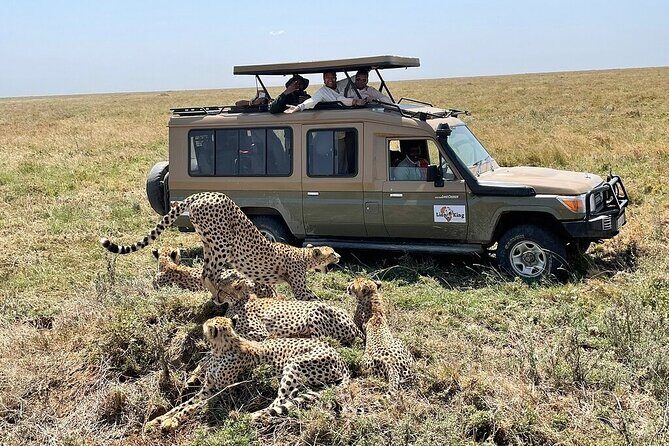
Day 5 is the showpiece afternoon: Ngorongoro Crater. You’ll travel from the Serengeti area toward the crater after breakfast, with scenic stops along the way. The drive sets the stage—this is one of those places where the geometry of the world changes and you feel the scale immediately.
Ngorongoro Crater formed when a massive volcano exploded and collapsed millions of years ago. Inside the crater, you get a sealed-off wilderness with steep volcanic walls and a wide range of habitats: savannah, acacia woodlands, lakes, and swamps.
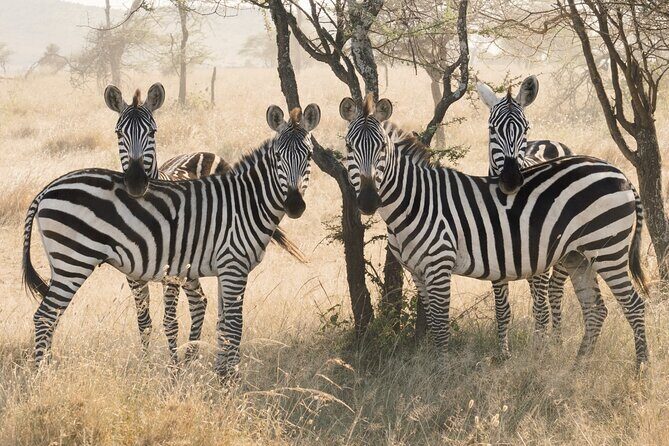
Wildlife concentrations can be intense. You’ll likely see herds of wildebeest, zebra, and gazelle, and there are over 500 bird species recorded in the area. That bird density matters if you like more than just mammals.
The big reason people care is the chance to spot the endangered black rhino. Even if you don’t get it, you’ll still be in a high-value setting for spotting many other species close together.
After crater time, you drive to accommodation in Karatu for dinner and overnight. Karatu is a useful base because it keeps the crater day from becoming too long and gives you a place to decompress afterward.
A few more Arusha tours and experiences worth a look



Lake Manyara National Park: Birds, Baboons, and Tree-Climbing Lions
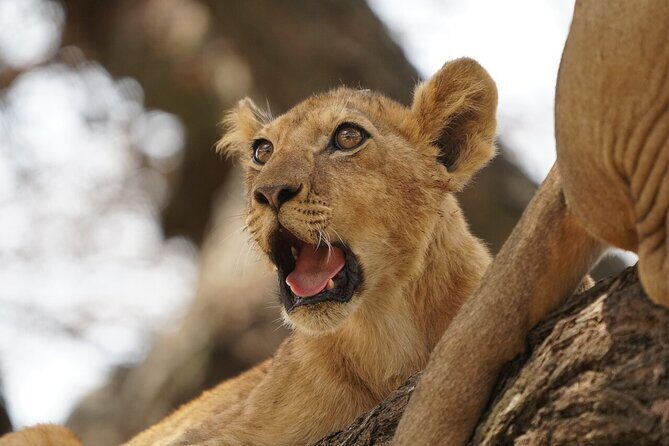
Day 6 closes with Lake Manyara National Park. You’ll drive to Manyara, which is about 120 km west of Arusha. This park is compact compared to the others, but it’s diverse in how it looks and feels.
The Rift Escarpment towers over the park, while Lake Manyara itself takes up a lot of the attention. The shallow soda lake attracts thousands of wading birds, including flamingos, plus more than 500 other species. If you like photography, this is one of your best “color” days.
Then there’s the forest element. Thick evergreen areas hold baboons and elephants, and the park is known for tree-climbing lions. Not every trip gets that sight, but it’s a real reputation and worth watching for.
Lunch is a picnic inside the park, followed by a game drive. Then you’re dropped off at your preferred location such as Arusha or either of the airports listed in the plan. That matters if you’re planning onward travel, since you don’t have to go back into a different town center unless you want to.
Price and Value: What $2,685 Gets You (and What It Doesn’t)
At $2,685 per person, this is not a budget safari. But it’s also not the top-end price tier, and the “mid-range lodges” idea makes sense only if the included value is real.
Here’s what’s included:
- 5 nights accommodation
- National park fees
- A professional guide
- Private vehicle transport
- Bottled water
- Coffee and/or tea
- Meals: breakfasts (6), lunches (5), dinners (5)
- The itinerary notes dinner and breakfast counts across the days, which lines up with a full-board flow.
What’s not included:
- Alcoholic drinks (purchased separately)
So where’s the value? It’s in the combo of private guiding + park fees + full-board. On a lot of safari options, those “small adds up” costs can sneak in fast. Here, you can plan your spending with less guesswork.
The other value piece is the time you get in the parks. Tarangire, two Serengeti days, Ngorongoro, and Lake Manyara is a lot for 6 days. You’re not spending every waking hour stuck on the road.
If you’re comparing costs, the most practical question is this: do you want a driver-guide and vehicle that stays with you, or do you want to save money by sharing logistics? If you want control and less waiting around, private is usually worth it.
Guides and Spotting Skills: Why Names Keep Coming Up
One of the most consistent themes in the feedback is that the guide isn’t just driving. Guides like Mecky, Macha, Leonard, Gilbert, Goodluck, Luther, Fred, Joffre, Shafino, and Immanuel show up in the stories for a reason: strong eyes and smart decisions.
What you should take from that is simple. On safari, your odds improve when someone finds animals early and positions the vehicle so you can actually see what you came for. One review even mentions getting close enough to animals—often within tens of feet—so you’re not just staring at distant dots.
Another practical point from reviews: guides are described as flexible and responsive. That matters because wildlife doesn’t follow calendars. If you want your itinerary to feel alive, not robotic, choose a company with guides who can adjust.
There’s also a softer detail that shows up in feedback: care around how meals are handled. One guest liked the use of reusable utensils instead of disposable items for lunch. That won’t replace good driving skills, but it does suggest the operator thinks about impact and everyday comfort.
Comfort Level: Mid-Range Lodges With a Full-Board Flow
The lodging plan is described as mid-range, and the key is that you’re not stuck eating in town between parks. You sleep at different bases across the route: Arusha first, then the Serengeti base, and Karatu after the crater day.
Mid-range on safari usually means a balance: you get decent rooms and solid meals without paying for luxury extras you won’t use much anyway. On days when you’re out early and back late, that matters more than “cool design.”
One comfort bonus is the camp rhythm. You’re returning for dinner and overnight after drives, so you’re not constantly figuring out where to shower, charge devices, and eat.
Who Should Book This Safari Plan
I’d point you toward this tour if:
- You want a private safari without paying for a top-end lodge ladder.
- You care about seeing multiple major parks in one trip: Tarangire, Serengeti, Ngorongoro, and Lake Manyara.
- You like the idea of full-board days so you can focus on wildlife.
This is also a good fit for couples, friends traveling together, and people who want their own schedule. Even groups are handled privately—some reviews mention groups splitting into separate jeeps—so you’re less likely to feel like you’re sharing a life with strangers for 6 days.
If you hate long car time or you want a very slow pace with lots of downtime, you might find the daily drives and early starts tiring.
Should You Book This 6-Day Tarangire Manyara Crater and Serengeti Safari?
If your goal is to hit Tanzania’s big names—Serengeti and Ngorongoro—and still keep your budget in a mid-range zone, I think this is a smart pick. The itinerary is built for varied ecosystems, and the guide focus matters because your real “win” on safari is turning sightings into time well spent.
Book it if you:
- Want private guiding and a vehicle that stays with you
- Like full-board planning
- Are okay with a packed, wildlife-driven schedule
Skip it only if you want a relaxed vacation pace or you’re chasing a very specific animal guarantee. No one can promise a black rhino sighting, even though the crater is one of the best places for it.
FAQ
What parks are included on this 6-day safari?
The route covers Tarangire National Park, Serengeti National Park, Ngorongoro Crater (Ngorongoro Conservation Area), and Lake Manyara National Park.
Is this safari private?
Yes. It’s described as a private tour/activity, with only your group participating.
What’s included in the price?
The plan includes 5 nights accommodation, national park fees, bottled water, a professional guide, transport by private vehicle, coffee and/or tea, plus breakfast, lunch, and dinner (breakfast 6 times, lunch 5 times, dinner 5 times).
Are meals covered every day?
You’ll have breakfast on 6 days, lunch on 5 days, and dinner on 5 days, based on the inclusions listed for the itinerary.
Does the tour include UNESCO sites?
Yes. The plan states it includes two UNESCO World Heritage sites, tied to Serengeti and Ngorongoro.
What about pickup and drop-off?
Pickup starts at Mount Meru Hotel in Arusha (meeting point listed). The tour ends back at the same meeting point, and Day 6 notes you can be dropped at a preferred location such as Arusha or one of the listed airports.
Is alcohol included?
No. Alcoholic drinks are available to purchase, but they’re not included.
Is the booking refundable?
It’s non-refundable and cannot be changed for any reason, according to the cancellation policy provided.