REVIEW · ARUSHA
3-Day Tarangire, Ngorongoro & Manyara Best Tour & Safari
Book on Viator →Operated by Budget Safaris Tanzania · Bookable on Viator
A proper safari starts early—and this one starts at 7:00 am. You get a tight 3-day loop built around three wildlife-heavy stops: Tarangire National Park, a crater game drive in Ngorongoro, and Lake Manyara for big bird energy (and a chance at tree-climbing lions). I like that it’s set up as a multi-day camping excursion with all park fees handled, so you spend less time worrying about logistics and more time watching for movement in the grass.
I also really appreciate the human touches that make bush meals and downtime easier. In past experiences with this operator, the communication (including Gilbert) was clear, and the guide team showed up with practical extras like table-and-chairs style picnic comfort and even fresh coffee during a packed-breakfast stop. The main drawback to consider is that this is real camping and a rugged route: you’ll be in the vehicle for a lot of the day, and the schedule is start-early to make the most of wildlife viewing.
In This Review
- Key highlights at a glance
- Small-Group Camping Safari From Arusha: What the 7:00 am Start Means
- Day 1 Tarangire National Park: Elephants, Plains Crossings, and Picnic Lunch
- Nights on the Campsite: Sleeping Comfort Without the Planning Headache
- Day 2 Ngorongoro Crater: The Big Five Region and the Morning Descent
- Day 3 Lake Manyara: Birdlife, Game Drive Timing, and Tree-Climbing Lion Hopes
- Guides, Transport, and the Little Things You’ll Feel on Safari
- Price and Value: Is $960.71 Reasonable for Three Parks?
- Who This Safari Fits Best (and Who May Want Another Style)
- Should You Book This 3-Day Tarangire, Ngorongoro & Manyara Safari?
- FAQ
- What time does the safari start?
- How many travelers are on this tour?
- Where do you pick up from?
- Are camping accommodations included?
- What parks are included in the 3 days?
- Are park fees included?
- What languages can the driver/guide speak?
- Can I cancel for a full refund?
Key highlights at a glance
- Small group (max 4 travelers): more control of the pace and fewer people jostling for window spots.
- Three game drives: Tarangire, Ngorongoro Crater, and Lake Manyara are built into the 3 days.
- All park fees + taxes included: fewer surprise add-ons once you arrive in Tanzania.
- Camping setup included: sleeping arrangements and camping equipment are part of the deal.
- Experienced driver/guide in multiple languages: English, Spanish, or French depending on your group.
Small-Group Camping Safari From Arusha: What the 7:00 am Start Means
This tour runs as a 3-day, camping-style safari based out of the Arusha area. Pickup is offered from your hotel or the airport, and the stated start time is 7:00 am, which is right in that sweet spot for wildlife: animals are often moving more actively earlier in the day.
The small-group limit matters more than people think. With up to 4 travelers, the vehicle planning is calmer, stops can be timed more flexibly, and your guide can work the viewing spots without turning every pause into a crowd-control problem. If you hate being herded, this setup is a plus.
Also, you’re not expected to manage the boring stuff alone. The tour description includes all transportation, drinking water all day, and all Park fees. That means your day isn’t disrupted by last-minute money questions or entry delays.
A few more Arusha tours and experiences worth a look
Day 1 Tarangire National Park: Elephants, Plains Crossings, and Picnic Lunch
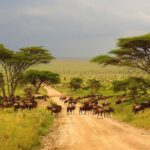
Day 1 is all about getting into Tarangire National Park and settling into safari mode fast. You’ll drive north from Arusha, crossing the Masai plains along the way, before you reach the park itself. Tarangire is known for animals you can track easily because the ecosystem supports steady herds.
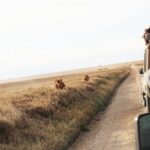
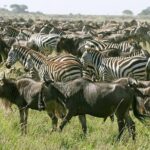
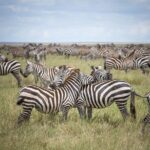
Inside the park, the itinerary calls out zebras, buffalo, gazelle, eland, and oryx. The star of the show is the high concentration of elephants, and this is one of those places where you often feel like the landscape is designed for long, slow scanning. Your game viewing drive is built into the day, so you’re not just passing through—you’re meant to look.
For lunch, you’ll have a packed lunch served at a special picnic site. That detail matters. A real safari lunch stop helps you reset your legs and refocus your eyes after hours on bumpy roads. In a few examples of how this operator runs things, the team has added comfort touches like bringing table and chairs, plus fresh coffee prepared on the spot during bush breaks. It’s not essential, but it’s the sort of thing that makes a difference when you’re away from normal restaurants.
In the late afternoon, the drive continues out of Tarangire. The itinerary specifically mentions splendid views of the Great Rift Valley wall, then you head toward the Ngorongoro Highlands. Dinner and overnight are planned at Figi big tree Lodge & Campsite.
What to watch for on Day 1: elephants close to the roadside, plus the small stuff that signals where bigger herds will show up. When you see signs of feeding activity—tracks, disturbed ground, or groups milling—you can often get better viewing by slowing down with your guide and letting the animals do the work.
Nights on the Campsite: Sleeping Comfort Without the Planning Headache
This safari is a camping experience, and that shapes everything: timing, how you pack your energy, and what “comfort” means. The tour description includes all camping equipment, and it also mentions all-inclusive sleeping arrangements at Sunbright Campsite. The itinerary’s overnight is listed at Figi big tree Lodge & Campsite, so expect camping-style lodging with organized setup.
Here’s what I like about that for most people: you don’t need to source gear or figure out where you’ll be sleeping each night. That reduces the usual Tanzania safari stress of wondering whether you brought the right items, or whether your guide will have to improvise.
If you’re the type who needs hotel-level quiet and soft beds to function, this may feel rougher than you want. But if you’re okay with the idea that you’re sleeping near the action and trading luxury for access, the camping nights are part of the authentic safari rhythm.
One practical point: because your days include early starts and game drives, your campsite night isn’t about entertainment. It’s about recovering. The itinerary structure is designed for that, with dinners planned each evening and no extra activities listed after the return drives.
Day 2 Ngorongoro Crater: The Big Five Region and the Morning Descent
Day 2 is where the safari gets dramatic. After an early breakfast, you drive to the Ngorongoro Conservation Area and then descend into Ngorongoro Crater for a game viewing drive.
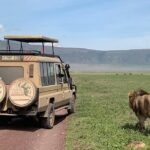
Ngorongoro is famous for density—meaning the chance of seeing something notable tends to be better than in some more spread-out areas. The itinerary calls out the Big 5 in the crater: elephant, rhino, buffalo, lion, and cheetah. You should treat that as the potential lineup, not a guarantee. Still, it’s an impressive set of animals to build your morning around.
The packed lunch on Day 2 is served by the Crater. That detail is helpful because it keeps you from losing prime crater viewing time to long meal detours. Once you’re down in the crater, the whole day is about patient scanning and positioning.
Late afternoon you’ll ascend the crater and head back to your campsite for dinner and overnight again at Figi big tree Lodge & Campsite. That timing is smart. The crater can be a hot or viewing-sensitive environment, and early-to-midday viewing often gives you more consistent animal movement.
A small, real-world tip from how these safaris are run: when you stop near animals, pay attention to the group behavior and your guide’s instructions. One comment noted that radio use during animal stops should be managed, so you can ask your guide to keep chatter low if you want the calm, wildlife-focused feel. Even if you don’t ask, a good guide will control the situation so everyone can watch.
Day 3 Lake Manyara: Birdlife, Game Drive Timing, and Tree-Climbing Lion Hopes
Day 3 starts with breakfast, then you drive out of Ngorongoro with views of the Great Rift Valley and continue to Lake Manyara National Park. Lake Manyara is a different kind of wildlife day compared with Tarangire and Ngorongoro.
The itinerary puts emphasis on the lake’s birdlife. That’s the kind of detail that makes Lake Manyara worth it even if you’re not chasing one single animal. When a park is strong on birds, it often means you’ll have more chances to spot movement high in trees and along shorelines, not only mammals in open grass.
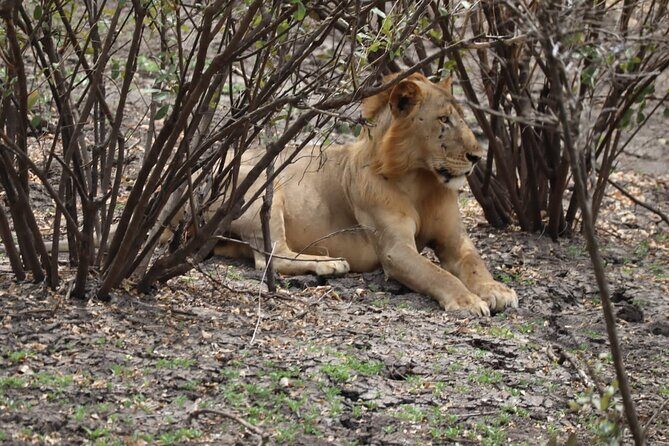
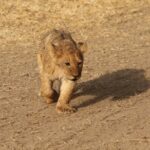
You’ll also do a game drive in the park. The description includes a special hope: with luck, you might see tree-climbing lions. That’s a classic Manyara story. Even without that, the park is still built for wildlife viewing, and your guide’s eyes usually matter more than your expectations.
Late afternoon, you’ll drive back to Arusha City. That final return is the practical trade-off for a 3-day trip: you squeeze in three major regions and still get back before the trip becomes exhausting.
A few more Arusha tours and experiences worth a look
Guides, Transport, and the Little Things You’ll Feel on Safari
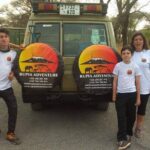
The tour includes a professional driver/guide, and the language options listed are English, Spanish, and French. The exact language you get depends on the guide assigned to your group, but at least you know it’s planned, not improvised.
The names matter here because they hint at professionalism. One account highlighted clear communication with Gilbert during planning, and then an amazing driver experience with Lucas during the trip. Those details matter because a safari lives or dies on driving skill and calm judgment—especially when you’re working around crowds, road conditions, and wildlife timing.
A few “small but real” comforts show up in the way meals are handled. The operator has been known to bring extra items like table and chairs, and to prepare fresh coffee when you stop for bush breakfast. That sounds minor until you’re actually trying to eat something while surrounded by dust, uneven ground, and the excitement of animals moving nearby. These touches can help you enjoy the day without rushing.
Finally, the inclusions cover the core transport needs. All transportation is included, along with drinking water all day. That’s a big deal on longer drives because it keeps you from scrambling for water during the day.
Price and Value: Is $960.71 Reasonable for Three Parks?
At $960.71 per person for an approximately 3-day safari, you’re paying for access to three major parks plus the logistics that usually cost you time (and often extra money) if you plan independently.
Here’s what makes the value math easier: the tour price includes all Park fees, camping equipment, all taxes/VAT, all transportation, and drinking water all day. It also includes a professional driver/guide and arranged meals via packed lunch stops and evening dinners (as described in the daily flow). When so many of the biggest expenses are bundled, the trip tends to feel smoother once you’re already on the ground.
What’s not included is also clear: visa, travel insurance, international flights, and personal items. So you should treat the tour price as a core safari package, not a full trip-from-home bundle.
If you like clarity, this package gives it. There’s a listed maximum of 4 travelers, defined park coverage, and specified start time. That kind of structure usually leads to less day-of confusion.
Who This Safari Fits Best (and Who May Want Another Style)
This safari is best for you if you want a focused wildlife route without a big tour group. If you’re okay with camping nights and want your viewing days packed efficiently, this 3-day plan hits the major highlights of Tanzania’s northern circuit.
It’s also a good match if you care about language support. With guides who can operate in English, Spanish, or French, you’re not stuck in a situation where explanations get lost.
On the other hand, if you need hotel-level comfort every night or you dislike early starts, this might feel too rugged for your preferences. Camping and long drives are not hidden in the fine print—they’re the core style of the safari.
And one more honest consideration: wildlife viewing is always chance-influenced. The itinerary highlights animals that are present, and Ngorongoro’s Big 5 reputation is real, but your exact sightings depend on timing and animal movement.
Should You Book This 3-Day Tarangire, Ngorongoro & Manyara Safari?
I’d book this tour if you want three park experiences in a short window and you prefer a small group with organized camp logistics. The combination of Tarangire elephants, a crater game drive in Ngorongoro, and Lake Manyara birdlife gives you variety, not just a single-note safari.
Skip it if you’re chasing pure luxury or you know you struggle with camping nights and early mornings. In that case, look for a different safari style with higher comfort standards.
Before you commit, use this quick checklist:
- You’re okay with camping-style lodging and being on the road most of the day.
- You want three wildlife days without planning park logistics yourself.
- You’re comfortable treating some sightings as possibilities, not guarantees.
- You’ll plan for what’s not included (visa, insurance, personal items, and international flights).
If those boxes match your travel style, this is a strong, value-focused way to see some of Tanzania’s most iconic wildlife areas in just 3 days.
FAQ
What time does the safari start?
The start time is listed as 7:00 am.
How many travelers are on this tour?
The tour description states a maximum of 4 travelers.
Where do you pick up from?
Pickup is offered from your hotel or from the airport.
Are camping accommodations included?
Yes. The tour includes all camping equipment and sleeping arrangements are provided at the campsite/lodge listed in the itinerary.
What parks are included in the 3 days?
You visit Tarangire National Park, Ngorongoro Crater via the Ngorongoro Conservation Area, and Lake Manyara National Park.
Are park fees included?
Yes. The tour includes all Park fees and all taxes/VAT.
What languages can the driver/guide speak?
The professional driver/guide can speak English, Spanish, or French.
Can I cancel for a full refund?
Yes. You can cancel up to 24 hours in advance for a full refund.