REVIEW · ARUSHA
3 Days Small Group Safari to Serengeti NP and Ngorongoro Crater Tour in Tanzania
Book on Viator →Operated by Travel Africa Safari Agency · Bookable on Viator
Three days in Tanzania can feel like a sprint. This small-group safari packs Serengeti’s endless plains and hippo habitat with a Ngorongoro Crater descent, plus camping gear and meals so you can focus on the wildlife. I especially like the personal attention of a max 6-person group and the included meals that keep the day moving without constant stops. One thing to consider: camping style can be basic, and at least one prior guest reported rough conditions during the Serengeti portion (no shower, dim lighting, and very dirty quarters).
You’ll start early in Arusha, drive deep into the park area, and spend nights camping near the crater zone. The upside is obvious: you’re positioned for prime viewing. The only downside is logistics are real. Expect long drives and early wake-up calls, and plan to pack smart for comfort in the bush.
In This Review
- Key highlights to look forward to
- Why this 3-day Serengeti and Ngorongoro camping combo makes sense
- Day 1: Serengeti South, Seronera Valley, and a hippo habitat stop
- What to watch for on Day 1
- Day 2: Serengeti half-day drive, then Ngorongoro Conservation Area and Simba Campsite
- A realism note about Ngorongoro
- Simba Campsite night: camping comfort vs. camping reality
- Day 3: 7:00 am breakfast, crater rim descent, and a 19:00 return to Arusha
- Price and value: is $815 fair for this Serengeti and Ngorongoro route?
- Who should book this tour, and who might want a different style
- What to pack and how to act on game drives (so you see more)
- Should you book this 3-day Serengeti and Ngorongoro camping safari?
- FAQ
- What does the tour include in the price?
- How many people are in the small group?
- What is the daily schedule like?
- Where does the safari start and end?
- Do you visit Ngorongoro Crater and descend into it?
- Is camping equipment provided?
- What is not included besides the listed inclusions?
Key highlights to look forward to
- Max 6 people: you get easier conversations with your driver-guide and more flexible game-drive pace.
- Meals included: breakfasts, lunches, and dinners are built into the price, so you’re not hunting food all day.
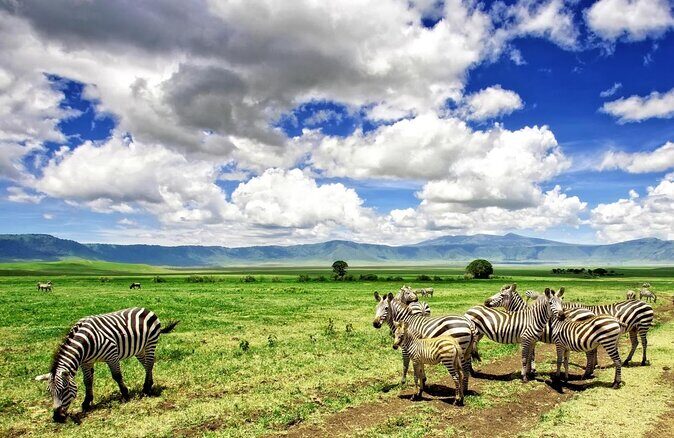
- Serengeti plains + kopjes: acacia-dotted areas and rocky outcrops create predator spotting opportunities.
- Ngorongoro Crater descent: you go down the crater rim for a long half-day safari with picnic lunch.
- Wildlife targets: elephants, hippos, and even black rhino are part of the planning, with sightings varying by season.
- Camping gear included: the practical stuff is handled, even if comfort levels can differ.
Why this 3-day Serengeti and Ngorongoro camping combo makes sense
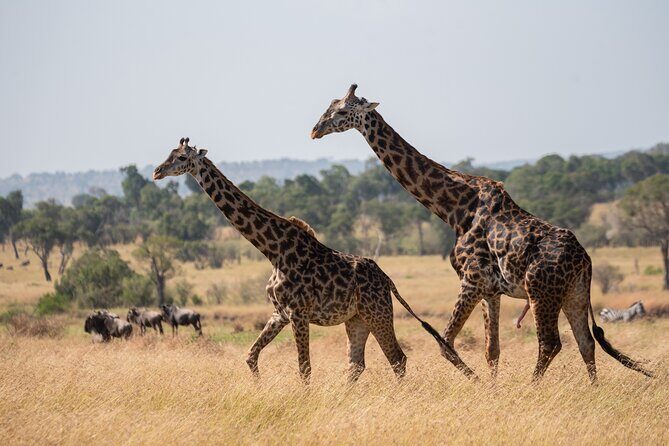
If you only have a few days, this route is a smart way to see two of Tanzania’s biggest icons without living on the road for a week. Serengeti gives you the sweeping savannah vibe—open country where herds move and predators wait. Then Ngorongoro flips the script: a crater “world” with dense wildlife and dramatic geological features.
What really sells this tour is the balance between time and structure. You’re not just being driven from A to B. You’re doing multiple game drives, including an early-day crater run on Day 3. And because it’s small group, your guide can keep track of what you care about, whether that’s big cats, elephants, or getting answers during quiet stretches.
The other practical win: park fees and meals are included. In safari travel, those add-ons can quietly inflate the total cost. Here, you can judge the price more cleanly because the big spending buckets are already covered.
A few more Arusha tours and experiences worth a look
Day 1: Serengeti South, Seronera Valley, and a hippo habitat stop
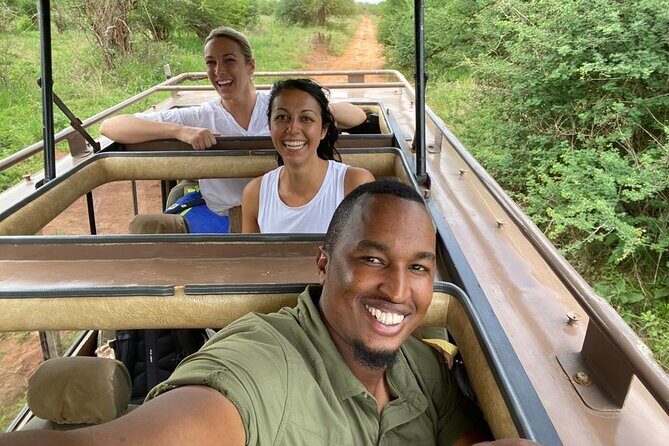
Your day starts at 7:00 am in Arusha, with pickup from Arusha Tourist Inn. Then it’s a long but straightforward drive—about 6 hours over roughly 335 km—toward the south part of Serengeti via the Ngorongoro gate.
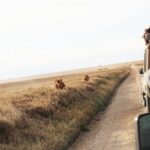
When you enter the park area, you’ll focus on the southern/central regions and the Seronera Valley route. This is classic Serengeti territory: big visibility, grassland grazing, and predators that can work the edges. The guide’s job here matters. In open savannah, the difference between a good drive and a great drive is how well someone reads the terrain—where herds are moving, which kopjes look active, and where birds and smaller mammals suggest something bigger nearby.
A key scenery feature you’ll hear about is the kopjes. These rocky, acacia-dotted outcrops sit like islands in the plains. They’re more than scenery; they’re practical wildlife landmarks. Predators often use them to spot prey, while smaller animals like hyrax and reptiles can find shelter in their rock nooks. Even if a lion isn’t in view, kopjes often tell you where the action might be later.
Also, the tour plan includes a hippo habitat visit. That’s a nice change of pace from the “hunt zone” feeling of the plains. If you’re new to safari, hippos can be a great first lesson in how Serengeti animals share space—especially around water and feeding areas.
What to watch for on Day 1
- Early light and steady herd movement. If you can stay alert, you’ll learn quickly how the ecosystem moves.
- Predator patience. Lions and leopards aren’t always “on schedule,” so your best chance is a guide who’s willing to reposition and wait.
Day 2: Serengeti half-day drive, then Ngorongoro Conservation Area and Simba Campsite
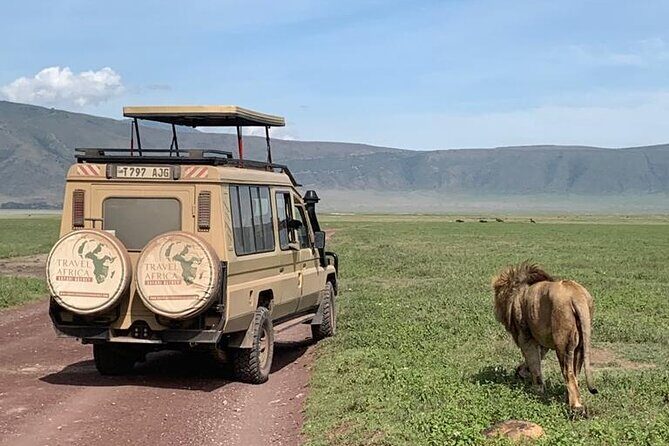
Day 2 starts with a lunch box for a half-day game drive in Serengeti. The idea is simple: you squeeze in more wildlife time before transitioning to Ngorongoro. That matters because Ngorongoro’s crater views and animal density can justify arriving with energy and daylight.
After that half day, you head to the Ngorongoro Conservation Area. The drive is part of the safari experience—scenery changes, and wildlife sightings can pop up en route. Then you check in at Simba Campsite for dinner and overnight.
The crater time comes next. The Ngorongoro area you’ll cover includes Moru Kopjes—these rock formations rising like islands. This is one of those places where geography turns into wildlife strategy. Kopjes can offer predators a high-visibility perch, and they create pockets of cover where animals cluster.
Wildlife themes you can expect in this crater session include:
- Elephants, including the idea of increasing matriarch herds in certain areas
- The possibility of rare black rhino (a big target, even though sightings are never guaranteed)
- “Gong rock” and areas where animals climb and play
- Maasai cave paintings—depictions tied to elephants, shields, and abstract patterns
Even if you’re not a hardcore geology person, the crater setting has a built-in “wow” factor. And it’s not just for photos. The crater’s structure can concentrate animals, making it easier to see more species in fewer moving hours.
A realism note about Ngorongoro
Ngorongoro is famous for the chance at big sightings, and the tour information frames it as a rare place where you may see a big variety of big mammals in a single day. Still, you’re in the wild. Your best approach is to treat the day as a high-probability viewing window, not a guarantee.
A few more Arusha tours and experiences worth a look
Simba Campsite night: camping comfort vs. camping reality
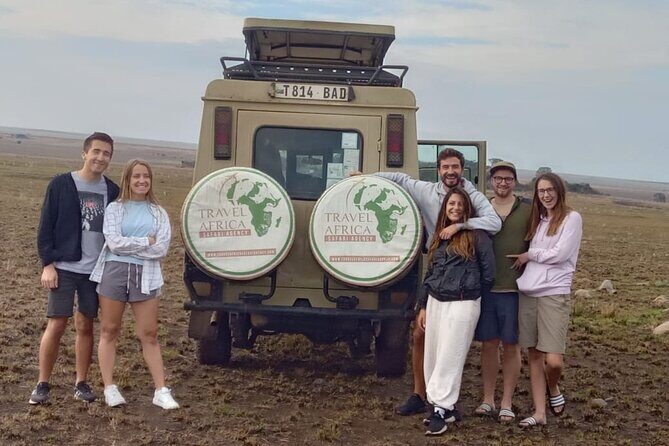
This tour includes all camping gear, which is a big deal if you don’t travel with your own tent setup. It also means you’re paying for the practical parts of camping rather than renting the gear yourself.
But camping is not the same thing as hotel comfort. One past guest called out very rough conditions during the Serengeti-side lodging: no shower, no lights, and a dirty feel. That’s a reminder to adjust expectations. You might get better conditions than that. You might also get something more basic than you’re used to.
So here’s how I’d prepare:
- Bring a headlamp or flashlight. Light is everything at night.
- Plan for simple wash routines. Water access and bathroom setup can be variable in remote areas.
- Pack a small set of “reset” items: wipes, a quick-dry towel, and a way to handle dust.
When the camp setup is decent, camping on safari feels like part of the show. When it’s not, you’ll still be happy if you remember why you came: the drives and crater viewing. The best mindset is flexible.
Day 3: 7:00 am breakfast, crater rim descent, and a 19:00 return to Arusha
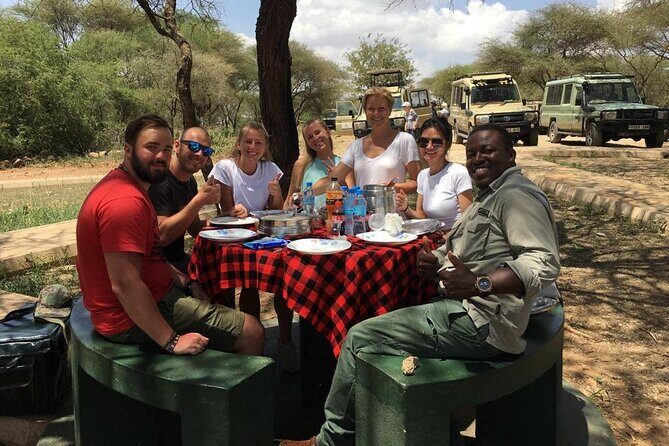
Day 3 slows down just enough to reset. Breakfast is at leisure at 7:00 am. Then you start the main crater moment at 9:00 am: descend the crater rim for a half-day tour that runs until about 3:00 pm, followed by picnic lunch.
This is where Ngorongoro becomes something you can’t fully substitute with other parks. The crater “secret garden” vibe comes from density: a lot of animals in a contained area, combined with dramatic geological features. You’ll get a chance to see a range of species, with an emphasis on:
- Hippo in the crater wetlands and water zones
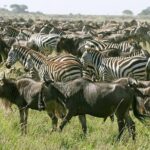
- Wildebeest and gazelle grazing patterns
- Jackals and foxes in smaller hunting roles
- Predators like leopard, and other cats depending on what’s active
- Buffalos, eland, and other ungulates
The tour info also notes some species are absent or rarely seen. That’s normal for ecosystems—don’t treat the list like a checklist. Use it as a guide for what your guide is likely to scan for.
At around 19:00, you drive back to Arusha town. That long evening return is common on shorter safari packages. You’ll probably feel it in your legs and neck—so don’t plan anything demanding after you get back.
Price and value: is $815 fair for this Serengeti and Ngorongoro route?
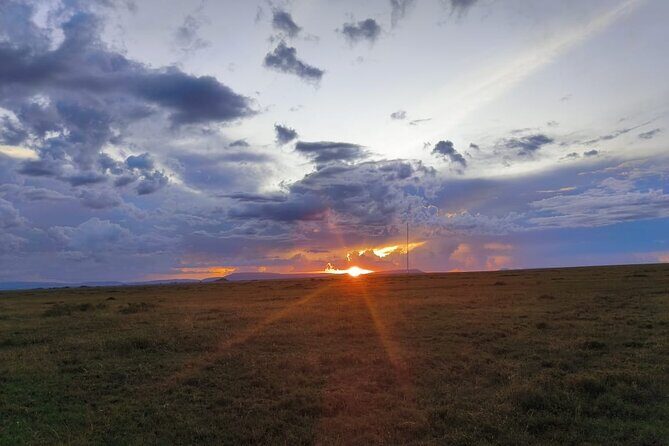
At $815 per person, this is positioned as a budget-conscious way to combine Serengeti and Ngorongoro with camping. The value math comes down to what’s included.
Here’s what you get that typically costs extra on safari add-on-heavy tours:
- All park fees
- A professional English-speaking driver-guide
- Meals: 2 breakfasts, 3 lunches, and 2 dinners
- All camping gear
- Pickup from your Arusha lodging area and return back to the meeting point
- Small group size, up to 6 people
What costs extra:
- Tips for the driver-guide and safari cook
- Travel insurance
So, is $815 reasonable? For a 3-day Serengeti + crater combo with camping and meals included, yes. You’re paying for entry into big-name regions plus the guiding and food logistics that make safaris actually work.
The main trade-off isn’t the animals. It’s the comfort level. Camping can be fantastic or very basic. If you go in with the right expectations, the price feels fair. If you want hotel-like comforts every night, you may find this style stressful.
Who should book this tour, and who might want a different style
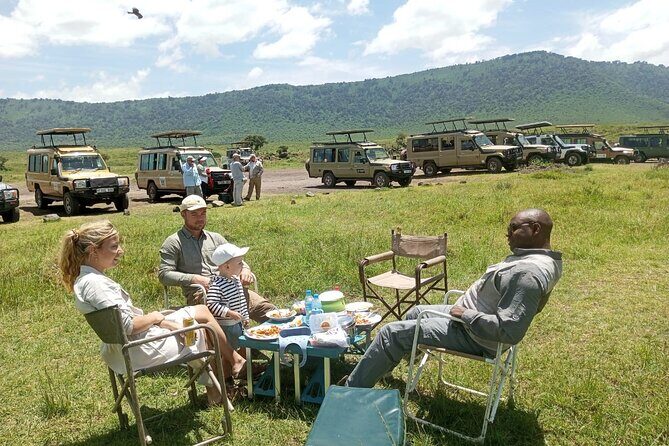
This is a strong fit if you:
- Want a short safari that still hits Serengeti and the Ngorongoro Crater
- Like camping or at least can tolerate basic accommodations
- Prefer a small group where your guide can answer questions and adjust the plan
- Appreciate a guide-led experience with wildlife explanations as you drive
You might consider a different option if:
- You need hot showers, bright lighting, and spotless rooms at night
- You’re easily thrown off by dust, limited facilities, and early mornings
One extra point: guides matter. Names like Omary and George show up as favorites, described as friendly and working hard to make sure people see the wildlife they care about. That kind of guide effort is a real quality marker on safari.
What to pack and how to act on game drives (so you see more)
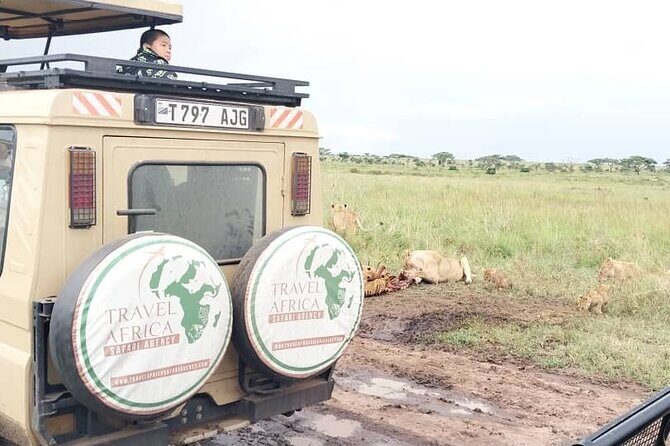
Safari rewards preparation. Not because you can control the animals. Because you can control your attention.
Practical packing ideas (based on what typically matters for this type of itinerary):
- Comfortable long pants and closed shoes for walking near camp and on crater viewpoints
- A light layer for early starts and cooler air near dawn
- Sun protection, because you’ll be in open savannah and crater edges for long hours
- A headlamp for camp nights
On the driving days, the best habit is simple: stay ready to look up and scan. Kopjes, river edges, and water holes are where you’ll spot the story—especially in Serengeti and Ngorongoro. Your guide is doing the driving and spotting. You’re doing the noticing.
Also, keep your questions coming. This is the kind of tour where your guide’s explanations can make the scenery click—why predators wait in certain pockets, why herds bunch in some areas, and how crater geography shapes animal movement.
Should you book this 3-day Serengeti and Ngorongoro camping safari?
I’d book it if you want maximum Tanzania wildlife time in a short window, and you’re okay with camping realities. The included meals, park fees, and camping gear make it a good value, and the itinerary is built around real viewing opportunities—especially the crater descent on Day 3.
I’d hesitate if you’re very sensitive to accommodation standards. The only serious “red flag” here is that camping/lodging conditions can be rough for some people, even with gear provided. If you’re flexible, bring a headlamp, and accept basic comforts, you’re likely to walk away thrilled by the wildlife and the contrast between Serengeti plains and the Ngorongoro crater world.
FAQ
What does the tour include in the price?
The price includes all park fees, a professional English-speaking driver-guide, camping gear, and meals (2 breakfasts, 3 lunches, and 2 dinners). Pickup and return to the meeting point are also included.
How many people are in the small group?
This safari has a maximum of 6 travelers, which typically allows for more personal attention from your guide.
What is the daily schedule like?
You start around 7:00 am from Arusha on Day 1 and do game drives on Days 1 and 2. Day 3 includes a morning crater rim descent for about half a day, plus picnic lunch, with a late evening return to Arusha around 19:00.
Where does the safari start and end?
It starts at Arusha Tourist Inn (Arusha) and ends back at the meeting point.
Do you visit Ngorongoro Crater and descend into it?
Yes. On Day 3 you descend from the crater rim for a half-day tour.
Is camping equipment provided?
Yes. All camping gear is included in the tour.
What is not included besides the listed inclusions?
Tips for the driver-guide and safari cook and travel insurance are not included.