REVIEW · ARUSHA
6-Day Guided Tour in Machame Route Mt Kilimanjaro
Book on Viator →Operated by Climb Kili · Bookable on Viator
Kilimanjaro tests you, then rewards you. This 6-day guided Machame Route with Climb Kili starts in the rainforest and climbs through major altitude zones toward a sunrise summit goal, with a stated 98% summit success rate focus and a small group limit. If you like the idea of a classic route that builds gradually, then goes hard at the top, this one has a clear rhythm.
I especially like two things: the small group size (max 6), which keeps the climb feeling more personal, and the way the team sets up camp in advance, so you spend less energy on logistics and more on breathing and moving. The crew also runs a friendly, supportive vibe, with multiple guides and porters called out for how well they look after climbers, including solo travelers and families.
The main consideration is the effort level. The route includes a steep, midnight summit day and asks for a strong physical fitness level, so you’ll want to be honest with yourself about altitude fatigue and early mornings. Also, Day 1’s rainforest trail can be muddy and slippery, so bring what you need for traction and stability.
In This Review
- Quick hits before you book
- Why the Machame Route works: rainforest to arctic zones in a classic climb
- The Climb Kili team effect: support you feel, not just logistics
- Day 1: from Machame Gate into the rainforest to Machame Camp
- Day 2: Shira Camp and the moorland heather zone
- Day 3: Lava Tower acclimatization, Arrow Glacier, and Barranco Camp
- Day 4: Barranco Valley into the arctic approach via Karanga Camp
- Day 5: midnight summit push to Stella Point and Uhuru Peak, then Mweka Camp
- Day 6: walk down to Mweka Gate and the hotel reset
- Price and value: what $2,495 gets you on this Machame climb
- Who this climb fits best (and who should be cautious)
- Should you book this 6-day Machame route with Climb Kili?
- FAQ
- How long is the Machame route tour?
- Where do you meet, and when does the tour start?
- What’s the maximum group size?
- Is pickup included?
- Does the price include admission tickets?
- What fitness level do I need?
- Is free cancellation available?
Quick hits before you book
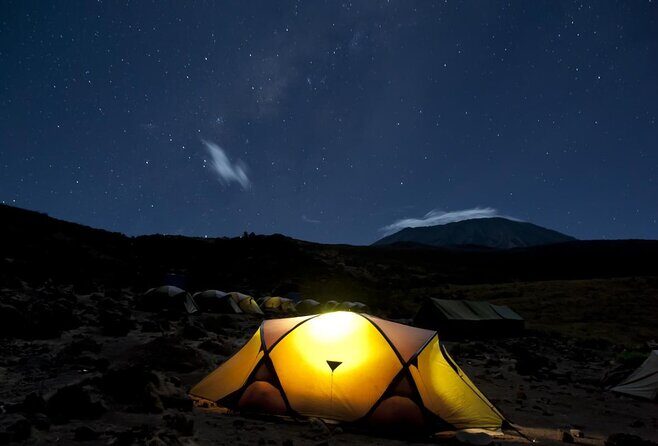
- Machame’s altitude progression: rainforest to moorland heather, then into colder zones as you gain height.
- Acclimatization built in: you’ll get a Lava Tower trek before the big summit attempt.
- Small group limit: maximum of 6 travelers helps keep pacing, communication, and support tight.
- Camp comfort matters: many climbers highlight camp being set up before arrival.
- Sunrise summit goal: midnight start to reach Stella Point for sunrise, then continue toward Uhuru Peak.
- Premium, but specific inclusions: admission tickets are included, plus pickup is offered.
Why the Machame Route works: rainforest to arctic zones in a classic climb
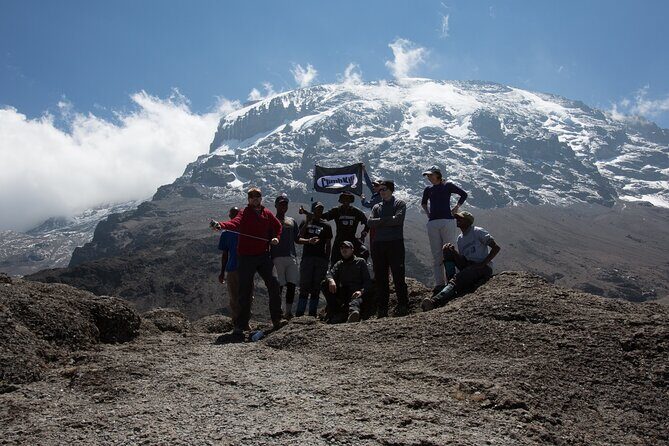
The Machame Route is one of those Kilimanjaro paths that feels like it’s teaching you the mountain as you go. You start in a dense rain forest, then the vegetation and trail change as altitude rises, until the air turns colder and drier. The tour description also frames the climb as moving through five climactic zones, which is exactly what makes this route so memorable.
What you get out of that progression is better decision-making on summit day. Instead of jumping into the cold right away, you earn it: you feel your body adjust, your pace becomes more consistent, and you learn how your breathing responds to altitude. Even if you’re new to big hikes, the route’s structure gives you a chance to settle into the climb before the steepest sections.
You can also read our reviews of more guided tours in Arusha
The Climb Kili team effect: support you feel, not just logistics
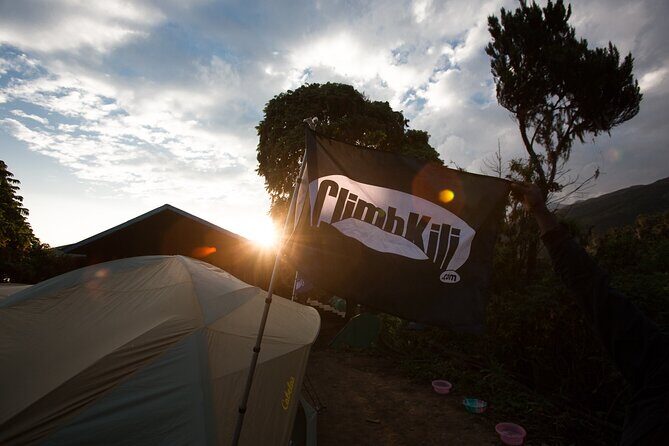
This is a guided climb capped at 6 travelers, which means you’re not stuck in a giant crowd. In practice, that kind of group size helps with pacing and troubleshooting—especially on days where the trail narrows or the altitude makes everything feel slower than it should.
The standout from repeated feedback is the crew quality and how present they are. Lead guides named in experiences include Mr. Goodluck and Herment, alongside support staff and porters like Amani, Gabby, Florian, Minja, Emanuel/Manny, and porter leadership such as Omary. The most common theme is that the team is organized enough to have camp ready when you arrive, plus warm enough that the climb feels human.
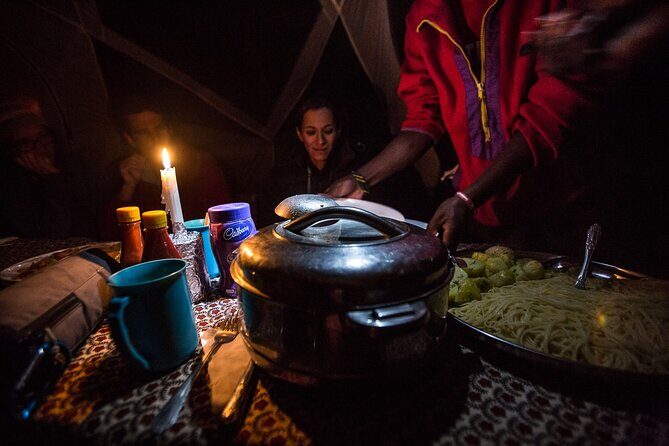
You’ll also want to take comfort in the food rhythm. Multiple experiences point to hot meals being provided—reported as three hot meals a day—and at least one highlight includes catering for vegetarian needs. That matters because good food is one of the simplest ways to keep energy steady when the air gets thin.
Day 1: from Machame Gate into the rainforest to Machame Camp
You start with a hotel breakfast, then you’re met by your mountain crew and transferred to Machame Gate. From there, you hike up a ridge through rainforest on a winding trail that can be muddy and slippery lower down. This is a good day to use trekking poles and gaiters, because traction is the difference between steady steps and constant slips.
The time and distance are substantial for Day 1—about 5 to 7 hours over roughly 6.8 miles—but it’s paced as a gradual climb. You’ll reach Machame Camp, where the tent is set up and your belongings are ready, which cuts down the end-of-day scramble. After dinner, you sleep at altitude—more reason to take the first day seriously, even if it feels calm at the start.
Day 2: Shira Camp and the moorland heather zone
Day 2 shifts from rainforest character into higher, more open terrain. After breakfast, the climb continues on an ascending path, crossing a small valley and moving along a steep rocky ridge. Then you enter moorland with heather coverage, and the route turns west onto a dry river gorge.
You’ll likely feel this day as a “new work” day for your legs. The itinerary lists around 4 to 6 hours, with a higher altitude goal at Shira Camp (around 12,500 ft / 3,810 m). The climb isn’t all about speed; it’s about staying smooth while the air starts to thin.
When you reach camp, you’re not just resting—you’re resetting your body for the acclimatization plan on Day 3. If you’ve ever rushed a mountain schedule, this is one of the days where a calm mindset pays off.
Day 3: Lava Tower acclimatization, Arrow Glacier, and Barranco Camp
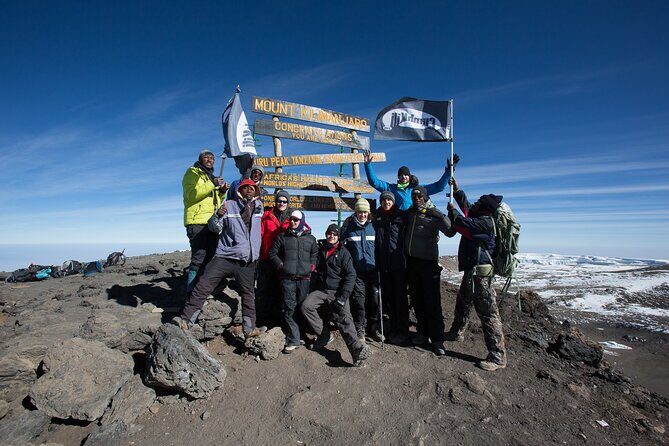
This is where your climb starts to feel smarter, not just harder. The plan calls for an acclimatization trek to Lava Tower at about 15,000 ft / 4,500 m, then continuing toward the Arrow Glacier area. After resting near the tower, you descend through the Senecio forest, reach a waterfall area, and finish at Barranco Camp.
Why this day matters: acclimatization only works if it stays controlled. You’re going higher during the day, then you come back down, which helps your body learn the altitude rhythm. If you’re a beginner trekker, this step reduces the odds of summit day feeling like a total shock.
You’ll sleep at Barranco Camp with the Barranco wall nearby, and the breeze can carry clouds from the valley. That sounds scenic (and it is), but the practical value is clear: conditions can shift fast at altitude, so you’ll want layers ready and don’t over-plan your comfort expectations.
A few more Arusha tours and experiences worth a look
Day 4: Barranco Valley into the arctic approach via Karanga Camp
Day 4 brings a famous Kilimanjaro vibe: the Barranco Valley plus the climb up the Barranco wall. The itinerary calls this an adventurous stretch that ushers you toward the colder arctic zone on Kilimanjaro.
After conquering Barranco, you continue on the South Circuit path through the Karanga Valley and camp at Karanga Camp. You’re listed around 13,100 ft / 3,992 m with an estimated 4 to 5 hours on the move.
This is a good day to think in terms of “efficient effort.” The trail can feel demanding even when the hours aren’t extreme, because your body is working at altitude. If you’ve got a tendency to burn energy early, Day 4 is where you’ll learn to pace.
Day 5: midnight summit push to Stella Point and Uhuru Peak, then Mweka Camp
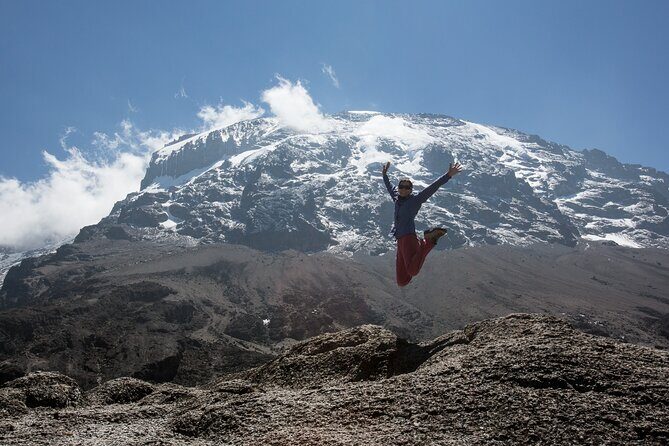
Day 5 is the big one, and the tour description doesn’t hide that. You’ll start at midnight to go for sunrise from Stella Point, then continue along the crater rim toward Uhuru Peak, described as roughly one hour from Stella Point.
This route section is also described as one of the steepest on the non-technical paths of Kilimanjaro. The ascent to Stella Point is estimated at 6 to 7 hours, then you’ll descend down to Mweka Camp for dinner and celebration. The full day is listed as about 11 hours, and the physical and mental demand can be higher than you expect because scree and fatigue stack up.
The climb is also described in detail: you ascend through heavy scree toward Stella Point on the crater rim, and you follow the route past areas referenced as between the Rebmann and Ratzel glaciers. From Stella Point, you can see the summit, then Uhuru Peak follows on the way.
One practical highlight from experiences is the summit-start advantage. Your group may get a head start due to a special permit that allows an earlier final-day departure compared to other crews lower on the mountain. Even one hour can help you stay focused and manage crowds on the final stretch, but it’s still a serious climb—so your best “gear” here is patience.
Day 6: walk down to Mweka Gate and the hotel reset
After a huge summit day, Day 6 is about recovery and closure. You take a morning walk to Mweka Gate (listed around 5,400 ft / 1,645 m), with an estimated 3 to 4 hours and about 6.4 miles / 10.3 km total hiking distance.
Then you’re picked up for the drive back and a much-needed shower at your hotel. The tour ends back at the meeting point, which makes the wrap-up feel straightforward rather than open-ended.
Think of Day 6 as the payoff day: your body is still tired, but you’re moving downhill toward normal breathing. If you treat it like a victory lap, you’ll enjoy it more and arrive feeling proud instead of just relieved.
Price and value: what $2,495 gets you on this Machame climb
At $2,495 per person, this isn’t a budget hike. But the value case here is fairly clear when you look at what’s included and what’s limited.
First, admission tickets are included on every day of the program as listed. That reduces surprises, and it’s part of why guided Kilimanjaro itineraries can cost more than “just hire a random guide” options. Second, you get pickup offered, plus a coordinated start from the Arusha area (with an 8:00 am start). Third, the group limit of max 6 travelers matters. Smaller groups generally mean better attention and less chaos when altitude and fatigue hit.
Finally, the human factor is repeatedly emphasized: camp set-up in advance, friendly crew support, and guides and porters praised by name for care and professionalism. On a mountain where morale can make or break how you handle the hard hours, that kind of support is not a luxury—it’s part of the service you’re paying for.
The tradeoff is that you’re paying for structure. If you want total freedom to slow down, speed up, or change plans daily, you may find this format too guided. And since the program requires a strong fitness level, you should only book if you’re ready for the steep summit day.
Who this climb fits best (and who should be cautious)
The tour description frames the Machame route as suitable for beginning trekkers and advanced climbers. That can be true because the route includes acclimatization and a pacing structure that supports newcomers, while still offering the steep, classic challenge that experienced hikers chase.
This is also a good match if you value a team approach. If you’ve got questions and want a crew that feels organized and supportive—guides and porters who take camp setup seriously—this climb seems built for you.
Be cautious if the idea of a midnight start, a long steep summit day, and thin-air discomfort sounds scary rather than motivating. The route explicitly calls the summit portion one of the steepest non-technical climbs, and it’s clear the program is aimed at people with strong physical fitness.
Should you book this 6-day Machame route with Climb Kili?
Book it if you want a classic Kilimanjaro challenge with a real support team, a small group size, and a route plan that includes acclimatization before the summit push. The combination of rainforest-to-arctic progression, the detailed summit plan (Stella Point at sunrise time), and the repeated emphasis on camp readiness and hot meals makes this feel like a “you focus on climbing” kind of operation.
Don’t book it if you’re hoping for an easy hike or if your fitness level isn’t where it needs to be for a steep midnight summit. Machame gives you a great climb story—but it also demands you show up ready for the hard day.
FAQ
How long is the Machame route tour?
The tour is listed as 6 days (approx.).
Where do you meet, and when does the tour start?
The meeting point is Summit Lodge, Sakina Raskazone, Arusha TZ, Arusha 13842, Tanzania, and the start time is 8:00 am.
What’s the maximum group size?
The tour has a maximum of 6 travelers.
Is pickup included?
Pickup is offered.
Does the price include admission tickets?
Yes. The tour listing indicates admission tickets are included for the days described.
What fitness level do I need?
Travelers should have a strong physical fitness level.
Is free cancellation available?
Yes. You can cancel for a full refund up to 24 hours in advance of the experience start time.