REVIEW · ARUSHA
3-Day Safari Tour to Tarangire National Park, Lake Manyara National Park and Ngorongoro Crater from Arusha
Book on Viator →Operated by Backpackers Safaris · Bookable on Viator
Three parks in three days. That is the thrill. From Arusha, you’ll roll into Tarangire, Lake Manyara, and the UNESCO Ngorongoro Crater for guided game drives from a 4WD with a pop-up roof.
What I like most is how much you gain from that vehicle setup: higher viewpoints help you spot animals without constantly fighting for a window seat. I also like that the tour keeps things tight with a small group (maximum 12), so your guide can actually keep track of what you’re seeing and explain the ecosystem as you go.
One consideration: you’ll be up early. The published start time is 6:30am, and the day-to-day rhythm is very game-drive focused. Also, lodge amenities can be simple; one guest specifically noted no blow dryer at their lodge.
In This Review
- Key Highlights You’ll Care About
- Price and Logistics: What Your $1,557.70 Covers
- Day 1: Arusha to Tarangire, Then to a Manyara Lodge
- Game drive style in Tarangire
- Evening transfer and dinner
- Day 2: Tarangire to Lake Manyara for Another Full Day of Sighting
- What Lake Manyara adds
- Late afternoon lodge time
- Day 3: Ngorongoro Crater Descent, Crater-Floor Picnic, Back to Arusha
- Why the crater format works for wildlife
- Then the long road back
- Vehicle Comfort: Pop-Up Roof 4WD and the Real Meaning of Unobstructed Views
- But be realistic
- Your Guide and the Small-Group Factor (Including Anthon)
- Lodging: What to Expect at Twiga Lodge/Similar
- Meals, Water, and the Packed Lunch Rhythm
- Why packed lunch matters on safari
- What Wildlife Chances Look Like (And How to Think About It)
- Practical Packing Tips for This Specific 3-Park Route
- Who This Safari Tour Fits Best
- Should You Book This 3-Day Safari from Arusha?
- FAQ
- What parks are included in this 3-day safari?
- Where does the safari start, and what time?
- How many nights of accommodation are included?
- Are meals included?
- Is transport included, and what vehicle is used?
- Is water included?
- What is not included in the tour price?
Key Highlights You’ll Care About
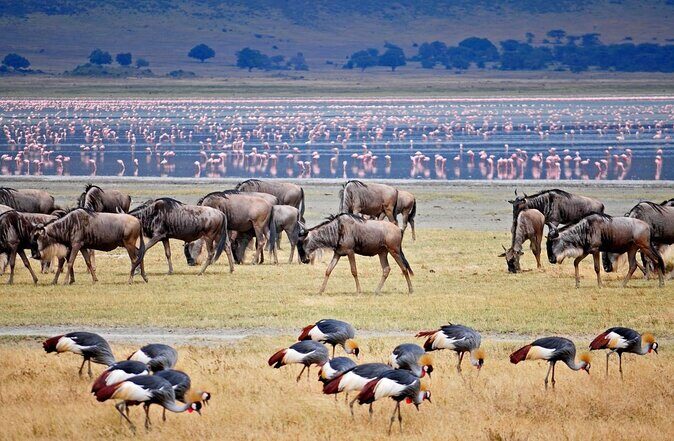
- Pop-up roof 4WD views for easier spotting and better sightlines during drives
- Ngorongoro Crater as a UNESCO World Heritage Site with crater-floor game viewing
- Small group size (max 12) for more attention from your English-speaking guide
- Meals and accommodation included, with water supplied each day
- Lodge fees and crater fees included, reducing surprise add-ons on safari
Price and Logistics: What Your $1,557.70 Covers
At $1,557.70 per person, this is not a budget safari, but it is also not just a “sit on a truck” deal. You’re paying for three major parks, 2 nights lodging, park/crater fees, and a 4WD vehicle with a pop-up roof, plus a guide and cook included in the cost.
Here’s what’s covered:
- Lodge fees and 2 nights accommodation
- Transport in a 4WD vehicle with pop-up roof
- Meals: breakfast, packed lunch, and dinner across the itinerary
- Crater fees
- Mineral water: 1.5 liters per person per day
- Salary for the professional English drive guide and cook
What’s not covered is also useful to know up front:
- International flights
- Hot and cold drinks
- Tips to the driver/guide
- Anything personal, plus items not mentioned
- Flying doctor insurance
If you’re trying to compare value across safari operators, don’t just compare the nightly rate. Compare what you get for your total: meals + water + lodging + vehicle + key park fees. This tour stacks those basics together, which usually helps you avoid budget math while you’re on the road.
Also, you’ll use a mobile ticket. Confirmation is provided within 48 hours (subject to availability). The tour starts from Arusha, with a maximum of 12 travelers.
A few more Arusha tours and experiences worth a look
Day 1: Arusha to Tarangire, Then to a Manyara Lodge
Your day begins with an early pick-up from Arusha town area. The published start time is 6:30am, and the day’s schedule heads out from Arusha in the morning for the drive into Tarangire National Park.
Game drive style in Tarangire
Tarangire is the kind of park that can reward patience. You’ll be on game viewing drives, with packed lunch planned at around 1300 hrs in the park picnic area. Expect the guide to point out how wildlife uses the terrain and seasonal patterns—especially useful when you’re trying to understand why animals are where they are.
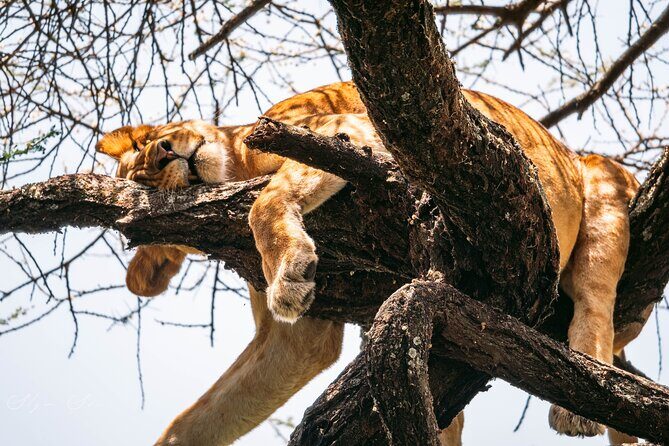
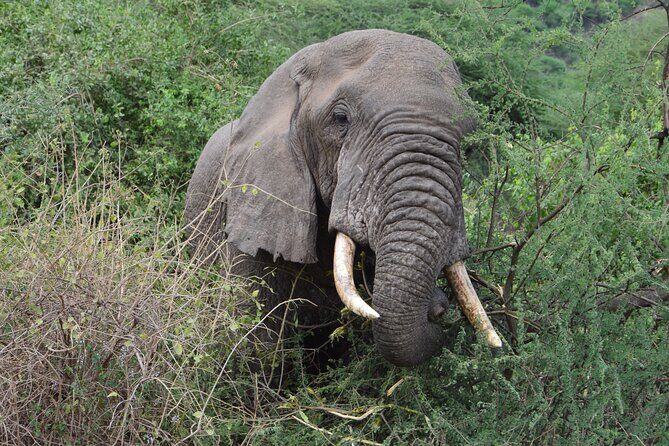
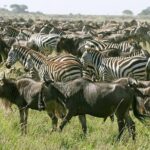
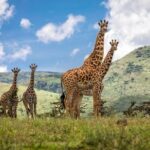
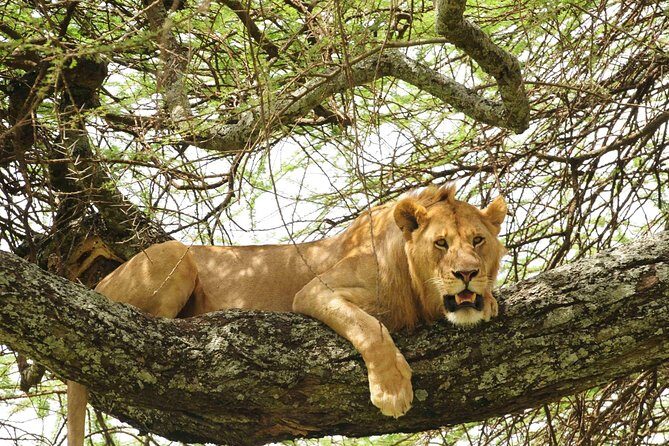
The overall wildlife expectations for this tour include species such as hippos, lions, giraffes, buffalo, zebra, leopards, and elephants. You’re not guaranteed all of them, but that gives you a good sense of what you should be scanning for.
Evening transfer and dinner
After the daytime viewing, you’ll drive to your lodge area for dinner and overnight. The itinerary lists Twiga Lodge/Similar for Day 1. The pace here is typical: a full day outside, then a comfortable base for the night.
Small-group advantage: if your guide notices you’re particularly interested in, say, predators or big herds, you’re more likely to get targeted explanations when the group isn’t huge.
Day 2: Tarangire to Lake Manyara for Another Full Day of Sighting
Day 2 starts with breakfast, then you head out again. The schedule calls for driving from Tarangire to Lake Manyara National Park with packed lunch at about 1300 hrs in the park picnic area.
A few more Arusha tours and experiences worth a look

What Lake Manyara adds
Lake Manyara is different in feel from Tarangire. You’ll spend the day on game viewing drives, and this is where you can catch different kinds of animal behavior—different feeding spots, different movement patterns, and animals using habitats around the lake area.
Even without naming every possible species you might see, this tour’s overall wildlife list stays your guide: giraffes and zebra in open areas, buffalo and elephants where conditions allow, plus a chance for predators like lions and leopards depending on where the guide finds activity.
Late afternoon lodge time
You’ll do a late afternoon drive to your lodge for dinner and overnight, again listed as Twiga Lodge/Similar.
This is one place where I think many people underestimate how valuable lodge downtime is. After two consecutive days of drives and spotting, dinner and a real night’s sleep matter—because the next day includes crater descent.
Day 3: Ngorongoro Crater Descent, Crater-Floor Picnic, Back to Arusha
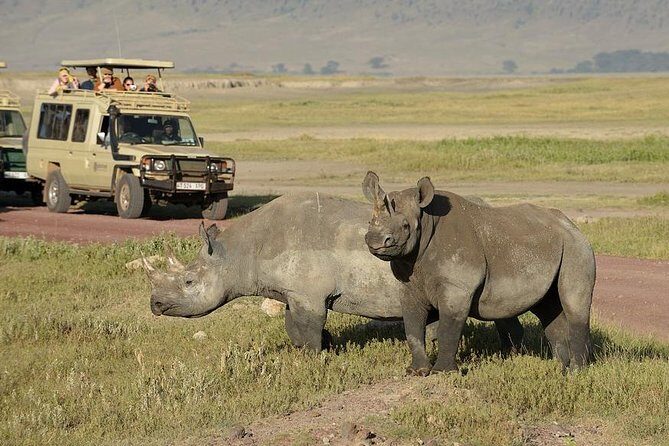
This is the headline day. After breakfast, you’ll drive to Ngorongoro Crater and descend into the crater floor for game viewing. Your lunch is served on the crater floor at a picnic site near Lerai forest or the hippo pool, depending on where operations place you that day.
Why the crater format works for wildlife
Ngorongoro concentrates wildlife into a relatively closed area, so your odds can feel different than in larger parks. The itinerary notes that each species has its own territories, which is exactly why Ngorongoro is famous for consistent sightings when timing and positioning line up.
This is also where your vehicle viewpoint matters again. If you’re sitting higher up, you’ll be better positioned to track animals along the crater walls and across open ground.
Then the long road back
In the late afternoon, you’ll ascend and drive back to Arusha for onward arrangements.
This timing is important for planning your last day. Don’t book anything risky immediately after return without leaving buffer time—safari drives can run longer than you hope.
Vehicle Comfort: Pop-Up Roof 4WD and the Real Meaning of Unobstructed Views
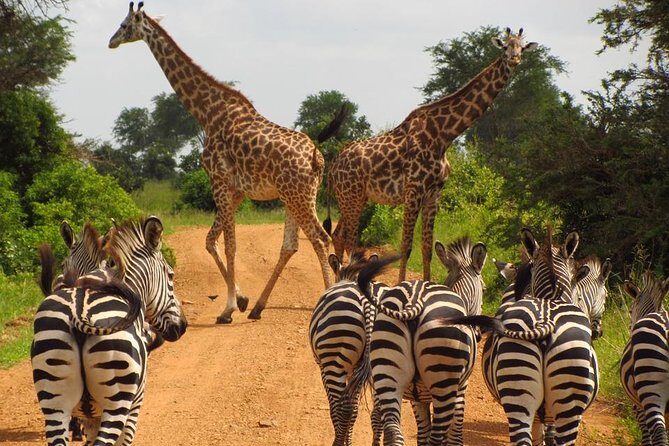
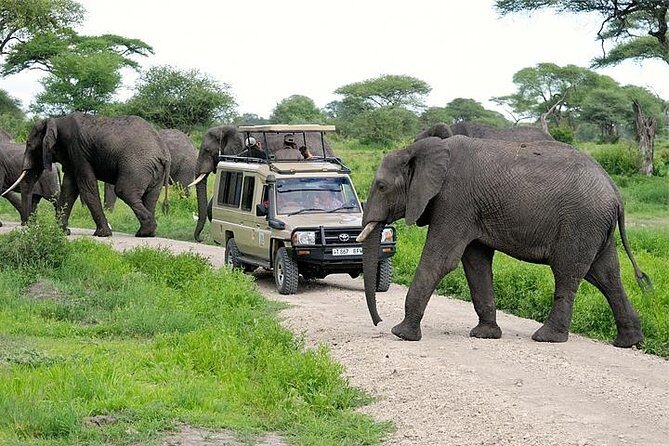
The tour’s vehicle is one of the most practical perks: a 4WD with a pop-up roof. That sounds like a nice-to-have, but on safari it changes how you experience the drive.
When you can see above the vehicle line, you’re less dependent on someone in front raising their camera at the right moment. You can scan more steadily for motion, and you’re more likely to catch animals in the first few seconds when they appear.
It also helps with photography workflow:
- you track animals first, then frame
- you avoid constant standing and crowding
- you keep your eyes on the horizon, not only the road ahead
But be realistic
This doesn’t mean you’ll see everything. Wildlife still decides when and where to show up. What it does do is give you every chance to spot what the guide is tracking.
Your Guide and the Small-Group Factor (Including Anthon)
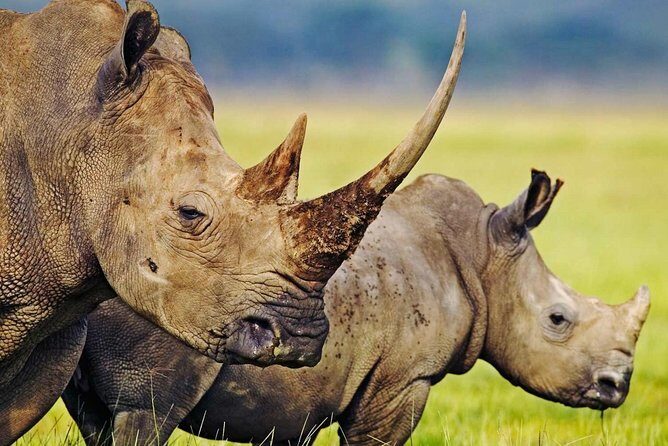
This tour is designed for group attention. It runs with a maximum of 12 travelers, and it includes a professional English drive guide.
Why that matters: safari guiding is part biology, part navigation, and part reading animal behavior. With fewer people, your guide can slow down when you need a moment, explain what you’re looking at, and adjust the route when the animals shift.
One past guest praised a guide named Anthon as amazing, knowledgeable, and friendly, and that same review highlighted a warm, smooth safari feel. I like this detail because it suggests the operator isn’t just moving vehicles—it’s hiring guides who connect with the group.
Lodging: What to Expect at Twiga Lodge/Similar
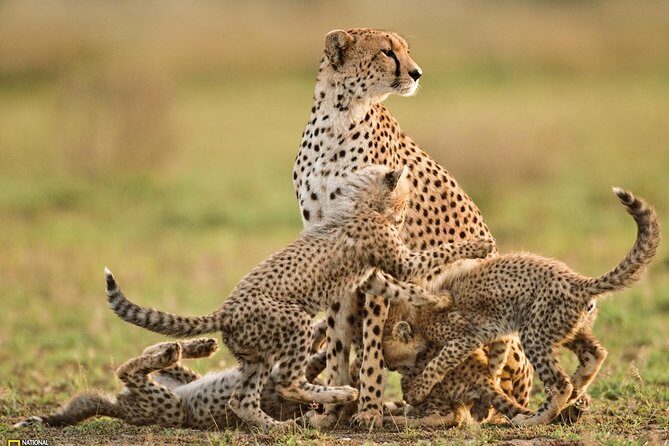
You’ll have 2 nights included. The itinerary lists Twiga Lodge/Similar, and one review specifically called out a lodge named Farm of Dreams as cute and authentic, with good food and entertainment.
So what should you expect in practice?
- Your focus is wildlife, not luxury
- Lodges are there to reset you for the next day
- Entertainment may be basic but enjoyable
- Some amenities can be limited—one guest noted there was no blow dryer
That last point is worth respecting. If you use hair tools, bring what you need. If you travel light, you’ll still be fine, but plan for “camp-basic” rather than hotel-standard.
Meals, Water, and the Packed Lunch Rhythm
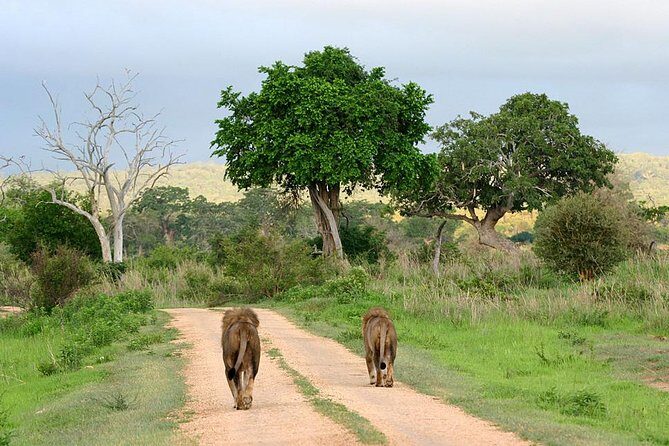
You’ll be fed well enough to keep your day comfortable, and meals are included:
- Breakfast at the lodge
- Packed lunch for the park day
- Dinner at your lodge each night
Water is also included: 1.5 liters mineral water per person per day.
Why packed lunch matters on safari
On this style of safari, you rarely want to stop for long meals outside the driving windows. Packed lunch keeps you out in the parks when animal activity is happening. It also helps you avoid spending time on logistics mid-drive.
Your Ngorongoro lunch is especially memorable because it’s served on the crater floor at the picnic site near Lerai forest or the hippo pool.
What Wildlife Chances Look Like (And How to Think About It)
This tour includes multiple target species in its expectations: hippos, lions, giraffes, buffalo, zebra, leopards, and elephants.
Still, here’s the honest way to think about it:
- You’re visiting three big ecosystems in three days, not just one.
- Animals don’t follow your schedule, so sightings can cluster or spread out.
- Your guide’s skill at reading the day is a big factor in whether you feel like you had a standout safari.
Your job as a visitor is simple: stay alert, ask questions, and be patient with the quiet stretches. The best moments often come after a slow search when everyone finally lines up on the same animal movement.
Practical Packing Tips for This Specific 3-Park Route
You’ll be on safari during long drive blocks, with lodge evenings and packed lunches. Bring what supports comfort and quick changes.
I’d plan for:
- sun protection (hat, sunscreen)
- layers (it can feel cooler early and during crater time)
- binoculars if you have them (not required, but useful)
- a small day bag for snacks, water, and camera gear
- quick-dry clothing and shoes you don’t mind getting dusty
Also consider lodge simplicity. If you rely on a blow dryer, don’t assume it will be there. One guest’s note about no blow dryer at their lodge is a good reminder to check what you need personally.
Who This Safari Tour Fits Best
This 3-day safari from Arusha is a strong match if you:
- want to see Tarangire + Lake Manyara + Ngorongoro without stringing together separate bookings
- prefer a small group experience with real guide interaction
- like the idea of pop-up roof viewing during game drives
- want meals, water, and major fees included to keep planning stress low
It may not be ideal if you:
- hate early mornings (the start time is very early)
- want lots of free time away from game drives
- expect hotel-style amenities every night
Should You Book This 3-Day Safari from Arusha?
I’d book it if your priority is a high-impact Tanzanian wildlife circuit in a short window, with the convenience of lodge fees, meals, crater fees, and guided game drives handled for you. The pop-up roof setup and small-group cap are practical advantages that can improve your experience day after day.
Skip it only if you’re looking for a relaxed, low-movement itinerary, or if you’re expecting luxury lodge details. This is safari-first travel, and it works best when you’re excited to spend your days scanning for animals and learning how the ecosystem connects.
FAQ
What parks are included in this 3-day safari?
The tour visits Tarangire National Park, Lake Manyara National Park, and Ngorongoro Crater.
Where does the safari start, and what time?
It starts in Arusha, Tanzania, with a start time listed as 6:30am.
How many nights of accommodation are included?
Two nights of accommodation are included.
Are meals included?
Yes. Breakfast, lunch, and dinner are included according to the itinerary, with lunch often served as a packed picnic.
Is transport included, and what vehicle is used?
Yes. You’ll travel on a 4WD vehicle with a pop-up roof.
Is water included?
Yes. Mineral water is included at 1.5 liters per person per day.
What is not included in the tour price?
International flights, hot and cold drinks, tips to the driver/guide, airport transfers (unless arranged on request), personal items, and flying doctor insurance are not included.