REVIEW · ZANZIBAR CITY
Zanzibar Spice Tour
Book on Viator →Operated by Mody Zanzibar Tours & Safaris · Bookable on Viator
Spices have a sound before you ever taste them. In this Zanzibar City farm visit, you walk through working plants and get hit with the real smell of cloves, cinnamon, nutmeg, and vanilla, plus tropical fruits and herbs explained by your guide.
I love how the tour turns curiosity into a hands-on, sensory lesson, where you actually understand what you are seeing.
You’ll also like the private feel, with hotel pickup and drop-off, so the timing and pace stay practical. I especially like that the guide connects each plant to real uses in cooking and traditional medicine, so it’s not just a quick photo stop.
The one drawback to consider: it’s a focused 3 hours, so if you want deep, ingredient-by-ingredient cooking lessons, you may need extra time for questions afterward.
In This Review
- Key highlights at a glance
- A Zanzibar Spice Tour that feels like the real Spice Island
- The 3-hour private format: pickup, pace, and what you actually get
- The Zanzibar City starting point: how the guide frames the plants
- The spice-and-fruit lineup you’ll recognize on sight
- Medicinal plant stories: neem leaves and iodine tree sap
- Smell, taste, and how to use what you buy back home
- Your guide matters: what to look for in a private tour
- Price and value: what $76.93 includes and why it can be worth it
- Weather, timing, and the snorkeling note
- Should you book the Zanzibar Spice Tour?
- FAQ
- How long is the Zanzibar Spice Tour?
- Is hotel pickup and drop-off included?
- What spices and fruits will I see during the tour?
- Is the tour private?
- What’s included in the price?
- What’s not included?
- What happens if the weather is bad?
- Can I cancel for a full refund?
Key highlights at a glance

- A private spice-farm visit with pickup and drop-off from your hotel
- Big sensory payoff: you smell and taste spices and tropical fruits
- Real Zanzibar spice context: spices tied to movement across the Indian Ocean by sultans of Oman
- Medicinal plant stories you might not expect, like neem and iodine tree sap
- Value-minded inclusions: bottled water plus entrance fees, taxes, and fuel surcharges handled
- A guide who stays with your group and can keep it fun and engaging (including guides known for reliability and warmth)
A Zanzibar Spice Tour that feels like the real Spice Island
This tour works because it’s not built around a museum approach. You’re on a farm where the plants are still doing plant things, and that changes everything. When you smell cloves or vanilla right where they grow, your brain connects the ingredient to a living source, not just a spice jar.
I also like that the tour keeps things grounded in how people actually use these plants. You get explanations for culinary uses, but you also hear why certain plants show up in traditional remedies. That mix of kitchen and medicine is the big reason this tour stands out as more than a basic spice walk.
Finally, the tour name says spice tour, but the experience is really about Zanzibar’s flavors overall. You’re exposed to spices like cardamone, curry, pepper, tamarind, ginger, and menthol, plus tropical fruits. If you’re a foodie, it gives you a bigger mental map for what you can look for in Stone Town markets later.
You can also read our reviews of more tours and experiences in Zanzibar City.



The 3-hour private format: pickup, pace, and what you actually get
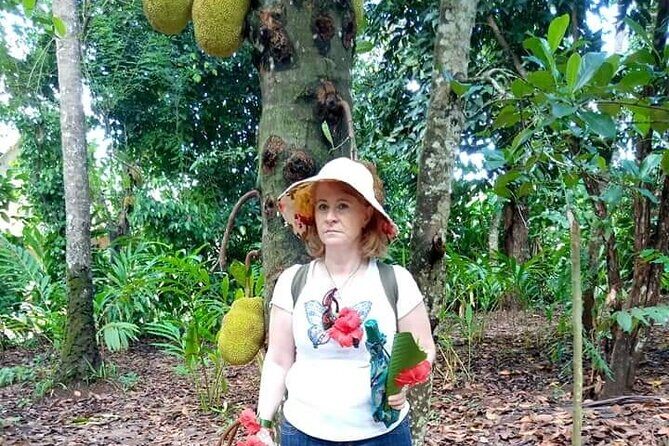
The experience runs about 3 hours, which is a sweet spot for a first taste of Zanzibar flavors. You’re not stuck on a half-day commitment, and you’re not rushed the way shorter tours sometimes feel.
You’ll get pickup and drop-off from your hotel and bottled water during the tour. That matters more than it sounds, because it keeps your day simple—especially if you’re trying to fit this between beach time and a Stone Town wander.
It’s also private, meaning only your group participates. That’s a big deal for Q&A. If you want to ask what a spice is used for beyond the basics—like how people apply certain spices in everyday cooking—your guide has room to answer clearly.
One more practical note: the tour uses a mobile ticket and offers group discounts. Even though it’s private, traveling with a few people can sometimes lower the per-person cost, so it can be a smart plan if you’re not alone.
The Zanzibar City starting point: how the guide frames the plants

The tour begins in the Zanzibar City area and focuses on a guided farm visit. Even though the stop is described as Zanzibar City, the experience itself is about walking through spice and herb plants and learning how they fit into daily life.
The guide explains what each plant is used for, and you’ll hear that not everything is meant for food. Some plants are discussed mainly for medicine, while others connect directly to culinary uses. That structure helps you keep track as you move from one plant to the next.
A key storyline your guide shares is how Zanzibar spices came from other lands and got integrated into island life. The tour highlights that spices were brought across the Indian Ocean by the sultans of Oman, which is a useful context for understanding why Zanzibar’s flavor profile feels both local and international.
The spice-and-fruit lineup you’ll recognize on sight

If you love cooking smells, this is where you’ll feel the payoff. The tour is designed around seeing and learning about spices that many people associate with Zanzibar’s reputation.
Here’s what you should expect to encounter during the guided farm visit:
- Cloves
- Cinnamon
- Nutmeg
- Vanilla
- Cardamone
- Curry
- Pepper
- Tamarind
- Ginger
- Menthol
- Plus additional herbs and rare plant species from different vegetation zones
You’ll also see tropical fruits. That matters because a spice tour can sometimes become one-note. Here, fruit and spice sit side by side in the guide’s explanations, so it feels like a whole flavor system rather than a single ingredient parade.
And there’s a second layer beyond the ingredient list. Your guide isn’t just naming plants. You get descriptions of what each one does, and how it can show up in food preparation or traditional health uses. If you’ve ever bought spices and wondered what to do next, this part helps you connect purchase to purpose.
Tip for you: if you’re planning to shop afterward, pay attention to how the guide describes each spice’s best match. You’ll waste less money when you buy.
Medicinal plant stories: neem leaves and iodine tree sap

One of the most interesting parts of the tour is the medicine angle. It’s not presented as a substitute for modern care, but it’s explained as part of traditional knowledge tied to certain plants.
Two examples from the tour descriptions are very specific:
- The neem tree leaves were traditionally used as a cure for malaria and indigestion.
- The iodine tree produces deep red sap used to fight infection and for wound support.
Even if you’re not trying any of this yourself, you’ll probably find it valuable for perspective. It explains why some plants have long-standing reputations, and why they show up in conversation in places like Zanzibar.
This is also where a guide makes a difference. When explanations are clear, you come away with a better understanding of how people historically categorized plants: some for cooking, some for remedies, and some for multiple uses depending on how they were prepared.





Smell, taste, and how to use what you buy back home

The tour includes time to taste and explore spices, and the sensory side is a huge part of the appeal. If you’re the type who loves smelling spices, you’ll understand why people talk about this tour as relaxing and educational. It’s not a sprint through stalls—it’s a guided experience where you get repeated exposure to key scents and ingredients.
You might also want to keep an eye out for what can become dinner later. One common shopping habit is picking up spice blends and single spices you can actually use quickly, like chicken masala and black pepper. If you’re planning meals you already make at home, bring that mindset. When you know your recipes, you can buy with confidence.
A helpful way to use your guide’s knowledge: ask what each spice is best in. Instead of asking what it is, ask what it changes in food. That’s how you’ll end up using your purchases, not just displaying them.
You may also get a more hands-on moment. One review mentions making grass bags and hats, which sounds like a fun add-on that can make the tour feel less purely instructional. Since it isn’t described as a guaranteed standard step, treat it as a possible bonus and let your guide know you’re interested in any craft or demonstration.
Your guide matters: what to look for in a private tour
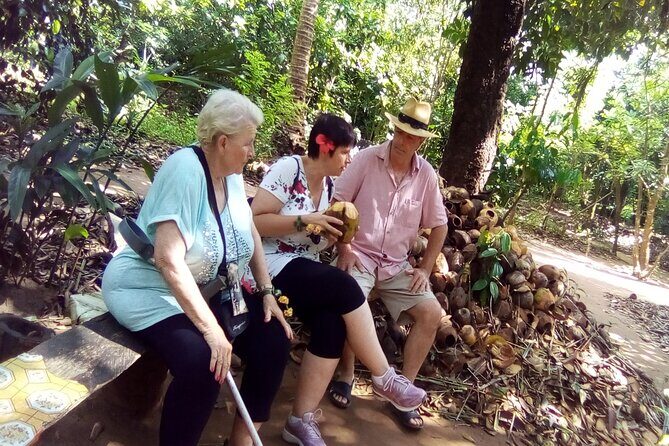
Because this is private, the guide’s personality and teaching style affect the whole tour. From the information shared, Mody Zanzibar Tours & Safaris is known for being friendly and reliable, and some guides have names like Barak attached to the experience.
When a guide is both knowledgeable and personable, the tour stops feeling like a lecture. You get guided explanations that stay engaging, and you don’t have to fight for attention.
Here’s what you can do to get the most out of your guide:
- Ask for one culinary use per spice you care about
- Mention any cooking you already do (pilau, stews, roast chicken, rice dishes)
- Tell them what you’re buying for so your questions stay practical
If you like tours where you can ask follow-ups without feeling rushed, this private setup is a strong match.
Price and value: what $76.93 includes and why it can be worth it
At about $76.93 per person, this tour sits in a mid-range category for Zanzibar. What helps it feel fair is what’s included.
Your inclusions:
- Experienced professional tour guide
- Pick up and drop off from your hotel
- Bottled water
- All entrances fees, all taxes, fuel surcharges and service fees included
- Transport waiting charge
- Admission ticket free is also listed, which aligns with the idea that entrance costs are handled
Those details matter because they reduce the annoying parts of travel math. If you’ve ever had to pay extra at the last minute, you’ll appreciate this more “all-in” structure.
What’s not included:
- Medical insurance
- Flights
- Visa
- Airport taxes
- Any personal expenses
So the real value question for you becomes simple: do you want a guided, farm-based introduction to Zanzibar’s spice culture? If yes, the included guide time plus pickup and entrance handling can make the price easier to justify.
Weather, timing, and the snorkeling note
The tour requires good weather. If weather is poor, you’ll be offered a different date or a full refund, so you won’t be stuck hoping conditions improve.
The tour duration is about 3 hours, so it’s also a good option when your schedule is tight. Still, if you’re the kind of traveler who hates wasting time, plan this early in your trip so you can use what you learn for better spice purchases and better cooking choices later.
One more item to note: the additional information lists snorkling with guides. The main itinerary you’ll see focuses on the spice farm, so the snorkeling part might be handled differently depending on the day. When you book, ask how snorkeling fits into your exact plan so you’re not surprised.
Should you book the Zanzibar Spice Tour?
Book it if you want a short, guided experience that mixes spices, tropical fruits, and practical explanations—with pickup and entrance fees handled. It’s especially smart if you like food and want to understand what spices do, not just what they are called.
Consider another option if you’re chasing a long, multi-location day with lots of unrelated stops. This tour is focused. You get deep attention to plants and uses, but it won’t replace a full itinerary full of beaches, markets, or long excursions.
If you do book, bring curiosity and a few questions. Ask the guide what spice to buy if you cook at home, and what each ingredient is best with. That’s how this tour turns into something useful long after your flight home.
FAQ
How long is the Zanzibar Spice Tour?
It’s approximately 3 hours.
Is hotel pickup and drop-off included?
Yes. The tour includes pickup and drop-off from your hotel.
What spices and fruits will I see during the tour?
You’ll be guided through Zanzibar spices and herbs including cloves, cinnamon, nutmeg, vanilla, cardamone, curry, pepper, tamarind, ginger, and menthol, along with tropical fruits and other rare plant species.
Is the tour private?
Yes. It’s a private tour/activity, so only your group participates.
What’s included in the price?
The price includes an experienced professional tour guide, bottled water, all entrances fees, all taxes, fuel surcharges and service fees, and a transport waiting charge.
What’s not included?
The tour listing says medical insurance is not included, and it also excludes flights, visa, airport taxes, and expenses of a personal nature.
What happens if the weather is bad?
The tour requires good weather. If it’s canceled due to poor weather, you’ll be offered a different date or a full refund.
Can I cancel for a full refund?
Yes. You can cancel up to 24 hours in advance for a full refund. If you cancel less than 24 hours before the start time, the amount paid is not refunded.