REVIEW · MOSHI
10 days family safari Tanzania
Book on Viator →Operated by Africa Joy Tours - Day Tours / Mult Day Tours · Bookable on Viator
A Big Five plan, built for families. This 10-day Northern Circuit safari out of Moshi/Arusha strings together Lake Manyara, Lake Natron, Serengeti, Ngorongoro Crater, and Tarangire, with the kind of vehicle setup that makes wildlife-viewing feel hands-on. Two things I like: the mix of comfort-level lodges (including crater-rim stays) and the private, roof-hatch Toyota Land Cruisers that keep game-viewing close and easy for kids. One consideration: you’ll be doing long drive days and early starts, so pack for comfort and be ready for the slower rhythm that real safaris demand.
The itinerary is also designed to reduce backtracking. You’ll hit the parks when they connect well geographically, so your days feel like a proper safari loop instead of nonstop reshuffling. Guides also matter a lot on safari, and this tour runs with a private Tanzanian safari guide; past guests specifically praised guides like Ndaji for finding animals and keeping the mood light. The tradeoff is that early planning and patience are part of the deal, especially around Serengeti and Ngorongoro.
Key Points That Matter
- Roof-hatch Land Cruisers for up-close views (less craning, more spotting)
- Private guide and private group means your pace and route choices can be practical
- Ngorongoro Crater early game drive at 07:00 for the best animal odds
- Family-friendly lodge transitions with comfortable crater-rim and park-area stays
- Big Five focus through Serengeti + Ngorongoro and the rest of the Northern Circuit
- Meals and park fees included, so your on-the-ground budgeting is simpler
In This Review
- Big Five Odds and Family Comfort: The Safari Style Here
- Day 1: Arrive in Kilimanjaro, Settle Into Arusha With No Rush
- Lake Manyara on Day 2: Quick Start, Big Scenery, Tree-Climbing Lion Chance
- Lake Natron on Day 3: Flamingo Breeding Area Plus Walks and Waterfalls
- Serengeti on Day 4: Serengeti Gate Time and a First Real Game-Drive Window
- Serengeti on Day 5: Sunrise Drive for Nocturnal-to-Diurnal Magic
- Ngorongoro Conservation Area on Day 6: Optional Oldupai Gorge and a Crater-Rim Overnight
- Ngorongoro Crater on Day 7: 07:00 Inside the Caldera for Lions, Rhinos, and Hippos
- Tarangire on Day 8: Baobabs, Elephant Herds, and Oryx Possibilities
- Tarangire on Day 9: Elephant Family Behavior and Then Back to Arusha
- Day 10: Arusha Village Experience and Airport Departure
- Guides, Vehicles, and How to Make the Most of Your Big Days
- Price and Value: Is $3,500 Per Person a Good Deal?
- Who This Safari Fits Best (and Who Might Want Something Else)
- Should You Book It? My Straight Answer
- FAQ
- What is included in the 10-day safari price?
- Where does the safari start and when?
- Do you offer pickup and are tickets provided?
- Which parks and areas are visited?
- What kind of vehicle is used for game drives?
- Are entrance fees and meals covered?
- What is not included in the tour?
Big Five Odds and Family Comfort: The Safari Style Here
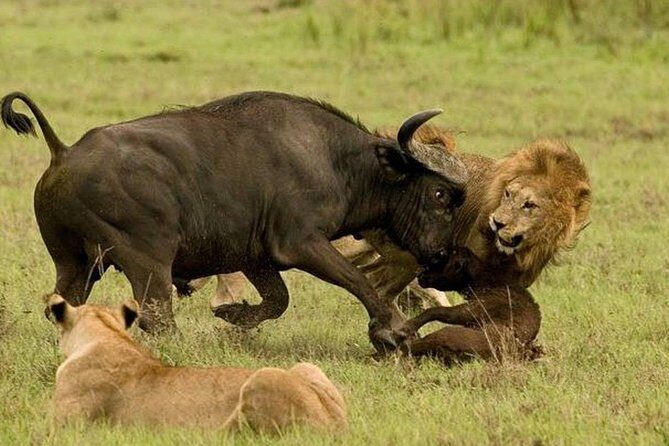
This is a luxury-leaning family safari, not a bare-bones camping trip. You’ll use well-maintained, extended Toyota Land Cruisers (roof hatches included) for game drives and transfers. That small detail changes your experience fast: you can scan for movement without twisting your body every time the driver turns.
The tour also mixes luxury tented lodges with permanent wilderness lodges. That usually means you get the feel of “out in the bush” without sleeping in conditions that are stressful for kids or anyone who hates cold showers. Your vehicle time will still be a lot, but your downtime won’t be miserable.
Now for the part to respect: wildlife is wildlife. Even when an itinerary is built to target lions, leopards, elephants, buffalo, and rhinos, sightings are never guaranteed. What you can control is how you’re set up for spotting—and this tour’s vehicle format, timing, and guide focus are built for that job.
Day 1: Arrive in Kilimanjaro, Settle Into Arusha With No Rush
You land at Kilimanjaro Airport, meet your safari driver, and then transfer to Arusha. The first stop is Outpost Lodge (bed and breakfast), booked for you, with an easy landing after travel.
What I like about this start is the reset. Safari days start early and can feel intense. Getting Arusha handled on Day 1 helps you show up with your energy intact for the next morning’s park drive.
A few more Moshi tours and experiences worth a look
Lake Manyara on Day 2: Quick Start, Big Scenery, Tree-Climbing Lion Chance
After breakfast the safari starts at 8:30, driving from Arusha to Lake Manyara National Park. There’s a picnic lunch en route, then you enter the park and begin your first serious game drive.
Lake Manyara is the kind of park that surprises people. It sits between the Rift Valley escarpment and Lake Manyara itself, so you get a mix of habitats in a relatively compact area. The tour highlights the good chance for giraffe, elephant, baboon, and especially the rarer tree-climbing lion—a species that people always hope to see because it’s so different from what most expect.
A practical consideration: Lake Manyara is often “quick and active.” You’ll want water, sun protection, and patience for the stop-and-go style of spotting from the vehicle.
Lake Natron on Day 3: Flamingo Breeding Area Plus Walks and Waterfalls
Day 3 moves toward Lake Natron, known for breeding sites for lesser and greater flamingos that migrate there seasonally. You’ll pass Maasai villages and arrive in time for lunch at your lodge.
After lunch, you get options that make this day feel less rigid. Depending on water levels, you can take a dip or go for a boat ride. Then there’s a walk upstream along the Ngaresero River up to the waterfalls, where monkeys and baboons are possible.
Why this works for families: it’s not only a car day. Yes, there’s driving, but you also get real time on foot. Just note that walking days in hot or dry seasons can be tough for younger kids—bring hats, light layers, and something for dust.
Serengeti on Day 4: Serengeti Gate Time and a First Real Game-Drive Window
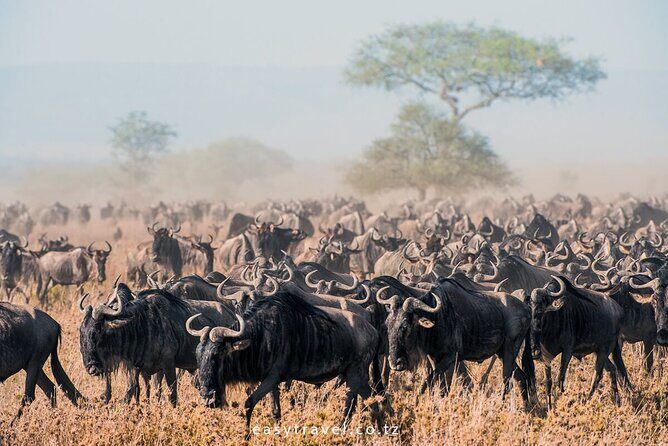
After breakfast you’ll leave for Serengeti National Park. The route includes a crossing through the Loliondo Game Controlled area, then registration at Klein’s Gate.
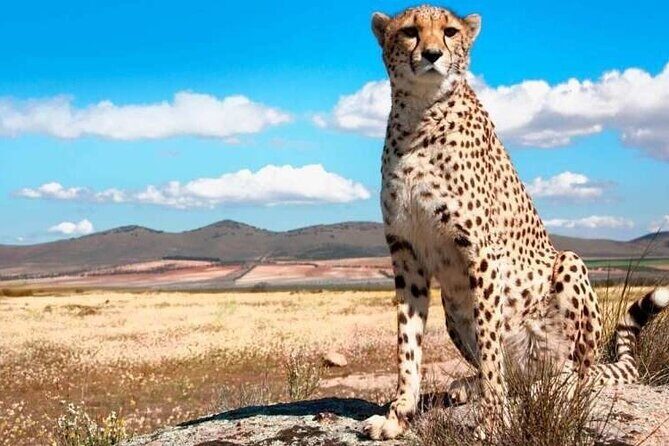
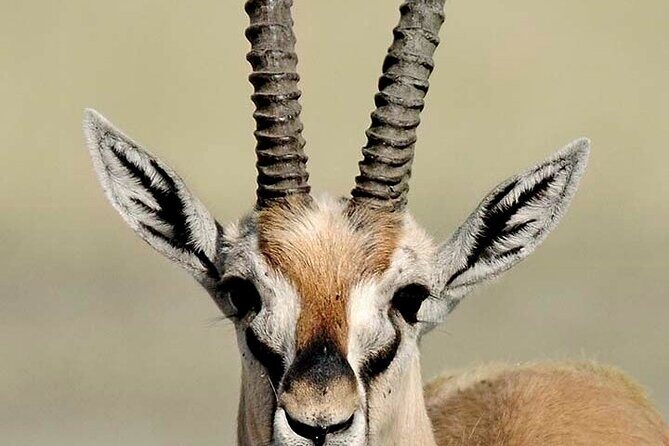
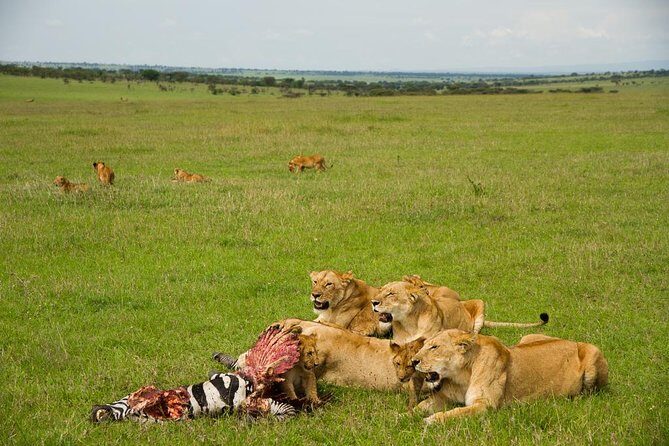
This day is about building momentum. You’ll do game drive time on the way to your lodge in the vast Serengeti plains. The tour lists animals you might spot such as zebras, buffalo, baboons, topis, impalas, cheetahs, and leopards—plus plenty of birdlife.
A key takeaway: the plains can stretch your sense of time. You might see a lot early, then watch patiently while the landscape “decides” what it will show you. If you travel with kids, this is where the guide’s ability to keep the drive engaging matters.
Serengeti on Day 5: Sunrise Drive for Nocturnal-to-Diurnal Magic
Day 5 starts at daybreak with a sunrise game drive. This is described as often your only chance to see nocturnal species as they retreat and diurnal species as they wake—an excellent reason to start early instead of “sleeping in like normal.”
After breakfast you’ll shift into a full day of game drives. This is the day when Serengeti can deliver its biggest variety, because you’re covering more ground and more habitat types.
One drawback to plan around: it’s a long day. The upside is that Serengeti rewards long effort, especially if your guide is good at adjusting when animals move or when visibility changes.
Ngorongoro Conservation Area on Day 6: Optional Oldupai Gorge and a Crater-Rim Overnight
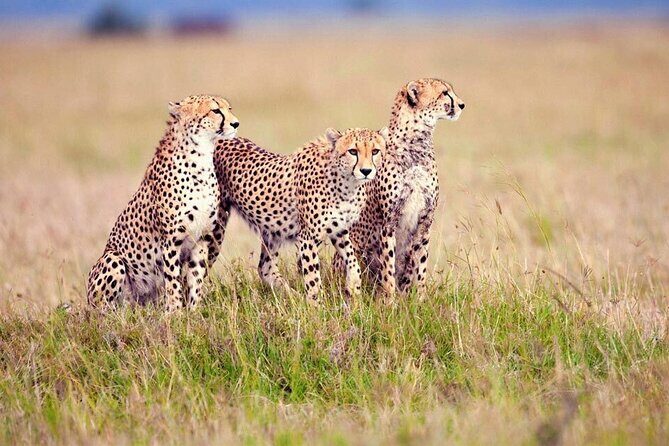
On Day 6, after breakfast you’ll drive to the Ngorongoro Conservation Area with a packed lunch. There’s an option to pass by Oldupai Gorge (historical site) and/or a Maasai boma for a cultural look—if you want that extra layer beyond animals.
Then you’re on your way to the crater rim for dinner and overnight at Ngorongoro Rhino Lodge. Crater-rim lodging is a smart choice because it gets you close to the morning crater drive without a long scramble.
For families: an extra hour of sleep can be the difference between “thrilled safari time” and “everyone melts down.” This overnight placement helps you start the crater day more calmly.
Ngorongoro Crater on Day 7: 07:00 Inside the Caldera for Lions, Rhinos, and Hippos
This is a centerpiece day. You start early at 07:00 for a game drive inside Ngorongoro Crater, with a picnic lunch.
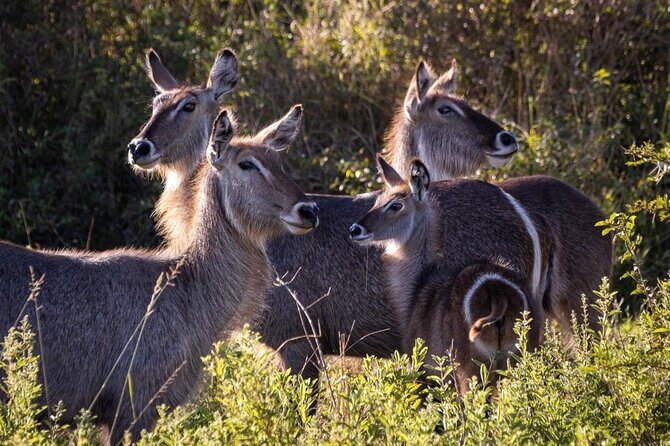
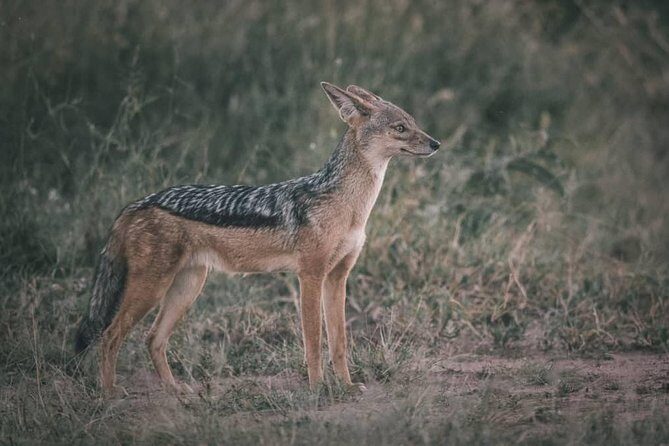
The crater’s walls (around 2000 ft high) limit animal movement in and out, so you’re often looking at a concentrated pocket of wildlife. The tour expects sightings such as lions, elephants, zebras, hippos, flamingos, jackals, rhinos, antelopes, and many birds. The guide is also described as being in contact with other safari drivers, then using that intel and his skills to locate hidden animals.
Here’s the practical advice: crater viewing can be intense. The air can feel cooler early, but you’ll warm up after the first hours. Bring layers for temperature swings and a hat for sun glare.
Also, don’t expect the same “dense action” everywhere. One minute you might spot something dramatic, then the next turn you’re scanning hillside shadows. That’s normal here.
Tarangire on Day 8: Baobabs, Elephant Herds, and Oryx Possibilities
On Day 8 you move to Tarangire National Park. After registration formalities, you’ll have a full day of game drives in a park known for giant baobab trees and large elephant herds.
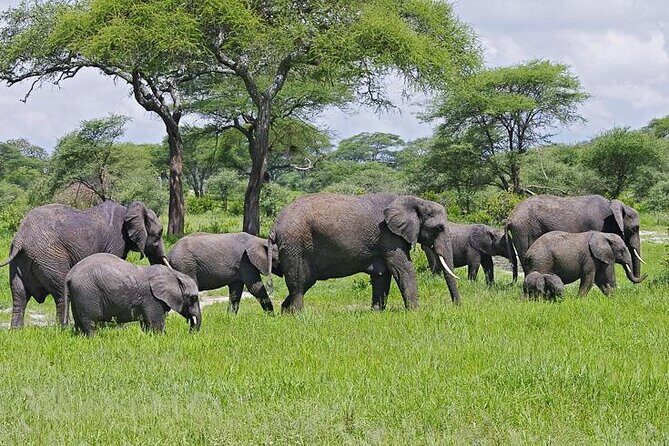
This is one of those parks that gives you “Safari souvenir moments”—clear silhouettes, dust, big skies, and animals at manageable distances from the road network. The tour specifically notes possible sightings of rare oryx, plus zebras, giraffes, warthogs, leopards, and cheetahs. The Tarangire River is the lifeblood of the park, so animals gather where water is reliable.
If you’re traveling with kids: Tarangire is a nice balance. It’s action-focused, but it’s also visually engaging, so younger travelers tend to stay interested without constant “are we there yet?” energy.
Tarangire on Day 9: Elephant Family Behavior and Then Back to Arusha
Day 9 includes another game drive morning after breakfast, then you’ll transfer to Arusha for overnight at Mvuli Hotel.
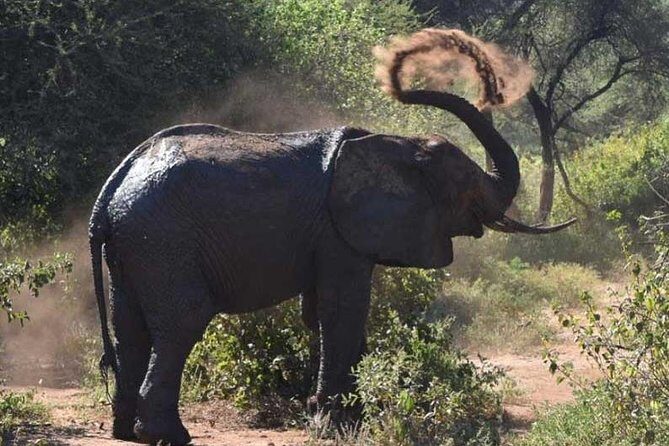
This day’s spotlight is animal behavior. The tour points out elephants traveling in families along familiar paths, and notes that when vehicles come closer, elephants may gather around their young to protect and guide them along. It’s the kind of slow wildlife moment that’s easy to remember because it’s not just “spot and pass.”
You’ll appreciate this pacing: two days at Tarangire gives you time to catch different sightings and different lighting. Then you can end the safari with a night in town instead of sleeping deep in the bush again.
Day 10: Arusha Village Experience and Airport Departure
After breakfast, you’ll have time to explore Arusha town, followed by an airport transfer for your flight home. The schedule includes an Arusha Village Experience, though the exact format isn’t detailed—think of it as a cultural add-on to round out the animal-focused days.
This is a good way to end. Safaris can leave your head full of wildlife scenes. A final day in Arusha helps reset you back into normal life, without jumping straight from crater rim to departure.
Guides, Vehicles, and How to Make the Most of Your Big Days
This trip leans on three things that matter on safari: vehicle quality, timing, and guide skill.
- Vehicle: The extended Land Cruisers with roof hatches keep viewing practical. You can actually scan without blocking your family’s view.
- Timing: Sunrise in Serengeti and the 07:00 crater drive are built for animal movement patterns.
- Guide skill: Past guests praised guides such as Ndaji for spotting Big Five animals and keeping everyone smiling. Other noted guides like Jams and Joakim were also described as excellent, responsive, and familiar with the animals on the route.
You’ll still want to do your part. Bring binoculars if you have them, wear light neutral clothing (if you can), and plan for the bumpy ride days. Most importantly: stay flexible. If the guide finds something good, you’ll want to stay ready to pivot.
Price and Value: Is $3,500 Per Person a Good Deal?
At $3,500 per person, the value depends on what you compare it to. This price includes a lot that often adds up quickly on safari: wildlife reserve entry fees, wildlife drives by vehicle, airport transfers in a private car, and lodging at the specific places listed. It also includes meals—breakfast (9), lunch (9), and dinner (9)—plus a bottle of minerals water.
It also runs as a private tour where only your group participates. That matters if you’re traveling as a family because you’re not forced into a rigid group schedule.
What’s not included is where many people get surprised: international flights, visas/passport fees, travel insurance, alcoholic and non-alcoholic drinks, and gratuities for guide and camp staff. So even if the sticker price looks high, your end cost can still be fairly sane if you were planning on similar-level lodges and a private safari vehicle anyway.
My practical take: this is a strong fit if you want luxury comfort, a structured Northern Circuit route, and a Big Five-focused plan without having to build everything yourself.
Who This Safari Fits Best (and Who Might Want Something Else)
This tour fits best if you:
- want a Northern Circuit mix of Serengeti, Ngorongoro, Tarangire, and Lake Manyara
- prefer private guiding and comfortable lodge stays
- are traveling as a family and want fewer “roughing it” tradeoffs
- like an itinerary with real wildlife targets and early driving days
It might be less ideal if you:
- hate early mornings and long drive days
- want a short, slow-paced vacation with minimal time on the road
- expect safari guarantees (even the best planning can’t control animal movement)
Should You Book It? My Straight Answer
I’d book this safari if your priority is a well-planned Northern Circuit with comfortable lodging, a roof-hatch vehicle setup, and enough timing focus to give you serious chances in Serengeti and Ngorongoro. The value is strongest when you factor in reserve fees, most meals, and private transfers.
I’d pause and rethink if your group would struggle with 07:00 starts, long park days, and the reality that sightings depend on wildlife behavior. If that sounds like you, consider a shorter route or a slower style of safari rather than expecting a relaxed itinerary.
FAQ
What is included in the 10-day safari price?
The tour includes private airport transfers, transportation and wildlife drives in a modified 4WD Land Cruiser or Land Rover, wildlife reserve entry fees, accommodation as noted, mineral water, and meals (9 breakfasts, 9 lunches, 9 dinners).
Where does the safari start and when?
It starts at Kilimanjaro Airport, with a start time listed as 6:00 am.
Do you offer pickup and are tickets provided?
Yes, pickup is offered, and mobile tickets are included.
Which parks and areas are visited?
The safari visits Arusha, Lake Manyara, Lake Natron, Serengeti National Park, Ngorongoro Conservation Area and Ngorongoro Crater, Tarangire National Park, and includes an Arusha village experience.
What kind of vehicle is used for game drives?
You’ll ride in well-maintained extended Toyota Land Cruisers or Land Rovers, and the vehicles have roof hatches for unobstructed viewing.
Are entrance fees and meals covered?
Yes. Wildlife reserve entry fees are included, and meals are included for most of the days listed (breakfast 9, lunch 9, dinner 9), plus bottled mineral water.
What is not included in the tour?
Not included are international airfare and flights, items of a personal nature, gratuities for guide and camp staff, travel insurance, visa and passport fees, and alcoholic and non-alcoholic drinks and beverages at lodges.