REVIEW · ARUSHA
4 Days Tanzania Safari Experience
Book on Viator →Operated by Westway Safaris · Bookable on Viator
One of Africa’s best shortcuts starts here. In just 4 days, you’ll cover the two big names most people dream about: Serengeti National Park and Ngorongoro Crater. It’s built for travelers who want the highlights without spending a week on the road.
I like the way the trip is paced. You get a proper early start on wildlife watching days, plus at least one sunset-style game drive where the light turns golden and the whole park feels cinematic. I also like the private setup, with pickup from Kilimanjaro International Airport and transport that keeps you moving as one group.
One consideration: you’ll be in vehicles a fair bit. Day 2’s drive is long (about 6 hours including stops), and Day 3 includes another transfer toward the crater rim, so this is not the kind of trip where you can sleep in and wander slowly. Also, the safari price doesn’t cover everything (airport-related taxes/fees can still come up).
In This Review
- Key things I’d notice before you book
- Why this 4-day safari route makes sense
- Day 1 Arusha arrival: get oriented and start early
- Day 2 Serengeti: late arrival, then sunset game drive in Seronera
- Day 3: early Serengeti drive, then an afternoon round and transfer
- Day 4 Ngorongoro Crater: 6:15 am descent and the black rhino hunt
- Guides and the private-tour advantage (including names people remember)
- Price and logistics: where the value really sits
- Daily timing: why early mornings are the hidden strategy
- What to pack and how to make the days feel easier
- Who this safari fits best (and who might rethink it)
- Should you book this 4-day Westway Safaris route?
- FAQ
- Is pickup included, and where does the safari start?
- What parks do we visit during the 4 days?
- How long are the travel days between locations?
- Are park admission tickets included?
- What meals are included?
- Is this a private tour?
- What time is the Ngorongoro descent?
- What is the cancellation policy?
Key things I’d notice before you book
- Serengeti at two different moods: one late-afternoon drive that ends with sunset, plus an early-morning drive for more active sightings
- A very early Ngorongoro descent: you go down at 6:15 am, timed for harder-to-spot wildlife like black rhino
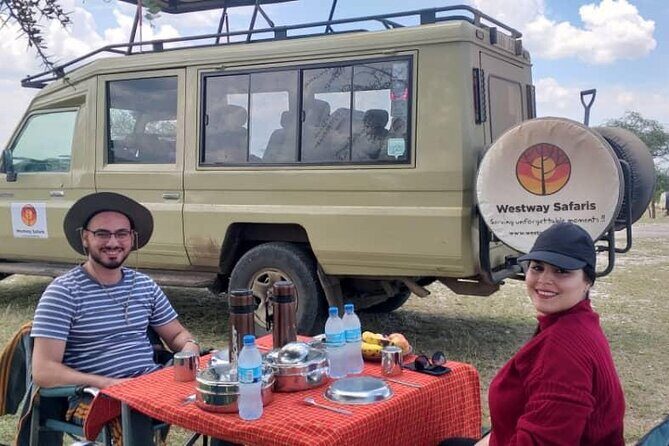
- Private transportation and meals included: bottled water, and three breakfasts, three lunches, and three dinners are part of the package
- Local guiding and flexible stop options: past travelers highlighted drivers like Kessy for being responsive when you ask to stop for animals
- Arusha as the launch point: you’re guided into the flow right after arriving, with a practical recommendation to sleep in Arusha before day one
Why this 4-day safari route makes sense
If you only have a few days in Northern Tanzania, this is the classic “greatest hits” route. It focuses on the places that show up on posters for a reason. Serengeti gives you the open-sightline excitement of wildlife moving across huge ground. Ngorongoro Crater gives you a compact, ring-shaped stage where animals often show up closer together than you’d expect.
I also appreciate the logic behind the timing. You’re pushed toward early mornings because that’s when animals are often feeding and moving. Then you’re given an evening experience in Serengeti, so you get both the practical wildlife hours and the more emotional light.
Finally, the private nature matters more than most people think. A shared group can mean you lose time waiting, you spend less effort tailoring your route, and you can’t always chase the sightings that pop up. Here, you’re traveling as your own group, with your guide’s attention on your time.
A few more Arusha tours and experiences worth a look
Day 1 Arusha arrival: get oriented and start early
On arrival day, you’re picked up at Kilimanjaro International Airport and taken to the provider’s office in Arusha. This isn’t just logistical. It helps you land and settle without immediately jumping into a long safari drive on day one.
I also like the “sleep in Arusha” recommendation. Coming from a flight, it’s the difference between feeling rushed and feeling ready. When you’re fresh, it’s easier to enjoy the next day’s early start and the long drives that come with safari success.
What this day looks like in real life:
- Airport pickup to Arusha
- Time to settle in, grab a simple meal, and get an early night
- A clear mental reset before you start driving toward the parks
If you’re the type who hates chaos, this day is your cushion.
Day 2 Serengeti: late arrival, then sunset game drive in Seronera
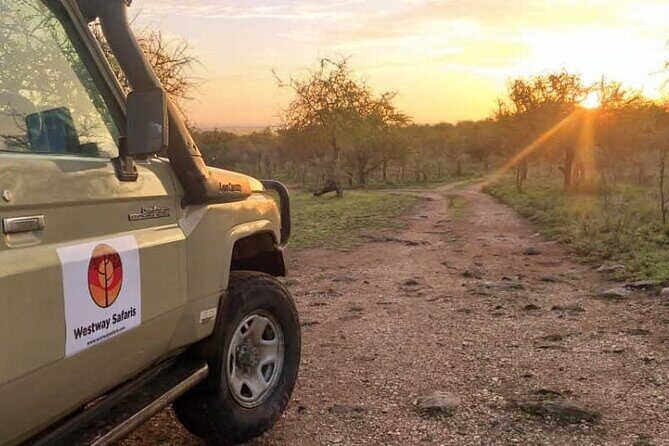
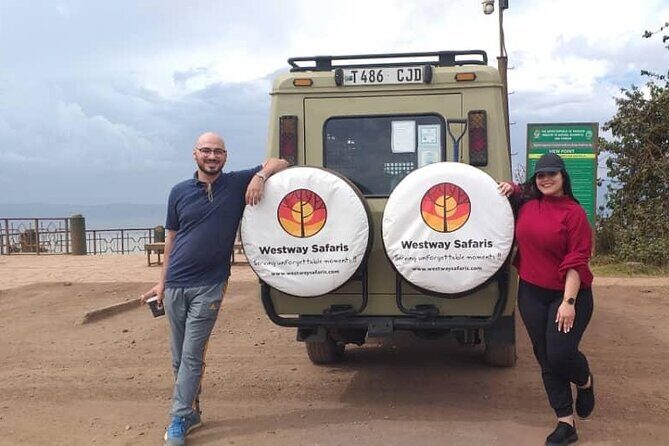
Day 2 is all about getting from Arusha to the Serengeti and setting yourself up for wildlife during the best light. After breakfast, you’ll drive toward Serengeti, with the trip taking about 6 hours including stops. The route transits through the Ngorongoro area, and there’s a brief gate and viewpoint stop to look out at the crater.
Then you arrive in the late afternoon and start game driving in Seronera, the central Serengeti area. The key point here is that you’re not starting at noon. You’re starting when animals are more likely to be active and when shadows stretch out. The plan continues through late evening, including a spectacular sunset moment.
Why this works:
- Late-afternoon game drives often feel productive because animals are shifting their behavior as the day cools.
- Starting in Seronera means you’re entering a well-used region of the park, so sightings can be more consistent than in places that feel quieter.
Small drawback: you’re losing some daylight to the long drive from Arusha. If you’re arriving by a red-eye flight, day two can feel like a sprint, not a relaxed start. Still, the schedule is designed so the driving pays off with a strong evening wildlife window.
Day 3: early Serengeti drive, then an afternoon round and transfer
Day 3 is where the safari really tightens. You begin with an early breakfast, then head out for an early game drive. This is the “go while things are happening” move. Animals are often easier to spot when the light is crisp and movement stands out.
In the afternoon, you head back for lunch, then go out again with another game drive. After that, you transfer about 2 hours to your overnight near the rim of Ngorongoro Crater.
This day is valuable because it gives you two shots at Serengeti:
- An early drive for fresh sightings and active movement
- An afternoon drive for different animal behavior and different light angles
It also sets up day four perfectly. Ngorongoro is all about timing and descent. If you’re staying near the crater rim, you’re not spending precious time driving from far away while the day is getting ahead of you.
One practical note: with two game drives plus meals and a transfer, it’s a full day. You’ll want to pack a small, easy-to-reach day bag (water, sun protection, and anything you need to stay comfortable between drives).
Day 4 Ngorongoro Crater: 6:15 am descent and the black rhino hunt
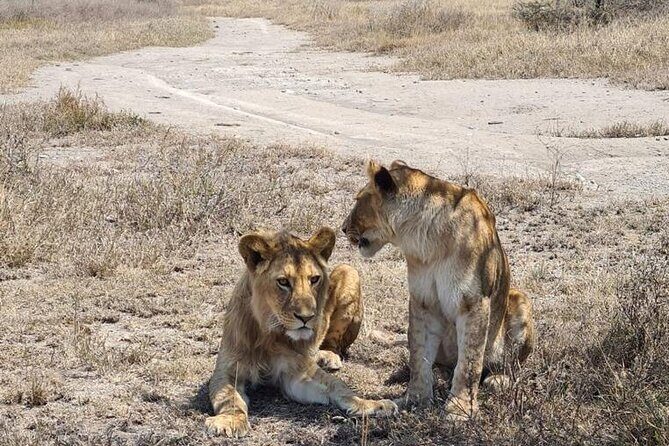
Day 4 starts early for a reason: you descend into Ngorongoro Crater at 6:15 am. The plan specifically mentions searching for the black rhino, which is often the hardest rhino to spot. The crater setup helps with sighting odds because it’s a “floor crater,” meaning you’re not dealing with deep hills constantly blocking views.
After the morning drive and wildlife search, you’ll have lunch, then continue with a game drive. Then you ascend from the crater and head back toward Arusha airport or onward to your hotel depending on your schedule.
Why Ngorongoro is worth the early start:
- It’s a controlled viewing environment compared to vast open parklands
- You can often see wildlife at closer distances
- You’re more likely to get the rhino-focused experience when you’re early and consistent
One consideration: early mornings can be tough if you arrive already tired. If your first day in Tanzania was a long flight day, day four will feel early even if you follow the schedule. The payoff is that you’re in position when the crater begins to wake up.
A few more Arusha tours and experiences worth a look



Guides and the private-tour advantage (including names people remember)
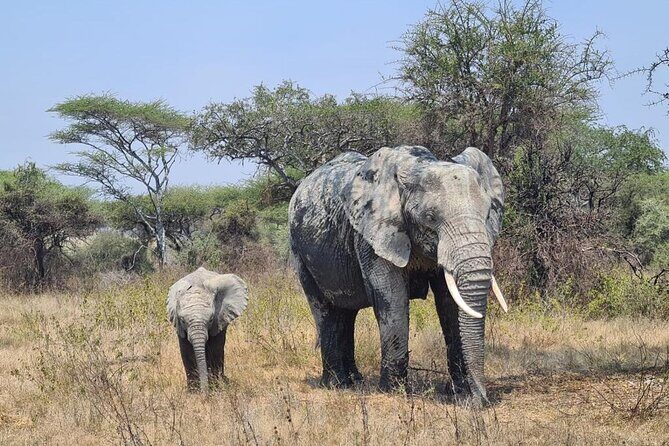
A safari lives or dies on the human factor: how your driver scans, how your guide reads behavior, and how quickly you react when animals appear. In the experiences shared, guide quality shows up clearly.
For example, the driver Kessy was highlighted as welcoming and helpful, with a practical habit: when you ask to stop, the stop happens. That matters because safari spotting is often about timing and small decisions, not just luck.
Another standout name that came up was Lukas, praised as an excellent tour guide who helped make a first safari feel smooth and exciting. You also see Christian Ayo referenced in responses as a key contact in organizing and communicating.
What I’d take from that as a traveler:
- You want a guide who communicates clearly and listens
- You want someone who can adjust when sightings pop up
- You’ll enjoy the trip more when the guide can explain what you’re seeing, not just drive past it
Because this is a private tour, you’re not forced to follow someone else’s pace. You have better odds of aligning the day to your group’s comfort level while still chasing wildlife.
Price and logistics: where the value really sits
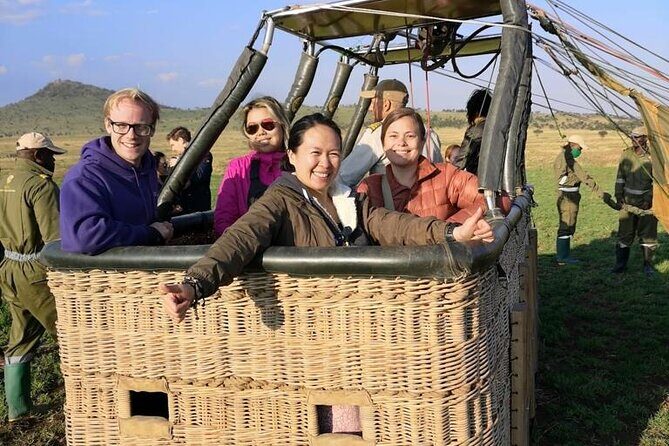
The price is $2,300 per person for about 4 days. At this price point, you’re paying for more than “seeing animals.” You’re paying for the big cost drivers of a safari: long driving days, private transportation, and the time it takes to run a route like this smoothly between two major areas.
What’s included helps you feel that value day-to-day:
- Bottled water
- Private transportation and parking fees
- Meals: 3 breakfasts, 3 lunches, and 3 dinners
So your daily budgeting is easier. Food and basic hydration are handled, and you’re not constantly thinking about where you’ll eat or how you’ll manage logistics.
What’s not included is also worth understanding:
- Alcoholic beverages
- Landing and facility fees
- Airport or departure tax
This is where you can get surprised if you’re not paying attention. You can’t control taxes that apply at airports, but you can control how prepared you are. Before you pay the balance, ask for a clear breakdown of what’s covered in your final total, especially around airport-related charges and any local fee adjustments.
Also, one more “do your homework” note: a negative report mentioned payment confusion and VAT-related deductions. I can’t verify details beyond the concern itself, but it’s a good reminder. Confirm exactly what happens to any deposits or balances, in writing, and clarify whether deductions apply so you’re not doing math on the fly under pressure.
Daily timing: why early mornings are the hidden strategy
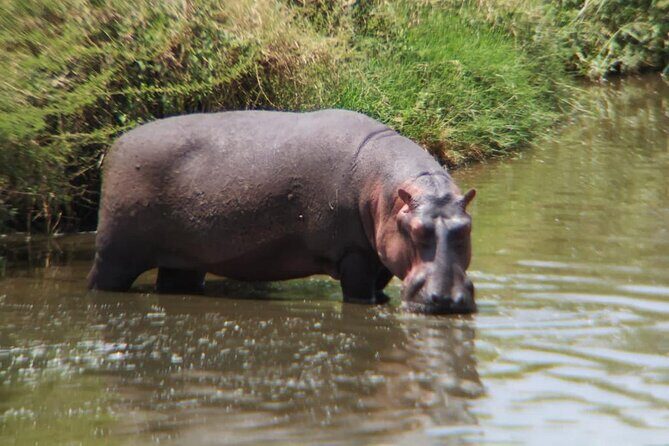
The schedule leans hard on mornings, and that’s not random. Early game drives help because animals tend to be more active as the day starts. They also tend to be more visible when the light is clearer and heat hasn’t built up.
You’ll feel the rhythm:
- Day 2: drive into Serengeti, then wildlife in late afternoon into evening
- Day 3: early drive, lunch break, then another drive, then transfer
- Day 4: crater descent at 6:15 am, then a full morning inside the crater
If you hate early wake-ups, you’ll feel the cost of that preference. If you’re okay with rising early to get better chances of sightings, this rhythm can feel satisfying rather than exhausting.
What to pack and how to make the days feel easier
You didn’t ask for packing advice, but for a safari like this, it’s practical. Here’s what I’d plan around based on how these days run:
- Lightweight layers: mornings can feel cooler, and afternoons can get warm
- Sun protection: hats and sunscreen, because game drives often mean long time outside
- A small day bag: water, wipes or tissues, and anything you need without digging
- Comfortable shoes you trust on lodge paths and short walking breaks
The tour includes bottled water, which is great. Still, having your own essentials makes you calmer.
Who this safari fits best (and who might rethink it)
This safari is ideal if:
- You want Serengeti + Ngorongoro without a week-long timeline
- You like structured days with clear starts and wildlife-focused blocks
- You travel as a group that values private logistics
It may be less ideal if:
- You want lots of downtime and slow mornings
- You dislike long vehicle days and multiple transfers
- You’re easily thrown off by early wake-ups
If you’re celebrating a birthday, planning a first-time Tanzanian safari, or you want a “most famous parks” itinerary without complicated planning, this fits.
Should you book this 4-day Westway Safaris route?
I’d book this if your goal is a focused, iconic safari circuit in a short time and you’re comfortable with early starts and long drive days. The combination of Serengeti sunset time and an early Ngorongoro crater descent at 6:15 am is exactly the kind of timing that makes short safaris feel worth it.
Before you pay, do two quick checks:
- Ask what’s covered for taxes/fees around airport charges (since landing/facility fees and departure tax aren’t included)
- Confirm the exact payment handling and any possible VAT or balance deductions so there are no nasty surprises
If those are clear and you’re ready for a packed four days, this is a solid way to hit Tanzania’s big wildlife stages without wasting time.
FAQ
Is pickup included, and where does the safari start?
Yes. You’ll be picked up at Kilimanjaro International Airport and taken to the provider’s office in Arusha. The experience starts in Arusha, Tanzania.
What parks do we visit during the 4 days?
You’ll visit Serengeti National Park on Days 2 and 3, and Ngorongoro Crater on Day 4.
How long are the travel days between locations?
Day 2’s drive from Arusha to Serengeti is listed as about 6 hours (including stops). Day 3 includes a 2-hour drive to the lodge near the Ngorongoro rim after game driving.
Are park admission tickets included?
The itinerary notes admission ticket free for the safari days.
What meals are included?
The tour includes 3 breakfasts, 3 lunches, and 3 dinners, plus bottled water.
Is this a private tour?
Yes. It’s described as private, meaning only your group participates.
What time is the Ngorongoro descent?
You descend into Ngorongoro Crater at 6:15 am on Day 4.
What is the cancellation policy?
Free cancellation is available if you cancel up to 24 hours in advance for a full refund. Canceling less than 24 hours before the start time does not receive a refund.
If you want, tell me your travel month and your flight arrival time at Kilimanjaro. I can help you judge how easy (or brutal) those early starts will feel and what to prioritize before you go.