REVIEW · ARUSHA
Northern-circuit Adventure
Book on Viator →Operated by Safari Bike Africa, Ltd · Bookable on Viator
Three parks plus one human-origin stop in four days. This northern Tanzania route from Arusha strings together Momella Lakes for flamingo breeding, Lake Manyara for birdlife, Ngorongoro Crater for concentrated animals, and Olduvai Gorge for early-human evidence. A practical plus: admission tickets are included for the main stops, so you can focus on wildlife spotting instead of fee math.
I also like the private tour feel, because your group doesn’t share the day with strangers. Guides such as Mapunda, Justin, Ally, Valence, and Kiata show real skill at finding animals and explaining what’s happening in the bush and in Tanzanian life. The main consideration is simple: it’s a tight, fast-moving 4-day window, so you’ll want to handle long driving days and be flexible if weather affects conditions.
In This Review
- Key things that make this northern circuit tick
- Momella Lakes: flamingos, acacias, and a calm start from Arusha
- Lake Manyara: a seasonal alkaline lake built for birds
- Ngorongoro Crater: where dense wildlife can stack up in 7 hours
- Olduvai Gorge: early humans, 1.9 million years ago, and a different kind of awe
- Price and what you actually get for $1,990 per person
- Guides are the difference: spotting skill plus Tanzania culture
- Timing, weather, and practical comfort moves
- When this northern circuit makes the most sense
- Should you book this Northern-circuit Adventure from Arusha?
- FAQ
- How long is the Northern-circuit Adventure?
- Where does the tour start and end?
- Is pickup included?
- Is this a private tour?
- Are admission tickets included?
- What physical fitness level is needed?
- What happens if weather is bad?
- Can I cancel and get a full refund?
Key things that make this northern circuit tick
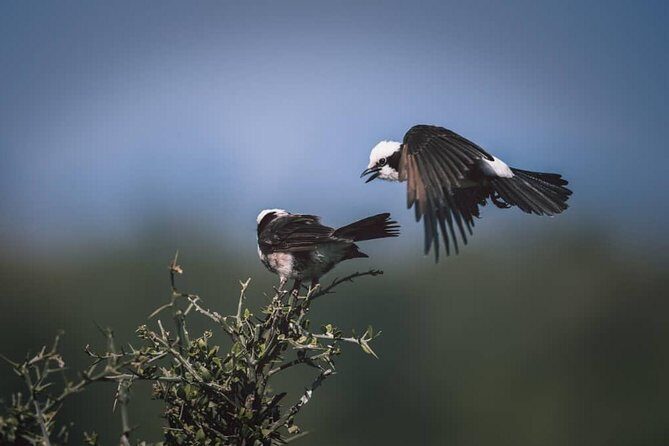
- Momella Lakes flamingos in a classic bush-savanna setting with acacias
- Lake Manyara’s seasonal alkaline lake and serious birdlife watching
- Ngorongoro Crater’s dense game where sightings can stack up fast
- Olduvai Gorge’s origin story, with early human evidence dating back about 1.9 million years
- Private, group-only safari days, with guidance focused on spotting and explanations
- Included park admissions at each major stop, cutting down on surprise add-ons
Momella Lakes: flamingos, acacias, and a calm start from Arusha
Momella Lakes is a smart first move because it warms you up without tiring you out. This stop is timed at about 40 minutes, so it feels like the “take a breath and look around” chapter before the bigger wildlife days.
What makes it special is the setting and the purpose. Momella Lakes are known for flamingo breeding, and the area sits in bush savanna with acacias. That matters for photography and for your brain: you’re not just staring at birds in a blank space. You’re watching them in a landscape that looks like what you imagine East Africa to feel like—dry, textured, and alive with small motion.
Practical tip: keep an eye on the edges of the water and shallow areas. Flamingos tend to do their feeding and shifting with patterns you’ll notice once you’re watching calmly for a few minutes. If you go in expecting a quick “spot and move on,” you’ll miss the fun of it.
You can also read our reviews of more tours and experiences in Arusha.
Lake Manyara: a seasonal alkaline lake built for birds
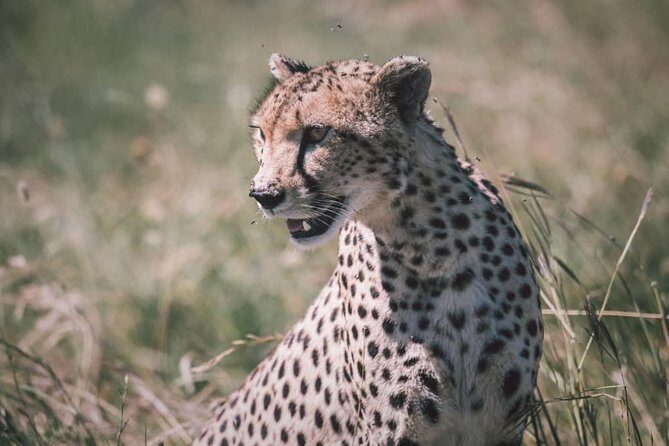
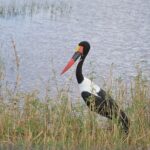
Lake Manyara is one of those parks where the action can be less about one headline mammal and more about everything moving in the sky and along the waterline. You’ll spend about 10 hours here, and the center of it is a seasonal alkaline lake.
That seasonal detail matters. Since the lake conditions change, the birdlife you get can shift with the season. The waters can become more or less inviting depending on timing, and birds take advantage of what’s available—especially in brackish, alkaline environments where they can feed efficiently.
If you love birds, this is where you’ll feel rewarded. The lake supports an incredible array of birdlife, and the mix of water, edges, and nearby vegetation gives birds options: rest, feed, and move.
A small reality check: birding often takes patience. If you’re only interested in big-game sightings, you might have a slower mental pace here. But if you like wildlife that doesn’t need roaring to be impressive, Manyara is a great fit.
Ngorongoro Crater: where dense wildlife can stack up in 7 hours
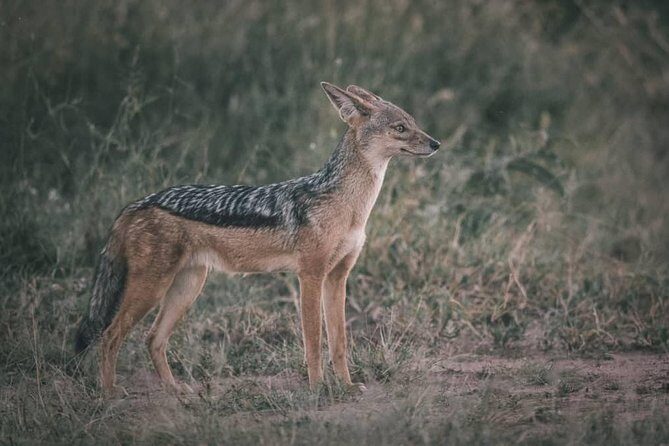
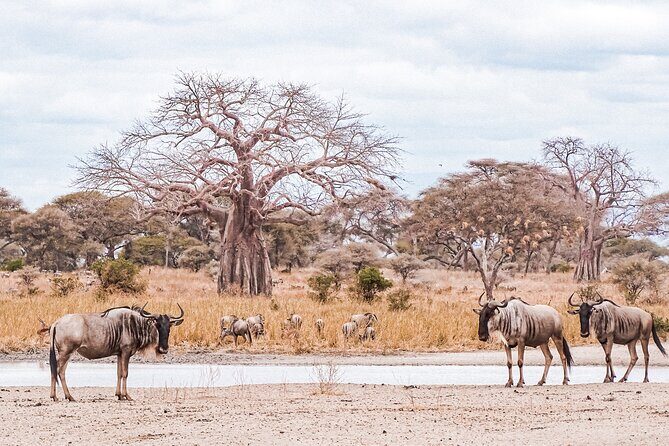
Ngorongoro Crater is the headliner for many people, and this route gives you about 7 hours there. The day is built around one idea: concentrated wilderness. In practical terms, that means you’re more likely to see several species in a shorter window than you might in a place where animals are spread out over huge terrain.
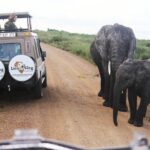
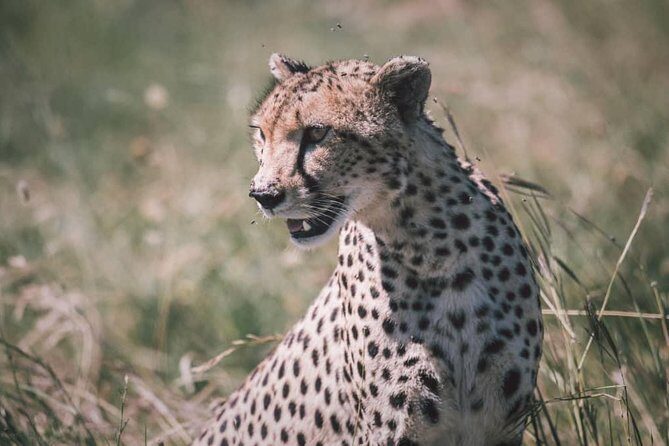
It’s also where your “wildlife memory” tends to get written. People on similar safaris have reported seeing giraffes, elephants, zebras, buffalo, lions, hippos, monkeys, and lots of birds in the same general crater system. Rhinos have shown up too, including a mention of a baby rhino—rare, but not impossible in the broader region.
Two tips make a big difference in a crater day:
- Go with a flexible viewing mindset. Sometimes the best moments happen when you stop expecting them.
- Bring something for comfort and timing your breaks. Long wildlife days are easier when you’re not fiddling with basics.
Also, the crater’s terrain can mean strong sun and dusty air. You’ll enjoy the day more if you dress for changing conditions: layers you can manage, and sun protection you don’t regret.
Olduvai Gorge: early humans, 1.9 million years ago, and a different kind of awe
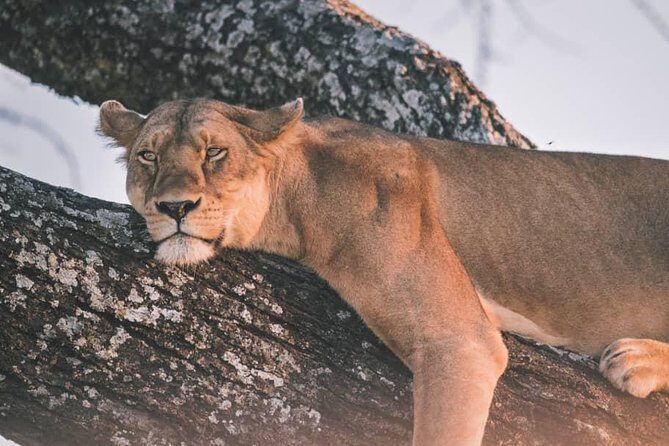
After wildlife concentration, Olduvai Gorge changes the type of awe. This is about palaeontological sites tied to human origins, including evidence of inhabitation dating back about 1.9 million years.
The time scale is the point. On safari, you’re watching evolution in the present—animals adapting, surviving, moving. At Olduvai Gorge, you get a different feeling entirely: the sense that humans have been shaping this story for an incredibly long time.
You’ll have about 2 hours here, which is enough to get the essentials without turning it into a rushed school trip. Expect an educational stop that pairs well with the earlier natural history of the northern circuit.
Practical tip: if you’re sensitive to dust or sun, this is where you’ll feel it. Pack accordingly, and keep water on hand even if you’re not sure exactly what’s provided during this specific segment.
Price and what you actually get for $1,990 per person
At $1,990 per person for a 4-day safari from Arusha, the sticker shock is real—until you look at what’s included. This isn’t a “just drop you at a park gate” deal.
You get:
- A private tour for your group
- Pickup offered and return back to the meeting point
- Admission tickets included for the main stops
- Meals listed as included (dinners, lunches, and breakfast show up in the inclusions section, while some dinners are listed as not included)
- A mobile ticket, which reduces the hassle of paper documents
Then there’s what’s not included: the data shows Dinner x 4 as not included. That’s a normal pattern for multi-day tours where some meals stay flexible. It also means you should plan a little cash buffer for evening meals, especially if you’re picky about restaurant style or dietary needs.
So is it good value? For me, it’s strongest for the traveler who wants:
- The classic northern highlights in a short window
- A guide who can turn wildlife spotting into understanding
- Less time managing logistics and more time watching animals and learning
If you’re trying to squeeze every dollar, you might feel the price. If you’re aiming for an efficient, guided “best of” northern safari, it starts to look reasonable fast.
Guides are the difference: spotting skill plus Tanzania culture
One of the most repeated strengths here is guidance quality. Names you may hear in this region include Mapunda, Justin, Ally, Valence, Kiata, and others connected with the operation such as Nasari, Mario, and Pepe. The common thread is that the guide work isn’t only about where to point your camera.
You’ll get explanations—about wildlife behavior, and also about Tanzania culture. That blend is what turns a drive through parks into a story you can actually remember later. When someone knows the bush and also knows how to connect what you’re seeing to the place, you feel smarter by day’s end.
People also mention practical care: for example, water during the adventure and good organization throughout the trip. That matters more than it sounds. A safari day isn’t just sightings—it’s comfort, timing, and how smoothly the day runs when plans shift.
Family angle: there are mentions of people traveling with children and having a good experience, as long as everyone can handle the moderate physical pace of the day. If you’re traveling with teens or older kids, this kind of structure can work very well.
Timing, weather, and practical comfort moves
This tour runs inside posted opening hours of 9:00 AM to 6:00 PM, Monday through Sunday, with operating dates listed from 01/12/2024 to 06/16/2026. Since the exact start time can depend on your confirmation and the day’s conditions, you’ll want to build buffer into your Arusha schedule.
Two practical realities to keep in mind:
- Good weather is required. If conditions are poor, you’ll be offered a different date or a full refund.
- Your physical requirement is listed as moderate fitness. That doesn’t mean marathon hiking, but it does suggest you’ll be out in the environment and moving around some.
What should you bring?
- Comfortable shoes for short site walking
- Sun protection (hat, sunscreen)
- A lightweight layer for changing conditions
- Binoculars if you use them (even basic ones can improve birding and crater viewing)
- Water planning for dusty moments, especially on crater and gorge days
- A budget for meals that are not listed as included (Dinner x 4 is noted as not included)
Also, since it’s private and your group is the only group on the activity, you can ask your guide to adjust your pace a bit. If someone in your group gets tired easily, say so early. Better to calibrate than to “push through” unnecessarily.
When this northern circuit makes the most sense
This Northern-circuit Adventure is a strong match if you want:
- A concentrated northern safari starting and ending in Arusha
- Big-animal potential plus bird-focused time
- The rare combo of wildlife and human origins in the same trip
- A guide-led experience, where you’re not left guessing what you’re looking at
It may not be your best fit if:
- You dislike tight schedules and want more downtime between parks
- You want a slower travel pace with less driving
- Your plans can’t flex if weather forces changes
Should you book this Northern-circuit Adventure from Arusha?
I’d book it if you’re aiming for a high-impact northern Tanzania visit without spending weeks on logistics. The value shows up in the mix: included admissions, a private setup, strong guiding, and the smart “nature plus human origins” storyline from Momella Lakes to Olduvai Gorge. It’s also ideal for first-time safari travelers who want the classics—without feeling like you’re rushing blindly.
Before you commit, do two quick checks:
- Confirm the exact meal counts listed in the inclusions, since the formatting shows some duplication and also notes several dinners as not included.
- Make sure you’re comfortable with the moderate pace and the fact that the schedule is packed into 4 days.
If those boxes work for you, this is the kind of safari route that can leave you with more than photos—an actual sense of place, wildlife behavior, and time depth.
FAQ
How long is the Northern-circuit Adventure?
It runs for 4 days approximately.
Where does the tour start and end?
It starts in Arusha, Tanzania, and ends back at the meeting point.
Is pickup included?
Yes, pickup is offered.
Is this a private tour?
Yes. It’s private, so only your group participates.
Are admission tickets included?
Admission tickets are included for the listed stops.
What physical fitness level is needed?
A moderate physical fitness level is recommended.
What happens if weather is bad?
This experience requires good weather. If it’s canceled due to poor weather, you’ll be offered a different date or a full refund.
Can I cancel and get a full refund?
Yes. You can cancel up to 24 hours in advance for a full refund. If you cancel less than 24 hours before the start time, the amount paid isn’t refunded.
If you want, tell me your travel month and whether you prefer more wildlife time or more birding/education time, and I’ll suggest how to plan your days around this route.