REVIEW · ARUSHA
3 Days Tanzania Safari to Manyara Tarangire and Ngorongoro
Book on Viator →Operated by Kanje grand tours · Bookable on Viator
One safari, three icons, and a lot of wildlife time.
This 3-day North Circuit route links Tarangire, Ngorongoro Crater, and Lake Manyara into a tight plan that keeps you out searching for animals instead of wasting days on transfers. You start with big-elephant country, move to a world-famous crater full of concentrated life, then finish at Manyara’s famous lion and bird show.
What I really like is the way it stacks standout chances in a short window. I love the focused game drives timed around sightings, plus the bonus attention to the harder-to-see predators. I also love that the guides behind Kanje grand tours (like Amani, Aaron, and Evance) are praised for being organized, caring, and able to explain what you’re seeing clearly.
One drawback to plan around: it is a full-on, early-start safari. You’ll be up and moving right from morning pickup, and the days run long, so pack for comfort and accept that wildlife spotting (especially lions and leopards) still has an element of luck.
In This Review
- Key highlights you will actually care about
- The North Circuit in 3 days: why this route works
- Day 1 in Tarangire: baobabs, elephants, and the art of predator patience
- Day 2 in Ngorongoro: crater views, black rhino odds, and hippo pool time
- Day 3 at Lake Manyara: tree-climbing lions and flamingos
- How the schedule feels: early starts, long drives, and real group flow
- Your guide matters: why Amani, Aaron, and Evance get praised
- Where you sleep: Fig tree lodge & Campsite in Ngorongoro
- Price and value: what $700 really buys you
- Things to consider before you go (so you stay happy)
- Who should book this 3-day North Circuit safari
- Should you book this tour?
- FAQ
- What parks are included in the 3-day itinerary?
- What time does the safari start and is pickup included?
- Are park entrance tickets included?
- What meals are included over the 3 days?
- Where do you stay overnight?
- Is drinking water provided?
- What costs are not included in the price?
- How large is the group?
- What is the cancellation policy?
Key highlights you will actually care about
- Tarangire’s elephants and baobabs: a park with major elephant numbers and classic old baobab trees to frame your photos
- Ngorongoro’s crater density: one place where you can realistically aim for the Big Five, including the black rhinoceros
- Hippo pool viewing at Ngorongoro: a set-piece you’ll be looking for as you descend
- Lake Manyara tree-climbing lions: a rare behavior to watch for, not just a name on a brochure
- Birding at Manyara: flamingos and many other species make mornings extra rewarding
- Guides who manage the day: strong organization and explanation from guides like Amani, Aaron, and Evance
The North Circuit in 3 days: why this route works
If you’re short on time but want maximum Tanzania “wow,” this circuit is built for it. You are covering three very different places—Tarangire’s elephant-heavy plains and baobabs, Ngorongoro’s natural amphitheater, and Manyara’s lake-and-woodland vibe—so you’re not doing the same safari look for three days in a row.
The tour also leans into practical planning. You get hotel pickup in the morning, then you shift into long game drives that run with the pace of wildlife sightings. That matters because in safari country, the animal you want often isn’t on a schedule. A good guide tries to get you to where the action is most likely to be, rather than forcing you to “stick to a route” no matter what.
One more thing I like: the structure is simple. Day 1 and Day 3 are about wildlife searching and photography time, while Day 2 is the centerpiece crater experience plus overnight at Fig tree lodge & Campsite.
A few more Arusha tours and experiences worth a look



Day 1 in Tarangire: baobabs, elephants, and the art of predator patience
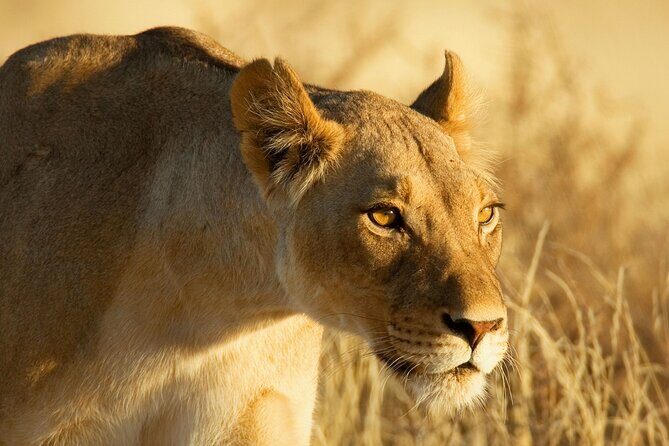
On the first morning, pickup starts early (you’ll see 7:00am as the start time, with 7:30am noted for hotel pickup). After meeting your guide and chef, you drive about 2 hours into Tarangire National Park. The drive itself is part of the fun—getting your bearings fast is good when you’re heading into prime safari time.
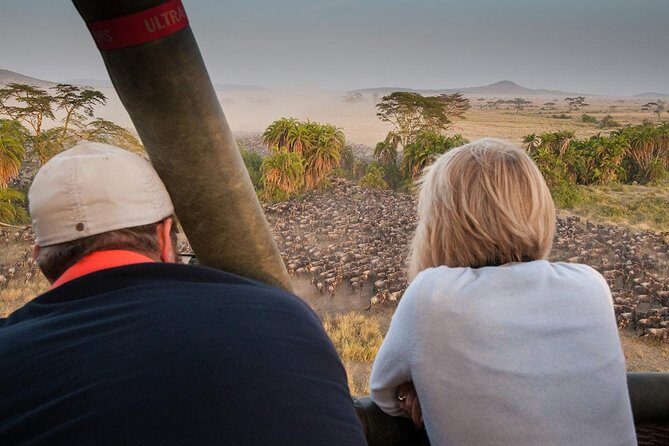
Tarangire is especially known for two things: ancient baobab trees and elephants. This park is famous for having the largest concentration of elephants in Tanzania, plus chances to observe elephant families interacting. For many first-timers, that family behavior is a bigger deal than you expect. It turns elephants from distant silhouettes into a story you can actually follow.
What you can realistically aim to see here:
- Elephants moving through open areas and around baobabs
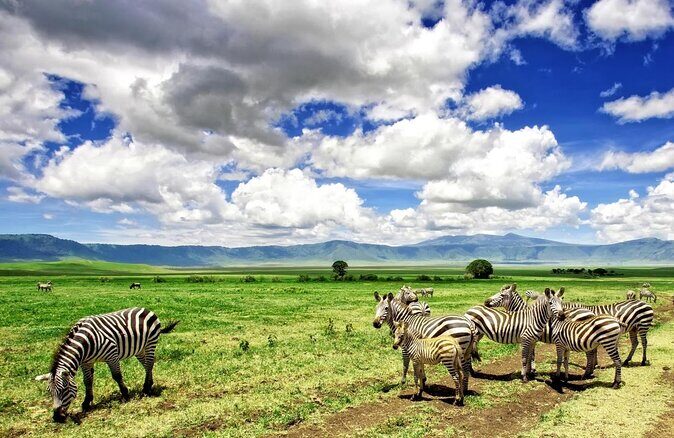
- The more “showy” herbivores like giraffes, wildebeest, and zebras
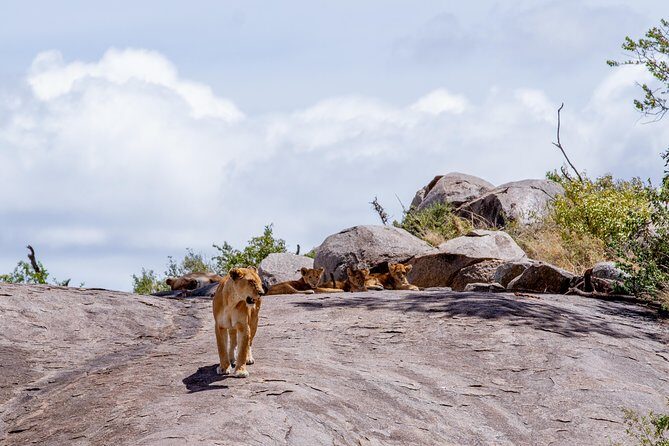
- Predators when they’re reported in the right spots—think lions, cheetahs, and leopards
The tour description is honest about what’s hardest: predators can be trickier to spot. That’s not a flaw—it’s just reality. If you go in expecting every game drive to produce instant Big Five sightings, you’ll get frustrated. But if you go in ready to be flexible, you’ll enjoy the process.
A small but smart tip: this is a day where you benefit from sitting and watching for a bit longer at one sighting area. Animals often reveal themselves slowly. Even when you don’t see a predator right away, you may catch the build-up—alert behavior, movement in the distance, or birds reacting.
Day 2 in Ngorongoro: crater views, black rhino odds, and hippo pool time
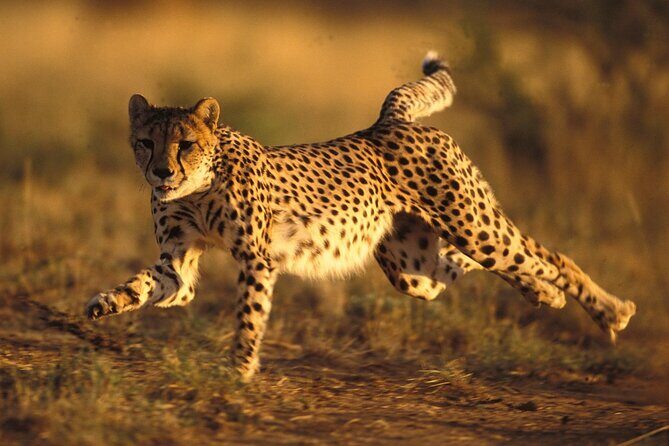
Day 2 is the headline day for many people. After breakfast, you head to the Ngorongoro Conservation Area and down into Ngorongoro Crater, one of the most famous natural calderas on earth.
What makes this day special is concentration. In a crater setting, life tends to gather where it can find food and water, and that means your chance of seeing a lot of different species in a single day goes up.
You get a classic “first look” moment when you see the caldera from a panoramic viewpoint. It helps to think of it as a natural amphitheater: you’re about to spend time looking at wildlife inside a bowl-shaped world.
Ngorongoro is also one of the best places on the planet to try for the endangered black rhinoceros. You’re not guaranteed a sighting, but the tour clearly focuses on giving you the best shot. You’ll also be looking for the hippo pool, which is known for offering strong viewing of hippos cooling off together.
Big Five goal, with practical expectations
The tour specifically notes that Ngorongoro can be a prime spot for Big Five sightings, and in practice, that’s why people build their trip around this crater. Still, keep your expectations grounded: even in a high-odds place, wildlife is wildlife. The real win is that the tour puts you in the right kind of environment to make your odds better.
Logistics-wise, your day includes the crater time plus overnight and dinner at Fig tree lodge & Campsite. That overnight is part of the flow—you don’t just race through the day and rush away the same afternoon.
Day 3 at Lake Manyara: tree-climbing lions and flamingos
After breakfast on the final morning, you head back out to Lake Manyara National Park. The day follows the same idea as the earlier drive days: get to the park, then spend game-drive time searching based on sightings.
Lake Manyara has two big attractions that are worth knowing before you go:
- Tree-climbing lions: the classic behavior that makes this park so famous
- Birding: Lake Manyara is known for a wide variety of birds, including flamingos
That bird detail matters. A lot of safari schedules focus on mammals first. Manyara gives birds their moment, and it’s fun to watch how quickly the setting changes from woodland searching to lake-edge scanning.
Photography note
This is a park that can turn into a photographer’s playground. You have animals, trees, and a lake environment, so you’ll likely end up with varied shots instead of only wide landscapes.
Also, you get a satisfying finish: after the safari you drive back to Arusha, where your dinner is on your own, so you can choose what feels good after three big days.
How the schedule feels: early starts, long drives, and real group flow
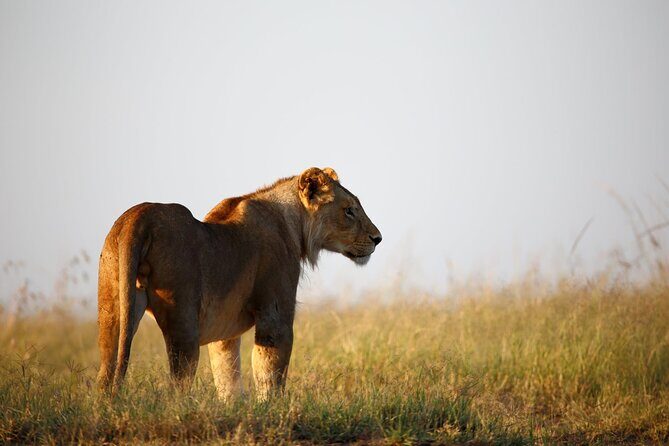
The tour is built around three long safari days. Day segments are listed as about 8 hours, which is plenty of time in wildlife zones—especially when you consider morning and afternoon movements that guides use to position you for sightings.
Group size is capped at 100 travelers. That number is large enough that you may not feel like you’re with a tiny private party, but it doesn’t automatically mean chaos. The more important factor is how the guide manages the vehicle setup and where you’re placed in the field.
You’ll also benefit from the pickup approach. Hotel pickup removes one headache: figuring out transport in a foreign place right when your trip starts.
Two practical things to plan around:
- You will be in the car a lot, so pack for comfort (layers help in early mornings).
- Predator spotting can take patience. The goal is not instant sightings on command; it’s having the right people working the day.
A few more Arusha tours and experiences worth a look



Your guide matters: why Amani, Aaron, and Evance get praised
Here’s what consistently shows up in the best safaris: a guide who knows how to read the park and explain what you’re seeing. This trip is run by Kanje grand tours, and guides named in feedback include Amani, Aaron, and Evance.
What makes that important is not just trivia. When a guide can describe animal behavior and ecology, the whole day gets more meaningful. Instead of seeing lions as only a photo target, you learn what they’re doing and why. That also helps you make better choices while you’re on the move—where to look, when to wait, and what signals to watch for.
English communication also matters for many visitors, and at least one guide is noted as speaking good English. That’s a real quality-of-life upgrade when you’re trying to understand animal calls, track signs, and the reasoning behind a stop.
The other big theme is care and organization. People highlight that the trip runs smoothly from start to finish and that the guide takes good care of the group. In safari terms, that means fewer wasted moments and more time where you can actually be looking through binoculars.
Where you sleep: Fig tree lodge & Campsite in Ngorongoro
Overnight is at Fig tree lodge & Campsite during the Ngorongoro night, and dinner is included there. A key point for your planning: this is safari accommodation that’s comfortable, but it’s still very much in the safari world, not a city hotel.
Some feedback mentions clean campsites and good food, plus sleeping in tents. Since the exact setup can vary by night and capacity, I’d treat it as a camping-style experience with real comfort where possible—especially for the Ngorongoro overnight that’s specifically named.
What this means for you:
- If you love safari nights where the sounds of the wild are part of the mood, you’ll likely enjoy this.
- If you need very high-end hotel standards every step of the way, you might find the camping-style nights less satisfying, even with good service.
Price and value: what $700 really buys you

At $700 per person, this trip isn’t the cheapest way to do Tanzania’s northern parks, but it also isn’t priced like a private charter. The value comes from what’s included.
Included items you should notice:
- All fees and taxes
- Professional guide/driver
- All activities
- Unlimited drinking water
- Meals: 3 breakfasts, 3 lunches, and 2 dinners
- Admission ticket free for the safari parks (listed for each day)
Not included:
- Tips
- Visa
- International flights
That “admission ticket free” detail is a big deal. Park fees in Tanzania can add up, and having them included helps you budget without surprises. Also, unlimited water is not always standard, and long safari days make it a real comfort feature.
If you’re trying to decide between a cheaper tour and this one, don’t only compare price. Compare how many things are handled for you: tickets, driver/guide quality, and the rhythm of the days. The best safaris are the ones where you spend your mental energy watching animals instead of managing logistics.
Things to consider before you go (so you stay happy)
Safari is magic, but a few realities are worth spelling out:
- Wildlife is never guaranteed on schedule. The tour focuses on known “best chances” (like predators in the right areas and black rhino odds in Ngorongoro), but sightings depend on where animals are that day.
- It’s a long-days style trip. Expect early mornings and plenty of time in the vehicle.
- Tips are not included. If you don’t plan for tips, it can feel like a surprise at the end.
- Bring patience for predators. Lions and leopards can take time, and the tour description even notes that these animals are harder to spot.
Also, think about what you want out of the experience. If your top goal is Big Five, this route is built for that. If your top goal is pure relaxation and minimal driving, you might find the pace intense.
Who should book this 3-day North Circuit safari
You’ll likely love this tour if:
- You’re a first-time visitor who wants major parks in a short time
- You care about the Big Five plan, especially aiming for black rhino at Ngorongoro
- You like variety: elephants and baobabs in Tarangire, crater density in Ngorongoro, and birding plus tree-climbing lions at Manyara
- You appreciate a guide who explains animal behavior clearly (and you want more than just a checklist)
You might think twice if:
- You need a very low-paced itinerary
- You expect guaranteed predator sightings every day
- You dislike safari-style nights, even when they’re comfortable
Should you book this tour?
If your idea of a perfect Tanzania trip is three park days with smart guiding, good meal coverage, and free park admissions built into the price, then yes, this is a strong option. The big reason is simple: the route hits the places that concentrate wildlife and memorable experiences fast—Tarangire for elephants and baobabs, Ngorongoro for crater life and black rhino odds, and Manyara for tree-climbing lions and birding.
Book it with two mindset tweaks. First, treat sightings like a negotiation with nature, not a vending machine. Second, plan for long, early days and you’ll be in the right frame of mind to enjoy the day as it unfolds.
FAQ
What parks are included in the 3-day itinerary?
The tour covers Tarangire National Park, Ngorongoro Conservation Area/Ngorongoro Crater, and Lake Manyara National Park.
What time does the safari start and is pickup included?
The meeting/start time is listed as 7:00am, and the first day pickup is described as 7:30am from your hotel. Pickup is offered.
Are park entrance tickets included?
Yes. The itinerary lists Admission Ticket Free for the safari days.
What meals are included over the 3 days?
Meals included are 3 breakfasts, 3 lunches, and 2 dinners.
Where do you stay overnight?
The itinerary specifies an overnight stay and dinner at Fig tree lodge & Campsite (during the Ngorongoro day). Other accommodation details are not specified in the provided info.
Is drinking water provided?
Yes. The tour includes unlimited drinking water.
What costs are not included in the price?
Not included are tips, visa, and international flights.
How large is the group?
The tour has a maximum of 100 travelers.
What is the cancellation policy?
It offers free cancellation up to 24 hours in advance of the experience’s start time for a full refund. If you cancel less than 24 hours before, the amount paid is not refunded.