REVIEW · ZANZIBAR CITY
Zanzibar: Stone Town City Tour with Local Guide
Book on GetYourGuide →Operated by Zanzibar Home Tours & Safari · Bookable on GetYourGuide
Stone Town hits you fast, even on a short walk. I like how this tour threads together major landmarks with the maze of narrow lanes, and you get a local guide who handles the big stories in clear, practical English. The other thing I really value is the mix of culture and real everyday life—street food vibes, places like Darajani Market, and shopping that supports local artists. One heads-up: Stone Town can be brutally hot, and one past guest noted it would feel better with more chances to pause for something cold.
This is a private, 3-hour walking tour based out of People’s Palace Museum, built for people who want to see the highlights without getting lost on their own. You’ll move at a walking pace through UNESCO World Heritage territory, with stops that make the city feel connected instead of chopped into random photos.
In This Review
- Key highlights worth planning for
- Entering Stone Town on Foot: Why This Route Works
- People’s Palace Museum: Your Easy Starting Point
- Narrow Streets and Real Zanzibar: What the Walking Time Gives You
- Freddie Mercury Museum: More Than a Celebrity Detour
- Old Fort (Ngome Kongwe) and House of Wonders (Beit-el-Ajaib): Big Architecture, Clear Purpose
- The Former Slave Market: Where Context Matters
- Forodhani Garden, Jaws Corner, and Darajani Market: Food, Shopping, and Street Life
- Price and Value: What $25 Buys You in 3 Hours
- Timing, Heat, and How to Not Melt During the Walk
- Private Group Details: Comfort, Pace, and Language
- Who Should Book This Stone Town City Tour?
- Should You Book This Stone Town City Tour?
- FAQ
- How much does the Zanzibar Stone Town City Tour cost?
- How long is the tour, and where does it start?
- What’s included in the tour price?
- Which major sights are part of the tour?
- Are there private group and language options?
- Can I cancel or pay later?
Key highlights worth planning for

- Freddie Mercury Museum stop for music fans and anyone curious about Zanzibar’s global connections
- Old Fort (Ngome Kongwe) and House of Wonders (Beit-el-Ajaib) for architecture and power in one route
- Former slave market visit, paired with context so you understand what you’re seeing
- Forodhani Garden, Jaws Corner, and Darajani Market for atmosphere, snacks, and everyday Zanzibar
- Walking the narrow streets with a local guide so you get meaning, not just landmarks
- Shopping with local artists so your souvenirs have a story behind them
Entering Stone Town on Foot: Why This Route Works

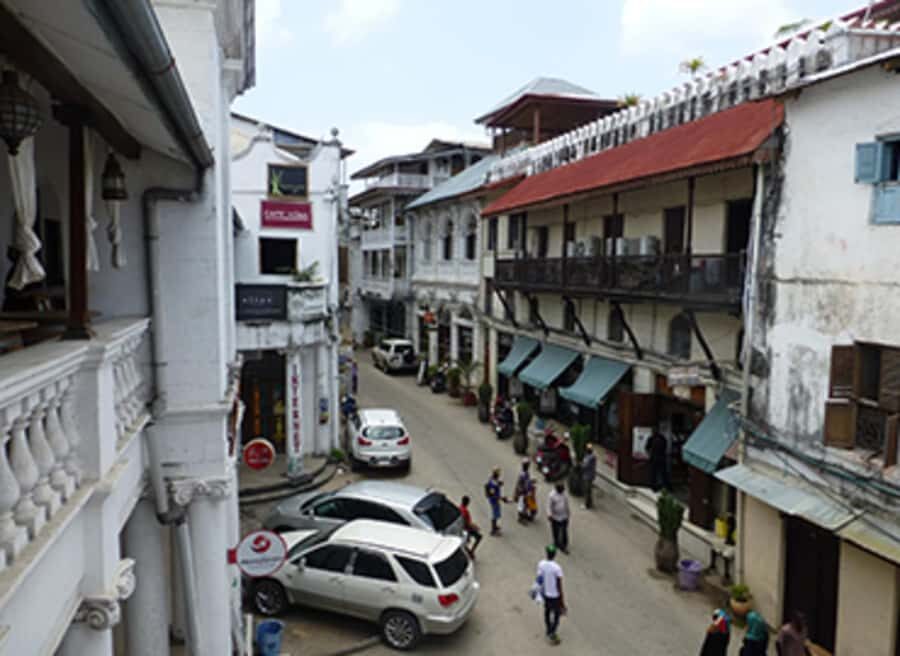
Stone Town is one of those places where maps feel confident, but the streets say otherwise. The lanes twist, the turns come early, and landmarks can seem to appear out of nowhere. That’s exactly why I like doing it as a guided walk. A local guide helps you understand what you’re passing—why it matters, what used to happen there, and how the city’s layout connects different eras.
This tour also avoids the common “checklist” problem. Instead of zipping from one distant spot to another, it keeps you in the old part of Zanzibar for the most walk-intensive parts of the day. That’s when Stone Town becomes real: the small storefronts, the conversations, the smell of food, and the steady rhythm of daily life.
If your goal is to cover big sights—Freddie Mercury Museum, major forts, and markets—while still feeling like you’re in a living city, this format makes a lot of sense. And because it’s private, you can move with less pressure than in a crowded group setup.
You can also read our reviews of more guided tours in Zanzibar City



People’s Palace Museum: Your Easy Starting Point

The tour begins in front of the People’s Palace Museum building. That matters more than you’d think. Stone Town can be confusing on first arrival, and starting from a landmark helps you get oriented fast. Once you’re there, the guide can set expectations right away—what you’ll see, how the route flows, and what themes will connect the stops.
Even if you’re arriving with jet lag, you get a clean “start line.” From there, you head into Stone Town’s old streets for the core walking portion.
One practical tip: if it’s hot (and it usually is in this region), arriving a little early gives you a buffer before the walking really ramps up.
Narrow Streets and Real Zanzibar: What the Walking Time Gives You
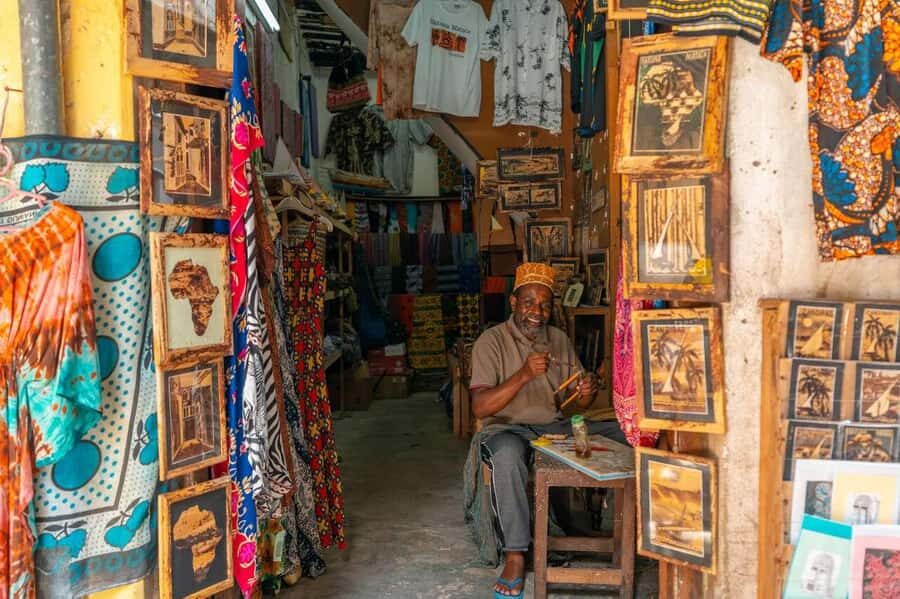
There’s a difference between visiting Stone Town and navigating Stone Town. This experience is built around walking through the narrow streets and learning how locals live and think about their city. You’re not just watching history through glass—you’re moving through it.
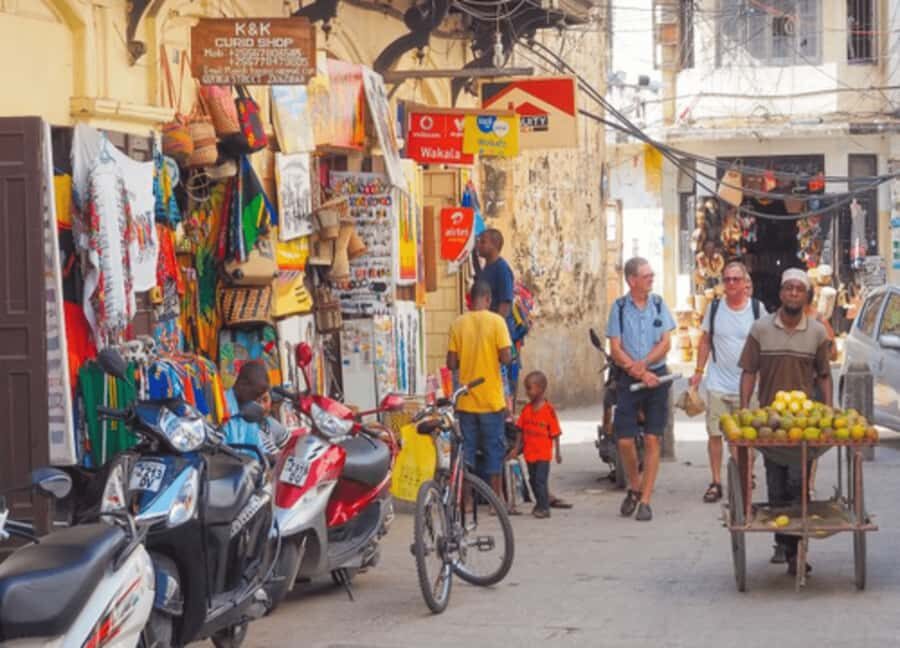
As you go, the guide points out sights and connects them to everyday culture. That includes chances to see local street food and shop along the way. The value here isn’t that you get a bunch of random stops; it’s that the route gives you a sense of how the city functions—commercial areas, gathering points, and heritage sites all within walking distance.
If you’re the type who hates standing around, you’ll likely enjoy the steady pace. It’s structured, but it still feels like you’re walking like a person, not herded like a product.
Freddie Mercury Museum: More Than a Celebrity Detour
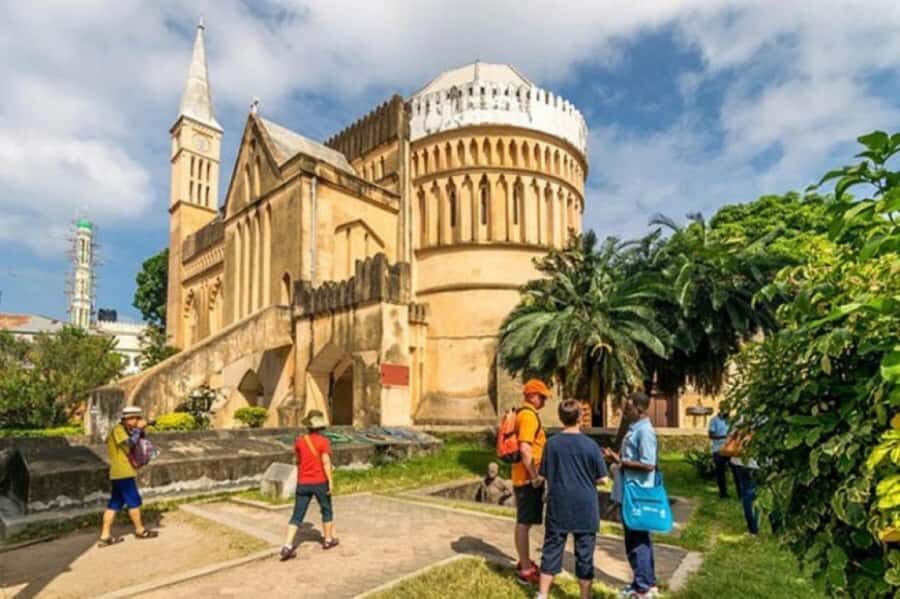
The Freddie Mercury Museum stop is one of the most fun “anchor points” on this tour, especially if you’re a music fan or you’ve always wondered how Zanzibar fits into global pop culture. It also works as a breather from the more heavy parts of Stone Town.
What makes this stop valuable is that it doesn’t just ask you to take a photo and move on. With a local guide, you’re guided toward the bigger story—how Zanzibar’s identity has been shaped by connections beyond the island, and how the city can hold both local life and international attention.
You’ll come away with a clearer sense of why this particular site matters to the city’s public face. And honestly, it’s a change of pace that makes the rest of the tour easier to digest.
Old Fort (Ngome Kongwe) and House of Wonders (Beit-el-Ajaib): Big Architecture, Clear Purpose
Two stops on this route are all about built form: Old Fort (Ngome Kongwe) and the House of Wonders (Beit-el-Ajaib). These aren’t just “cool buildings.” They’re markers of how the city organized power, trade, and influence.
With the guide’s storytelling, these landmarks become easier to visualize. You’re not only looking at walls and doors; you’re learning what they were for and why they were placed where they were. That’s what turns architecture into understanding.
Old Fort is especially good for framing Stone Town’s defensive and strategic side. Then the House of Wonders shifts the mood, pointing toward a grander vision—still tied to control and prestige, but with a different kind of statement. Even if you’re not an architecture nerd, you’ll likely appreciate how the tour pairs the two, because they give you contrast.
One thing to watch: both stops are part of a walking day. Wear shoes you trust. Stone Town is not a place for slippery soles or day-ruining heels.
You can also read our reviews of more city tours in Zanzibar City





The Former Slave Market: Where Context Matters
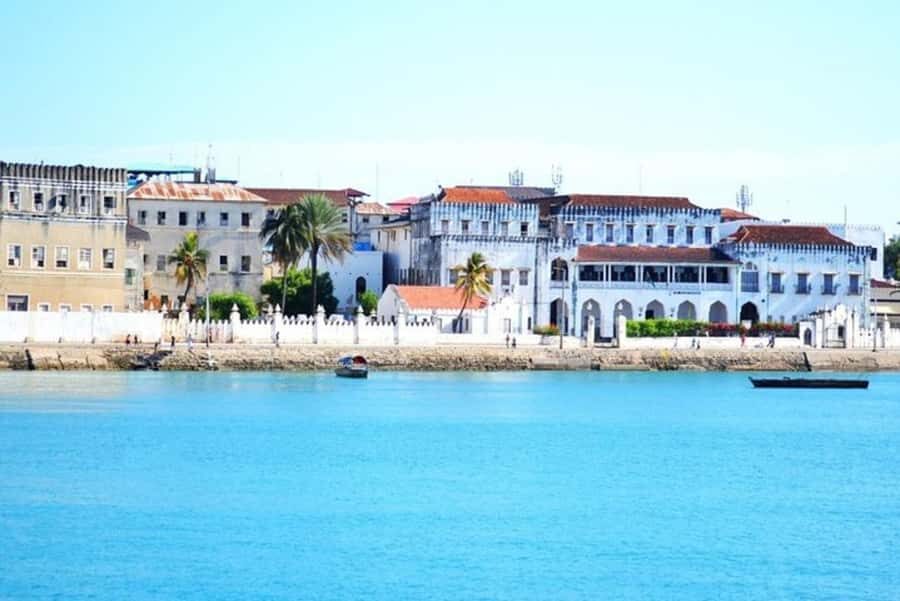
The visit to the former slave market is one of the most serious stops on the tour. It’s included with an entrance fee, and the point isn’t to rush through. You’ll get contextual interpretation from the guide so you understand what the site represents.
This is the part of the experience where tone shifts. Stone Town is full of beautiful details, and it can be easy for visitors to get swept into pretty lanes and photo moments. This stop brings you back to the human reality of what happened here. I appreciate tours that don’t treat it as a quick box-check, and that’s the vibe of this one: the guide helps the place land with meaning.
Plan mentally for a heavier hour. If you’re traveling with kids, you’ll want to consider their age and how much direct historical content they can handle, since this is not a light-and-funny stop.
Forodhani Garden, Jaws Corner, and Darajani Market: Food, Shopping, and Street Life

After the landmark-heavy sections, the tour leans into the city’s daily pulse. You’ll visit places like Forodhani Garden, Jaws Corner, and Darajani Market—areas where you can actually feel what Stone Town is doing from morning onward.
Darajani Market is especially useful if you want to see commerce in action. It’s a place to watch movement and learn what people buy and how the market space works.
Forodhani Garden and Jaws Corner give you atmosphere—gathering points where people meet, snack, and hang out. This is also where the tour’s street-food element can feel most real. If you enjoy tasting small things and watching how a food scene operates, you’re likely to enjoy this section.
And yes, there’s time for shopping. You’ll have chances to buy souvenirs to support local artists. I like this approach because the goal isn’t to sell you a trinket; it’s to encourage purchases that keep money in local hands. Still, keep your shopping mindset practical: set a small budget so you’re not surprised by how tempting the stalls can get.
Price and Value: What $25 Buys You in 3 Hours
At $25 per person for a 3-hour private tour, the value mainly comes from three things: time, guide guidance, and included entry where it matters. You get a live tour guide (English and French available), drinking water, and the entrance fee at the former slave market.
In other words, you’re not just paying for a walk. You’re paying for interpretation—someone who can explain what you’re seeing and how the pieces fit together. In Stone Town, that kind of context can make the whole city feel less confusing and more meaningful.
Also, because it’s private, the pacing usually feels calmer than a fixed group schedule. You’re less likely to feel rushed at the big stops, and you can ask follow-up questions.
If you’re trying to do the highlights efficiently—without spending your whole day bouncing between sites by yourself—this price can feel very reasonable.
Timing, Heat, and How to Not Melt During the Walk
One review flagged that it gets extremely hot, and I agree with the underlying logic: Stone Town walking tours need a smart heat plan.
This tour includes drinking water, but you should still show up ready:
- Wear breathable clothes and a hat
- Use sunscreen
- Keep your pace steady and don’t sprint between stops
If you know you’re sensitive to heat, you might appreciate building in your own cold-drink moment before or after the tour. The tour keeps moving, so having a quick reset strategy helps you enjoy everything instead of just surviving it.
Private Group Details: Comfort, Pace, and Language
This is a private group tour, and the guide speaks English or French. That choice matters if you want the information delivered in a way that sticks. One thing that came through strongly in feedback was the guide’s strong English ability and solid knowledge of what’s being shown.
It also helps that the tour is wheelchair accessible. Since this is a walking tour, don’t assume it’s effortless, but it does suggest the provider has considered route practicality for different needs. If you’re traveling with a mobility device, it’s smart to confirm the day’s specifics ahead of time.
As for pace: the core Stone Town exploration runs about 2.5 hours, wrapped into a 3-hour total tour. That means you’ll want to treat it as your main activity, not something squeezed between long bus rides.
Who Should Book This Stone Town City Tour?
This tour is a strong match for:
- First-time visitors who want the key Stone Town sights in one go
- People who like guided context—history, culture, and meaning—rather than just photo stops
- Travelers who want a blend of landmarks and local daily life (markets, food, shopping)
- Anyone who prefers a calmer experience with a private group
It may be less ideal if:
- You’re extremely heat-sensitive and hate walking in sun (bring your heat plan)
- You prefer a fully food-focused tour with lots of time to eat rather than a balanced sightseeing-and-street-life mix
- You want a very slow, minimal walking style (this one is built around walking streets)
Should You Book This Stone Town City Tour?
I think you should book it if you want a smart, efficient way to understand Stone Town without getting lost or missing major stops. The best part is the combination: landmarks that carry weight (like the former slave market) plus lighter, more human moments (markets, street life, and shopping with local artists).
If you’re choosing between going alone and paying for a guide, this is one of those situations where the guide’s job is actually the main product. Stone Town rewards people who slow down enough to look, and a local guide helps you do that.
Just go prepared for the heat, wear sturdy shoes, and give yourself permission to ask questions. That’s when a 3-hour tour turns into a Stone Town experience you’ll remember.
FAQ
How much does the Zanzibar Stone Town City Tour cost?
The price is $25 per person.
How long is the tour, and where does it start?
The tour lasts 3 hours and starts at the People’s Palace Museum. You meet in front of the building.
What’s included in the tour price?
It includes a tour guide, drinking water, the entrance fee at the former slave market, and the guided experience around Stone Town.
Which major sights are part of the tour?
You’ll see the Freddie Mercury Museum, the Old Fort (Ngome Kongwe), the House of Wonders (Beit-el-Ajaib), the former slave market, and you’ll also visit areas such as Forodhani Garden, Jaws Corner, and Darajani market.
Are there private group and language options?
Yes, it’s a private group. The live guide offers English and French.
Can I cancel or pay later?
You can cancel up to 24 hours in advance for a full refund. You can also reserve now and pay later, with pay nothing today.