REVIEW · ARUSHA
Arusha: Maasai Village Tour
Book on GetYourGuide →Operated by Adventure Bats · Bookable on GetYourGuide
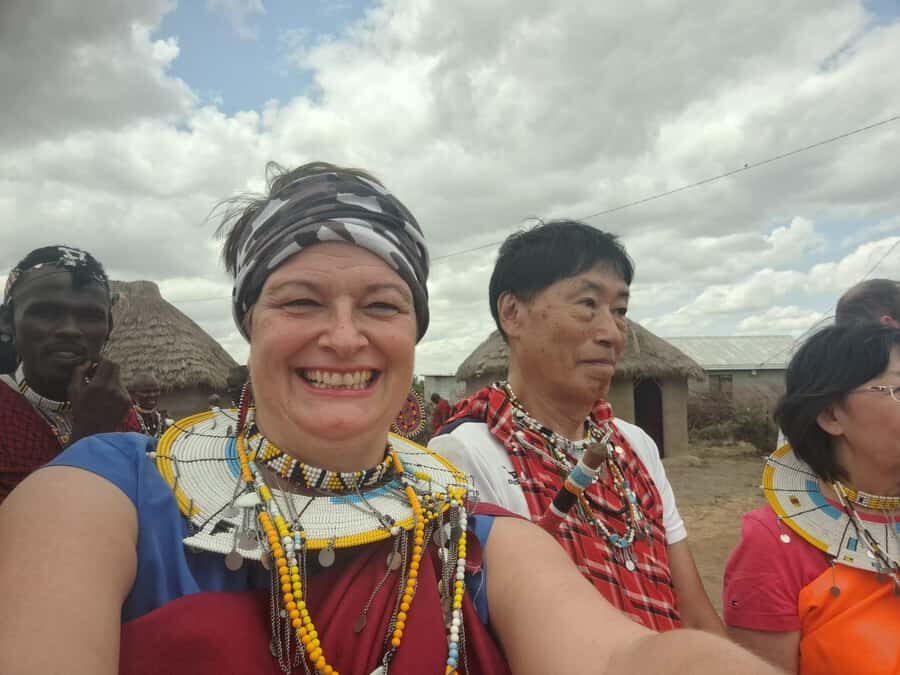
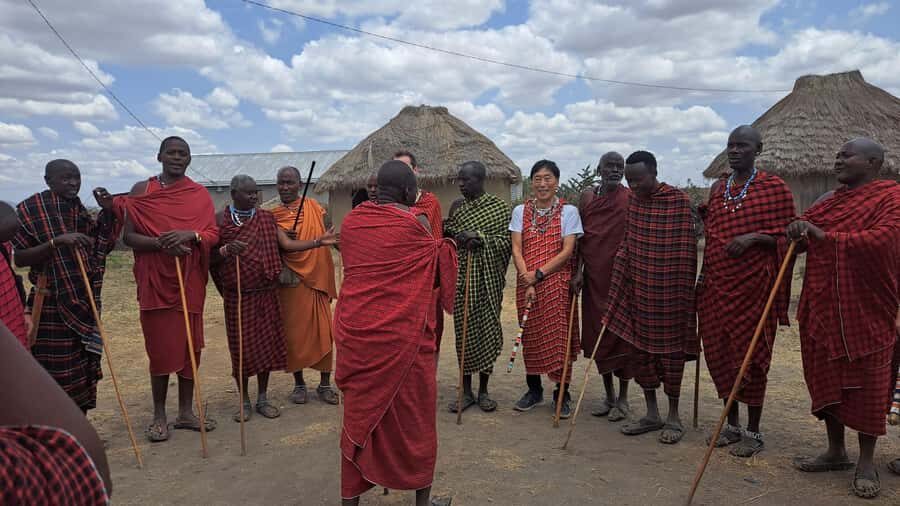
A Maasai boma visit is more than photos. You’ll get a guided look at daily life, from how homes are built to how community life is organized, and you’ll be welcomed by a village elder who brings the story to life. The jumping dance part is the headline, but what I like most is the hands-on feel: you’ll be dressed in traditional Maasai clothing and learn customs and beliefs from people living them every day.
I also love the practical cultural teaching that comes with it. You’ll hear about Maasai traditional medicine and spiritual beliefs, not just costumes and singing. The day stays active and social, with a guide who can explain things clearly in English and Swahili.
One thing to consider: the sun can be strong, and you may feel a bit of pressure to buy items at the end. Plan for sun protection, and set your own budget for any shopping so it stays comfortable for you.
In This Review
- Key Highlights Worth Your Time
- Why an Arusha Maasai Village Visit Feels Personal
- The Scenic Drive and the Boma Welcome
- Homes, Herbal Medicine, and Maasai Society Explained
- Dress in Maasai Clothing and Join the Jumping Dance
- Lunch and the Real Timing of a 6–8.5 Hour Day
- Chemka Hot Springs or a Waterfall: Make It a Longer, Better Day
- Price and Value: Is $110 Worth It?
- Practical Tips: Sun, Cash, and Respectful Shopping
- Who This Tour Fits Best (and Who Might Want a Different Day)
- Should You Book the Arusha Maasai Village Tour?
- FAQ
- How long is the Arusha Maasai Village Tour?
- Where do you get picked up?
- How long is the drive and the guided portion?
- What languages is the tour guide available in?
- What is included in the tour price?
- Can I add Chemka Hot Springs or a waterfall?
- Is the tour wheelchair accessible?
- Is there free cancellation?
- Can I reserve and pay later?
Key Highlights Worth Your Time
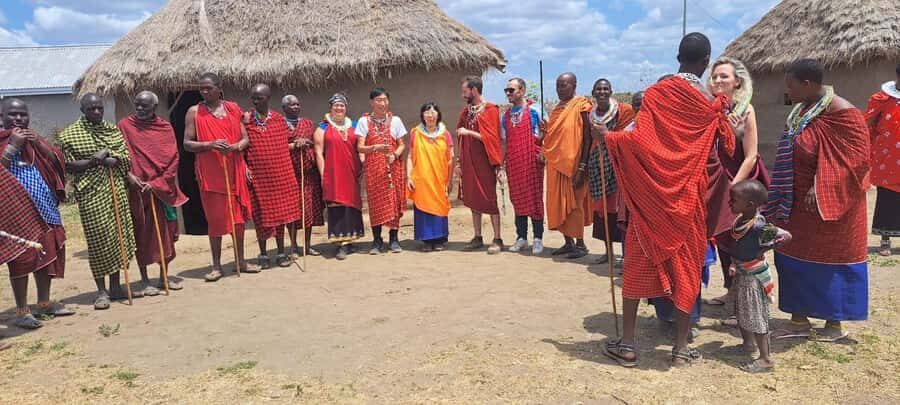
- Village elder welcome: You’re not just dropped at a gate, you get introduced to daily life and traditions.
- Maasai homes and society: You’ll see how houses are built and how the community is structured.
- Herbal medicine and beliefs: A guided explanation of traditional medicine and spiritual views.
- Dress up and jumping dance: Traditional clothing plus real participation in the dance.
- Optional Chemka or a waterfall: Add-on time for swimming or a short walk for scenery.
- English-speaking guide support: Explanations in English (and Swahili) help you follow along.
Why an Arusha Maasai Village Visit Feels Personal
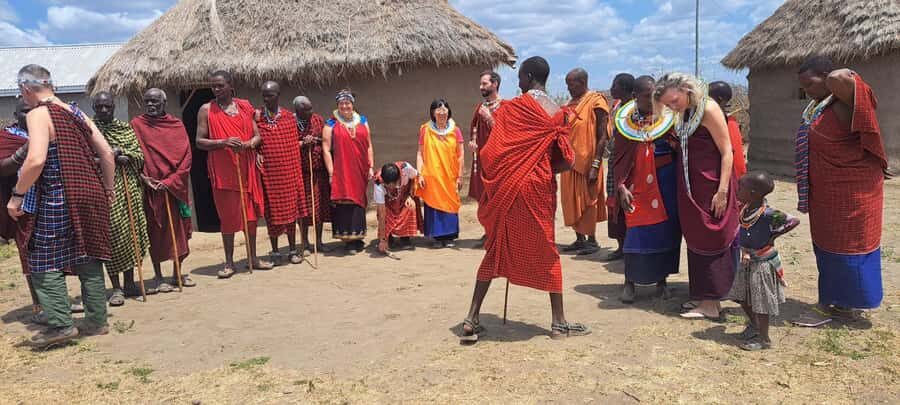
If you’re heading to Arusha in Tanzania, this is one of those days that can make the region feel real instead of abstract. The tour centers on a Maasai boma (a traditional village setup). That matters, because it shifts you from watching culture to being taught by people who live it.
You also get a structured experience: pickup, drive, guided time at the village, then return. That’s a big deal in this part of Tanzania. A lot of cultural visits can turn into a wandering, photo-stop march. This one is set up to keep you moving, with time for learning and time for participation.
You can also read our reviews of more tours and experiences in Arusha.

The Scenic Drive and the Boma Welcome
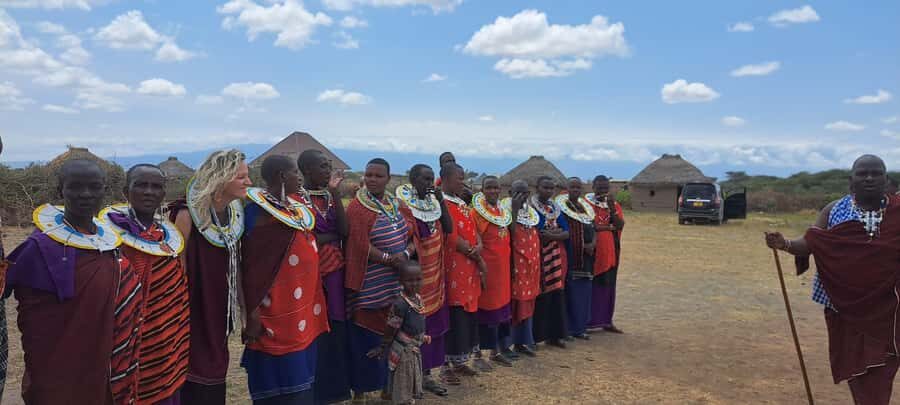
Your day starts with hotel or residence pickup in Arusha. You’ll climb into a dark grey van and head out for about 1.5 hours before the guided portion begins. Expect the drive to eat up part of the day in a good way. It’s time to reset and get ready to switch gears from city life to a village rhythm.
Once you arrive, the welcome is a core part of the experience. A village elder introduces you to daily life, customs, and the way the community understands the world. This is the moment where the tour becomes more than a show. It’s also where you learn what questions to ask and what context to listen for.
If you’re lucky enough to have a guide like Imran (name shared by past guests), you’ll appreciate the extra clarity. He’s described as friendly, funny, and easy to talk to, with strong English. That’s important because the cultural terms can be new, and you’ll understand more when the guide can translate smoothly.
Homes, Herbal Medicine, and Maasai Society Explained
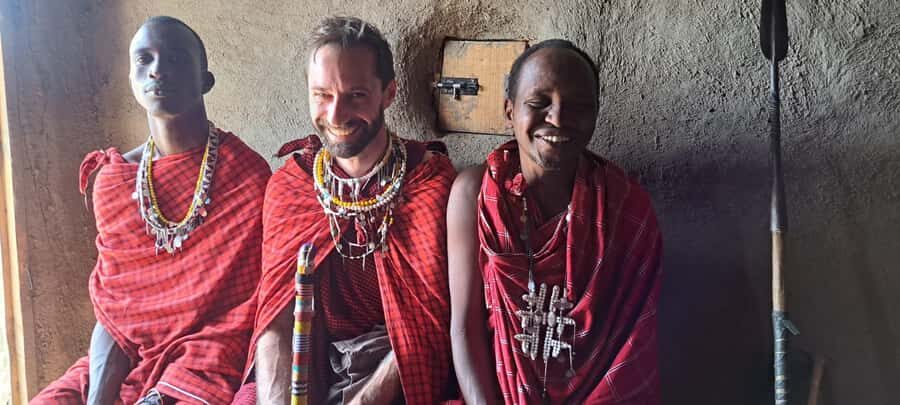
One of the best parts of this tour is that you see more than one theme. Instead of stopping at the dance and calling it a day, the visit covers everyday living.
Here’s what you can expect during the guided time (about 4 hours on-site):
- How Maasai homes are built: You’ll learn the practical structure behind their housing and what makes it work for their lifestyle.
- Community structure and roles: You’ll get a basic tour of society—how people organize responsibilities and how community life holds together.
- Traditional medicine: You’ll hear about Maasai herbal medicine and how plants and remedies fit into their traditions.
- Spiritual beliefs: You’ll also learn how spiritual views connect to daily life and community values.
Why this matters for you: it gives you a framework. When you later remember what you saw, you won’t just recall colors and poses. You’ll remember systems—how people build, care for health, teach values, and explain the world around them.
Also, watch your reactions. You might feel your brain switching from tourist mode to student mode. Let it. The tour is most rewarding when you listen actively and ask follow-up questions when something sounds unfamiliar.
Dress in Maasai Clothing and Join the Jumping Dance
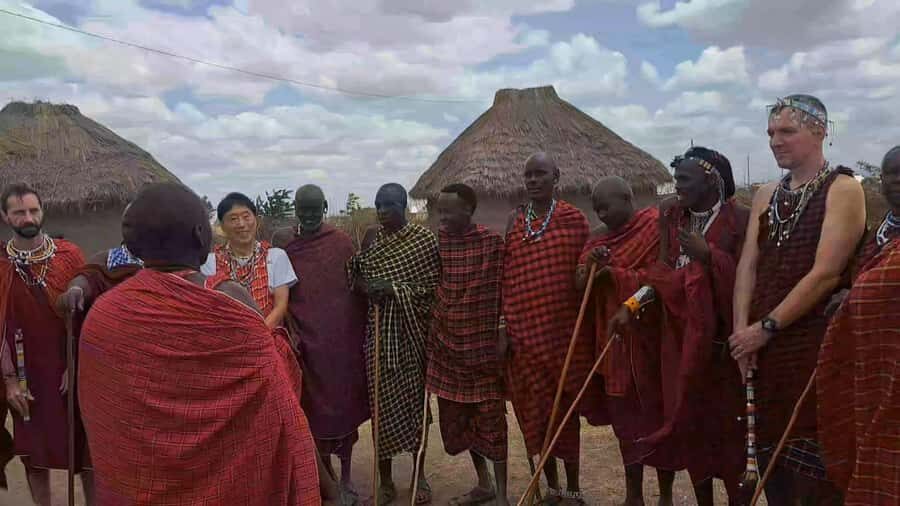
Yes, the famous warrior jumping dance is a big part of the day. But here’s the useful way to think about it: it’s not just a performance you watch. You’re invited to join.
At some point during the village welcome, you’ll be dressed in traditional Maasai clothing. Then you’ll take part in the dance, which is described as energetic and social—tied to strength, unity, and joy.
A practical note: it’s physical. You don’t need to be an athlete, but you should be ready to move, bounce, and stay upright through a few rounds. Wear comfortable shoes you can step into and out of easily, especially if the ground is uneven.
And mentally, set your expectations. This is participation, not a dance lesson with perfect choreography. If you go in with a relaxed mindset, you’ll have a lot more fun.
Lunch and the Real Timing of a 6–8.5 Hour Day
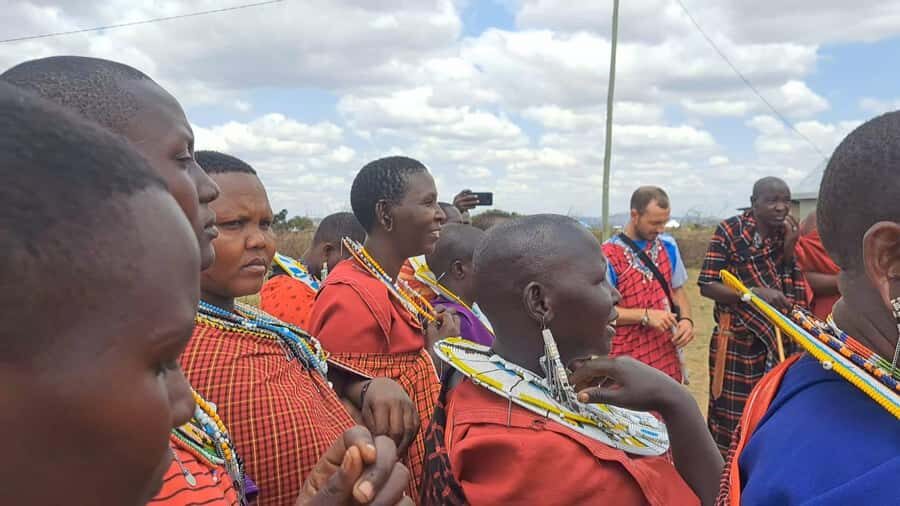
The tour runs 6 to 8.5 hours, and the schedule makes sense when you see the structure:
- Pickup in Arusha
- Drive outward (about 1.5 hours)
- Guided village time (about 4 hours)
- Return drive (about 1.5 hours)
That adds up to a full day without feeling like you’re stuck on the road the entire time. You get a meaningful chunk of guided cultural interaction, not just a quick stop.
The tour also includes lunch and water, which is a strong value feature. In rural day trips, food and hydration can quietly become your biggest “extras.” Here, at least the basics are handled, so you can focus on the experience instead of hunting for snacks.



Chemka Hot Springs or a Waterfall: Make It a Longer, Better Day
One of the easiest ways to make this outing more memorable is to add either Chemka Hot Springs or a nearby waterfall. The tour offers this as an optional extra, and it’s a smart choice if you want a day that includes both culture and a break.
How to choose:
- If you want a relaxing reset, go for Chemka Hot Springs. Past guests highlight the appeal of crystal-clear water where you can swim and cool off.
- If you’d rather keep things light and scenic, a short walk to a neighboring waterfall can give you time outside the village without turning the day into another long excursion.
Either way, you’ll get variety. A culture-first tour can sometimes feel “all information, all the time.” Adding hot springs or a waterfall gives you a physical unwind, plus a different kind of Tanzanian scenery.
Price and Value: Is $110 Worth It?
At $110 per person, you’re paying for more than a taxi to a village. The price covers:
- Access to the Maasai village and an English-speaking tour
- Transportation by van
- Lunch and water
- A live guide who can explain in English (and Swahili)
So what does that mean for value? In practice, you’re buying time and translation. You’re also buying a smoother day. Transport is included, and the guide handles the explanation so you can understand what you’re seeing.
Is it a bargain? Not in the sense of “cheap.” But it’s fairly priced for a structured, guided cultural visit from Arusha that includes meals and round-trip transport.
One more angle: you’re also supporting a direct community interaction. If you handle shopping thoughtfully (more on that below), you can make your visit fair and respectful while still enjoying the experience.
Practical Tips: Sun, Cash, and Respectful Shopping
Two practical points can make or break your comfort level on the day.
First, bring sun protection. One guest specifically called out that the sun can be very strong and recommended sun cream and a hat. Even if you’re moving inside and outside, it’s a Tanzania day, and shade may not always be constant.
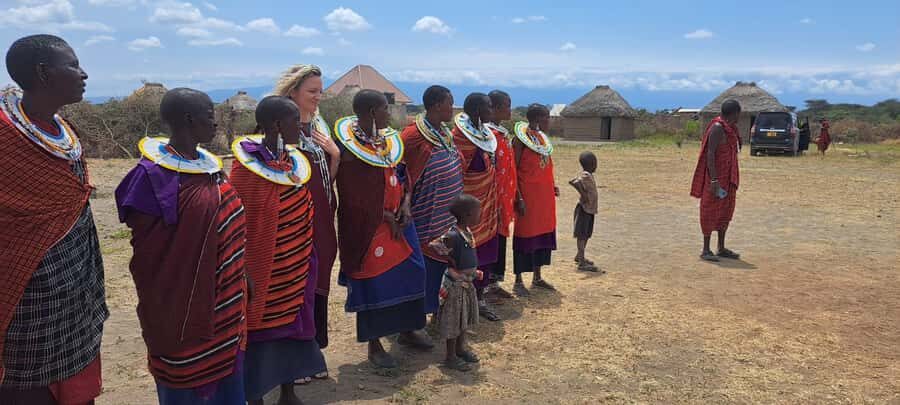
Second, plan for shopping pressure. You may feel pushed to buy items off Maasai ladies near the end of the visit, and some items can be around $10 each. You’ll likely be offered a chance to help them financially, and that’s not automatically a bad thing. The key is to control the situation:
- Decide your budget before you start looking.
- Keep some cash available if you want to participate.
- If you don’t want to buy, it helps to be calm and clear early rather than waiting until you’re emotionally caught in the moment.
This isn’t about being unfriendly. It’s about keeping the interaction in your control, not theirs.
Who This Tour Fits Best (and Who Might Want a Different Day)
This tour is ideal if you:
- Want a guided cultural experience with explanation, not just sightseeing
- Like hands-on participation (dress up and dancing)
- Appreciate topics like community life, beliefs, and traditional medicine
- Prefer a day trip that’s active but not exhausting
You might want to think twice if you:
- Don’t like physical activities like the jumping dance
- Get uncomfortable with cultural shopping moments
- Expect a quiet, independent visit where you do everything on your own
That said, if you go in with respect and clear expectations, this one can land very well. It’s designed to be a shared day, not a stiff museum tour.
Should You Book the Arusha Maasai Village Tour?
I’d book it if you want a real cultural experience from Arusha that includes translation, lunch, transport, and participation. The standout strengths are the village elder welcome, the coverage of daily life topics like homes and traditional medicine, and the fact that you don’t just watch the dance—you join it.
Before you choose, do two quick things:
- Pack for strong sun: hat and sunscreen.
- Bring some cash if you want the option to support village artisans, but set a budget so you stay comfortable.
If that sounds like your kind of day, you’ll likely come away with more than photos—you’ll have context you can actually explain back home.
FAQ
How long is the Arusha Maasai Village Tour?
The tour lasts between 6 and 8.5 hours, depending on the starting time and any optional add-ons.
Where do you get picked up?
Pickup is included from your hotel or residence in Arusha.
How long is the drive and the guided portion?
The schedule includes about 1.5 hours of van travel there, about 4 hours of guided tour time, and about 1.5 hours on the van back.
What languages is the tour guide available in?
The guide is available in English and Swahili.
What is included in the tour price?
Included are access to the Maasai village and the English-speaking tour, transportation, lunch, and water.
Can I add Chemka Hot Springs or a waterfall?
Yes. You can add a trip to Chemka Hot Springs for swimming or take a short walk to a nearby waterfall.
Is the tour wheelchair accessible?
Yes, the tour is wheelchair accessible.
Is there free cancellation?
Yes. You can cancel up to 24 hours in advance for a full refund.
Can I reserve and pay later?
Yes. You can reserve now and pay later, keeping your plans flexible.