REVIEW · ARUSHA
4 days Tarangire, Serengeti & Ngorongoro
Book on Viator →Operated by Wild Life Oasis Tours · Bookable on Viator
A four-day safari can still feel huge. This one strings together Tarangire, Serengeti, and Ngorongoro with camping at the right places and game drives when animals are most active. The small group size (up to 6) keeps things personal, which matters when you’re trying to read animal behavior and not just hunt for a photo.
What I like most is the way the trip mixes classic parks with smart timing. I’m a big fan of full board camping included in the price, because it means you’re not nickel-and-diming every meal while you’re out chasing wildlife. I also really appreciate the human factor: named guides and chefs (like Nuru, Malisa, Robert, Dula, Gidion, Salim, Luther, and Godfrey) show up in guest reports as the reason the days feel organized and the meals actually taste good.
One thing to consider: this is a camping safari. If you need hotel-style comfort every night, you’ll want to think twice—camping works best for people who are happy trading a little luxury for real proximity to the wild and a better-value price.
In This Review
- Key highlights worth getting excited about
- From Arusha at 6:30 am: how this safari really runs
- Tarangire National Park: a first drive with big-animal energy
- Serengeti camping: long plains, scanning skill, and late-day chances
- Ngorongoro Conservation Area and the crater-rim pivot to Simba Campsite
- Ngorongoro crater floor: the Big Five push you plan around
- Value check: what $1,070 really buys you (and what it doesn’t)
- Camping + full board: comfort level you should plan for
- Guides and chefs: the difference between a drive and a safari
- Small group size (max 6): why it changes your day
- Who this safari fits best (and who should think twice)
- Booking and planning notes you should know up front
- Should you book this Arusha Big Five safari?
- FAQ
- How long is the safari?
- Where does the tour start and end?
- What time does the safari start?
- How big is the group?
- Is pickup offered?
- Is park admission included?
- What is the cancellation policy?
Key highlights worth getting excited about
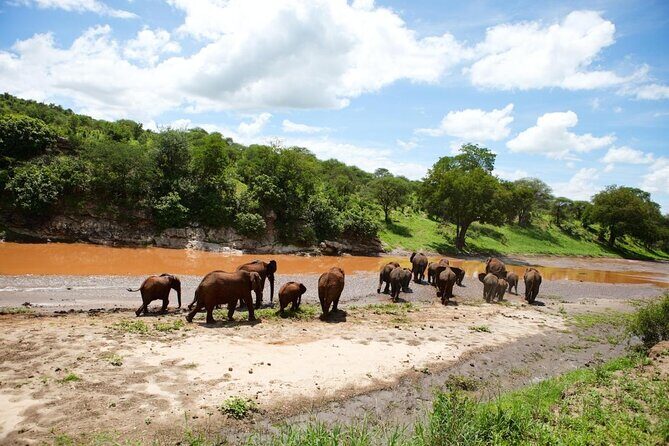
- Big Five target across Tarangire, Serengeti, and Ngorongoro, with a focused shot at the Crater floor
- Two UNESCO World Heritage sites: Serengeti and Ngorongoro
- Camping with full board included, so most of your daily costs are already handled
- Small group max 6 travelers, which usually means easier guide attention
- Picnic lunches on drive days, keeping your time in the parks instead of in transfer lines
- Admission tickets marked included/free in the package, helping value math
From Arusha at 6:30 am: how this safari really runs
This safari starts early. You’ll meet in Arusha at Shoppers Supermarket at 6:30 am, and pickup is offered, so you’re not scrambling for transport before breakfast. The plan is built around long park days, which is why the schedule feels intense on paper but normal in practice once you’re out there.
The pacing is straightforward: breakfast, game drive, picnic lunch, keep scanning the landscape, then dinner and sleep at the campsite. You’ll repeat that rhythm with a couple major scenery changes as you move from Tarangire’s varied terrain to Serengeti’s open plains and then down into the Ngorongoro system.
You’ll also appreciate the small group limit: up to 6 travelers. That can sound like marketing talk, but it usually affects real things like how quickly you get repositioned when the guide spots something.
A few more Arusha tours and experiences worth a look
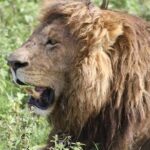
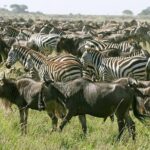
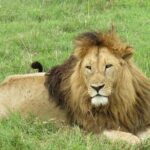
Tarangire National Park: a first drive with big-animal energy
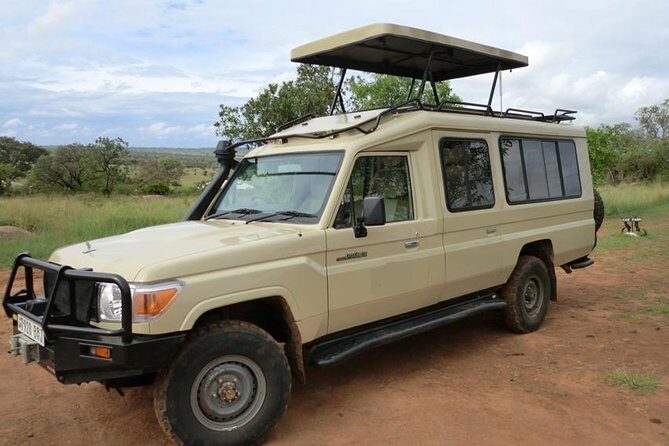
Tarangire is a smart first stop because it sets expectations fast. The day starts after early breakfast and heads out for game drive time right away, with picnic lunches provided. Then you return for dinner and overnight at Tarangire Campsite.
Tarangire is especially good when you want variety in your animal sightings without feeling like you’re stuck in one flat “view.” Even without getting too technical, the vibe changes from place to place inside the park, so you’re not just doing one long loop with the same odds.
A practical note: your timing here matters. Starting with daylight drives increases your chances of seeing more active behavior, and it also helps you shake off safari nerves—because early on, you’ll be learning how your guide reads animal movement, tracks, and distances.
Serengeti camping: long plains, scanning skill, and late-day chances
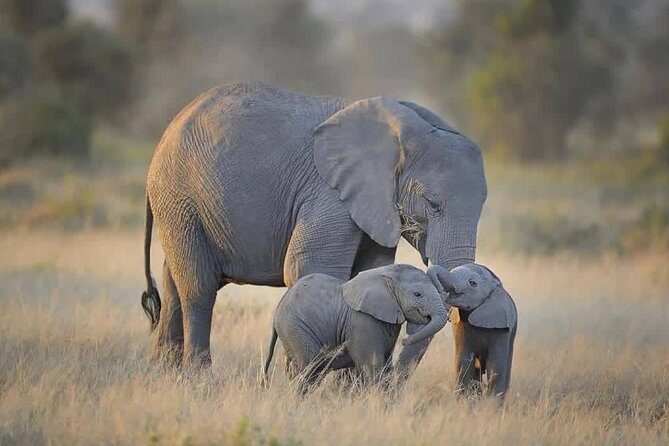
Day two is all about the Serengeti. After breakfast, you’ll head into those wide open landscapes and spend the day on game drives, including a late evening game drive. Dinner and overnight are at Seronera Campsite.
This is where the trip earns its UNESCO stamp. Serengeti isn’t just famous for animals; it’s famous for the way the ecosystem works across seasons. On a multi-day safari, you’ll feel that shift: you go from one park’s “rules” to another, and your guide’s job becomes translating what you’re seeing into how the ecosystem is running.
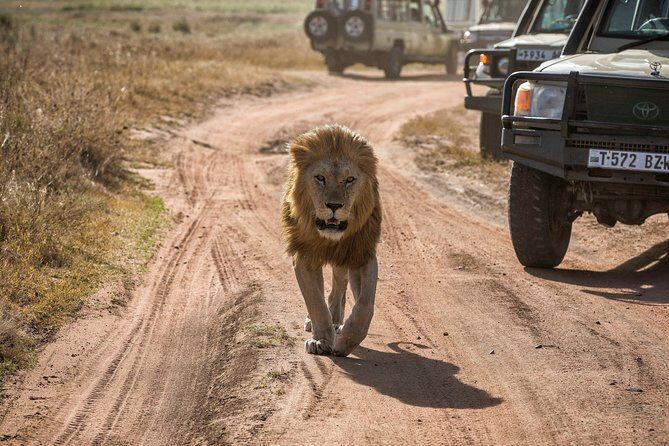
The Serengeti day is also where your guide’s driving style shows up. People can underestimate this, but the difference between a rushed drive and a deliberate one can be huge when the action is small—like a lion turning away just as you arrive, or a herd tightening up as predators move.
And yes, staying at Seronera Campsite helps you keep your day efficient. You’re not burning time on late arrivals just to sleep somewhere convenient. You’re staying where you can start early again.
Ngorongoro Conservation Area and the crater-rim pivot to Simba Campsite
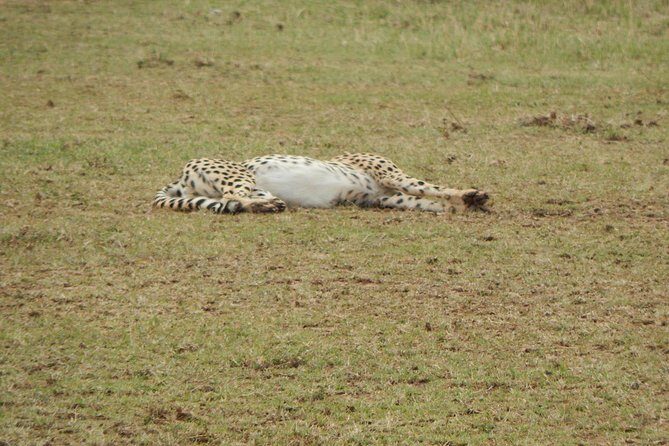
Ngorongoro changes everything: you go from wide open plains driving to a more enclosed, dramatic environment where the animals you’re looking for behave differently. On day three, you’ll start with morning game drive time, then later continue toward Ngorongoro and arrive late in the evening to sleep on the rim at Simba Campsite.
This crater-rim night is a key part of the experience. It positions you for an early push to see the crater floor the next day, which is where most of the “Big Five” action gets targeted. Without that overnight, you’d be losing valuable morning viewing time to travel.
From a comfort standpoint, the crater rim setting can feel cool and windy compared to the plains. I can’t promise weather will be a certain way for your trip, but planning for temperature swings is smart. Pack like you’ll be standing still for a while—game drives mean long pauses between sightings.
Ngorongoro crater floor: the Big Five push you plan around
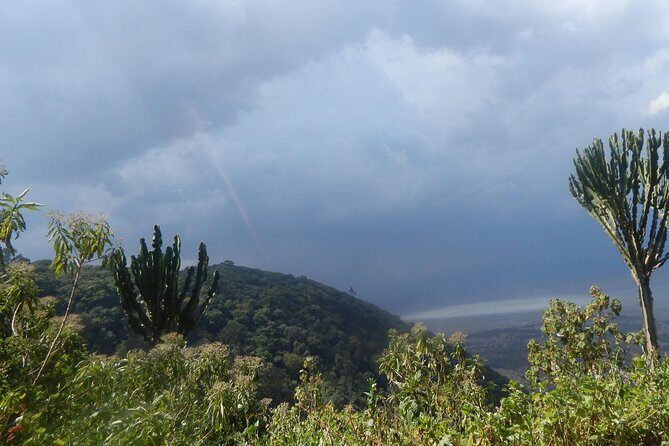
Day four is the day tour on the Crater floor. After breakfast, you’ll head down, aiming for a full wildlife-focused crater experience with picnic lunches. The plan is to give you a real shot at seeing the Big Five: lions, elephants, buffalo, leopards, and rhinos.
This is the day where you’ll want patience and a calm mindset. Ngorongoro can deliver huge moments, but the best way to experience it is to let the guide set the pace. Sometimes sightings come close together; other times, you wait for a sighting to build. A good guide helps you stay oriented so you don’t feel like you’re just passing time.
I also like that the structure doesn’t end with a vague “and then we go back.” You’re scheduled to head back toward Arusha in the evening, so the trip has a clear finish line.
Value check: what $1,070 really buys you (and what it doesn’t)
At $1,070 per person for an approx. 4-day safari, the biggest value drivers are what’s already included. Camping with full board is part of the package, and the admission ticket is marked free in the tour details. That’s not trivia—those are two budget categories that can quietly explode on safari trips.
You’re also getting three major parks in a single run: Tarangire, Serengeti, and Ngorongoro. That’s a lot of ground for one price, especially because two of the parks (Serengeti and Ngorongoro) are UNESCO sites. If you’ve been comparing options, this is the kind of route that often costs more when bundled with lodge-level comfort.
What the price doesn’t mean: it doesn’t mean the days will feel like a spa break. Safari time is safari time—long drives, dust, sun, early mornings. If that sounds tiring, it’s not a “bad” sign. It’s just the trade for this style of budget-friendly Big Five route.
Camping + full board: comfort level you should plan for
This is camping accommodation, and that shows up in the overall feel of the trip. In guest feedback, camping gets described as enjoyable when you’re okay with the basics—meaning you’re there for wildlife, not room service.
The good news is that full board helps you relax. Dinner is handled, breakfast is handled, and lunch is handled with picnic lunches on drive days. That removes the mental load of figuring out where to eat while you’re dealing with tight park schedules.
Still, do consider what you personally need to feel okay after a day on safari. If you’re sensitive to cold nights, you’ll want to bring layers. If you’re sensitive to sleeping on the ground, you’ll want to consider your gear. I can’t see inside your body, but you can see what your comfort requires.
Guides and chefs: the difference between a drive and a safari
The top praise across guest reports isn’t just about animals—it’s about people doing their jobs well. You’ll likely meet a guide who can explain what you’re seeing in plain language and push for good positioning when sightings happen.
Names that come up in guest stories include Nuru and Malisa and also Robert as guide names, plus chef names like Dula, Gidion, Salim, Msefiri, and Godfrey. You’ll also see praise for drivers like Luther and guides like Deogratius Eliakim and Yuma, plus Adam and Asantel in other experiences.
One subtle takeaway: the best guides don’t just spot animals; they manage the whole day. They handle timing, route choices, and the “what if the terrain is rough” moments that can throw off a less organized trip.
And food matters on safari. It’s not fancy dining. It’s practical, filling meals that keep you going during long drives. When the chef is praised for excellent cooking, that usually means you get energized meals instead of “survival food,” which changes how you experience the next morning.
Small group size (max 6): why it changes your day
A safari for 20 people can still be fun. But a safari for up to 6 people often feels easier. You can hear instructions more clearly, get better attention when you ask a question, and move as a group without feeling like you’re one of many “camera holders.”
In practical terms, smaller groups usually mean:
- easier vehicle repositioning when something appears
- less confusion about meeting points during quick transitions
- more chance for the guide to tailor explanations to what you’re asking
If you’re the kind of person who wants to understand behavior (why a predator is moving, why a herd is spreading out), this setup helps.
Who this safari fits best (and who should think twice)
This Tarangire–Serengeti–Ngorongoro safari makes sense if you want a classic Big Five route without paying lodge prices. It’s also a good match if you’re comfortable with camping and you want the rhythm of early starts and long drives.
I’d think twice if you need hotel beds and constant comfort. Camping isn’t for everyone. Also, if you hate being outdoors for long stretches, safari logistics will feel like a burden instead of a thrill.
On the other hand, if you’re excited by the idea of seeing Serengeti and Ngorongoro as UNESCO sites, then sleeping at Serengeti-area camps and on the crater rim at Simba Campsite, this route is built for you.
Booking and planning notes you should know up front
- You’ll start at 6:30 am at Shoppers Supermarket in Arusha, and the activity ends back at the meeting point.
- The tour details list mobile ticket and pickup offered, which should simplify arrival-day logistics.
- Confirmation is stated at booking time.
- Free cancellation is offered up to 24 hours before the experience start time for a full refund.
If you’re planning your schedule around this, treat the first morning as non-negotiable. Early departures are part of how safari timing works, and the whole trip is built around those park hours.
Should you book this Arusha Big Five safari?
I’d book it if you want value and you’re okay with camping. The route is strong: Tarangire opens the trip, Serengeti gives you that UNESCO-wide landscape feeling with day-and-evening drives, and Ngorongoro gives you the big finale with a crater floor push aimed at Big Five sightings.
Skip it only if you know you’ll be unhappy with camping comfort or you need a slower, more hotel-like pace. Safari days are long by nature, and this one leans into the parks while keeping costs under control.
If your priority is seeing lions, elephants, buffalo, leopards, and rhinos within a tight 4-day window while staying in a small group with meals included, this is a smart, practical choice.
FAQ
How long is the safari?
It runs for approximately 4 days, covering Tarangire, Serengeti, and Ngorongoro.
Where does the tour start and end?
It starts at Shoppers Supermarket in Arusha and ends back at the same meeting point.
What time does the safari start?
The start time is 6:30 am.
How big is the group?
The tour has a maximum of 6 travelers.
Is pickup offered?
Yes, pickup is offered.
Is park admission included?
The tour details list admission tickets as free/included.
What is the cancellation policy?
Free cancellation is available up to 24 hours in advance for a full refund. If you cancel less than 24 hours before the start time, the amount paid is not refunded.