REVIEW · ARUSHA
Tanzania Wildlife Safari Budget Camping
Book on Viator →Operated by Lem Carnivores Tours · Bookable on Viator
Elephants walk where the river used to be. This 5-day northern circuit budget safari is built for big wildlife days, with camping nights and an efficient route through Tarangire, Lake Manyara, the Serengeti, and Ngorongoro. It starts with an early pickup in Arusha and runs with a small group size, so you’re not stuck in a huge bus herd.
What I like most is the focus on places that actually deliver: Tarangire’s elephants and baobabs, then Serengeti for the highest chance of seeing lots of large mammals. I also like how the trip handles the practical side with meals included (breakfast, lunch, dinner) and a real guide team—people like Emmanuel (Manu) and James are specifically noted for spotting animals and sharing useful knowledge.
One drawback to think about: this is a camping safari, so expect more time on the road and a more basic comfort level than lodge travel. If you’re the type who needs a lot of creature comforts every night, this might feel rough around the edges.
In This Review
- Quick Hits: What Makes This Budget Camping Safari Work
- Five Days of Budget Camping Through Northern Tanzania
- Tarangire National Park: Elephants, Baobabs, and a River That Matters
- Lake Manyara: Birdlife Plus Big Herds
- Oldupai Gorge Transfer Day: Human History on the Way to Serengeti
- Serengeti Game Drives: Catching Wildlife When It Moves
- Ngorongoro Crater: One Huge Caldera for a Lot of Animals
- Tents, Campsites, and the Food That Keeps You Going
- Who Runs the Safari: Guides Who Actually Spot Animals
- Price and Value: What $1,155 Covers for a 5-Day Safari
- Practical Tips Before You Go (So You Enjoy It More)
- Who This Safari Fits Best
- Should You Book This Tanzania Budget Camping Safari?
- FAQ
- How long is the Tanzania wildlife safari, and how many nights do you camp?
- Where does the safari start, and what time does it begin?
- What parks are included on this trip?
- Are meals included in the price?
- Are admission fees included?
- What is not included in the safari price?
- What is the cancellation policy?
Quick Hits: What Makes This Budget Camping Safari Work
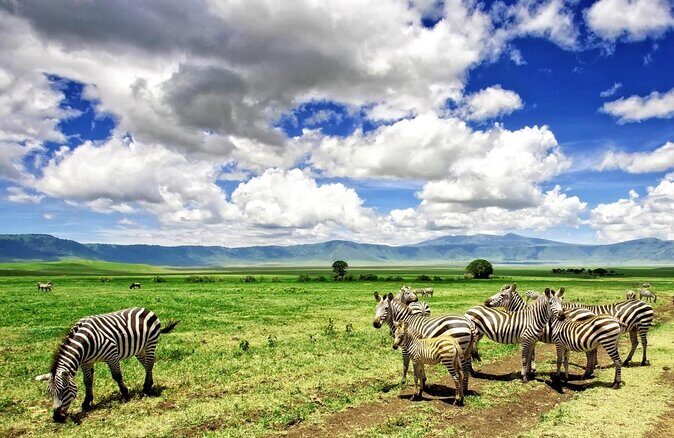
- Tarangire elephants and baobabs: a classic setting where the scenery and the wildlife land together
- Lake Manyara bird focus: a fast way to rack up birds, plus buffalo, zebra, and giraffe sightings
- Serengeti + Oldupai Gorge: you get both big-mammal safari time and a stop tied to early human history
- Early drives in Serengeti: the plan is aimed at catching more wildlife when animals are active
- Ngorongoro crater floor game drive: one of Tanzania’s best “concentrated wildlife” experiences
Five Days of Budget Camping Through Northern Tanzania
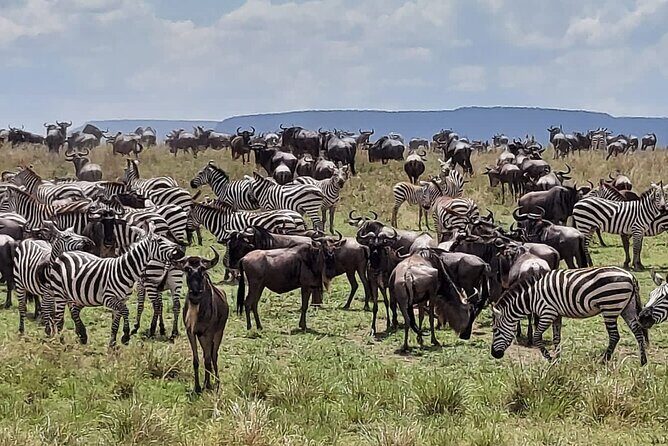
This safari is set up as 5 days / 4 nights of camping, moving through Tanzania’s northern parks without wasting time. The day start is early—meeting at Arusha Airport at 7:00 am—and the pace stays active to maximize wildlife time.
The route hits the main hitters of the classic northern circuit. You’ll see different ecosystems back-to-back: dry savanna and river country in Tarangire, soda-lake views and birdlife at Lake Manyara, big-mammal country in Serengeti, then the crater world at Ngorongoro.
The vibe also matches the budget style. You’ll be outside more, you’ll sleep in a tent, and you’ll spend your day scanning for animals instead of waiting around for the next “nice view stop.”
A few more Arusha tours and experiences worth a look
Tarangire National Park: Elephants, Baobabs, and a River That Matters
Tarangire National Park is one of Tanzania’s elephant magnets, and this route leans into that hard. The big draw is seeing elephant families moving slowly and deliberately, not just a one-off sighting. It’s the kind of wildlife moment where you watch behavior instead of just counting animals.
Tarangire is also famous for its baobab trees, which can look comically large—like they’re built to dwarf everything around them. In dry season conditions (or when the river runs low), the Tarangire River can shrink to a much smaller version of itself, but wildlife still pours into the area around the remaining water sources.
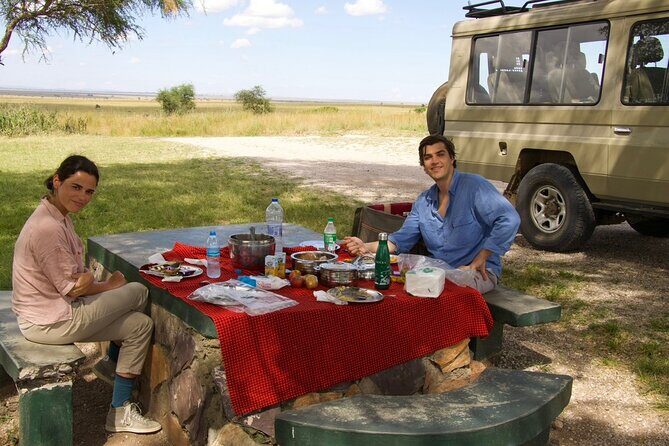
The plan on this first wildlife day is straightforward: pickup from your Arusha lodging area, drive into Tarangire, then a game drive plus a picnic lunch. You finish the day camping on-site, which helps you avoid the “drive all day, then arrive tired” trap.
Practical note: in parks like Tarangire, the animals are often concentrated around water and shade. If you’re hoping for a wide-open savanna view with animals scattered everywhere, you’ll still get that feeling—but the best action tends to cluster.
Lake Manyara: Birdlife Plus Big Herds
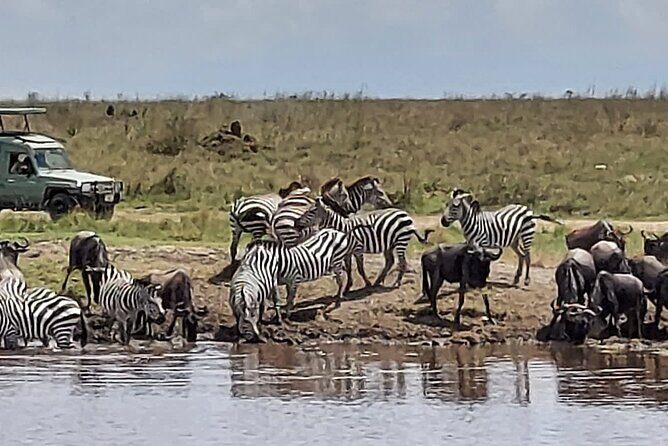
Lake Manyara is the park you choose when you want variety. It’s known for birdlife—over 400 species are recorded—and you can reasonably expect to see a meaningful chunk of that in a single day if conditions are good.
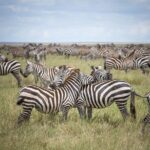
This is also where you’ll see the classic Lake Manyara mix: flamingos on the water, and other water birds like pelicans, cormorants, and storks. Then, when you move out toward the grassy floodplain and surrounding areas, you’re back in the realm of big herbivores—buffalo, wildebeest, and zebra—plus giraffes, sometimes appearing very dark from a distance.
What I like about this stop is that it’s not only birds. It’s also an easy day to reset your wildlife radar. You’re still hunting sightings, but you get more “different things” than you might in a one-note park.
The day is built around a drive to Lake Manyara after breakfast, then time for wildlife viewing and an overnight back in the circuit. Even if you’re mainly a big-cat person, this stop tends to give you plenty of “oh wow” moments.
Oldupai Gorge Transfer Day: Human History on the Way to Serengeti
On the way to the Serengeti, the schedule includes Oldupai Gorge, often described as the Cradle of Mankind. It’s an archaeological site with key evidence of pre-historic humans, and there’s a museum visit and on-site interpretation.
This matters because it breaks up the pure “wildlife all day” monotony in a good way. When you spend days just staring out of a safari vehicle, your brain can stop noticing small changes. Oldupai Gorge adds context, so the Serengeti doesn’t feel like a random place—it feels connected to deep time.
You’ll then continue on to Serengeti and have an afternoon game drive on arrival. That’s smart. It means you don’t burn your whole first Serengeti day with just travel. You get your first dose right away, and then you build on it the next morning.
If you’re not into archaeology, don’t worry—you’re still going to spend real hours in the Serengeti. This stop is a tight add-on, not a detour that swallows your safari.
Serengeti Game Drives: Catching Wildlife When It Moves
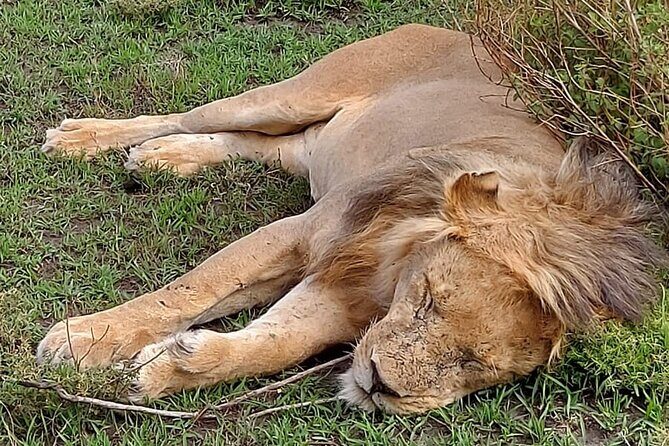
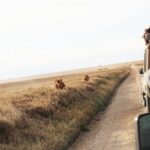
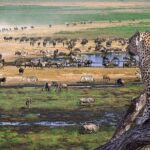
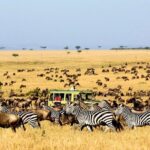
Serengeti is where most people aim their hopes, and this route gives you two separate Serengeti looks. The plan includes an afternoon game drive when you arrive, then an early morning drive in Serengeti the next day.
Early drives matter because animal activity usually shifts with temperature and light. You also get a better chance at seeing animals that may not be as visible later in the day. The wording around the early morning emphasizes that you’re aiming to see animals you might miss on other drives.
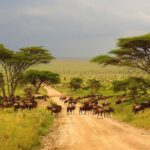
Serengeti’s reputation comes from concentration—large mammals in big numbers. You’re not guaranteed any specific animal (safari never works like that), but the design increases your odds by giving you time windows that tend to be productive.
There’s also an optional lunch approach after the morning drive: you’re returned for lunch to where you’re staying, and you may opt for a picnic lunch with the park. Either way, the point is to keep you in position for the afternoon plan.
At the end of the Serengeti portion, you head toward Ngorongoro’s rim for the next overnight. That’s a good flow: Serengeti first, then crater for a different style of wildlife viewing.
A few more Arusha tours and experiences worth a look


Ngorongoro Crater: One Huge Caldera for a Lot of Animals
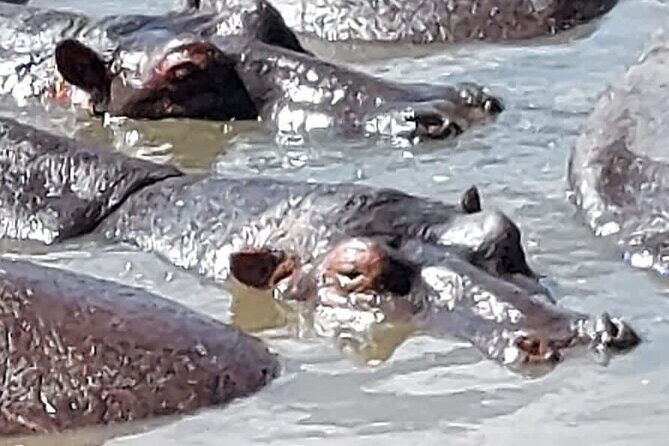
Ngorongoro Crater is the “big finish” stop, and it’s built for a different kind of safari. Instead of a wide rolling plain, you descend into a huge caldera formed by the collapse of an ancient volcano crater. The crater’s fertile soil and permanent water support dense wildlife.
That density is why Ngorongoro works so well for a budget trip too. You’re not relying on long drives to find animals spread out across massive areas. A crater floor naturally concentrates habitat and therefore the animals that depend on it.
You’ll crest the rim with dramatic panoramas, then descend for a varied game drive on the crater floor. The described possibility includes sightings like rhino, black-maned lion, and giant tusked elephants. You can also expect “and many more,” which is how Ngorongoro tends to feel—there’s always something else moving once you focus your eyes.
In the late afternoon, you ascend back to the rim and head back to Arusha Town. This is the kind of day where you’ll be glad you’re not adding extra stops. If you try to cram too much into your final hours, you lose the chance to fully enjoy what you came for.
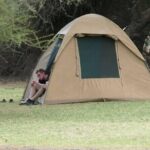
Tents, Campsites, and the Food That Keeps You Going
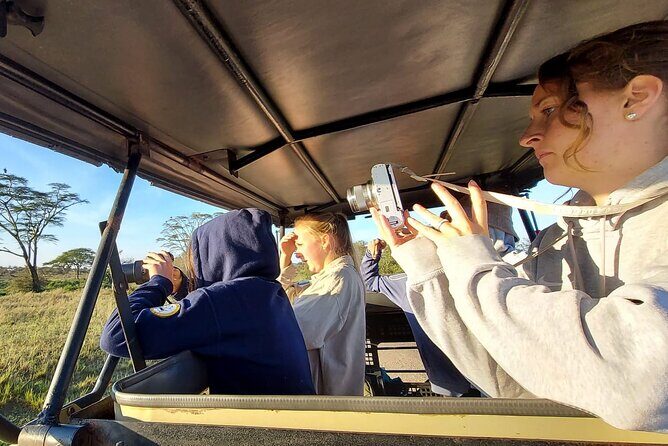
This is camping safari travel, so your comfort level will be simpler than lodge-based safaris. The good news is that the route includes meals every day: breakfast, lunch, and dinner are included based on the number of days.
From what’s described, the tents are part of the experience—set up and dismantled for you. One review also specifically mentions Chef Ibra, which suggests the food side is taken seriously enough to get real attention, not just handled by someone running on autopilot.
Camping can be great if you enjoy the outdoors and want the safari to feel hands-on. It can feel tiring if you’re sensitive to dust, early mornings, or basic sleeping setups. I’d plan to pack for real “time outside,” not city comfort.
Also, remember you’re in safari mode for most daylight hours. The win is that when you return to camp, you actually feel like you earned rest.
Who Runs the Safari: Guides Who Actually Spot Animals
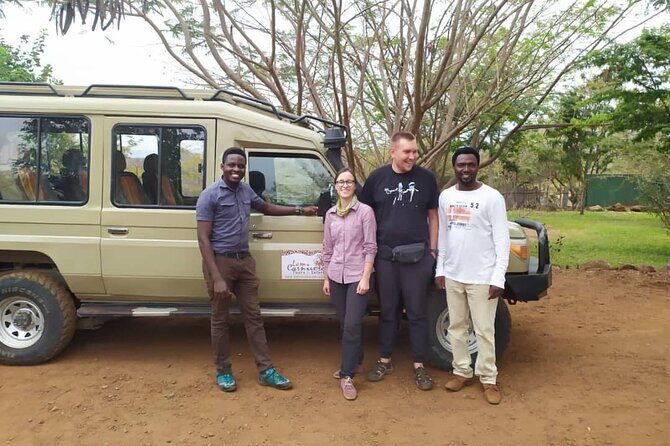
In a wildlife trip, the guide makes a huge difference, especially if you’re on a tight schedule. The guides named in the experiences shared here—Emmanuel (Manu) and James—are described as well-experienced and strong at spotting animals.
There’s also a clear theme around communication and help from the organizer, Vincent, who was said to coordinate smoothly and stay in touch on WhatsApp when needed. That kind of responsiveness matters more than it sounds. On safari, small questions pop up: what time to leave, where you are exactly, whether plans changed. When that’s handled quickly, you spend less energy worrying and more time watching.
If you’re the type who likes your guide to explain what you’re seeing, this trip’s style seems to fit. One guide name is linked with a depth of knowledge, which usually means better wildlife interpretation: tracks, behavior, and why animals are where they are.
Price and Value: What $1,155 Covers for a 5-Day Safari
At $1,155 per person, this sits in the “budget camping but still serious parks” category. The main value isn’t just the price tag—it’s what’s covered and how the route is structured to keep you out in the parks.
Key value points you’re getting:
- All fees and taxes are listed as included
- Meals are included: breakfast, lunch, and dinner
- Pickup is offered (and the meeting point is clearly set for the 7:00 am start)
- The group size is limited to a maximum of 15 travelers, which usually keeps the experience more manageable
What’s not included is also clear: tips, things of your personal interest, and visa.
One consideration is that “budget” here mostly means camping style, not cutting corners on the route. You still hit the big northern highlights. If you want a lodge luxury experience, that’s a different price tier. But if you want the parks and can handle camping nights, the value looks strong.
Practical Tips Before You Go (So You Enjoy It More)
Safari is one part adventure and one part logistics. With this kind of route, the best way to enjoy it is to plan for early starts, long days, and basic camping nights.
Pack for heat and dust, and also plan for cooler early mornings. Even if the days are warm, you’ll notice temperature changes when you’re out at dawn. Bring layers, a hat, and eye protection.
For wildlife viewing, your best “gear” is patience. You’ll spend a lot of time scanning and waiting for movement. The payoff is that guides strong at spotting—like the Emmanuel (Manu) and James examples—can shorten the waiting.
Finally, consider your communication style. If you like clear check-ins, the reported WhatsApp responsiveness from Vincent suggests the organizer is reachable when needed.
Who This Safari Fits Best
This safari fits best if you:
- Want a classic northern circuit (Tarangire, Lake Manyara, Serengeti, Ngorongoro) without stretching to weeks
- Like camping and can handle a simpler comfort level
- Enjoy wildlife viewing with a real guide who can help you spot and understand what you’re seeing
- Prefer a smaller group cap of up to 15 travelers
It may not be ideal if you:
- Need lodge-level comfort every night
- Dislike long drives and early mornings
- Want a trip with very relaxed pacing and fewer changes of location
If you’re balancing budget and big wildlife goals, this is a sensible match.
Should You Book This Tanzania Budget Camping Safari?
I’d book it if you want to get maximum park time for your money, and you’re comfortable camping for four nights. The route makes practical sense, the meals are included, and the guide quality cues are strong—especially with named guides like Emmanuel (Manu) and James, plus organizer support from Vincent.
Skip it if your idea of safari comfort means private rooms, quiet nights, and minimal driving. This experience rewards curiosity, flexibility, and a “let’s go see what’s out there” mindset.
If you’re ready for a hands-on wildlife trip with real destinations—not just a long bus ride—then this is a strong option to put on your short list.
FAQ
How long is the Tanzania wildlife safari, and how many nights do you camp?
It runs for about 5 days (4 nights). You’ll be camping throughout the nights while moving through the northern circuit parks.
Where does the safari start, and what time does it begin?
The meeting point is Arusha Airport, Arusha Tanzania, with a start time of 7:00 am. Pickup from your hotel in Arusha is also offered.
What parks are included on this trip?
The safari covers Tarangire National Park, Lake Manyara National Park, Serengeti National Park, and Ngorongoro Crater.
Are meals included in the price?
Yes. Breakfast, lunch, and dinner are included based on the number of days listed (breakfast for 5, lunch for 5, and dinner for 4).
Are admission fees included?
The itinerary lists admission ticket free for Tarangire, Lake Manyara, and Serengeti segments. For Ngorongoro, admission is included. The pricing section also states all fees and taxes are included.
What is not included in the safari price?
Not included items are tips, things of your personal interest, and visa.
What is the cancellation policy?
You can cancel for a full refund as long as you cancel at least 24 hours before the experience start time. If you cancel less than 24 hours before, the amount paid is not refunded.