REVIEW · ARUSHA
Private Wildlife Encounter at Tarangire National Park
Book on Viator →Operated by Martial Adventure Safaris · Bookable on Viator
Few places feel this alive.
A day in Tarangire National Park is mostly about big animals and big moments: huge elephant herds, year-round wildlife viewing, and that classic mix of grasslands, swamps, and floodplains that keeps the sightings coming. I especially like the private setup, where your schedule is built around your group and your guide can focus on the animals you care about.
Two things I’d call out right away: you get a proper morning/afternoon pace with a real pickup from Arusha, and the park’s elephant density is the kind of detail that makes the trip feel worth it even when the day is short. One consideration: this is a minimum 2pax experience, so you’ll want a travel buddy (or be comfortable booking with a small group).
In This Review
- Key Highlights You’ll Actually Care About
- Tarangire’s Elephant Season, Plus the River Game-Drive Rhythm
- From Arusha to Tarangire: What That 2–3 Hour Drive Means
- Afternoon Game Drive Strategy: Where Animals Gather Year-Round
- Lunch at a Picnic Spot: Staying Comfortable Until the Wild Shows Up
- Local Specialties: Tree-Climbing Lions and Rock Pythons
- Why Godson’s Private Guiding Adds Real Value to a 1-Day Safari
- Price, Inclusions, and What You’ll Need to Budget for
- Should You Book This Tarangire Private Wildlife Encounter?
- FAQ
- How do I get to Tarangire National Park?
- How long is the experience?
- Is this tour private?
- Is there a minimum number of travelers?
- What’s included in the price?
- What is not included?
- Is a ticket provided digitally?
- What kind of wildlife can I expect?
- When is the best time for sightings?
- What’s the cancellation policy?
Key Highlights You’ll Actually Care About

- Elephant density in Northern Tanzania: Tarangire is known for very large herds that can reach around 300 animals.
- Tarangire River year-round water: Dry-season animals concentrate by the river, which improves your odds of great sightings.
- Private transport from your Arusha hotel: No shared transfers; the day runs around your group.
- Lunch + bottled water included: You’re covered for midday fuel without hunting for food plans.
- Local specialties like tree-climbing lions and rock pythons: You’re in the right ecosystem for these targets.
- Godson’s style of guiding: People praise him for kindness and for timing where to position for photos.
Tarangire’s Elephant Season, Plus the River Game-Drive Rhythm
Tarangire is sometimes described with elephants in mind. That makes sense. The park has the highest density of elephants in Northern Tanzania, and herds can reach an impressive number of around 300. In plain terms: when elephants move, the whole landscape changes with them.
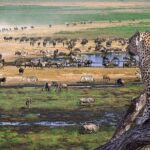
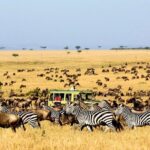
But what I like most is that Tarangire isn’t just an elephant show. The mix of habitats—grassland, swamps, and floodplains—creates feeding and watering areas for different species in the same general region. The Tarangire River is the key. It has water all year, so animals don’t vanish when the rains slow down. In the dry season (July to October), many creatures from the wider area come to the river to drink, which can make your game drive more focused and productive.
Expect your day to feel like a rhythm: drive, stop, scan, then adjust. With a little luck you can spot a python, and you’re also in territory where rock pythons are a known specialty. Even if your sightings are more “steady and varied” than “instant blockbuster,” the consistency is the point.
You can also read our reviews of more private tours in Arusha
From Arusha to Tarangire: What That 2–3 Hour Drive Means

You’ll be picked up from your hotel in Arusha, then it’s about a 2–3 hour drive to reach Tarangire National Park. That travel time matters because it sets the tone for the day. This is not a half-day hop-in, hop-out. It’s a full wildlife-focused day trip with real time on the road and real time in the park.
The upside: the longer drive gives you daylight and enough time for an afternoon drive once you arrive. The plan also puts the park before your return to Arusha, so you’re not burning your best viewing hours commuting back and forth.
The private nature is also a big factor. Since it’s only your group, the schedule is less likely to feel like a conveyor belt. You can settle in faster, and your guide can adjust stops based on what’s happening that day rather than what works for a crowd.
Also keep your expectations practical. You’ll be on safari timing—waiting is part of it. If you’re hoping for action nonstop, you’ll want to reframe it: the best moments often come after a patient scan.
Afternoon Game Drive Strategy: Where Animals Gather Year-Round

Your main wildlife time is the afternoon game drive. That’s a smart setup because many animals are easier to find when the light and temperatures start to shift, and because you’re already positioned in the park for the most active viewing window.
Here’s what the habitat mix gives you. Tarangire can turn up elephants in big numbers, plus giraffe and birds in open areas, and then other species around wetter zones. The park’s swamps and floodplains are where you’re more likely to run into hippos, while baboons can appear in areas where they feel safe enough to move and forage.
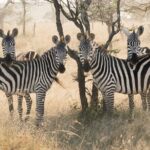
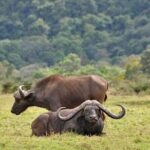
Dry season is where your “hit the watering hole” strategy pays off. Between July and October, the Tarangire River becomes a magnet. You can see lions, giraffes, buffaloes, wildebeests, zebras, and different antelopes and gazelles around that time of year. Not every species appears every day, of course. But focusing your expectations on the river season helps you stop wishing and start watching.
One practical tip for your day: bring your attention like a camera lens—small movements, steady scanning, and quick checks for movement. In a park like Tarangire, the best sightings often start as a speck you notice only because you’re looking for it.
Lunch at a Picnic Spot: Staying Comfortable Until the Wild Shows Up

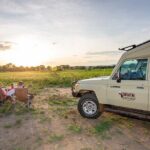
Around lunchtime, you’ll stop at a suitable picnic place, and lunch is included. This is more than a budget item. A good midday break matters because wildlife safaris run on energy and patience. If you’re hungry and cranky, you’ll miss signs of animal behavior that happen quietly at first.
Since bottled water is also included, you’re covered for hydration during the day. Alcohol and soft drinks are not included, so if you want a soda or beer, you’ll need to plan for that yourself using personal spending money.
The picnic stop also helps you mentally reset. You get a chance to stretch, regroup, and then head back into the afternoon drive with fresh focus. And because the day includes a return to your Arusha hotel before sunset, this lunch timing helps keep the overall pace from feeling rushed.
My best advice: treat lunch as part of the safari, not an interruption. Sit, eat, sip water, then get back out there and look for the changes in animal movement after people and vehicles settle down again.
Local Specialties: Tree-Climbing Lions and Rock Pythons

Tarangire is known for certain “local legends,” and you’re in the ecosystem for them. The highlights called out for this area include tree-climbing lions and rock pythons. Those species aren’t guaranteed sightings. But the fact that these specialties are associated with the park tells you something important: the habitat supports unusual wildlife behavior, not just the common big-game checklist.
If you visit during the dry season, you may also have better odds of seeing more of the big cast gathered near the river—lions, buffaloes, wildebeests, zebras, and various antelopes and gazelles. The python note is also tied to dry-season luck, with rock pythons mentioned as a possibility. In other words, Tarangire can surprise you, but you’ll get your best chances by aligning your trip with the river season.
Also pay attention to smaller cues. Pythons and other reptiles don’t always announce themselves loudly. You’ll often notice them through stillness, unusual posture, or movement that looks slower than you expect. That’s where a guide’s scanning pattern matters.
This is a one-day experience, so your guide will likely prioritize sightings that are both likely and time-efficient. That’s not about rushing. It’s about making sure your limited day doesn’t get swallowed by long drives with nothing to show for it.
A few more Arusha tours and experiences worth a look

Why Godson’s Private Guiding Adds Real Value to a 1-Day Safari

The name Godson comes up in the praise for this experience. People describe him as professional, kind, and wonderful to be with. They also talk about his availability and how he cared about making the tour special—almost like having a real friend on the trip.
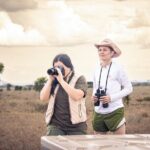
That matters because wildlife days reward attentiveness. A good guide doesn’t only spot animals. They also know where to position you and when. In the notes people left, Godson is credited with timing—knowing just where and when to take guests to specific locations, which is why many photos were possible.
For you, the practical value of this kind of guiding is simple: you spend more time viewing and less time guessing. A private safari can become a luxury if the guide actively manages your viewing experience. And a one-day format makes that even more important. When you only have one day, the “small decisions” add up fast.
So if you’re looking at Tarangire for elephants and also want a smooth, human experience on top of it, the Godson factor is worth weighing. Martial Adventure Safaris is the provider behind the tour, and the guidance quality seems to be a major reason people rate the experience so highly.
Price, Inclusions, and What You’ll Need to Budget for

This private day trip is $300 per person, with a minimum of 2 people. On paper, that can feel like a splurge. In reality, the value is tied to what’s included.
You get:
- Lunch
- Bottled water
- Private transportation
- All fees and taxes
You also get pickup from your Arusha hotel and a mobile ticket. If you’re traveling in a small group, private transport and all those fees handled can be a big time-saver and a stress-saver. It means you’re not piecing together park fees and logistics on your own.
What’s not included is also important:
- Alcoholic and soft drinks
- Visa fees
- Personal spending money for souvenirs
- Travel insurance (not included, so you’ll want your own coverage plan)
My honest take: $300 per person is easier to justify if you care about a well-run day and want a private schedule. If you’re trying to stretch budgets, you might compare options—but within the private category, this structure looks solid because lunch, water, and fees are already taken care of.
Should You Book This Tarangire Private Wildlife Encounter?

I’d book this if you want a focused wildlife day and you’re going for animals first—especially elephants—and you appreciate guided timing. Tarangire’s year-round water at the river and its elephant density make it a strong destination even when the day is only about one day long.
I’d also feel good about booking if your group is at least 2 people, since the minimum is part of how the tour runs. And if you value a guide who’s described as kind, professional, and attentive (Godson is repeatedly mentioned in that way), you’re likely to enjoy the human side of the safari, not just the wildlife checklist.
I’d hesitate only if your priority is budget minimalism or if you dislike long days in the car. The drive from Arusha takes a while, and you should have a moderate physical fitness level for this style of day.
If you’re coming to northern Tanzania for classic wildlife and want a day that feels well paced, Tarangire is a smart place to spend your time.
FAQ
How do I get to Tarangire National Park?
You’ll be picked up from your hotel in Arusha. Then you’ll drive to the park, which takes about 2–3 hours.
How long is the experience?
It’s listed as 1 day (approx.).
Is this tour private?
Yes. It’s a private tour/activity, and only your group participates.
Is there a minimum number of travelers?
Yes, there must be 2 people (2pax).
What’s included in the price?
Lunch, bottled water, private transportation, and all fees and taxes are included.
What is not included?
Alcoholic and soft drinks, visa fees, personal spending money for souvenirs, and travel insurance are not included.
Is a ticket provided digitally?
Yes. The tour uses a mobile ticket.
What kind of wildlife can I expect?
You can expect elephant viewing year-round, plus animals such as giraffe, buffaloes, wildebeests, zebras, baboons, hippo, and various antelopes and gazelles. Lions and rock pythons are also mentioned as specialties, with sightings depending on conditions.
When is the best time for sightings?
Dry season (July to October) is specifically noted as a great time, because many animals come to the Tarangire River to drink.
What’s the cancellation policy?
There is free cancellation. You can cancel up to 24 hours in advance for a full refund.