REVIEW · ARUSHA
Tengeru Waterfalls Adventure & Lake Duluti Canoeing Escape
Book on GetYourGuide →Operated by Meru Pathways Adventure · Bookable on GetYourGuide
One hour after another, you still feel fresh. This short Arusha adventure strings together Tengeru Waterfalls hiking, a high swing viewpoint, and then a calm canoe paddle on Lake Duluti—so you get both adrenaline and quiet nature time. I especially like the way the day moves from forest sound (waterfalls) to open-air views (the swing) to still water and birdlife (the lake).
The main thing to weigh is physical effort: it’s a moderate hike on uneven ground for the waterfall trek, so plan for a steady pace rather than a sprint.
In This Review
- What I think makes this tour work so well
- Key points at a glance
- Arusha half-day value: waterfalls, swing views, and a wildlife canoe
- Pickup spots: where your day starts
- The Tengeru Waterfalls hike: short, real, and wildlife-focused
- On-the-way photo stops: don’t rush the scenery breaks
- The high swing: big Arusha views with Mount Meru in the frame
- Lake Duluti canoeing: the calm part you’ll actually remember
- A small note on wildlife spotting
- Lunch break: a pause in the middle of nature time
- Comfort and safety: what matters most for this mix of activities
- Price check: why $75 can feel fair here
- Who this tour is best for (and who should skip it)
- The human factor: guide energy makes the difference
- Photo and wildlife tips that actually help
- Should you book Tengeru Waterfalls and Lake Duluti canoeing?
- FAQ
- How long is the Tengeru Waterfalls and Lake Duluti canoeing tour?
- Where does the tour pick up and drop off?
- Is the hike to Tengeru Waterfalls difficult?
- Is canoeing on Lake Duluti included, and do you get safety gear?
- What should I bring for the tour?
- What are the age limits or restrictions?
What I think makes this tour work so well

A big plus is the small, private feel. With an English-speaking guide (and a friendly driver), you’re not stuck with a chaotic crowd, and the timing feels handled—hike, photos, then the lake—without dragging. Still, it’s best for people who can handle about 35 minutes of walking and some outdoor time even when the weather turns.
Key points at a glance
- Thrilling swing from a high spot with wide Arusha views, including Mount Meru sights on clear days
- Guided waterfall hike through lush trail sounds and wildlife spotting along the way
- Lake Duluti canoeing on quiet water, with real chances to see birds and monkeys
- Meru Paradise viewpoint gets you a payoff view, and even the drive can be part of the fun
- Private group pacing keeps transitions smooth for photos and downtime
A few more Arusha tours and experiences worth a look


Arusha half-day value: waterfalls, swing views, and a wildlife canoe

This is the kind of outing that makes sense in Arusha when you want nature without burning the whole day. You’re out for about 5 hours, and the route is built around three distinct moods: moving water, height and wind, then quiet forest-and-lake stillness. That mix is what I’d call the value—different scenes without long transfers.
At $75 per person, it’s not a budget-only bargain, but it also isn’t priced like a full-day safari. The price includes a guided hike, the swing experience, canoeing on Lake Duluti, transportation, entry fees/permits, and canoe safety gear. For a private format, that bundle matters.
Pickup spots: where your day starts

You’ll be picked up from one of two convenient Arusha-side options: Usa River or Arusha Clock Tower. Getting picked up locally helps because you’re not spending your energy on complicated meeting points or last-minute taxi puzzles.
Because there are drop-offs at the same two locations, you can plan your evening without guessing where you’ll end up. If you’re staying near either pickup point, this tour becomes an easy add-on to your schedule.
The Tengeru Waterfalls hike: short, real, and wildlife-focused

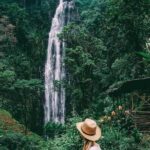
The day starts with a hike that’s about 35 minutes. It’s not described as extreme trekking, but it does require a good level of comfort on uneven terrain, so wear shoes that grip. The waterfall itself is tucked into surrounding vegetation, and the payoff is the sound and feel of Meru Waterfall nature close up.
This part is where I think you’ll appreciate the guide the most. A good guide helps you keep moving at a steady pace, and also points out what to watch for—like colorful birds along the trail and other wildlife signs you might otherwise miss.
What to bring for this section is simple:
- Comfortable hiking shoes (non-negotiable)
- A camera ready, not buried in your bag
- Your drinks (especially if you start under warmer Arusha sun)
On-the-way photo stops: don’t rush the scenery breaks

You also get a 25-minute photo stop / scenic viewpoint time on the way. This is useful because it gives you a pause that doesn’t feel awkward—just enough time to grab photos, adjust settings, and take in the area.
In one of the experiences shared, the drive to the viewpoint included narrow, bumpy roads through banana plantations, which turned the journey into part of the memory. That’s the kind of detail that tells you the route is designed to be more than just a transfer between activities.

The high swing: big Arusha views with Mount Meru in the frame

After the waterfall time, the energy shifts. You’ll head to the swing platform—high enough that the view can stretch out in every direction. The swing experience is built around panoramic scenery, with sights over Tengeru and the wider Arusha area, and (when conditions are good) views that can include Mount Meru.
This is also the spot for the best “postcard moment” of the day. Even if you don’t love heights, you’ll likely enjoy the look-down perspective because you can see the region’s rolling greenery and the way the crater lake area fits into the bigger picture.
A key practical point: the swing is also a reason to check age fit. The information provided says children must be at least 8 years old to join the swing, and the tour overall isn’t suitable for very young children (and also not recommended for people over 70 years). If you’re traveling with mixed ages, plan accordingly.
Lake Duluti canoeing: the calm part you’ll actually remember
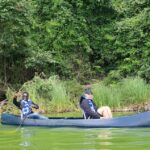
Then comes the best contrast. Lake Duluti is a crater lake surrounded by forest, and the canoe time is about 2 hours on tranquil water. This isn’t a rushed paddle. It’s the stretch where you slow down, let your eyes do the work, and look for wildlife rather than chasing it.
Here’s what makes it special: the forest around the lake supports lots of life. You may see kingfishers and herons, and there are also colobus monkeys that can be spotted in trees. The water reflects the surrounding greenery, so your photos won’t just be about animals—they’ll be about the mirror effect and quiet mood.
If you’re into wildlife watching, this is a smarter choice than it looks at first glance. You’re not waiting in one place for an animal to appear. You’re moving gently across habitat, with the guide’s help to keep you oriented and safe.
A small note on wildlife spotting
Wildlife viewing is always a “chance to see” situation, not a guarantee. But Lake Duluti’s setting is exactly the kind where you can feel wildlife without it being dramatic—glimpses, calls, and motion in the treeline.
Lunch break: a pause in the middle of nature time
You’ll have a 30-minute lunch break at Lake Duluti. Meals aren’t explicitly listed as included, so treat this as a time buffer rather than assuming lunch is provided. If you have specific dietary needs, it’s worth preparing with that in mind and carrying water at minimum.
This break is also helpful for reset time—dry off a little if you got misty earlier, check your camera battery, and switch into anything more comfortable for the remainder of the day.
Comfort and safety: what matters most for this mix of activities

This tour blends hiking + a swing + canoeing, so your comfort strategy should match all three. The information suggests bringing a change of clothes for canoeing, which I agree with. Even if the lake feels calm, you can still get damp.
Weather runs all conditions, so pack for real outdoors time:
- Rain jacket in wet season
- Light breathable clothing for warmer hours
- Binoculars if you like birdwatching (they’re specifically suggested)
Safety equipment is included for canoeing, which is a big relief. It means you’re not trying to figure out what to wear or whether the gear is legit—you just show up, get briefed by the guide, and go.
Also, note what isn’t allowed: intoxication and items like fireworks or explosives. Strollers are also not permitted, so plan your logistics if you’re traveling with family.
Price check: why $75 can feel fair here

Let’s talk value in practical terms. At $75 per person, you’re paying for more than a hike. You’re getting:
- Guided waterfall hike
- Swing experience
- 2 hours of canoeing on Lake Duluti
- Safety equipment for canoeing
- Transportation to and from your pickup point
- Entry fees and permits
For a 5-hour day, that combination can be a good deal because you’re not separately booking the hike guide, the canoeing logistics, and vehicle time. Where it may feel less “cheap” is if you already plan to do these activities independently. In that case, you’d compare costs and how much effort you’d save.
For most visitors, the private, guided structure is the real money-saver: fewer moving parts.
Who this tour is best for (and who should skip it)
This works well if you want an active-with-resty day in Arusha. You should feel comfortable walking on uneven ground and spending time outdoors. It’s also a strong choice if you like wildlife and birds, because the canoeing portion is built around that forest-and-lake setting.
It’s not the best fit for:
- Children under 4 (and babies under 1)
- Anyone over 70
- People who can’t manage moderate walking
And if you’re traveling with kids, remember the swing age rule: children must be at least 8 to join the swing.
The human factor: guide energy makes the difference
One of the stand-out details from the experience shared is how much attention the guide gave to individuals. The guide mentioned by name is Adam, described as friendly, calm, and focused—someone who manages the flow of the day thoughtfully so you end up with both action and downtime. The driver was also described as friendly.
That matters because this tour could become tiring if transitions are sloppy. Here, the day is arranged so you don’t feel rushed or stranded between activities.
Photo and wildlife tips that actually help
If you want better pictures without turning the day into a chore, do these:
- Bring your camera ready for the swing and the lake reflections.
- Use binoculars during canoeing when birds call or shift near the treeline.
- Plan a quick wipe-down at the canoe start if you’re damp—your hands will thank you when handling the camera.
Also, for the swing viewpoint, take a second before you jump in. The view is the point, so pick a spot to stand, check the light, then go.
Should you book Tengeru Waterfalls and Lake Duluti canoeing?
I’d book this if you want a balanced Arusha experience: a waterfall hike, a memorable high swing, and then 2 hours of relaxed canoe time on a crater lake where wildlife is part of the atmosphere. It’s also a smart option when you don’t want to commit to a full safari day but still want real nature.
I’d skip it if uneven-ground hiking would be uncomfortable for you, or if your group needs a stroller-friendly route. If you’re traveling with children, confirm the 8+ rule for the swing before you plan your day.
FAQ
How long is the Tengeru Waterfalls and Lake Duluti canoeing tour?
The experience runs for about 5 hours total.
Where does the tour pick up and drop off?
Pickup and drop-off are available at Usa River and Arusha Clock Tower.
Is the hike to Tengeru Waterfalls difficult?
The hike requires a moderate fitness level. It includes uneven terrain, so you should be in good health and comfortable walking outdoors.
Is canoeing on Lake Duluti included, and do you get safety gear?
Yes. Canoeing on Lake Duluti is included, and safety equipment is provided.
What should I bring for the tour?
Bring a camera, drinks, cash, and binoculars. It’s also recommended to bring a change of clothes for canoeing.
What are the age limits or restrictions?
Children must be at least 8 years old to join the swing. The tour isn’t suitable for children under 4, babies under 1, and it’s not suitable for people over 70.