REVIEW · ARUSHA
Private Traditional Pottery Class near Arusha
Book on Viator →Operated by The Small Things · Bookable on Viator
If you like learning by doing, this is your kind of afternoon. A short visit to The Small Things sets the tone, then you head to Tengeru to shape clay on a foot-powered wheel, learning the basics of preparing, turning, trimming, and firing. I like the fact that you get real village-level craft time with local potters, and I also like the cultural context around the Meru tribe that your guide shares as you work. One thing to consider: there’s no hotel pickup listed, so you’ll need to plan your meeting point on your own.
This class is built for small groups (max 8), runs about 2 hours, and ends where you started. You’ll leave with something you made yourself—one of those practical souvenirs that actually feels personal.
In This Review
- Key takeaways before you go
- The Small Things first: why the day starts with people
- Tengeru pottery workshop: turning local clay into your own piece
- The lesson inside the lesson: Meru culture as you work
- Taking it home: your souvenir will have weight (in a good way)
- Timing and group size: what “2 hours” really means
- What’s included (and what you’ll likely pay for)
- Getting there: meeting point and the no-pickup reality
- Who this suits best (and who might want a different option)
- Price and value: is $50 fair for a private class near Arusha?
- Weather, pace, and what could change
- Should you book the private traditional pottery class near Arusha?
- FAQ
- How long is the private traditional pottery class near Arusha?
- What is the price per person?
- What’s included in the price?
- Is lunch included?
- Do I get picked up from a hotel?
- Where does the experience start and end?
- How big is the group?
- What happens if the weather is bad?
Key takeaways before you go
- Start at The Small Things and understand how the workshop connects to families nearby
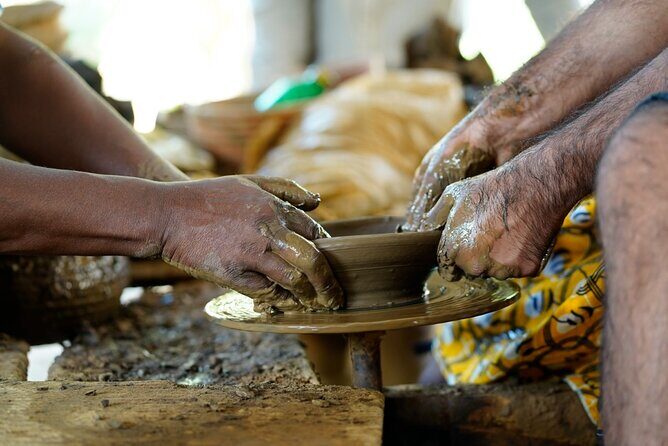
- Hands-on pottery in Tengeru using locally mined clay and traditional tools
- Foot-powered wheel time so you’re not just watching from the sidelines
- A guide explains Meru culture and local history while you work
- Small group format (up to 8) for better attention and a calmer pace
- Take-home pottery as a real souvenir, not a generic shop purchase
The Small Things first: why the day starts with people
The outing begins at The Small Things, where you’ll get a clear, straightforward look at what the organization does to support orphaned and vulnerable children and families in the community. This is more than a quick stop for photos. It frames the rest of your time in a useful way: you’re not consuming a culture for entertainment—you’re meeting the people behind the setting you’re learning in.
In practical terms, this start also helps you get oriented. Even before you see a kiln or touch clay, you’ll understand the local human context. That matters because pottery here isn’t just craft. It’s part of how daily life, livelihoods, and community knowledge flow from one person to another.
One small note for your expectations: the class is only about 2 hours total, so you should plan to get the essentials quickly. The program is designed to balance meaning with making, not to turn the day into a long, open-ended visit.
You can also read our reviews of more private tours in Arusha



Tengeru pottery workshop: turning local clay into your own piece
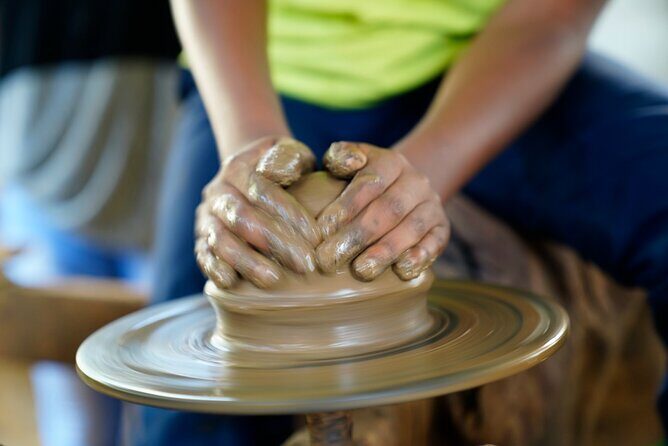
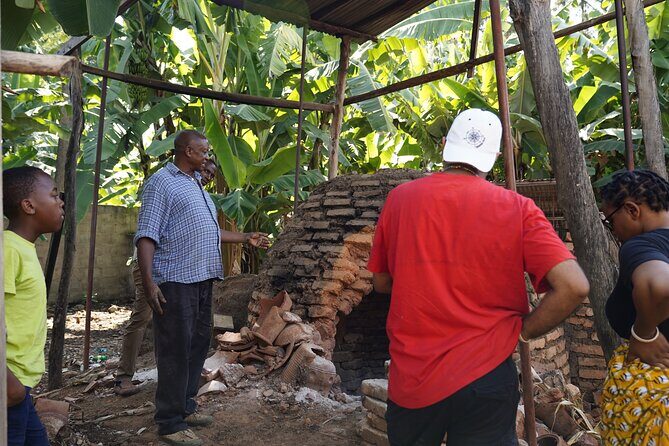
After The Small Things, the group heads to Tengeru for the pottery portion. This is where the experience turns hands-on and stays there. You’ll work with local potters who show you how to prepare clay, throw on a foot-powered wheel, trim your form, and fire it using a traditional kiln.
Here’s what I think makes this valuable for you, even if you’ve never touched pottery before:
- You’ll learn the full cycle basics, not just the fun part of spinning clay. Preparing and trimming are often skipped in quick workshops, but those steps are where a lot of the skill lives.
- You get to work with local materials—including locally mined clay—so what you’re making reflects the real supply chain and techniques of the area.
- You’re using a foot-powered wheel, which changes the rhythm. It’s more about control and feel than speed, and it tends to make beginners less intimidated.
From the reviews you can pick up a pattern: the instruction is warm and practical, and the “teacher” energy is strong. People mention that the pottery instructor is an artist who teaches with confidence and shares what clay can do. Another review even mentioned a guide named Reuben, and a separate one thanked Andrew and Reuben together—so you may have a small team supporting your group and keeping you moving through the steps.
The lesson inside the lesson: Meru culture as you work
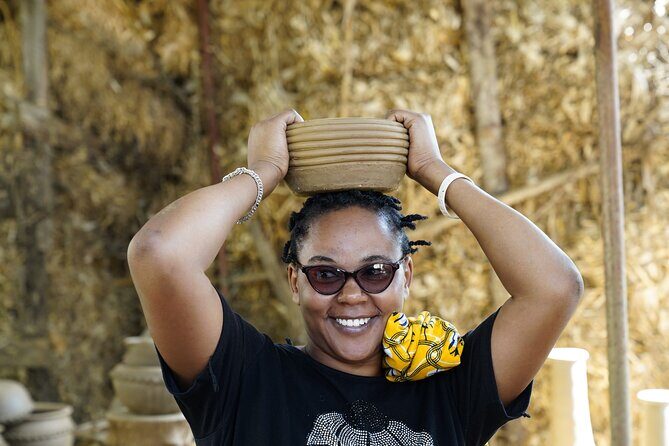
This class doesn’t treat pottery as a stand-alone skill. A local guide also talks through history and culture of the Meru tribe while you’re in the workshop. That’s a smart choice because it turns your finished object into a story you can explain.
When craft comes with context, you notice details you’d otherwise miss. For example, you might pay closer attention to how people talk about clay quality, tools, and the order of steps. And when you understand a bit of the local cultural background, the day stops feeling like a manufactured “activity” and starts feeling like a real exchange.
Also, having a guide on-site matters for your comfort. It’s easier to ask questions, get corrections, and keep up with what comes next—especially during wheel time, when small adjustments help a lot.
If you’re traveling with kids, this cultural piece can be the difference between a short attention grab and something they actually remember.
Taking it home: your souvenir will have weight (in a good way)
The big promise here is that you’ll take your pottery creation home. That’s the best kind of souvenir: one you made, not one you bought.
Because the process includes firing in a traditional kiln, your piece has to survive the whole workflow. That’s also why the experience is structured as a guided 2-hour session rather than a “dip and decorate” style workshop. The goal is to help you reach a real pottery outcome.
Practical advice for you: before you leave, ask how they handle your finished item after firing and what you should do during the trip back (especially if you’re continuing on to another part of Tanzania). Even with careful handling, pottery can be fragile. A quick question now can save stress later.
Timing and group size: what “2 hours” really means
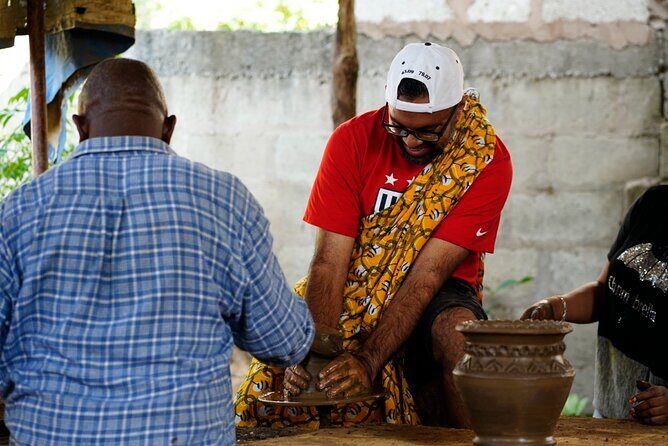
The class runs for about 2 hours. That’s not long, but it’s a workable length for pottery because the steps take time and attention. You’re learning multiple actions—preparing clay, throwing on the wheel, trimming, and then firing is handled through the workshop process.
Small group size is a quiet quality upgrade here. With a maximum of 8 travelers, you’re less likely to feel like you’re waiting your turn in a crowd. And you’re more likely to get the small corrections that help your piece improve.
If you’re deciding between this and a bigger-group pottery outing, the smaller cap matters. Pottery is physical learning. More hands, more waiting, more time for mistakes to compound.
A few more Arusha tours and experiences worth a look


What’s included (and what you’ll likely pay for)
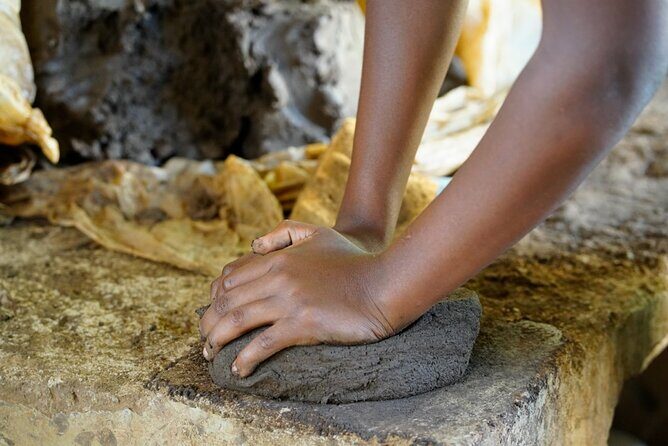
Included items are simple and useful: bottled water and all tools, equipment, and materials. That’s a good deal because it removes hassle. You show up, work, and focus on learning instead of hunting for supplies.
Lunch is where you may have to make a choice. The tour notes that lunch can be provided for an extra $10 USD at The Small Things’ site. If you care about avoiding back-and-forth planning, you might budget for the add-on. If you’re on a tight schedule or eating elsewhere, you can skip it—just confirm what’s available that day.
Also, there’s no hotel pickup listed in what’s included. So you’ll want a plan for getting to the start point.
Getting there: meeting point and the no-pickup reality
The meeting point is listed as an unnamed road in Tanzania, and the activity ends back at the meeting point. That means you should do two things:
- Confirm the exact on-the-ground meeting instructions after booking.
- Give yourself buffer time on arrival.
If you’re relying on public transport, this listing says it’s near public transportation, which is helpful. But the “unnamed road” phrasing also means you’ll want to be clear with your guide or provider about the exact spot so you don’t end up doing that fun travel sport called guessing where everyone is.
Who this suits best (and who might want a different option)
This is a great match if you want an authentic, hands-on craft experience near Arusha and you also like connecting that craft to real community life. It’s especially suitable for:
- Couples who want a shared activity
- Families who want structured learning time
- Solo travelers who still want a guided, friendly day
- Anyone who prefers small groups and practical instruction
You might consider a different option if you strongly dislike organizing your own meeting logistics, since pickup isn’t included. Also, like most outdoor/working-environment experiences, it requires good weather.
There’s also a helpful note for pet owners: service animals are allowed.
Price and value: is $50 fair for a private class near Arusha?
At $50 per person, this sits in a price zone that can feel either like a bargain or a splurge depending on what’s included and what kind of experience you want.
Here’s why I think it’s good value for the right traveler:
- You’re paying for a guided workshop with all materials and tools included.
- You’re getting instruction through multiple pottery steps (not only a quick demo).
- You’re also paying for a community-focused stop at The Small Things, which adds meaning beyond the craft.
- The group limit (max 8) means the instruction isn’t stretched too thin.
The main “hidden” cost is lunch if you want it. But even that is clearly optional and priced at $10 USD.
If you’re looking for the cheapest souvenir option, this isn’t it. If you want a take-home piece you genuinely made and a more human story attached to it, it’s a fair deal.
Weather, pace, and what could change
This experience requires good weather. If it can’t run due to poor weather, you’ll be offered a different date or a full refund. That’s the kind of policy you want to see for an activity with outdoor/workshop conditions.
Because it’s only about 2 hours, the pacing is tight. Go in with the mindset that you’re learning basics and making something real—rather than trying to create a perfect, exhibition-grade piece.
Should you book the private traditional pottery class near Arusha?
I’d book this if you want a memorable, hands-on experience that’s not just about the final object. The best part is the blend: you learn craft in Tengeru, and you start with a community organization at The Small Things, so the day feels grounded.
If you hate logistical guesswork, you’ll need to be ready to handle your own meeting point and transportation to the start. Also, if you’re allergic to any type of physical work, know that pottery involves real hand and wheel movement. Most people can participate, but it’s still a working activity.
Overall: this is a smart choice for travelers who value small-group instruction, take-home making, and a day that connects your souvenir to real community support.
FAQ
How long is the private traditional pottery class near Arusha?
It runs for about 2 hours.
What is the price per person?
The price is $50.00 per person.
What’s included in the price?
You get bottled water and all tools, equipment, and materials needed for the pottery class.
Is lunch included?
Lunch isn’t automatically included. Lunch can be provided for an extra $10 USD at The Small Things’ site.
Do I get picked up from a hotel?
Pickup from local hotels or Arusha is not included.
Where does the experience start and end?
It starts at the meeting point listed as an unnamed road, Tanzania, and ends back at the same meeting point.
How big is the group?
The class has a maximum of 8 travelers.
What happens if the weather is bad?
The experience requires good weather. If it’s canceled due to poor weather, you’ll be offered a different date or a full refund.