REVIEW · ARUSHA
7 Days Kilimanjaro Climb Machame Route
Book on Viator →Operated by Youth Adventures and Safaris · Bookable on Viator
Kilimanjaro feels close—then it isn’t. This 7-day Machame Route walk takes you through big altitude changes, shifting climate zones, and the famous final push to Uhuru Peak. It’s a private climb with tents-only camping and meals handled for you, so you can focus on pacing and acclimatization instead of logistics.
I especially like two things: the route’s variety—rainforest to alpine desert to arctic cold—so every day feels different. And I like the all-in mountain package approach, where park fees, camping fees, rescue fees, guides, cooks, porters, and three meals a day are included.
The main drawback is also the point: the Machame climb is relatively difficult, and you sleep in tents (not huts). If you’re not ready for steep days and cold nights, you’ll feel it.
In This Review
- Key Highlights to Know Before You Go
- From Arusha to Moshi: Your Start-to-Finish Setup
- Why Machame Is the Whiskey Route (and why it’s popular)
- Day 1-2: Machame Gate Rainforest to Shira Plateau
- Day 3-4: Shira to Lava Tower, Then Barranco Wall to Karanga
- Day 5-7: Barafu, Summit Night to Uhuru Peak Sunrise, then Mweka Down
- Camping, Tents, and the Comfort Reality Check
- Food, Water, and Crew Support That Actually Matter
- Fitness and Altitude: Who Machame Fits Best
- Price and Value: Is $2,564.11 Fair for This Package?
- Should You Book This 7-Day Machame Climb?
- FAQ
- How many days is the Machame route climb?
- Where do the hiking start and end points happen?
- Is lodging on the mountain in tents or huts?
- What’s included for meals and drinks?
- Are park fees and rescue fees included?
- Who is included in the mountain team?
- What kind of route is Machame and who is it for?
- What is the trek distance for the Machame route?
- What is the cancellation policy?
Key Highlights to Know Before You Go
- Private guide, private group: You’re not sharing the climb with strangers.
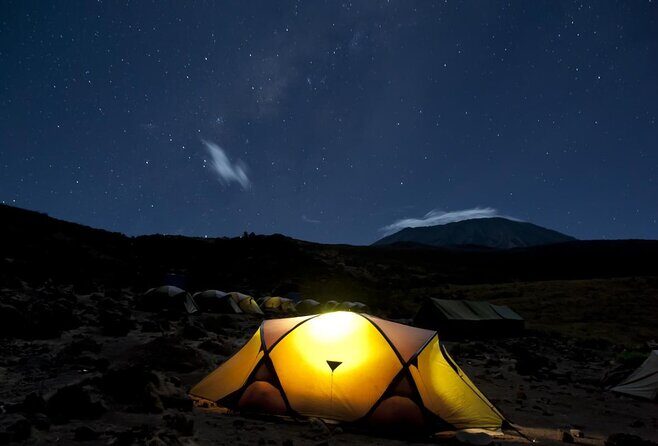
- Tent-only nights: 3-season mountain tents and mats are included; plan for cold, not comfort-hotel vibes.
- Five climatic zones: You’ll see rainforest, moorlands/heath, alpine desert, arctic conditions, then a forested descent.
- Acclimatization built into timing: The plan uses an extra day structure (7 days set aside) to help your body adjust.
- Well-fed days: Three meals daily on the mountain plus snacks, coffee/tea, filtered water, and bottled water.
- Sunrise summit moment: The summit push includes a stop at Stella Point for sunrise views.
From Arusha to Moshi: Your Start-to-Finish Setup
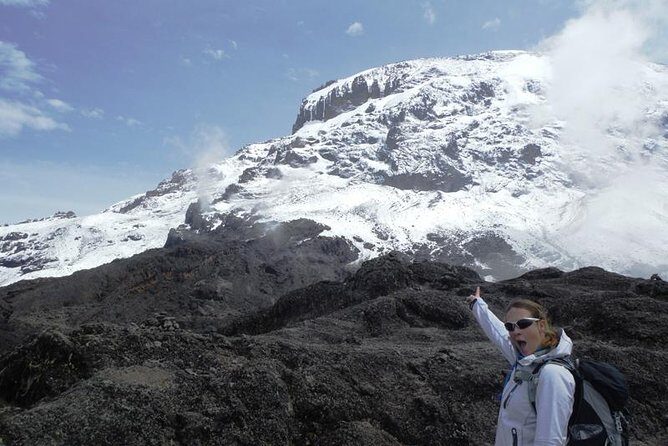
This climb is organized with Arusha as the starting point. You’ll then drive into Kilimanjaro National Park to begin at Machame Gate, and after the final descent you’ll be taken back toward Moshi for your post-trek recovery. The plan includes two-way private airport transfers, which matters because Kilimanjaro routes are scheduled tightly.
Before and after your time on the mountain, you’ll stay at a hotel in Moshi. In the trip notes I saw, people called out a great experience with Keys Hotel specifically, and that matches the general idea: you get real beds before the altitude grind, and then you can sleep without a tent zipper trying to sabotage you.
Also worth noting: your ticket is delivered as a mobile ticket, so you’re not stuck chasing paperwork right before travel.
A few more Arusha tours and experiences worth a look
Why Machame Is the Whiskey Route (and why it’s popular)
Machame is often called the Whiskey Route in contrast to Marangu’s nickname of the Coca-Cola route. The difference is practical: Machame is typically more demanding, and it uses tents instead of huts.
That tent-only setup isn’t a dealbreaker—it’s just a different kind of challenge. You’re carrying your comfort level down with you. But for many seasoned climbers, the trade feels worth it because Machame is known for impressive views and habitat variety.
In the Machame plan, you’re looking at about 62 km gate to gate. Distance alone doesn’t tell the whole story. What matters more is the altitude rhythm: you’ll climb higher, move around higher ground, and then drop to camp at different elevations to help your body adapt.
Day 1-2: Machame Gate Rainforest to Shira Plateau
Day 1 starts with a drive from Moshi into the park toward Machame Village (around 1490m). You’ll register at the gate, then begin hiking through dense rainforest. This first day tends to feel busy: guides and porters pack your food and gear at the village, and you get lunch packs and mineral water to keep the day steady.
You hike for roughly 7 hours on Day 1 to reach Machame Camp. The big win here is immersion in the lower-altitude world—birds, old-growth trees, and wildlife along the path. One note that stuck with me: people reported seeing monkeys right as they entered the park area on a Machame hike, so keep your eyes up when you’re moving through the forest edges.
Day 2 is the transition day. From Machame Camp you climb toward the Shira Plateau, first leaving the forest glades and then heading up a steep, rocky ridge. On the Shira Plateau you’ll pass through heather and open moorlands, and you’ll cross a large river gorge before reaching Shira 2 Camp.
The climb profile jumps in altitude here (about 9,350 ft to 12,500 ft). It’s short in distance (listed around 5 km / 3 miles) but still a workout because elevation does the talking.
Day 3-4: Shira to Lava Tower, Then Barranco Wall to Karanga
Day 3 brings the volcanic landmark: Lava Tower. You’ll follow ridges east, then head southeast toward the rock formation—about 300 feet tall—before descending to Barranco Camp. The descent route passes through Senecio forest, which is one of those Kilimanjaro experiences that’s hard to describe but easy to remember once you’re there.
This day is also built for acclimatization, even if it looks like you’re doing one more big push. The plan intentionally starts higher and ends around a similar altitude, so you spend time in the thin air without stacking exhaustion on exhaustion.
From Shira 2 Camp to Lava Tower you’re looking at about 12,500 ft to 15,190 ft (around 7 km / 4 miles, typically 4–5 hours). Then from Lava Tower down to Barranco Camp, you drop back to about 13,044 ft.
Day 4 is Barranco country, and the big feature is the Great Barranco Wall area. You begin with a descending trek into a ravine and then climb up a steep, non-technical cliff (listed as around 900 ft) before continuing into the Karanga Valley.
This day is shorter in feel and listed as good for acclimatization. Short days can feel like a break—but on Kilimanjaro, they still require good breathing and steady effort.
Day 5-7: Barafu, Summit Night to Uhuru Peak Sunrise, then Mweka Down
Day 5 moves you from Karanga Camp to Barafu Camp. The day connects up toward the Mweka Trail and finishes the southern circuit style of route, with views from many angles along the way.
You’ll set up camp at Barafu, then rest and prepare for summit night. In this area, peaks like Mawenzi and Kibo can be spotted, which is a helpful mental check: you’ll see the mountain you’re about to fight.
Then comes the night you plan your whole week around.
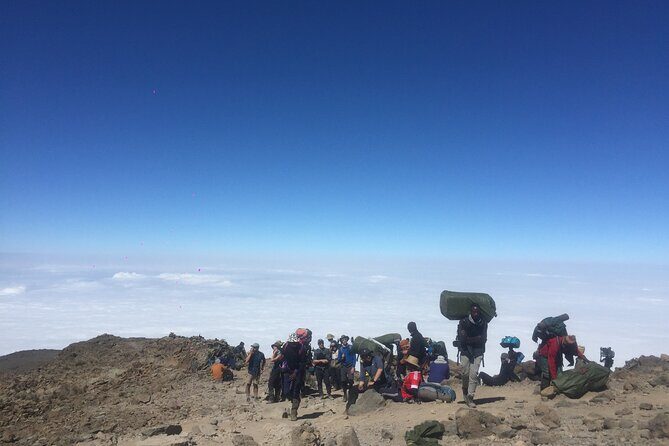
Day 6 starts just past midnight from Barafu Camp toward the summit, with Uhuru Peak the goal. This is the most challenging part because wind and cold can be extreme any time. The pacing here matters more than speed: you’re doing short frequent breaks in darkness.
You’ll reach Stella Point (listed at 18,900 ft) and get sunrise views—often described as the payoff moment—then continue up to Uhuru Peak (listed up to 19,341 ft).
On the way down you shift from summit hero to careful downhill hiker. You descend from the summit to Mweka Camp, with a brief stop at Barafu for lunch. The descent is rocky and can stress your knees, so bring trekking poles if you use them. (Your knees will thank you later, even if they grumble during the hike.)
Mist and rain can show up late in the afternoon near the forested campsite area. It’s not the time to panic about clothing layers—just manage them steadily. Then you finish with your last dinner on the mountain.
Day 7 is your descent to Mweka Gate for summit certificates. The lower reaches can turn muddy and wet depending on rain. After you reach Mweka Village, a vehicle meets you at the gate and transfers you to your hotel in Moshi.
Camping, Tents, and the Comfort Reality Check
This climb uses 3-season mountain tents and includes double layered sleeping mats. That’s a good baseline, but it’s still camping at high altitude. Cold is part of the job.
I like that your essentials are included—tents, mats, meals, water handling, and mountain operations—because it reduces decision fatigue. You don’t need to figure out how to source gear in a hurry.
What you should think about is what your personal comfort needs on tent nights. The only specific “extra comfort” item listed is a portable flush toilet with a toilet tent, which costs US$65 per toilet + toilet tent. If hygiene comforts matter to you, ask ahead of time how that would be arranged for your group.
Food, Water, and Crew Support That Actually Matter
Food on Kilimanjaro isn’t just meals—it’s fuel for altitude work. This package includes 3 meals daily while on the mountain plus snacks, coffee and/or tea, and both filtered water and bottled water.
You also get an organized approach to drinking and eating timing through the day. That’s helpful because when you’re short on energy, you start guessing. Here, you’re less likely to fall into that trap.
The crew is also part of the value. The plan includes professional mountain guides, cooks, and porters. In the trip notes I saw, the director-level communication and guide leadership stood out—people specifically mentioned Daniel (including mentions of staying in touch a lot, including WhatsApp-style communication) and also called out guides like John for running a tight, well-organized operation on the mountain.
Fitness and Altitude: Who Machame Fits Best
Machame is described as recommended for people with some trekking experience and who are physically fit. It’s not the route for a “casual hike” mindset.
Even though the itinerary has acclimatization structure, you still face real climbs and descents. Expect:
- Steep rocky sections early on
- Higher, thinner air on Shira and Lava Tower
- The steep feel of Barranco Wall
- Summit night in extreme cold and wind
- A rocky descent that can be hard on knees
If you train, do two things: build stamina and practice hiking with similar effort levels. Also plan for the fact that you’ll be climbing and descending repeatedly—your body has to adjust to both.
Price and Value: Is $2,564.11 Fair for This Package?
At $2,564.11 per person, you’re not just paying for a guide’s time. You’re paying for:
- Park fees, camping fees, and rescue fees
- All camping equipment listed (3-season tents, sleeping mats)
- Transportation to and from the mountain gate
- Professional guide/cook/porter team
- Three meals daily, snacks, plus water handling
- Pre- and post-trek accommodation in Moshi
- Two-way private airport transfers
- VAT (18%) on tour fees and services
So the value logic is simple: many cheaper-looking options start cutting corners somewhere—fees, safety coverage, meals, or equipment. Here, the essentials are spelled out, and that reduces the chance you’ll get hit with surprise extras mid-trek.
The one notable optional cost is the portable flush toilet add-on. Everything else is included as listed.
Should You Book This 7-Day Machame Climb?
I’d book this Machame route if you:
- Want a tents-only, more challenging Kilimanjaro experience
- Prefer a private climb with a focused guide team
- Like the idea of shifting climates and habitats (rainforest to alpine desert to arctic conditions)
- Are ready to work for summit night and take the descent seriously
I would hesitate if you:
- Don’t have trekking experience or basic fitness
- Hate the idea of sleeping in tents at altitude
- Are looking for hut-style comfort (Machame isn’t that style)
If your goal is to tackle Kilimanjaro through the Machame “Whiskey Route” with a full service package and a private, guided setup, this is a strong fit.
FAQ
How many days is the Machame route climb?
It’s a 6 to 7 day itinerary, with 7 days and 6 nights set aside to support better acclimatization.
Where do the hiking start and end points happen?
The trek starts at Machame Gate and ends at Mweka Gate, where you collect summit certificates. After that, you transfer to Moshi by vehicle.
Is lodging on the mountain in tents or huts?
It’s tent-only accommodation using 3-season mountain tents. A portable flush toilet with a toilet tent is listed as an extra add-on.
What’s included for meals and drinks?
You get 3 meals daily while on the mountain, plus snacks, coffee and/or tea, and filtered water throughout the trek. Bottled water is also included, along with pre-trek breakfast, lunch, and dinner as part of the overall plan.
Are park fees and rescue fees included?
Yes. Park fees, camping fees, and rescue fees are included.
Who is included in the mountain team?
The plan includes professional mountain guides, cooks, and porters. It’s also described as a private tour where only your group participates.
What kind of route is Machame and who is it for?
Machame is described as relatively difficult and recommended for people with some trekking experience and who are physically fit.
What is the trek distance for the Machame route?
Measured gate to gate, Machame is approximately 62 km in length.
What is the cancellation policy?
You can cancel up to 24 hours in advance for a full refund. Less than 24 hours before the experience start time is not refunded.