REVIEW · MOSHI
Mt. Kilimanjaro Day Hiking
Book on Viator →Operated by Kilisa Tours & Safaris · Bookable on Viator
One steep mountain day changes your whole week. This Mt. Kilimanjaro hike from Moshi is interesting because you’re led by a qualified, licensed English-speaking guide and you get key comforts handled for you with an included lunch box and 1.5 L bottle of water—though you do need moderate fitness, since it’s still real trekking time.
I also like the practical way the day is set up: hotel pickup, transport to the gate, park fees included, and a small group cap of 15 travelers. In the feedback I saw, guides like Nickson are praised for being calm and helpful even when someone feels unready, carrying what they can and sharing useful things to watch for on the walk.
In This Review
- Key Points You’ll Care About on This Kilimanjaro Day Hike
- Mt. Kilimanjaro Day Hiking From Moshi: The Goal of This Tour
- Getting There: The 7:30 am Start and Moshi Pickup
- Marangu Gates and the Climb Up: What You’ll Actually Do Up Top
- The 2,700 Meter Stop: Lunch, Wildlife Spotting, and a Real Break
- Descending From the Mountain: Why the Downhill Is Still Work
- Price and Value: Is $400 Worth a Kilimanjaro Day?
- What the Small Group (Max 15) Changes for Your Day
- Who This Mt. Kilimanjaro Day Hike Is Best For
- Practical Tips for Getting the Most Out of Your Day
- Weather and Rescheduling: The One Thing You Can’t Control
- Should You Book This Kilimanjaro Day Hike With Kilisa Tours & Safaris?
- FAQ
- Where is this Mt. Kilimanjaro day hike based, and what time does it start?
- How long is the hike?
- What’s included in the $400 per person price?
- Do I need to be very experienced to join?
- How big is the group?
- What happens if weather is poor?
Key Points You’ll Care About on This Kilimanjaro Day Hike

- Starts at 7:30 am in Moshi, with pickup to the trail gate and return drop-off after the hike
- Licensed English-speaking guide who can answer questions and keep you on the right pace
- Marangu Gates focus, then continuing for about 3–4 hours toward the first lodges around 2,700 meters
- Lunch break with wildlife spotting time, so you’re not just rushing upward
- Descent is part of the plan, not an afterthought
- Small group (max 15) keeps the day feeling personal instead of chaotic
Mt. Kilimanjaro Day Hiking From Moshi: The Goal of This Tour

This isn’t a full multi-day summit attempt. It’s a Kilimanjaro day hike that’s designed for people who want to experience the mountain’s altitude, rhythms, and views without committing to the long haul of reaching Uhuru Peak.
What makes it a strong choice is that the day is built around a classic starting point: you go up to Marangu Gates, then you continue for a few hours before turning around to descend. That structure matters because it gives you time to feel like you’re truly on Kilimanjaro, not just walking to a signpost and back.
You’re also not doing this alone. Your guide is professional, English-speaking, and licensed, and that becomes your safety net for pacing and questions. If you’re the kind of traveler who likes clear guidance, this tour fits that style well.
One more value piece: the day already includes major costs like park fees and transport to and from the gate. That tends to reduce the annoying “surprise add-ons” feeling that can happen with some tours.
You can also read our reviews of more hiking tours in Moshi
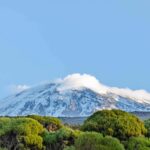
Getting There: The 7:30 am Start and Moshi Pickup

Your day kicks off at 7:30 am. The tour includes pickup from your hotel and then transport to the trail area. If you’ve ever tried to line up your own ride in a place you don’t know well, you’ll appreciate having this handled.
The timing also matters. A morning start gives your guide a better chance to work with the day’s conditions, and since the experience requires good weather, being positioned early helps you get the best shot at a smooth run.
You’ll also receive a confirmation at booking and the tour uses a mobile ticket. That’s a practical detail, but it matters if you’re moving between hotels or checking your phone more than you’re checking email.
Marangu Gates and the Climb Up: What You’ll Actually Do Up Top

The hike begins with getting to the Marangu Gates. From there, you continue upward for a couple more hours before you start thinking about the lunch stop and the turnaround timing. The practical version of this: you’re walking steadily, with breaks built into the plan, and your guide watches your pace.
The itinerary states you hike about 3–4 hours to the first lodges area at around 2,700 meters. Even if you don’t obsess over the number, you should understand what it means: you’re gaining altitude, and the climb becomes part effort, part breathing, part mental focus.
This is also where your guide’s value shows up. In the feedback, one guide named Nickson was praised for being accommodating and carrying what needed carrying when someone felt unprepared. That’s not a small point. On a hike, feeling supported changes everything—especially when you’re learning your own pace on a steep day.
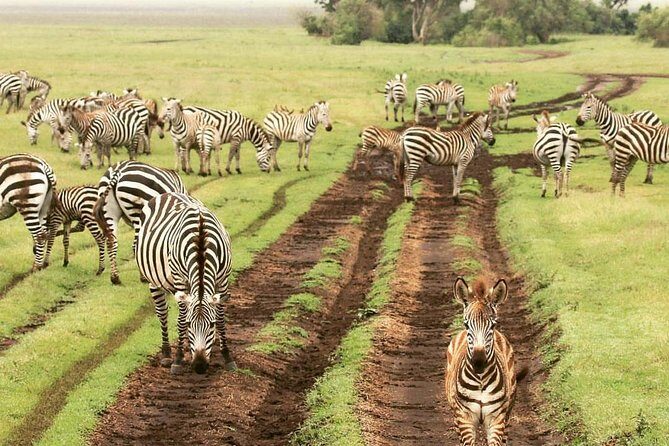
Along the way, you also keep an eye out for wildlife. The tour doesn’t promise a specific animal sighting (and honestly, no guide should), but you’re being guided to look around and notice what’s around you during breaks and stops.
The 2,700 Meter Stop: Lunch, Wildlife Spotting, and a Real Break
A big part of this Mt. Kilimanjaro day hike is that you don’t just keep walking until you’re exhausted. You take a lunch break near the first lodges stop after reaching about 2,700 meters.
This matters for two reasons:
First, it’s a mental reset. You’re on a mountain, and a long uphill effort can blur time. A proper lunch stop gives you a clear marker for progress—we’re here, we’ve climbed, now we refuel.
Second, this is when wildlife spotting gets more than a quick glance. The tour is framed so you can admire the wildlife surrounding you while you eat. Even if you don’t see much, you’ll likely find the stop makes your hike feel like more than a workout.
If you’re wondering about food logistics: the tour includes a lunch box, plus a 1.5 litre bottle of water. That’s part of the value of paying a flat price for a guided day. You’re not stuck hunting for snacks mid-trek.
Descending From the Mountain: Why the Downhill Is Still Work

After the lunch stop and the planned timing, you descend. The itinerary describes descending the mountain as part of the main experience, with time built in to capture anything that interests you along the way.
Don’t underestimate this part. Even when the route is down, your legs are still working. Your pace also needs attention because downhill can be hard on knees and ankles if you rush it.
This is also a good time to rely on your guide’s judgment. Since you’re being led by a licensed mountain guide, you’re not left to guess when to slow down or where the safest footing is. If you’ve seen guidance from Nickson praised for staying close and giving practical help, that kind of support is exactly what you want during the descent.
And yes, you’ll likely have plenty of chances to take photos. The tour description specifically notes you’ll capture views and anything that interests you during the descent.
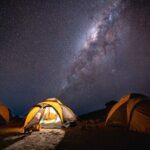
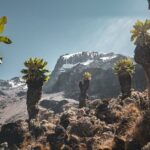
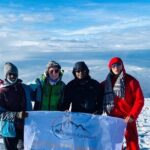
Price and Value: Is $400 Worth a Kilimanjaro Day?
At $400 per person for an approx. 11-hour day, you’re buying more than a walk in the mountains. You’re paying for a full-service structure:
- Hotel pickup and drop-off
- Transport to/from the gate
- Park fees included
- A professional English-speaking mountain guide
- A lunch box and 1.5 litre water
- The group is capped at 15 travelers
Those items add up fast if you tried to piece them together on your own. You’d need permits (covered here), local transport, a guide, and day-of logistics like food and water. So even without doing a detailed apples-to-apples comparison to other tour operators, it’s clear the price isn’t just paying for “time on the mountain.” It’s paying for the whole system that gets you there and keeps you moving safely.
One cost note to plan for: gratuities/tips for the mountain guide are not included. Also, personal expenses aren’t included, and if you’re relying on your own insurance or flights, those aren’t part of the price. The tour itself is value-dense, but you should budget for the human side of guiding.
What the Small Group (Max 15) Changes for Your Day

A cap of 15 travelers can sound like a detail, but on a hike it affects your whole experience. Smaller groups tend to move with less pressure. You get more chances to ask questions, and your guide can adjust pacing without one fixed rhythm meant for the fastest people.
It also makes wildlife spotting more realistic. When you’re not elbow-to-elbow, it’s easier to actually look and not just glance and move on. The tour’s focus on wildlife during breaks works better with a group size like this.
And if you’re the sort of person who worries about being underprepared, the feedback about guides being accommodating matters. Nickson’s name came up specifically for being helpful with carrying and sharing information, which suggests the guide team isn’t just reading a checklist.
Who This Mt. Kilimanjaro Day Hike Is Best For
This tour is a good fit if you:
- Want a Kilimanjaro experience without aiming for the full summit of Africa’s highest mountain
- Prefer a guided day with English-speaking leadership
- Like the idea of hiking up to Marangu Gates and reaching the first lodges zone around 2,700 meters
- Are traveling with only one day available and still want a meaningful trek
It’s also aimed at people with moderate physical fitness. If your fitness level is lower than moderate, you’ll likely find the climb and descent harder than expected.
The tour description also hints at the ideal mindset: if you’re not ready to tackle the full summit effort, this is designed as a stepping-stone day.
Practical Tips for Getting the Most Out of Your Day
I’ll keep this grounded in what the tour actually does, not generic mountain advice.
- Start mentally ready for a long day: it’s about 11 hours, so plan your energy like a day hike, not a quick stroll.
- Use the guide’s knowledge: the guide is there to answer questions and point out things along the route. If you’re unsure about pacing or what you’re seeing, ask.
- Treat lunch as part of the plan, not a pause: you get a lunch box and the chance to look around during that break.
- Take your descent seriously: you’ll descend the mountain and have chances to stop for views, but keep an eye on your footing and pace.
- Expect wildlife time, not guaranteed wildlife: the tour includes time to spot wildlife, so keep your attention up, especially around the lunch break.
Weather and Rescheduling: The One Thing You Can’t Control
This experience requires good weather. If the tour gets canceled due to poor weather, you’ll be offered a different date or a full refund. That’s reassuring because it means the operator isn’t forcing people into unsafe conditions.
Also, the tour uses a clear cancellation window: you can cancel for a full refund if you cancel at least 24 hours before the start time. If you’re in Tanzania for a short trip, this is exactly the kind of flexibility you want for a weather-dependent experience.
Should You Book This Kilimanjaro Day Hike With Kilisa Tours & Safaris?
I’d book this if you want the Kilimanjaro feeling—Marangu Gates, altitude progress to around 2,700 meters, a lunch break, and a guided descent—with the comfort of pickup, water, and a licensed guide included. At $400, the value sits in the full day logistics, not just the walking.
Skip it (or at least think twice) if:
- You know your fitness isn’t in the moderate range
- You’re looking for a short, easy outing rather than a real long trek day
- You can’t handle the idea of a weather-related change
If you’re ready for a guided day on Kilimanjaro, this is one of the more straightforward ways to do it—especially with a small group and strong guide support like the feedback around Nickson.
FAQ
Where is this Mt. Kilimanjaro day hike based, and what time does it start?
The tour is based in Moshi, Tanzania, and it starts at 7:30 am.
How long is the hike?
The duration is about 11 hours.
What’s included in the $400 per person price?
It includes transport to/from the gate, park fees, a professional English-speaking mountain guide, a lunch box, 1.5 litre bottle of water, and pickup to your hotel with drop-off after the tour.
Do I need to be very experienced to join?
The tour is listed for travelers with moderate physical fitness. It’s also positioned as an option if you are not quite ready to tackle the full summit effort.
How big is the group?
The tour has a maximum group size of 15 travelers.
What happens if weather is poor?
This experience requires good weather. If it’s canceled due to poor weather, you’ll be offered a different date or a full refund.