REVIEW · MOSHI
Mountain Kilimanjaro Climbing 7 Days Machame Route
Book on Viator →Operated by Exceed Expectations Tours & Safari · Bookable on Viator
Rainforest starts. Hard days follow. The Machame Route (the Whiskey Route) gets you climbing from Machame Gate through dense, less-trodden rainforest, then keeps ratcheting up the effort—often on muddy, overgrown trail that asks you to keep your footing and your pace honest.
I love that this trek is set up for real altitude acclimatization, with the walk high, sleep low approach built into the climbing days. You’ll also feel the payoff in the long summit night: aiming for first light at Stella Point and then pressing on to Uhuru Peak (5895m) when the world turns from dark to sharp.
In This Review
- Key Highlights Worth Noticing
- Machame Route, aka the Whiskey Route: steeper trekking and tent nights
- Moshi to Machame Gate: starting with rainforest and park formalities
- Day 1: dense forest climb that teaches you pacing fast
- Day 2 to Shira Plateau: a landscape shift and Mt Meru in the distance
- Day 3: moorland walking under the Lava Tower and toward high altitude
- Day 4: Great Barranco Wall and the glaciers under your route
- Day 5 to Barafu Camp: the scree slog at 4640m
- Day 6: Stella Point sunrise and Uhuru Peak at 5895m
- Day 7: down through rainforest to Mweka Gate, then back to Moshi
- Price and logistics: is $2,564.11 good value?
- Who should choose Machame for a 7-day summit attempt
- Practical packing tips for what this itinerary actually throws at you
- Final verdict: should you book this Machame 7-day climb?
- FAQ
- What route is this, and why is it called the Whiskey Route?
- How long is the trek on the mountain?
- Where does the climb start and where do you finish?
- What’s included in the package besides the hike?
- What’s the maximum group size?
- How hard is the summit day, and when does it start?
Key Highlights Worth Noticing
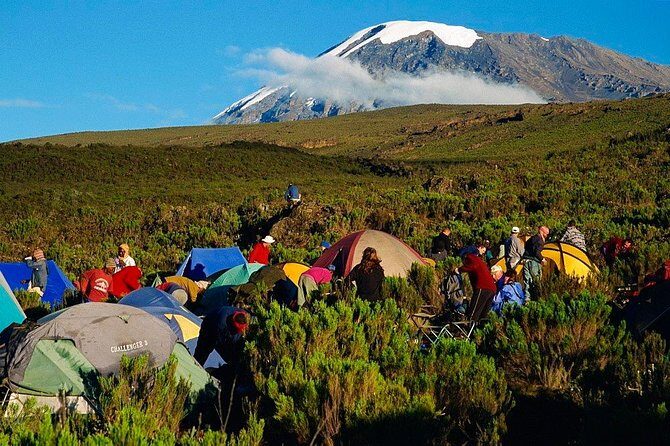
- Whiskey Route = tents and steeper hiking: fewer comforts than hut routes, more movement on changing terrain.
- Real acclimatization rhythm: you gain altitude and then purposely recover lower the next night.
- Rainforest to moorland to scree: you watch the mountain shift under your boots.
- Great Barranco day: a long, tiring rock climb that’s not technical, just demanding.
- Summit push timed for sunrise: Stella Point first light, then Uhuru Peak.
- Tough but structured itinerary: 7 days gives a better acclimatization schedule than the 6-day option.
Machame Route, aka the Whiskey Route: steeper trekking and tent nights
Machame is famous for being tough, and the nickname Whiskey Route isn’t just marketing fluff. Compared to the Marangu route (often called the Coca Cola route), Machame climbs more steeply and covers longer distances on foot, with tents instead of huts at camp.
That difference matters because your “camp life” becomes part of the challenge. You’ll be carrying your energy through steeper sections, then switching gears to sleeping in tents—meaning you feel the cold and the wind more than you would on a hut trek. If you want Kilimanjaro to feel like serious mountain time, Machame is the real deal.
A few more Moshi tours and experiences worth a look
Moshi to Machame Gate: starting with rainforest and park formalities
You’ll begin with about a one-hour drive from Moshi to Machame Gate, where you handle park formalities and meet your crew of porters. Then the trek starts right away with a steady push upward through lush forest.
What I like here is that the first day feels wild and alive. The route is described as less well-trodden, and that usually means fewer crowds and more natural trail character—also, more dampness. Expect things to be wet and muddy underfoot in places, and understand that you’ll want good traction from step one.
Day 1: dense forest climb that teaches you pacing fast
On day one, you climb steadily through magnificent, dense rain forest. The effort is consistent, but the trail conditions can slow you down—mud, overgrowth, and occasional slick footing.
This is a good day to set your rhythm. Don’t race the first hours because your legs can feel fine while your body is still getting used to the altitude changes you’ll build over the next few days.
Day 2 to Shira Plateau: a landscape shift and Mt Meru in the distance
By day two, the route keeps heading up through forest until you reach the steep ascent toward the Shira Plateau. As the vegetation thins, the air and the views change fast.
You’re in for some rewarding mountain moments on this day—especially looking back to see Mt Meru rising above Arusha in the distance. It’s also a day where your breathing becomes part of the navigation. When the slope steepens toward the plateau, you’ll likely feel altitude more than you felt on day one.
Day 3: moorland walking under the Lava Tower and toward high altitude
Day three switches the character again, moving into high moorland with big, open-feeling trail. You pass under the Lava Tower, then continue along toward the final section of the Western Breach before reaching camp.
This is also one of the key acclimatization days. The trekking is at altitude—up to around 4600m—and the itinerary specifically uses the mountaineering code walk high, sleep low to help your body adapt. Even if you feel strong, keep your pace controlled. On Kilimanjaro, strength is useful, but consistency is what keeps you healthy.
Day 4: Great Barranco Wall and the glaciers under your route
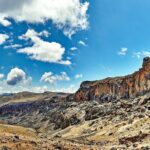
Day four starts with a descent into the Great Barranco, a huge ravine, then a steep exit up the Great Barranco Wall. The description is clear: it’s rock, not technical—but it’s long and tiring.
You also pass underneath the Heim and Kersten glaciers while traveling toward Karanga valley, then you climb steeply up to Karanga Camp at 3963m. There’s even an optional mid-afternoon acclimatization trek for those who feel good, aiming around 4200m before descending back to camp.
I like this structure because it helps you stay acclimatized without turning the day into a full summit-style ordeal. It’s still hard, but it feels controlled—like the mountain is challenging you in a planned way.
Day 5 to Barafu Camp: the scree slog at 4640m
After breakfast on day five, you head toward Barafu camp at 4640m. Expect desolate scree slopes with little or no vegetation—so the climb feels exposed and raw, and the altitude makes normal steps feel heavier.
When you arrive, you eat, rest, and prepare for the long night ahead. Hydration and staying warm are emphasized here, and that’s smart. This is the point where you’ll be tempted to underestimate the cold because you’re busy focusing on altitude. Don’t.
Dinner is early, then the goal is sleep. You’ll usually be getting up around 11pm to 12pm to start the summit climb—so treat this night as training for patience as much as endurance.
Day 6: Stella Point sunrise and Uhuru Peak at 5895m
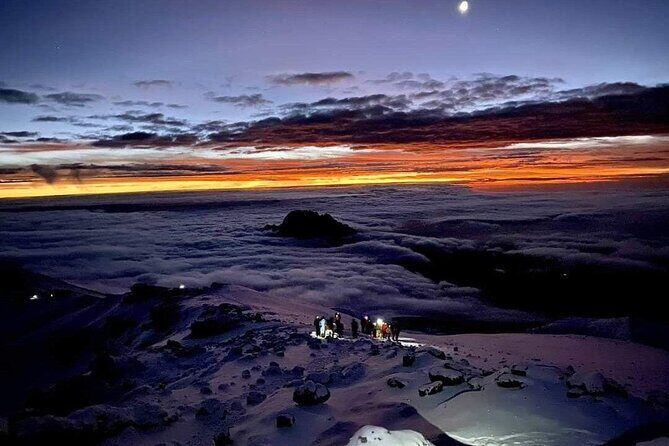
This is the day you came for, and it starts with steep walking in the dark. You begin around midnight, climbing steeply upward to the summit glaciers, with 4 to 5 hours of scree walking to gain height in a short distance.
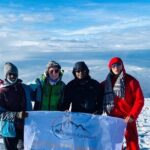
The big moment is arriving at the crater rim at Stella Point (5739m) as the first rays of sun hit. The views described here are intense: ice cliffs within the crater and wide sightlines toward jagged Mawenzi peak and beyond.
Then you keep going for another hour to reach Uhuru Peak (5895m). After that, you descend back to Stella Point, then work down the scree slope and track back to Barafu Camp for breakfast. Finally, you continue down to Millennium Camp for a well-earned rest.
The itinerary lists day six at about 15 hours, so think of it as a full-day mission, not a quick hike. If you manage your energy and keep steady steps, the summit feels more like a long negotiation with altitude than a sudden sprint.
Day 7: down through rainforest to Mweka Gate, then back to Moshi
The final day is a gentler trek compared to the summit hours, moving down through rain forest to Mweka Gate. You’ll complete park formalities and receive certificates, which you can hang up with pride—because this isn’t a “just show up” achievement.
After the gate, vehicles pick you up and bring you back to Moshi. One of the best perks here is a return to a real shower—hot, simple, and deeply deserved after tent life and cold nights.
Price and logistics: is $2,564.11 good value?
At $2,564.11 per person, this Machame trek isn’t budget travel. But it’s also not just a walk—Kilimanjaro logistics are expensive: park access, mountain operations, and a team that includes porters.
Here’s what makes the price feel more reasonable from a value standpoint:
- Admission tickets are included as part of the package days shown in the itinerary.
- Pickup from Moshi is offered, which saves time and helps the first day start clean.
- The group size is capped at 15 travelers, which usually means you’re not fighting the trail crowd for every decision.
- You get mobile ticket confirmation, and confirmation is provided at booking.
What you should still do (before you pay or right after booking) is confirm exactly what’s covered beyond the park tickets shown in the schedule—especially anything like trekking meals, sleeping setup, and required gear. The itinerary tells you the route and rhythm, but you’ll want clarity on your day-to-day comfort.
Who should choose Machame for a 7-day summit attempt
This trek fits best if you’re willing to work. The itinerary calls for moderate physical fitness, but the days still include steep sections, long hiking hours, and an overnight summit push.
You’ll likely enjoy Machame most if you like:
- Steeper walking and changing scenery
- Camp life in tents
- A climb that feels like altitude training, not a casual stroll
You might want to rethink if you strongly prefer hut-style comfort, or if the idea of muddy rainforest trail plus scree days sounds like a dealbreaker. Machame doesn’t hide the difficulty. It just gives you a more realistic schedule over seven days.
Practical packing tips for what this itinerary actually throws at you
The route description alone tells you what to prepare for: muddy rainforest in the beginning, exposed moorland and rock days in the middle, then cold nights and scree walking near the summit.
I’d plan around these realities:
- Traction matters early on wet, muddy forest segments.
- Layering is non-negotiable for tent nights and summit night conditions.
- Hydration discipline matters because the itinerary stresses it near Barafu and across high-altitude days.
- Save energy for the long climbs like Great Barranco Wall and the scree push toward Stella Point.
Also, keep a mindset for “move smart, not fast.” Kilimanjaro rewards steady, boring consistency more than heroic bursts.
Final verdict: should you book this Machame 7-day climb?
If you want a classic Kilimanjaro experience where you truly feel the mountain change—from rainforest to plateau to scree—and you’re okay with tents and steep effort, I think this Machame 7-day option is a strong choice. The schedule’s focus on acclimatization (walk high, sleep low), plus the sunrise timing toward Stella Point and then Uhuru Peak, is exactly the kind of structure that helps you aim for the summit with fewer surprises.
Book it if you:
- are ready for steep, long days and one very long night,
- want the Whiskey Route challenge,
- and value a capped group size and included park admissions.
Hold off or ask more questions first if you want hut comfort, dislike cold-weather camping, or aren’t confident you can handle sustained steep hiking at altitude. This climb doesn’t pretend to be easy—and that honesty is part of why it’s worth doing.
FAQ
What route is this, and why is it called the Whiskey Route?
This is the Machame route, which is also known as the Whiskey route because it’s generally considered tougher than the Marangu route (often called the Coca Cola route). Machame uses tents and involves steeper, longer hiking segments.
How long is the trek on the mountain?
The trek is scheduled for 7 days (about), with six nights on the mountain. The Machame route can be done in minimum six days (five nights), but seven days is usually used for better acclimatization.
Where does the climb start and where do you finish?
The trek starts at Machame Gate and ends at Mweka Gate. You return to Moshi by vehicle after finishing park formalities at Mweka Gate.
What’s included in the package besides the hike?
The itinerary indicates admission ticket(s) are included (listed each day in the schedule). Pickup offered is also included, and you receive a mobile ticket.
What’s the maximum group size?
The tour lists a maximum of 15 travelers.
How hard is the summit day, and when does it start?
The summit day is described as a very long day (about 15 hours) starting at around midnight. You walk steeply to the crater rim at Stella Point for first rays of sun, then continue to Uhuru Peak, before descending back down.