REVIEW · ARUSHA
Multi-Day Camping Safari Experience in Arusha
Book on Viator →Operated by SERENGETI LANDMARK TOURS · Bookable on Viator
Calving season turns Serengeti into a nursery. This 6-day Arusha camping safari is built around following the Great Wildebeest Calving Migration from December to April, with major wildlife time in the Lake Ndutu and southern/central Serengeti areas. You also get classic add-ons like Ngorongoro Crater and Tarangire, plus a chance for a biking adventure in Mto wa Mbu as part of the experience description.
I like the small-group feel (max 6 travelers) because it makes game drives feel more hands-on than rushed. I also like the safari vehicle setup: a pop-up roof jeep for better sightings, plus unlimited drinking water and WiFi on board.
One thing to consider: mornings start early, including a 5:45am wake-up for sunrise in Serengeti. If you’re the type who needs a slow start, plan to be tired but rewarded.
In This Review
- Key things I found especially good about this safari
- Calving Season Routing in Serengeti: What You’re Actually Buying
- Arusha to Tarangire: A Strong Start Before Serengeti
- The Ndutu Game Drives: Calves, Predators, and Timing You Can Feel
- The 5:45am Serengeti Sunrise Moment (And Why It’s Worth It)
- Ngorongoro Crater: Descending About 600 Meters for Predator-Dense Viewing
- Lake Manyara National Park: Birds, Flamingos, and Rift Valley Views
- The Safari Vehicle, Meals, and Comfort: What Inclusion Means in Real Life
- Guides Matter: Robert, Raymond Ayo, and Swalehe in the Spotlight
- Biking in Mto wa Mbu: A Fun Bonus to Confirm
- Price and Logistics: Is $1,496 Actually Good Value?
- Should you book this Arusha camping safari?
- FAQ
- What months does this safari focus on wildebeest calving?
- How long is the experience?
- Which areas are included on the route?
- Is pickup offered?
- What is the maximum group size?
- What safari-vehicle comforts are included?
- Are park admission tickets included?
- Does the trip include Ngorongoro Crater?
- Is a biking adventure in Mto wa Mbu included?
- What meals are included, and are tips extra?
Key things I found especially good about this safari
- Calving-season routing to Ndutu and short-grass plains for the timing window when births are most likely
- Pop-up roof safari jeeps that make it easier to spot action without constantly changing positions
- Serengeti early sunrise drive plus longer game-drive blocks that respect animal rhythms
- Ngorongoro descent about 600 meters for a wildlife-rich bowl effect and predator chances
- Meal quality getting real praise, not just “camp food okay”
Calving Season Routing in Serengeti: What You’re Actually Buying
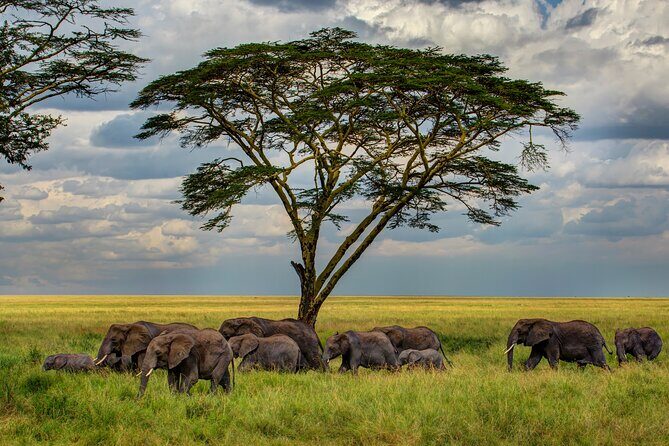
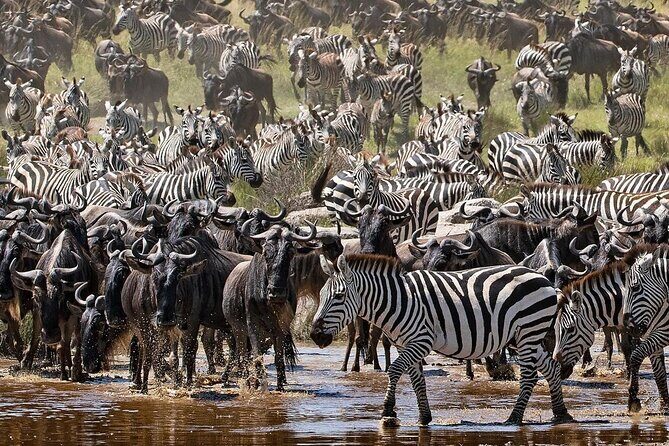
The headline here is not “see Serengeti.” It’s “see Serengeti during calving,” specifically the Great wildebeest calving migration window from December through April. That matters, because calving isn’t a uniform event across the ecosystem. The tour is designed to target the places where the herds concentrate on the short-grass plains, and where you’re more likely to witness the dramatic cycle: grazing, births, and then predator pressure as the young are most vulnerable.
Lake Ndutu and the southern Serengeti ecosystem are repeatedly singled out as some of the best locations for the month-by-month timing (the tour notes especially the mornings and months around February and March). Practically, this means your days aren’t a “random drive until you get lucky” setup. You’re scheduled to spend the bulk of your time in the habitats where calves are expected to appear, and that increases the odds of seeing the whole story, not just a few passing wildebeest.
It also means your photographic experience has a different texture. Instead of only long-distance herd views, you’re more likely to catch moments that feel closer to daily life: newborns moving quickly enough to stay with the herd, tight predator interest, and the constant movement across open grassland.
A few more Arusha tours and experiences worth a look
Arusha to Tarangire: A Strong Start Before Serengeti
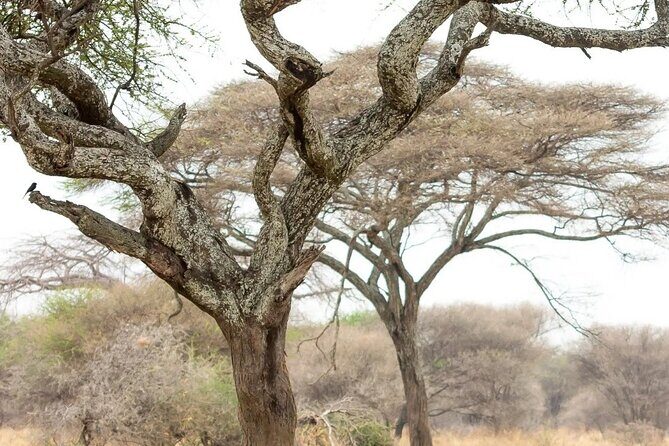
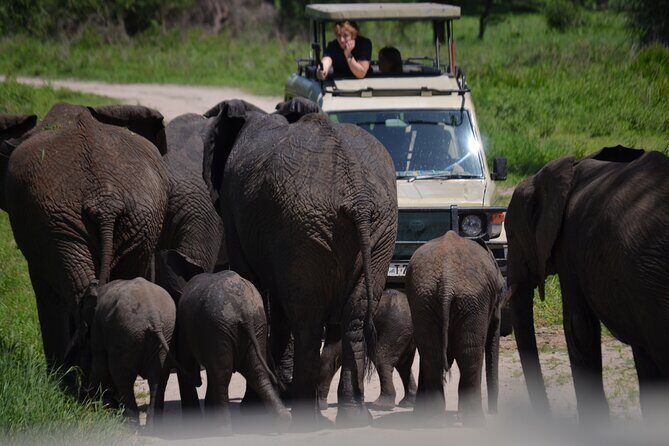
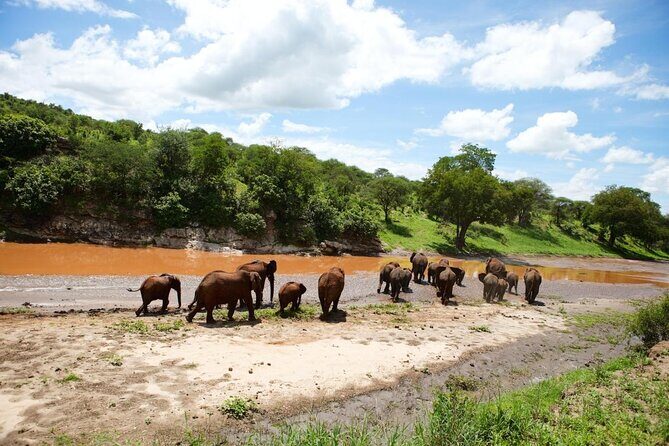
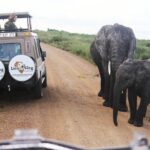
Most people book Arusha safaris hoping for Serengeti. I think the smart move here is how the itinerary starts in Tarangire National Park. Tarangire is known for elephants in large herds, and the tour description also points out the classic Tarangire ingredients: baobab trees (the Tree of Life) and the year-round Tarangire River, which stays important even in dry periods.
This first day does a few useful things for you. It loosens you up after travel. It also helps you “learn the safari rhythm” early: how to sit in the jeep comfortably for long sightings, how to read distance and movement, and how fast wildlife can shift from “nothing” to “look, right there.”
If you’re coming from outside Tanzania, this day is also a reality check about pacing. Eight hours in the bush is not a theme-park tour. It’s patient, it’s bumpy, and it’s worth it because Tarangire’s concentration of elephants and iconic trees gives you an immediate sense of place.
The Ndutu Game Drives: Calves, Predators, and Timing You Can Feel
Your strongest wildlife hours are concentrated around Ndutu in the Serengeti ecosystem. The tour schedule gives you both an afternoon game drive and a full day game drive in the same general area. That’s not redundant. It’s how you increase your chances. Wildebeest movements can shift, predator behavior can be unpredictable, and the “best” viewing moment often depends on light, wind, and where the herd chooses to bunch.
The tour description focuses on short-grass plains and the seasonality of births, and it makes a direct point: calving creates a feeding frenzy. The late-winter/early-spring timing is supposed to bring a very high chance of predator activity, including cheetah, lion, hyena, and leopard. You should treat that as “chances,” not guarantees, but the logic is sound. When prey is most concentrated and young are newly independent, the whole ecosystem reacts.
You’ll also notice the habitat variety mentioned in the tour description: swamps, woodland, soda lakes, and the short-grass plains themselves. That variety matters because it changes what you can see from the vehicle. Open plains support scanning and wide herd views. Woodland and swamps can hide action until the angle is right. The best days in Ndutu feel like a mix of sweeping herd panoramas and sudden close-up chaos.
One more practical detail: Lake Ndutu is described as alkaline, and the tour notes the water is still drinkable and used by local wildlife. You don’t need to drink it yourself. But it does help you understand why the area draws animals year after year, especially during the migration cycle.
The 5:45am Serengeti Sunrise Moment (And Why It’s Worth It)
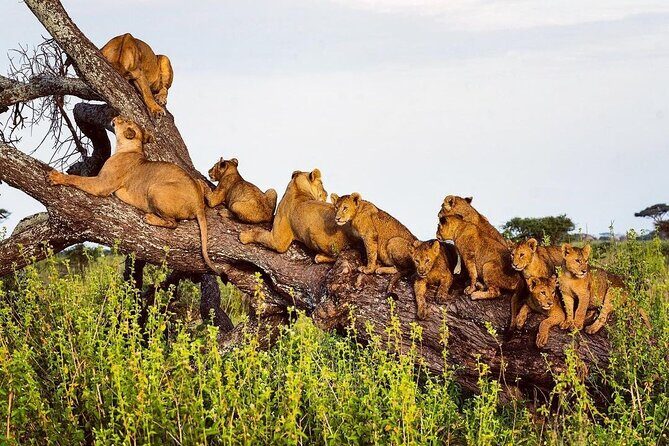
On one day, you wake up at 5:45am and catch sunrise inside Serengeti. Then you do an early morning game drive that runs until about 11:30am before you break for hot lunch and head toward Ngorongoro for dinner and overnight.
This is a classic “why safari timing beats sleep” setup. The early hours are often when animals move more actively and when you’re less affected by heat haze. Also, you’re in the short-grass ecosystem where sight lines can be strong. Sunrise drives can give you that extra layer of drama: golden light on the grass, more contrast around movement, and a calmer feel before the day’s energy ramps up.
That said, the schedule is real. You won’t roll out at 9. If you’re traveling with someone who needs long lie-ins, agree on coffee/packing habits beforehand so the start doesn’t feel stressful.
The day is also structured so you’re not stuck with one long drive and then dead time. You get a meaningful morning, a proper midday break with hot lunch, and a continuation of game drive time as you head toward the crater.
Ngorongoro Crater: Descending About 600 Meters for Predator-Dense Viewing
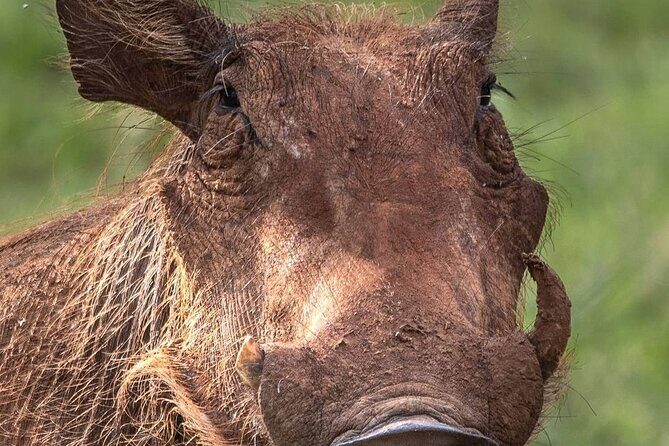
Ngorongoro is the “wow” portion of the trip for a lot of people, and the itinerary backs it up with how you view it. You drive into the Ngorongoro Conservation Area and then descend down roughly 600 meters into the crater to watch wildlife.
That descent is not just for dramatic storytelling. In practical terms, it creates that amphitheater effect: you’re often viewing many animals in a smaller area, with predators and prey sharing space in closer proximity than in flatter terrain. The tour description calls out the dense predator population and mentions lions, hyenas, jackals, cheetahs, and the elusive leopard as possible sightings. Leopard is never promised, but you’re going to be in the right kind of ecosystem for trying.
The itinerary also includes Lake Magadi, described as a shallow alkaline lake in the crater’s south-west corner. That’s a major clue about what you’ll focus on down there. When water birds matter, it changes what the crater can provide in a half-day: flamingos can show up in numbers, and hippos may be visible if conditions cooperate.
If you enjoy “one place, many species” viewing, this day is built for you.
Lake Manyara National Park: Birds, Flamingos, and Rift Valley Views
Your final day moves to Lake Manyara National Park. Here, the focus shifts from calving drama to scenic viewing and birdlife, with the lake and the Rift Valley wall as a backdrop.
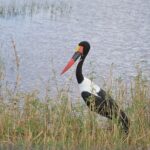
Lake Manyara covers about two-thirds of the park, and the tour description highlights how it’s a compact circuit for game viewing. There’s also an explicit bird count claim in the description: over 400 species of birds, including thousands of pink-hued flamingos. Even if you’re not a hardcore birder, seeing large flamingo concentrations is one of those “I get it now” safari moments.
This day is also helpful as a wind-down after Ngorongoro. The crater can feel intense. Manyara feels lighter and more spread out, with more time to just take in the lake setting and notice how the landscape (literally) shapes animal behavior.
The Safari Vehicle, Meals, and Comfort: What Inclusion Means in Real Life
The price is $1,496 per person for the 6-day experience, and the inclusions matter for value. You’re not just paying for drives. The package includes:
- Pop-up roof safari jeep (for spotting and photography)
- WiFi on board
- Unlimited drinking water
- Park fees/taxes listed as included, with admission tickets shown as free
- Meals: 6 breakfasts, 6 lunches, and 5 dinners
That meal breakdown is important. On many budget safaris, you’re forced to patch together snacks and spend money hungry. Here, you’re covered on most of the trip, which keeps your energy stable for the long drives and early mornings.
Comfort-wise, the tour is camping-based, and one key detail from guest feedback is that sleeping is described as okay rather than “luxury.” That’s not a reason to avoid it. It just sets expectations. Bring a warm layer and plan for basic camp conditions, especially if you run cold at night.
Also, food gets called out as better than expected, with guests praising it as very delicious. On a safari where you might be awake early and sitting for hours, good meals don’t just feel nice. They help you stay patient in the bush.
Guides Matter: Robert, Raymond Ayo, and Swalehe in the Spotlight
Even when the route is great, your guide makes the difference between “we drove around” and “we found the action.” In the feedback tied to this operator, names like Robert and Raymond Ayo show up for excellent guidance, strong knowledge of animals and the local culture, and a knack for finding what people want to see.
Another guide name that comes through is Swalehe, praised for doing his best to spot major predators and big game. If you get a guide with that mindset, you’ll feel it in how they position the jeep, how they track movement, and how they explain what you’re seeing so it doesn’t turn into a blur of “many animals.”
If you’re the kind of traveler who loves learning while seeing, this tour type suits you. It’s not only about checking species off a list. It’s about understanding why the herd is where it is and what the predators are likely to do next.
Biking in Mto wa Mbu: A Fun Bonus to Confirm
The tour description mentions a biking adventure in Mto wa Mbu. The day-by-day stops listed in your schedule are Tarangire, Ndutu/Serengeti, Ngorongoro, and Lake Manyara, so the exact timing of the bike part isn’t spelled out in the schedule you provided.
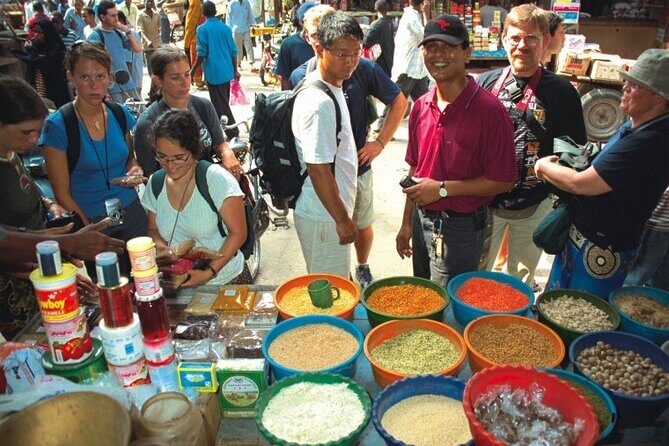
If this is a priority for you, ask your operator where it fits in the flow. It’s worth clarifying so you can pack properly (sun protection, long socks or breathable gear, and water).
When it’s included well, biking can add something safaris can lack: a closer feel for everyday life and a slower pace between wildlife “hits.”
Price and Logistics: Is $1,496 Actually Good Value?
For many people, safari pricing is hard to judge because you only see the total and not what’s inside. Here, the value case is built on three points:
- A targeted calving-season route. You’re paying for timing and geographic focus, not just “a Serengeti visit.”
- Key inclusions. Unlimited water, WiFi on board, a pop-up roof jeep, and meals (6 breakfasts, 6 lunches, 5 dinners) reduce extra costs and make long drive days more manageable.
- Major parks, including Ngorongoro. Many “value” safaris skip Ngorongoro or only do it briefly. This includes a crater descent and Lake Magadi time.
What’s not included is also clear: tips, visa/air tickets, personal items, and alcoholic beverages. Plan on tipping as a separate line item. Also plan on paying for any souvenirs, laundry, and anything you didn’t pack.
Bottom line: if your dates match December–April and you want the calving story with strong wildlife density stops, this price reads as reasonable. If you’re traveling outside the calving window, the experience could feel less focused than advertised.
Should you book this Arusha camping safari?
Book it if you’re traveling in Dec–Apr and you want a safari with a clear wildlife goal: the wildebeest calving season around Ndutu and southern/central Serengeti. The schedule spends real time in the right ecosystem, and the addition of Ngorongoro Crater and Tarangire gives you the classic Tanzania highlights without turning it into a “hit-and-run” itinerary.
Skip or think twice if:
- You hate early mornings. There’s a 5:45am sunrise start.
- You want a fully luxury sleep setup. Camping sleeping is described as okay, not fancy.
- Your travel dates don’t line up with calving season. The focus depends on the calendar.
If you match those conditions, you’re setting yourself up for the kind of safari where the story changes each day, and you’re not just watching animals—you’re watching a living cycle unfold.
FAQ
What months does this safari focus on wildebeest calving?
The safari is designed to follow the Great Serengeti wildebeest migration during calving from December to April.
How long is the experience?
It runs for 6 days (approx.).
Which areas are included on the route?
The route includes Tarangire National Park, the Lake Ndutu area and southern/central Serengeti National Park, Ngorongoro Conservation Area (Ngorongoro Crater), and Lake Manyara National Park.
Is pickup offered?
Yes, pickup is offered.
What is the maximum group size?
The group size is capped at a maximum of 6 travelers.
What safari-vehicle comforts are included?
The experience includes a pop-up roof safari jeep, WiFi on board, and unlimited drinking water.
Are park admission tickets included?
Yes. The schedule shows admission tickets as free, and the inclusions list all fees and taxes.
Does the trip include Ngorongoro Crater?
Yes. You descend down into the crater (about 600 meters) to view wildlife, and the itinerary also includes Lake Magadi.
Is a biking adventure in Mto wa Mbu included?
The tour summary says the experience includes a biking adventure in Mto wa Mbu.
What meals are included, and are tips extra?
Meals included are 6 breakfasts, 6 lunches, and 5 dinners. Tips are not included, and alcoholic beverages are not included either.