REVIEW · ARUSHA
Arusha: City Walking Tour Historic and Modern Highlights
Book on GetYourGuide →Operated by Jovial Safaris · Bookable on GetYourGuide
Arusha has a lot to say on foot. This 3-hour walking tour pairs Soko Kuu Central Market with key landmarks like the Clock Tower, then slows down for snacks and hands-on chats with local artisans. It’s a practical way to understand why Arusha is nicknamed the Safari Capital, even if you’re just passing through.
I especially like the way a live English-speaking guide turns everyday streets into something you can actually read: what people sell, how they live, and what to look at. I also like the mix of stops, from market sights and smells to the Natural History Museum housed in a German colonial fort—different scenes, same story about Arusha.
The main consideration is simple: it’s still a walking tour. If you have mobility limits, plan for the fact that it’s not suitable for wheelchair users or people with mobility impairments, and you’ll want comfortable shoes plus sun protection.
In This Review
- Key highlights worth putting on your radar
- Why walking Arusha beats just riding through it
- Price and what $45 buys you (really) in 3 hours
- Hotel pickup to the market: the first 20 minutes set the tone
- Soko Kuu Central Market: spices, produce, and handmade crafts
- Clock Tower Monument: a landmark with travel-route trivia
- The Natural History Museum in a German colonial fort
- Snacks and artisan chats: beadwork and fabrics you can talk about
- Pacing, what to wear, and small details that matter
- Who this Arusha walking tour fits best
- Should you book this Arusha city walking tour?
- FAQ
- FAQ
- How long is the Arusha walking tour?
- What does the $45 price include?
- Are meals or drinks included?
- What are the main places you visit?
- Is the tour guide English-speaking?
- What should I bring?
- Is smoking allowed during the tour?
- Is the tour suitable for wheelchair users or people with mobility impairments?
- What’s the policy if I need to cancel?
Key highlights worth putting on your radar
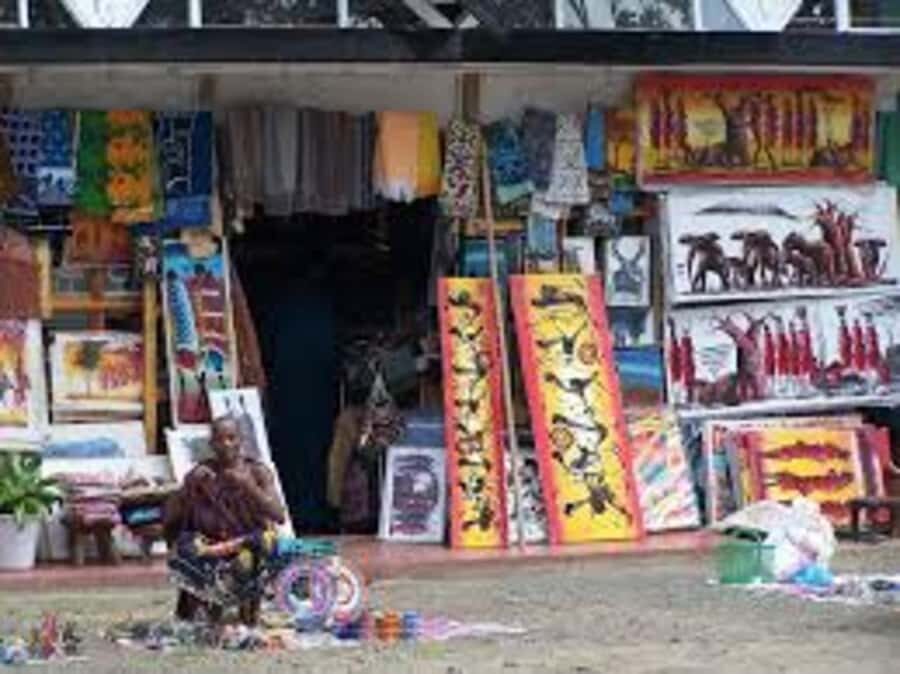
- Start at Soko Kuu Central Market and learn how the market works through real conversations
- Clock Tower Monument and the fun context of Arusha halfway between Cairo and Cape Town
- Natural History Museum in a German colonial fort with lessons on human evolution and local culture
- Tanzanian snack stops so you taste the city, not just see it
- Beadwork and fabric via time with artisans and makers you can talk to
Why walking Arusha beats just riding through it

Arusha is the kind of place where the details are the point. You can see the big landmarks from a car, sure, but the real education happens when you’re close enough to notice how people interact—at stalls, corners, and community spots that visitors usually miss.
A guided walk also helps you avoid the common city problem: you know you’re in a new place, but you don’t know where to look. On this tour, your guide gives you the “what am I seeing” layer as you go. That matters in Arusha because the city’s identity shows up in everyday trades—produce, spices, crafts, and those beautiful beadwork and fabrics that become a visual language of local style.
This is also a smart format for short stays. With a 3-hour timeline, you can get grounded early in your trip, before you spend time on longer day trips.
You can also read our reviews of more walking tours in Arusha

Price and what $45 buys you (really) in 3 hours
At $45 per person, you’re not just paying for someone to walk beside you. You’re paying for three practical things packed into a half-morning:
- Hotel pickup and drop-off, which removes the biggest friction of city walking
- A live English guide who can explain what’s in front of you as you pass it
- Time for traditional Tanzanian snacks and interaction with local artisans
If you’re comparing it to “just a museum entry” days, this tour is different. Museums alone don’t give you the street-level context. Markets alone don’t give you the museum perspective. Snacks and artisan time are the glue that turns “sights” into understanding.
One more value point: the tour structure is made for momentum. You keep moving, you keep learning, and you don’t waste time trying to figure out where to go next.
Hotel pickup to the market: the first 20 minutes set the tone

The tour starts with hotel pickup and drop-off, so you can focus on the walk rather than logistics. Once you’re on the route, the guide typically sets expectations for what you’ll see and what to pay attention to.
That matters because Soko Kuu isn’t just a place to take photos. It’s a working market, and the best parts come from recognizing patterns: how stalls are arranged, what people are buying, how goods are displayed, and the small explanations your guide can offer on items like spices, plants, and everyday products.
A good guide also makes the market feel normal instead of intimidating. You’ll find it easier to ask questions, spot details, and learn the difference between “interesting to look at” and “meaningful to understand.”
Soko Kuu Central Market: spices, produce, and handmade crafts
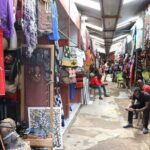
Soko Kuu (Central Market) is the tour’s opening act, and it’s where you get your sensory hit. Expect stalls with fresh produce, spices, and handmade crafts. This is the part of Arusha life that happens every day, not just on a postcard.
What I like about starting here is that it trains your eyes. After you walk a bit with a guide, you start noticing:
- which items are bought often versus bought as gifts
- how spice mixes and ingredients are presented
- which crafts are made to last and which are more decorative
- how sellers talk about their goods in plain, practical terms
And yes, you’ll have time to sample the market atmosphere—without turning it into a hurried shopping spree. If you’re the kind of person who likes markets but hates feeling lost, this stop is built for you.
Clock Tower Monument: a landmark with travel-route trivia
Next comes the Clock Tower Monument, an iconic Arusha landmark. The cool part is the context: it symbolizes Arusha’s unique position halfway between Cairo and Cape Town.
That detail does more than sound interesting at trivia night. It frames the city’s role in travel. You start to see Arusha not as an isolated stop, but as a real checkpoint in wider regional movement, with a local rhythm that still matters even when bigger travel routes pass nearby.
This stop also gives your legs a brief reset. It’s still a walk day, but the pacing here feels more like landmark strolling than nonstop errands.
You can also read our reviews of more city tours in Arusha
The Natural History Museum in a German colonial fort
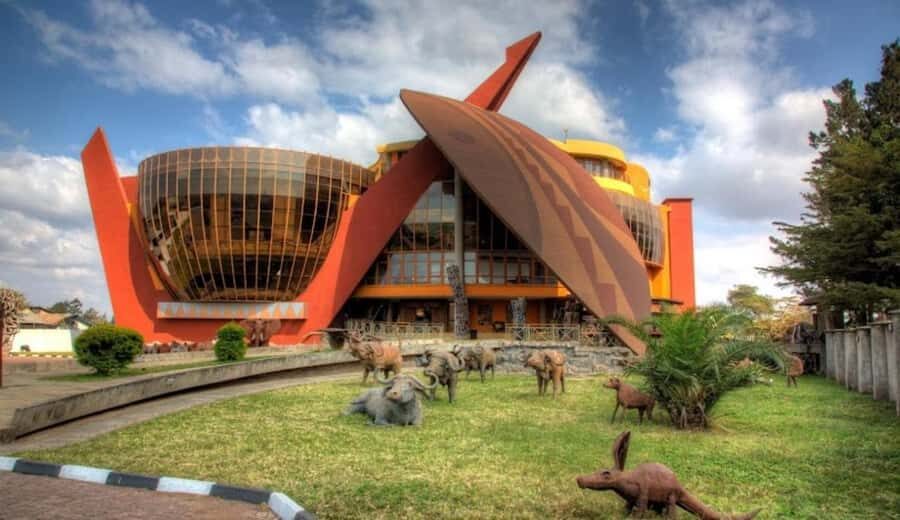
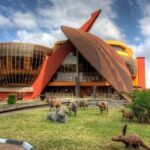
The Natural History Museum is housed in a German colonial fort, and that setting adds an extra layer to the visit. You’re not just walking into a building with exhibits. You’re stepping into a piece of architectural history, where the walls themselves tell a story about older periods of influence.
Inside, you’ll learn about human evolution and local culture. That combination is valuable because it connects global topics to the local context you’re experiencing outside the museum doors. Arusha sits in a region where people live with deep historical roots and strong traditions, and the museum gives you a structured way to think about that.
Practical tip: museum time can feel more comfortable than open-air market time, especially when the sun is strong. Use that break to cool down, rehydrate, and keep your energy steady for the later street stops.
Snacks and artisan chats: beadwork and fabrics you can talk about
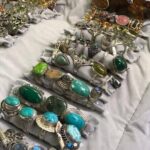
One of the most satisfying parts of this tour is the mix of food and maker time. You’ll have an opportunity to sample traditional Tanzanian snacks, and you’ll also get to interact with local artisans who work on beadwork and fabrics.
This is where the tour stops feeling like sightseeing and starts feeling like participation. You’re not only looking at crafts; you’re meeting the people behind them and getting explanations that help you understand why certain designs matter, how materials are handled, and what kinds of pieces are made to be used versus displayed.
If you want a souvenir that doesn’t feel generic, this is one of the best angles. You’ll see what catches attention locally, and you’ll have the language help from your guide to make sense of what you’re drawn to.
Also, the snack stop is practical value. When you’re walking for hours, it’s easy to get hangry. This tour builds in taste time so you can keep going comfortably.
And if you get a guide like Elia, you’re in especially good hands. One recent guide experience described how Elia walked people through local plants and trees and helped connect the city’s details to everyday life. That kind of explanation is exactly what makes a short walking tour feel worth it.
Pacing, what to wear, and small details that matter
This tour is built for walking in a city environment. I recommend planning your body for it, not just your camera.
Bring and wear:
- Comfortable shoes you can walk in for an extended stretch
- A sun hat
- Water
- A camera if you like photos of markets, crafts, and street scenes
- Light clothing that won’t trap heat
During the tour: you’ll be outside part of the time (market and street walking), and the sun can be a factor. If you forget a hat, you’ll feel it fast. If you forget water, you’ll start moving slower than you want.
One more note: smoking isn’t allowed on the tour. It’s a small rule, but it helps keep the experience more comfortable as you pass through crowded areas.
Who this Arusha walking tour fits best
This is a strong choice if you want structure plus spontaneity—meaning you get clear stops, but you also get time to ask questions and interact.
It’s especially good for:
- People who like markets but want guidance on what they’re seeing
- Short-stay visitors who want a first-day orientation to Arusha
- Travelers who enjoy museum context, not just ticket photos
- Anyone who wants to talk with artisans and snack on local food rather than doing everything as sightseeing
It’s not a great fit if you need wheelchair access or have mobility impairments, because it’s a walking-focused route.
Should you book this Arusha city walking tour?
If you want an easy, organized way to understand Arusha in 3 hours, I’d book it. The value is strongest when you care about more than landmarks—when you want the market logic, the museum context, and the artisan conversations. The $45 price makes sense here because you’re getting pickup/drop-off, a guided explanation in English, snack time, and artisan interaction, not just a route.
If you’re the type who hates walking or needs lots of seating breaks, then look for something more transport-based. But if you’re okay with a solid walking session and want your day to feel grounded in real city life, this one is a very practical pick.
FAQ
FAQ
How long is the Arusha walking tour?
It lasts 3 hours.
What does the $45 price include?
The tour includes hotel pickup and drop-off, a guided walking tour, traditional Tanzanian snack sampling, and interaction with local artisans.
Are meals or drinks included?
No. Meals and drinks are not included.
What are the main places you visit?
You’ll spend time at Soko Kuu (Central Market), the Clock Tower Monument, and the Natural History Museum, plus street time for snacks and artisan interactions.
Is the tour guide English-speaking?
Yes, the tour guide speaks English.
What should I bring?
Bring comfortable shoes, a sun hat, a camera, and water.
Is smoking allowed during the tour?
No, smoking isn’t allowed.
Is the tour suitable for wheelchair users or people with mobility impairments?
No. It’s not suitable for wheelchair users or people with mobility impairments.
What’s the policy if I need to cancel?
You can cancel up to 24 hours in advance for a full refund.