REVIEW · ARUSHA
Materuni Waterfall and Kikuletwa Hot Spring Tour
Book on Viator →Operated by Kisambi Tours · Bookable on Viator
One day, three very different nature moments in Tanzania. This Materuni Waterfalls, coffee tour, and Kikuletwa Hot Springs day trip hits the easy stuff (a not-difficult hike and swimming) and the cultural stuff (Chagga stories, plus coffee roasting and tasting). I love the chance to swim at the base of Materuni Waterfall and then relax in the warm spring water at Kikuletwa. My only real caution is time: the day is packed, so if you want a slow, lingering pace at every stop, you may feel rushed.
What makes this tour feel practical is that it’s built for a single afternoon without complicated logistics. You get private transportation and a professional English-speaking guide, and the program is designed to work even for older travelers with moderate fitness. The big “watch out” factor is weather, since the experience requires good conditions to run smoothly.
In This Review
- Key highlights at a glance
- Why This Moshi and Arusha Day Trip Works So Well
- Getting Moving: Pickup, Private Transportation, and a Single-Day Flow
- Materuni Falls: The Easy Trek, the Chagga Stories, and the Swim Factor
- Coffee Tour and Banana Beer Lunch: How the Day Gets Social
- Kikuletwa Hot Springs (Chemka): Warm Water, Clear Views, and Fish That Do Their Job
- The Pace and the People: What Makes the Day Feel Safe and Fun
- Price and Value: What $136 Covers and Where Extra Costs Show Up
- What to Expect Day-Of: Timing, Energy, and Weather Reality
- Who Should Book This Tour (and Who Might Skip It)
- Should You Book Kisambi Tours for Materuni and Kikuletwa?
- FAQ
- FAQ
- What are the main stops on this tour?
- How long does the tour take?
- Is lunch included?
- Is the coffee tour included?
- Are admission tickets included for both sites?
- What is not included in the price?
- What fitness level is required?
- Is Kikuletwa Hot Springs boiling water?
- What happens if the tour is canceled due to poor weather?
Key highlights at a glance
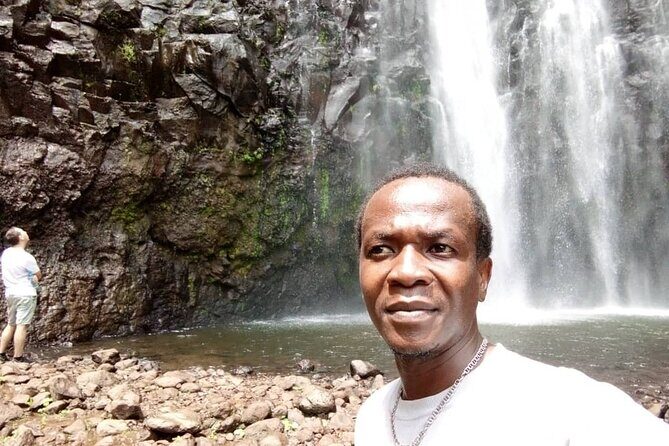
- Materuni Waterfall swim: You can cool off in the pool right by the falls
- Chagga culture in real context: Village life stories shared during the walk to the waterfall
- Coffee tour that’s hands-on: Learn how coffee moves from growing to processing and roasting
- Hot lunch plus banana beer: A proper meal and a local drink experience during the day
- Kikuletwa (Chemka) Hot Springs: Warm, clear water in the savannah, with a fish-nibble spa vibe
- Professional crew and private group: Your group stays together with pickup and transfers
Why This Moshi and Arusha Day Trip Works So Well
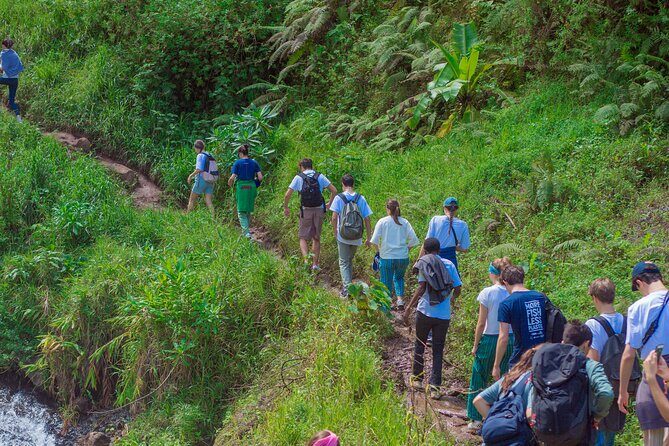
If you’re basing yourself in Moshi or Arusha and want a meaningful day without committing to a full safari or a long trek, this tour is a smart fit. It runs roughly 6 to 8 hours, so you still get a night back to recover, plan your next stop, or just wander into town.
The value isn’t only the sights. It’s the mix. You get a waterfall day, a coffee day, and a hot springs day, all tied to local people—Chagga culture, village settings, and a real production process for coffee. At $136 per person, the price makes more sense when you compare what’s actually included: transport, lunch, admission tickets, and guided experiences.
One more practical point: the tour description notes that Moshi town is about 15 km from the start area. That short distance matters because it reduces “lost time” on the road and keeps the day focused on doing things, not just traveling between them.
A few more Arusha tours and experiences worth a look


Getting Moving: Pickup, Private Transportation, and a Single-Day Flow
The tour is set up for comfort and simplicity. You can arrange pickup, you’ll ride in private transportation, and you’ll get transfers back to your hotel in Arusha or Moshi, or to the airport after the tour.
That may sound routine, but on Tanzanian day tours it’s a big deal. When pickup is included and your driver is handling the timing, you avoid the stress of coordinating rides between the village area and the springs site. It also helps you show up ready for the day’s active bits—because the schedule is tight enough that you don’t want to lose momentum.
This is also a private tour/activity, meaning only your group participates. In real life, that usually means you can ask questions more easily, stop for photos without negotiating with a big crowd, and keep the day’s pace aligned with your group.
Materuni Falls: The Easy Trek, the Chagga Stories, and the Swim Factor
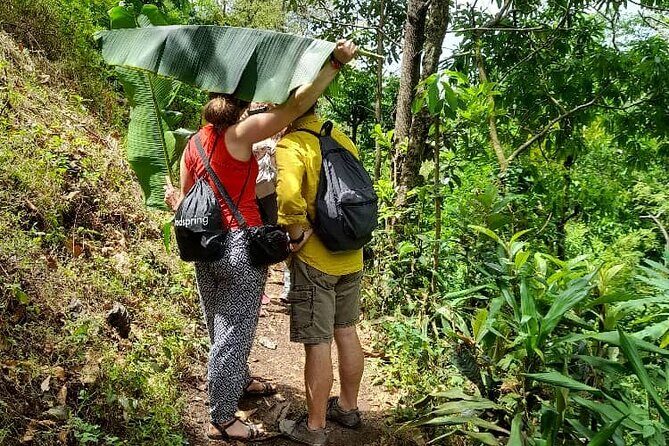
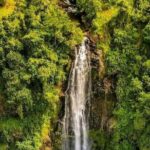
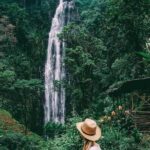
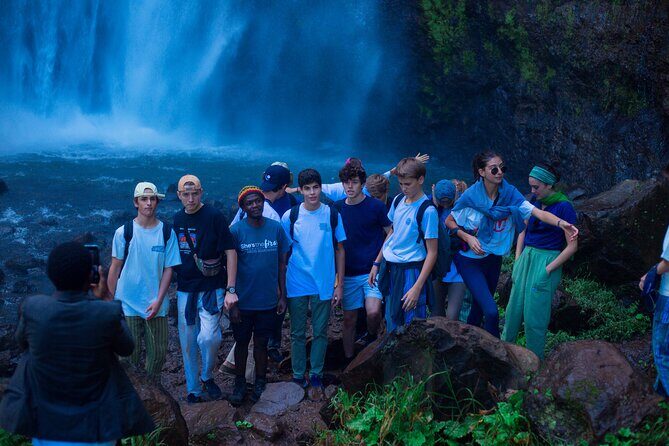
The day starts with Materuni on the slopes of Mount Kilimanjaro, visiting an authentic village setting. Your first real activity is a scenic walk to Materuni Waterfall. The hike is described as not difficult, and the tour specifically notes that even older travelers in their 60s can manage it.
What you get out of this stop isn’t only the waterfall itself. The guide shares stories about Chagga culture, along with village life and details about local flora and fauna. That matters because the falls become more than a photo moment. You’re learning what you’re seeing as you walk, which makes the scenery feel connected to people and place.
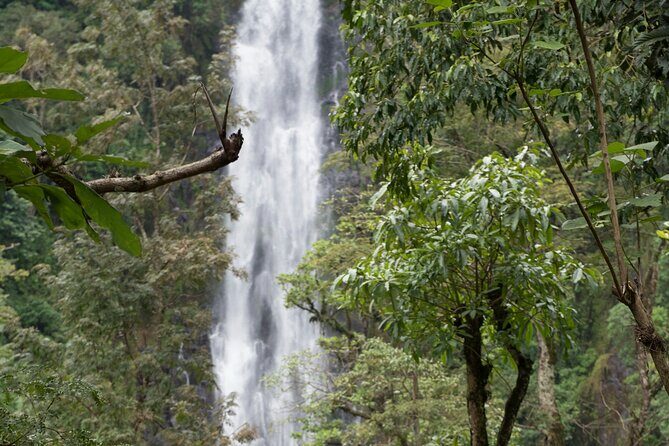
Once you reach the waterfall, you get the part most people remember: the chance to swim in the pool at the base of the falls. That’s a key differentiator versus “look but don’t touch” attractions. Bring the right mindset: you’re going to get wet, so plan for it and don’t treat the waterfall like a museum stop.
A small consideration: the waterfall experience is time-sensitive and weather-dependent. If conditions aren’t right, you may not get the full effect you’re hoping for. Since the tour requires good weather, it’s worth choosing this day when your schedule has some flexibility.
Coffee Tour and Banana Beer Lunch: How the Day Gets Social
After the waterfall, the tour shifts from outdoors to culture you can taste. You’ll enjoy a hot local lunch, and the meal experience includes local banana beer. It’s not just food—it’s a doorway into how people live and what they make at home.
Then comes the coffee tour, described as interactive. You’ll learn how coffee is grown, processed, and roasted, and you’ll be able to enjoy a fresh cup at the end. The coffee part is one of the most repeat-highlighted moments in the tour experience, mainly because it’s not abstract. You see the steps and hear how the process works, which makes that first sip feel earned.
This is also where guide personality can really shape your day. In past outings with Kisambi Tours, guides like Sylvester, Mercy, Godwin, Noela, Elisante, and Emmanuel were mentioned for clear English and for guiding the group in a friendly, patient way. If you care about asking questions—about plants, daily life, or how coffee production fits into village rhythm—this stop is where you’ll use that curiosity.
One drawback to keep in mind: coffee tours take time, and roast explanations can run longer if you’re truly engaged. It’s great that it’s included and guided, but it also means you’re part of a structured flow, not a choose-your-own-adventure schedule.
Kikuletwa Hot Springs (Chemka): Warm Water, Clear Views, and Fish That Do Their Job
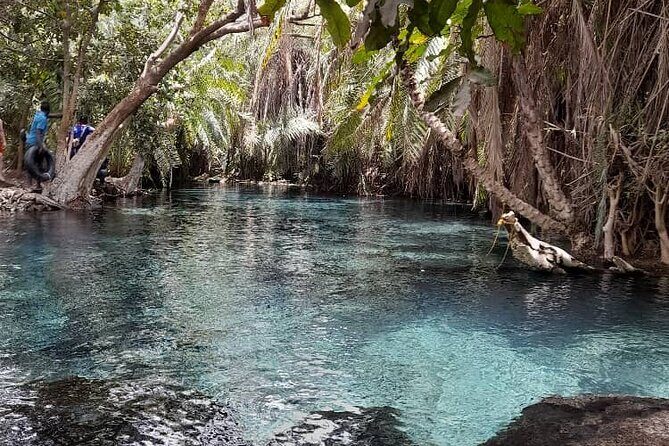
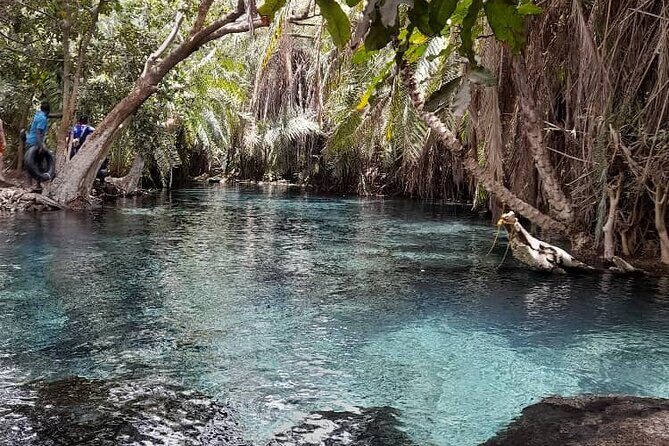
After lunch and coffee, you get the “reset button” moment at Kikuletwa Hot Springs, also known as Chemka Hot Springs. The setting is described as a hidden oasis in the Tanzanian savannah, with lush greenery and fig trees around the pool.
Even the name matters. People sometimes expect boiling water, but the description is clear: the water is not boiling. It’s naturally warm and crystal clear, which is exactly what makes it a relief after a morning hike.
Inside the pool, the experience has a spa-like twist. Small fish gently nibble at your feet, creating a natural “massage” effect. You’ll want to lean into it with good humor, because it’s not painful—it’s more like a living reminder that you’re in a natural ecosystem.
You’ll also be able to float, relax, and enjoy the peaceful atmosphere. The pool setup encourages simple play—there’s mention of swinging into the water and enjoying the bright, open feel of the surroundings. That’s a nice contrast to the village and coffee parts of the day, which are more structured and educational.
A practical note: since this is outdoors water time, expect the day’s comfort to track with weather. Since the tour requires good weather overall, a rainier day could reduce how enjoyable the springs feel, even if the water itself is warm.


The Pace and the People: What Makes the Day Feel Safe and Fun
This tour’s reputation is strongly tied to how the day is guided and managed. Multiple guides were named by travelers across different parts of the experience, including Mercy, Charlie, Sylvester, Godwin, Emmanuel, Elisante, and others. That tells me one thing: the guides are a core part of what you’re paying for.
In practical terms, you want a guide who can:
- explain what you’re seeing without rushing,
- keep the group moving at a pace that fits the hike,
- handle transitions smoothly between waterfall, coffee, lunch, and springs.
Based on the patterns from named crew members, guides tend to be described as polite, patient, and comfortable with English. Drivers were also mentioned—like Julius, Joseph, Sam, and Eric—which matters because timing affects whether you feel rushed at the falls or at the springs.
If you’re someone who likes photos, you may appreciate this setup too. Some guide experiences included taking pictures for the group as a service, which is a small thing that can save you time and help you enjoy the moment instead of juggling your phone constantly.
Price and Value: What $136 Covers and Where Extra Costs Show Up
Let’s talk money in a useful way. The tour costs $136.00 per person, and it’s not just a bare-bones ticket. It includes:
- Lunch
- Private transportation
- All fees and taxes
- Coffee tour
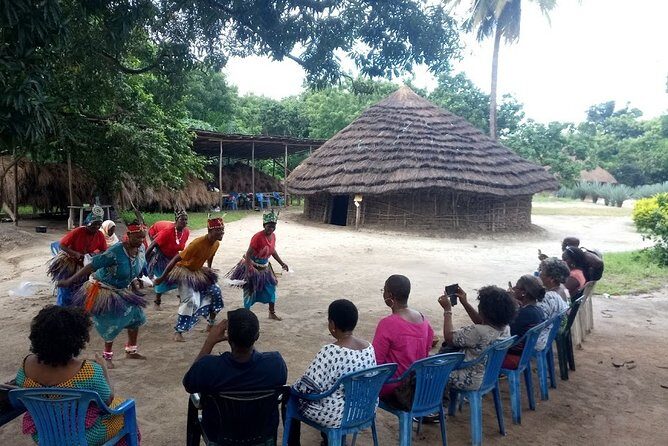
- Chagga dance
- A professional English-speaking guide
- Admission tickets are specifically noted as included for both the Materuni and Kikuletwa stops
So the big question becomes: what are you left paying for?
- Tips for the crew are advised at 10 USD per group per day
- Souvenir fees are not included
- Insurance fee is not included
That tip guidance is unusually clear, and it’s helpful for budgeting. Because it’s per group per day (not per person), it can actually be reasonable for small groups.
Is $136 worth it? For most people doing this kind of cultural-nature combo in the Moshi/Arusha area, it usually is, because the inclusions reduce friction. You’re paying for admission, transport, and guided learning rather than cobbling together separate activities.
The real “value test” is your interest level in coffee and Chagga culture. If you love food experiences and want to understand coffee’s real process, you’ll feel like this day earns its price. If you only want waterfall photos and nothing else, you may wish you’d chosen a shorter, more direct option.
What to Expect Day-Of: Timing, Energy, and Weather Reality
The tour length is listed as 6 to 8 hours, with the time blocks suggesting about 4 hours for the Materuni waterfall and associated experiences and about 3 hours for the Kikuletwa hot springs. In other words, it’s a full day with a clear structure.
Your energy level needs to be “moderate.” That’s not a technical climbing day. The hike is described as manageable even for older people, and the tour emphasizes that it is not difficult. Still, you’re walking on paths that aren’t polished like a city sidewalk, so comfortable walking shoes will help.
Then there’s the big reality check: good weather is required. If weather disrupts the plan, you should expect a reschedule or refund based on the tour’s conditions. When you book, pick a day when you’re not locked into tight onward travel.
Also note: this is described as an educational tour with professional guides, and it’s designed to show you nature and local culture together. That means your day won’t feel like a bus tour where everyone stares out the window. You’re moving, learning, and participating.
Who Should Book This Tour (and Who Might Skip It)
This tour is a strong match if you want:
- a Kilimanjaro-area day without a long trek,
- real local culture paired with activities you can feel (swimming, coffee tasting),
- an itinerary that’s active but not extreme,
- a guided day with English support.
It’s also a nice option for travelers who want a one-day plan that makes Moshi and Arusha feel connected to the surrounding regions. Instead of only visiting viewpoints or markets, you get a village setting, a farm-style coffee education, and a spring swimming stop.
You might consider another option if:
- you dislike swimming in natural pools,
- you want lots of free time to wander alone without structure,
- you’re traveling on a day where weather risk could ruin your plans.
Service animals are allowed, so that’s a helpful note if that applies to you.
Should You Book Kisambi Tours for Materuni and Kikuletwa?
I’d book this if you want one coherent day that mixes Materuni Waterfall, a guided coffee experience with banana beer lunch, and the calming finish at Kikuletwa Hot Springs. The price is high enough that it should include real value, and the inclusions here do exactly that: admission, lunch, transport, guide, and coffee activities are all covered.
Before you book, do one quick sanity check: pick a day with decent weather, pack swimwear, and be ready for a full schedule. If you’re good with that, this is the kind of day trip that gives you more than a single photo. It gives you stories you can carry home.
FAQ
FAQ
What are the main stops on this tour?
The tour includes Materuni Waterfall, a coffee tour with lunch and banana beer, and Kikuletwa Hot Springs (Chemka Hot Springs).
How long does the tour take?
The tour runs about 6 to 8 hours. The waterfall/coffee/lunch part is listed at 4 hours, and Kikuletwa Hot Springs is listed at 3 hours.
Is lunch included?
Yes. Lunch is included.
Is the coffee tour included?
Yes. The tour includes a coffee tour with a professional English-speaking guide.
Are admission tickets included for both sites?
Yes. Admission tickets are included for the Materuni stop and for Kikuletwa Hot Springs.
What is not included in the price?
Not included are tips for the crew (advised at 10 USD per group per day), souvenir fees, and an insurance fee.
What fitness level is required?
The tour recommends moderate physical fitness. The Materuni hike is described as not difficult, and it’s noted that people in their 60s can manage.
Is Kikuletwa Hot Springs boiling water?
No. Despite the name, the water is not boiling. It’s naturally warm and crystal clear.
What happens if the tour is canceled due to poor weather?
If the tour is canceled due to poor weather, you’ll be offered a different date or a full refund.