REVIEW · DAR ES SALAAM
Dar es Salaam City Tour – Visit all attractive places
Book on Viator →Operated by African Pangolin Safaris · Bookable on Viator
Dar es Salaam gets real fast. This private tour strings together the city’s best-known sights and a few places you’d miss on your own, with transport and tickets handled for you. I especially liked the hotel or port pickup plus the fact that the day includes entrance fees, so you’re not stuck negotiating at every stop.
Two things that make this outing feel like good value: you get a structured route across Kariakoo Market, St Joseph’s Cathedral, the National Museum, and more, and you travel with someone who can explain what you’re seeing. One consideration: it’s a 6 to 7 hour loop with multiple transport jumps and market time, so it may feel like a lot if you prefer slower, fewer stops—or if you’re easily tired by crowds.
In This Review
- Key Moments You’ll Actually Care About
- Dar es Salaam in One Afternoon: What This Private Tour Gets You
- Pickup, Transport, and Tickets: Why the Price Feels Fair
- Kariakoo Market to St Joseph’s Cathedral: Trade, Faith, and Colonial Echoes
- Askari Monument and the National Museum: A Practical Way to See the Big Story
- Kivukoni Fish Market and the State House Photo Rule
- Village Museum (Kijiji cha Makumbusho): Houses, People, and Ngoma
- Mwenge Woodcarvers Market: Seeing Ebony Craft Up Close
- Pacing, Comfort, and What to Bring for a 6–7 Hour Day
- Should You Book This Dar es Salaam City Tour?
- FAQ
- How long is the Dar es Salaam city tour?
- What does the $117 price include?
- Is pickup included?
- Where does the tour start?
- Which stops are included in the itinerary?
- Are admission tickets included?
- Is lunch included?
- What about tipping?
- What is the cancellation policy?
Key Moments You’ll Actually Care About
- Pickup options that fit your arrival: hotel pickup or ferry/port pickup, starting from the Ferry Ticket Office area if you’re meeting there.
- All-fee touring: admission tickets and taxes are included for the stops that require them, so costs stay predictable.
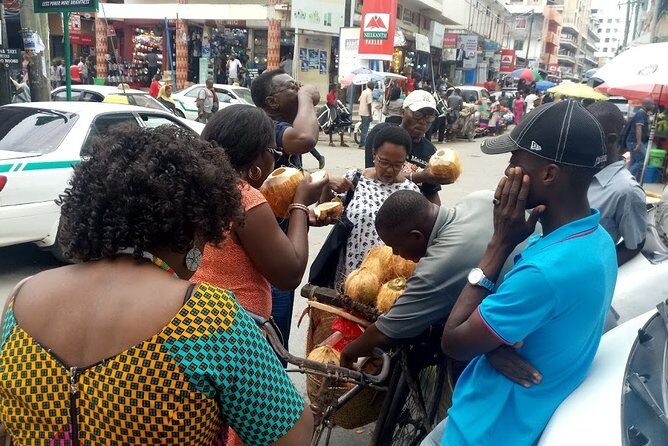
- Market contrasts: Kariakoo Market in the morning energy, then Kivukoni Fish Market later with a different rhythm.
- Culture with timing: the Village Museum visit includes a chance to watch ngoma (traditional dance) sessions.
- Local crafts stop: Mwenge woodcarvers market, where you can see work made from ebony (African black) tree.
- A guide who keeps things moving: one review highlighted Mansoor staying in contact and showing up ready to go, plus cold water on board.
Dar es Salaam in One Afternoon: What This Private Tour Gets You
This is the kind of city tour that helps you get your bearings fast—without turning your day into a stressful taxi hunt. You’re not just sightseeing; you’re moving through the city’s main “story lines”: commerce at the markets, faith in landmark cathedrals, and national identity in the museum.
I like that you can go at your own pace, too. In practice, that means if you want to linger a little longer on a stop (or take extra photos where allowed), you can. It’s still a guided day with a route, but it’s not rigid.
A nice detail from the tour experience: the guide keeps hydration covered. Bottled drinking water is included, and one review specifically praised the guide for having cold water available during the ride in a well-kept mini van. That’s not glamorous, but it makes a real difference when you’re out for hours in Dar es Salaam.
You can also read our reviews of more city tours in Dar es Salaam

Pickup, Transport, and Tickets: Why the Price Feels Fair
At $117 per person for about 6 to 7 hours, the headline price looks simple. The reason it can feel fair is what’s bundled in.
You get:
- Public and private transport included (so you’re not paying for taxis all day)
- All fees and taxes included (including the admissions listed for several major stops)
- Drinking water included
- A private setup where only your group participates
That last part matters more than people think. In busy cities, the difference between joining a mixed group and having your own guide/driver can be day-changing—less waiting, fewer translation gaps, and less pressure when you’re deciding what to do next.
The tour uses a mobile ticket, and confirmation comes at booking time. The “soft” logistics also matter: on average, the tour is booked about 58 days in advance, which is usually a sign that people find the planning and route useful.
What’s not included is also clear: lunch and tips for the driver/guide. You’ll pay lunch direct, so plan on a midday cash budget.
Kariakoo Market to St Joseph’s Cathedral: Trade, Faith, and Colonial Echoes
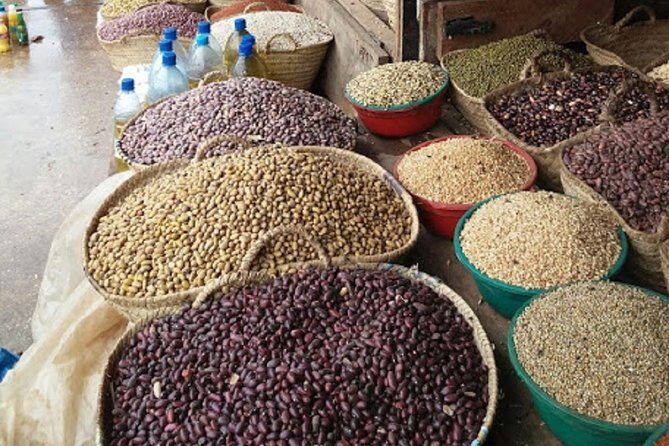
The day starts at Kariakoo Market, a place with roots going back to 1916. The origin story is part of the fun: after the British captured Dar es Salaam from the Germans during World War I, a depot for the British carrier corps got repurposed as a market. Over time, the location’s name shifted in local pronunciation, and today you’ll still hear it as Kariakoo.
You’ll spend about an hour here. What I like about starting with Kariakoo is that it sets the tone immediately. Markets like this are not museum-style tourism; you see real selling, real movement, and you get a sense of how the city eats, buys, and trades.
Then the route shifts toward the harbor view of St. Joseph’s Cathedral of the Archdiocese of Dar es Salaam. Before you reach the cathedral, you pass key landmarks in the Mnazi Mmoja area, including the Uhuru Torch monument and the old Boma area. Even if you only glance from the vehicle, it’s a useful way to tie the city’s “map” together.
At the cathedral, the details get better:
- It’s described as the first Roman Catholic Cathedral in Mainland Tanzania
- The main building took 1897–1902 to complete and was consecrated on October 15, 1908
- It’s noted for a Gothic style, including a shingled spire, vaulted interior, and carved relief above the main altar
- The interior retains original German inscriptions
Admission is included for the cathedral stop. This is also where having a guide helps. Without context, you might admire the building and move on quickly. With guidance, you notice the architectural cues and the layered history behind them.
Askari Monument and the National Museum: A Practical Way to See the Big Story
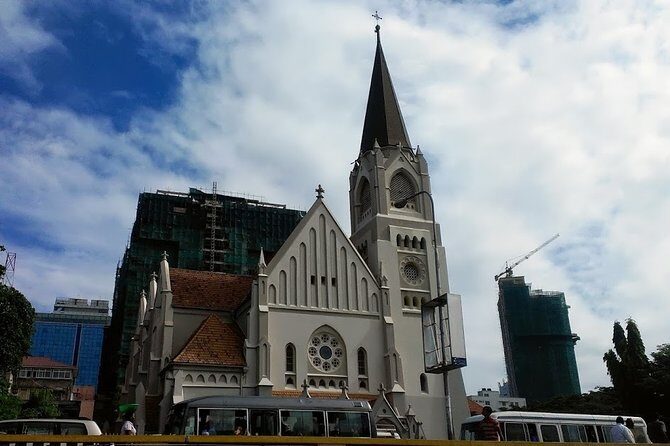
Next comes Askari Monument, a short stop that still carries weight. You’ll pass by a Lutheran cathedral on the way, then reach the monument itself.
Askari Monument was built by the British colonial government, replacing an earlier German-mounted statue from 1911. It commemorated Major Herman Von Wissmann, the first governor of German East Africa appointed in 1895. The British later demolished the original German statue after Germany’s defeat in World War I.
It’s a quick visit (about 15 minutes), and admission is free. I like free stops in guided tours because they keep the schedule moving without costing extra. It’s also one of those places where the guide’s explanation turns a statue into something you can actually place in time.
After that, you head to the National Museum of Tanzania (also known as the Museum and House of Culture). This is where the tour does something smart: it moves from specific monuments to a broader narrative of national identity.
Key dates to know:
- The museum was established in 1937
- It opened to the public on December 7, 1940
- It was initially called the King George V Memorial Museum
- In 1962, the name changed to the National Museum
You’ll spend around 45 minutes here. That’s not a full-day museum marathon, but it’s enough time to get oriented—especially if your time in Dar es Salaam is limited. If you’re the type who loves reading every label, you might want more time; if you’re more interested in a guided overview that sets context for the rest of the city, this duration works well.
Kivukoni Fish Market and the State House Photo Rule
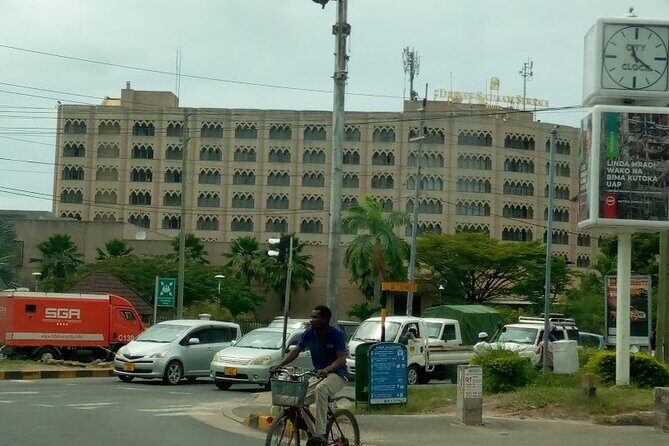
The route then takes you toward the Kivukoni Fish Market, one of Dar es Salaam’s most recognizable scenes. On the way, you pass by the Tanzania State House, and there’s a practical rule here: taking pictures isn’t allowed.
That’s a good reminder that this tour isn’t about snapping everything. It’s about learning where lines exist. If you’re the kind of traveler who assumes every view is photo-friendly, this is where your guide’s guidance helps you avoid awkward moments.
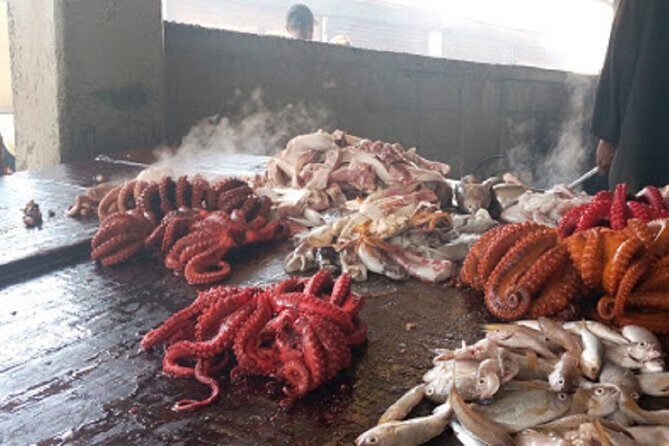
At Kivukoni, you’ll head down to see fishers sell their catch to buyers—restaurant operators and home buyers. The market is organized into two main sections with eight zones, including one zone for auctions. Other zones handle cleaning, cooking, and reselling, typically at marked-up prices.
Expect about an hour. This is one of those stops where the sensory world hits quickly—smells, sounds, and fast-moving transactions. It can be a lot, but it’s also genuinely “Dar” in a way you can’t fake.
Admission is included for the fish market visit. That’s another value point: you’re paying for access and time, not just transportation.




Village Museum (Kijiji cha Makumbusho): Houses, People, and Ngoma
After the fish market, you get a lunch break—but you’ll pay directly. Then the tour shifts into an interesting travel rhythm.
You’ll take public transport from Kivukoni to Morocco Road, then hop into a tuk-tuk (rickshaw) to reach the Village Museum along Ali Hassan Mwinyi Road in Kijitonyama. That mix of transport methods adds local flavor without forcing you to do navigation yourself.
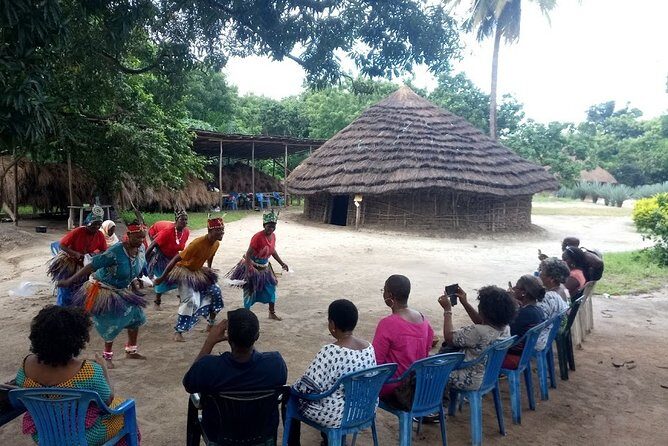
The museum is called Village Museum, and you’ll also hear its Swahili name: Kijiji cha Makumbusho. The idea here is hands-on and community-focused. The site features around twenty traditional houses, representing over 120 ethnic groups in Tanzania.
Here’s what makes this stop different from a typical museum:
- You can enter many of the houses
- The museum includes furnished huts, cattle pens, and meeting places
- During your visit, you also get a chance to watch ngoma dance sessions that are arranged for you
The time on this stop is about 1 hour 30 minutes, which is generous compared to many city tours. For me, this is one of the best “value per minute” parts of the day because you get both architecture and performance—built into one scheduled visit.
Admission is included. The experience also feels more human-scale than the bigger museum rooms—especially if you want something you can look at, walk through, and feel in your own way.
Mwenge Woodcarvers Market: Seeing Ebony Craft Up Close
To close the loop, you visit Mwenge woodcarvers market. This is the craft side of the story.
You’ll see different woodcarving products made from African black tree (ebony tree). The guide’s context is useful here because it helps you understand materials and local craft traditions instead of treating it like a random souvenir stop.
Your time here is short—about 30 minutes—which is enough to browse and ask questions without dragging on through the hottest part of the day.
Admission is included. And after that, your driver drops you off at your hotel, bringing the tour to a clean end.
Pacing, Comfort, and What to Bring for a 6–7 Hour Day
This tour works best if you’re prepared for a day that moves. You’ll be on the move through markets, cathedrals, and museum spaces, plus mixed transport segments like public transport and a tuk-tuk.
So, I’d pack or plan around the practical stuff:
- Comfortable shoes for market floors and museum walking
- Sun protection, since you’ll be out across multiple neighborhoods
- A plan for lunch costs, since lunch is not included
- Small cash for incidentals, since only lunch is listed as extra
Also, markets and religious sites can have their own photo etiquette. The tour data specifically flags the State House photo restriction, and it’s a good habit to ask before photographing in other sensitive areas.
If you’re sensitive to heat or long sitting in a vehicle, pace yourself at the stops where you can rest. The tour offers water, but you still want to save energy for the Village Museum, which is the longest on-foot block.
Should You Book This Dar es Salaam City Tour?
If you want a well-paced first-time Dar es Salaam day, this tour makes a lot of sense. It combines major landmarks with real local scenes—Kariakoo Market and Kivukoni Fish Market—then balances that with the National Museum and the Village Museum’s traditional houses and ngoma sessions.
You should book it if:
- You want transport and admission fees included, so you control costs
- You prefer a guide to explain what you’re seeing at places like St Joseph’s Cathedral and the Askari Monument
- You’re short on time and want a route that covers a lot without requiring you to plan every hop
Skip it (or choose a different pace) if:
- You hate busy market environments or want only one or two major stops
- You’d rather spend an entire day in one museum or neighborhood instead of sampling multiple areas
- You’re counting every extra cost, because lunch and tips are not included
For the money, the strongest argument is simple: you’re not just riding around. You’re getting a full set of structured stops with key admissions covered and a guide who shows up ready—like Mansoor did for at least one group, with contact before pickup and cold water during the ride.
FAQ
How long is the Dar es Salaam city tour?
The tour lasts about 6 to 7 hours.
What does the $117 price include?
It includes bottled drinking water, public and private transport, all fees and taxes, and the activities listed in the itinerary.
Is pickup included?
Yes. Pickup is offered, with options including hotel pickup and ferry or port pickup. There is also a start point at the Ferry Ticket Office area (57JW+4XH).
Where does the tour start?
The meeting point start location is the Ferry Ticket Office at 57JW+4XH, Dar es Salaam, Tanzania.
Which stops are included in the itinerary?
The tour includes Kariakoo Market, St Joseph’s Cathedral, Askari Monument, the National Museum of Tanzania, Kivukoni Fish Market, Village Museum (Kijiji cha Makumbusho), and Mwenge Woodcarvers Market.
Are admission tickets included?
Admission tickets are included for the stops that list an admission fee. Askari Monument is listed as free.
Is lunch included?
No. Lunch is not included, and you pay direct to the hotel.
What about tipping?
Tips for the driver/guide are not included.
What is the cancellation policy?
You can cancel for a full refund up to 24 hours before the experience starts. If it’s canceled due to poor weather, you’ll be offered a different date or a full refund.