REVIEW · ARUSHA
5-Day Private Adventure Tour to Ngorongoro Conservation Area
Book on Viator →Operated by Duma Explorer · Bookable on Viator
Lake Natron plus a midnight volcano hike.
That combo is why this private 5-day adventure tour in Northern Tanzania feels so different from the usual safari circuit. You start with a classic Ngorongoro Crater floor game drive, then keep moving on foot through the Ngorongoro Highlands and down toward the Rift Valley’s strange, hot world near Lake Natron.
I especially like two things about this trip. First, the time you spend inside the Crater is built for real wildlife viewing, not rushed photos, and lunch happens right there. Second, the route includes walking safari days with donkeys, a Maasai guide, and your cook, so the journey becomes as meaningful as the destinations.
One drawback to consider: the Ol Doinyo Lengai climb starts around 2am and is extremely steep, with the goal of reaching the summit before temperatures climb into the high 90s. That’s not a “casual hike,” even if you’re in decent shape.
In This Review
- Key points to know before you go
- Ngorongoro Crater floor game drive and Simba Campsite night
- Empakaai Crater hike through Maasai villages to Empakai Special Campsite
- Walking safari from Empakai to Acacia: donkeys, cook, and quiet village paths
- Lake Natron heat, Maasai visits, and the 2am Ol Doinyo Lengai summit
- Dawn recovery and Engare Sero waterfalls’ cooling reward
- Price and value: what $2,250 per person is buying you
- Practical tips: fitness, timing, and what to pack for steep nights
- Should you book this Ngorongoro to Natron adventure?
- Bottom line
- FAQ
- What time does the tour start?
- Is this a private tour?
- How physically demanding is the trip?
- What meals are included?
- Are admission tickets included?
- Is pickup offered?
- What is the cancellation policy?
Key points to know before you go
- Ngorongoro Crater floor time: about six hours of wildlife viewing plus lunch inside the Crater.
- Empakaai Crater hike: a descent option depending on timing, with an overnight at Empakai Special Campsite.
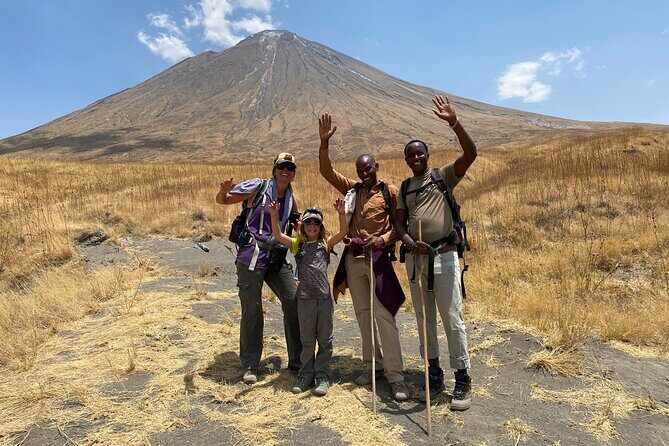
- Walking safari pacing: Day 3 is a guided walk with donkeys, moving through Maasai villages toward Lake Natron.
- Ol Doinyo Lengai is the only carbonatite volcano in the world: black lava from lower-temperature eruptions.
- Night start for the summit: the trail is steep and timed to avoid the hottest part of the day.
- Cooling payoffs at the end: options to hike to the Ngare Sero gorge waterfall area and then Engare Sero waterfalls.
Ngorongoro Crater floor game drive and Simba Campsite night
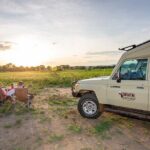
Day 1 is a fast transition from Arusha life into big-safari mode. After an early breakfast, you drive to Ngorongoro Gate (about three hours), then follow the Crater rim before you start the descent road. The point of doing it this way is simple: you’re already in place for the best light and the best animal movement once you reach the bottom.
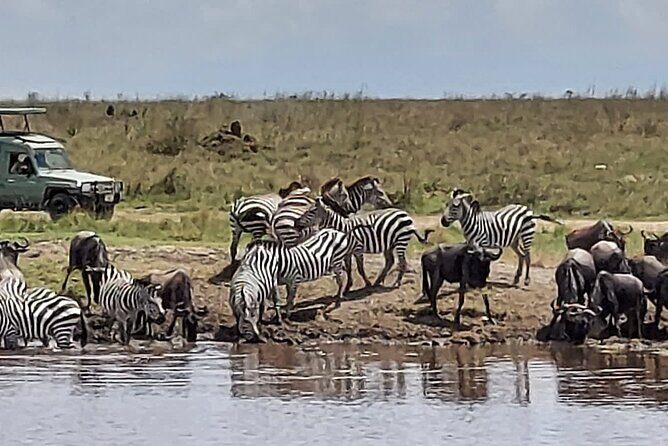
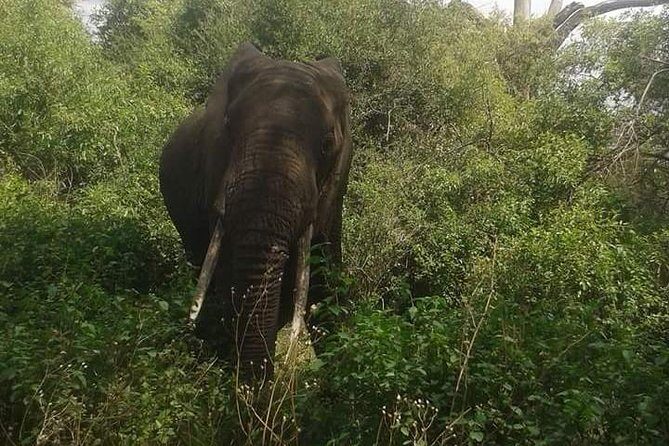
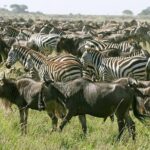
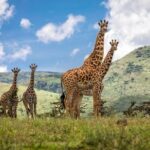
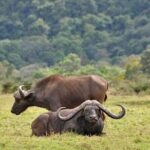
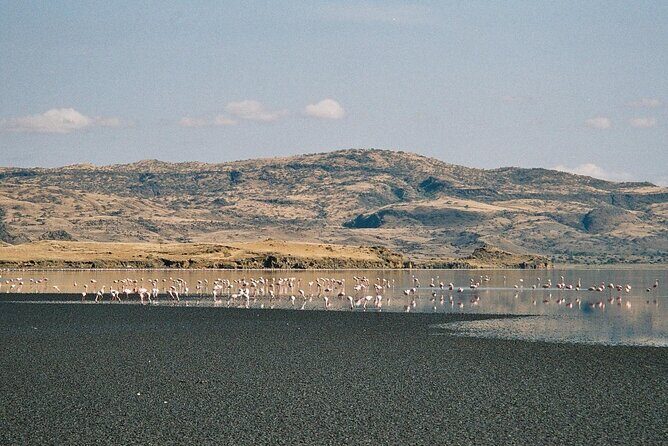
Once at the Crater floor, you get roughly six hours of game drive time and lunch inside the Crater. This is where Ngorongoro does what it’s famous for. You’re in the right terrain for predators and big grazers, and your expected highlights include lion, cheetah, black rhino, hippo, elephant, and even flamingos in season or in relevant water conditions.
In practical terms, Crater time is also a comfort factor. You’re not hiking all day on Day 1, so you can save your legs for the later walks. After the drive, you exit the Crater and head to Simba Campsite for dinner and sleep.
A small “value” note: your ticket/admission line items are marked as free or included for portions of the day, which matters when you’re trying to compare real total costs across operators.
You can also read our reviews of more private tours in Arusha
Empakaai Crater hike through Maasai villages to Empakai Special Campsite
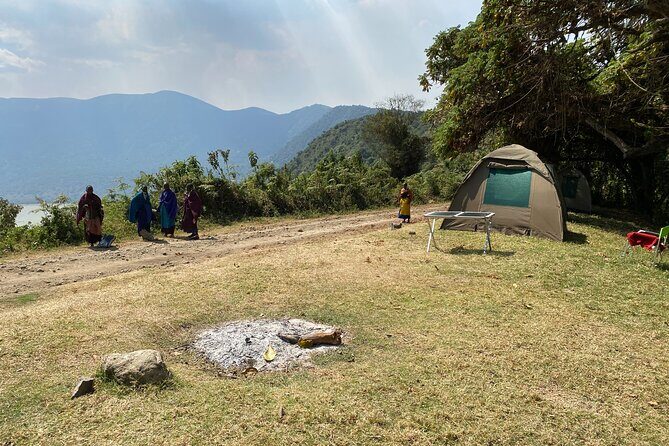
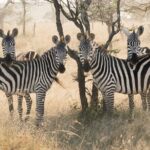
Day 2 turns the dial from vehicle safari to a real trail day. You start at Simba Campsite after breakfast, then drive around the Ngorongoro rim toward Embulbul Village on the other side. From there, you hike to Empakaai Crater while passing through Maasai villages.
That village-to-village walking feel is the whole point of this route. It’s not just nature sightseeing; it’s a chance to see daily life as part of the landscape you’re moving through. Your overnight base is Empakai Special Campsite, so the hiking has a clear rhythm: walk, arrive, rest.
Timing changes the hike outcome. The plan says you may descend into Empakaai Crater if you arrive early enough, or else you’ll leave that for the next morning. So if you’re the type who hates uncertainty, ask your guide about your expected start time and how the day is paced once you’re on the trail.
Either way, you’re using Day 2 to earn a quieter experience than the more famous circuit areas. This is the kind of trek where the sky feels bigger because there’s less constant vehicle traffic around you.
Walking safari from Empakai to Acacia: donkeys, cook, and quiet village paths
Day 3 is where this tour earns its “adventure” label. You start from Empakai Special Campsite for a walking safari from Empakai to Acacia Campsite. The walk is done with donkeys, a Maasai guide, and your cook—so you’re not just hiking light and hoping for the best.
You’ll meet your driver and vehicle once you reach Lake Natron. Until then, the walk stays the center of your day, including stops and movement through several Maasai villages on the way to Acacia Campsite.
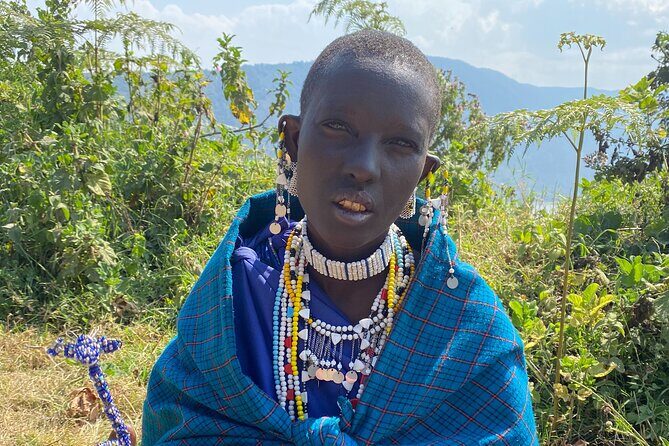
This is one of those setups that makes the trip feel more authentic and less packaged. A lot of safari itineraries give you a quick cultural stop and move on. Here, you’re moving through village paths at walking speed, which changes how you notice things—sound, shade, animal tracks near the route, and the general tempo of daily life.
There’s also a comfort advantage. Having a cook and donkey support means you can focus on the walk rather than turning the trip into a logistics puzzle. If you’re traveling with family or a mixed group, that support structure is a big deal.
Your overnight at Acacia Campsite keeps you in the trekking zone, and it sets you up for the next day’s main event: Lake Natron and Ol Doinyo Lengai.
Lake Natron heat, Maasai visits, and the 2am Ol Doinyo Lengai summit
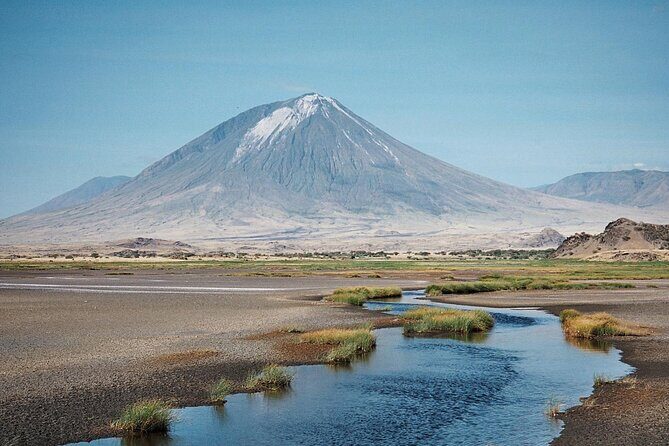
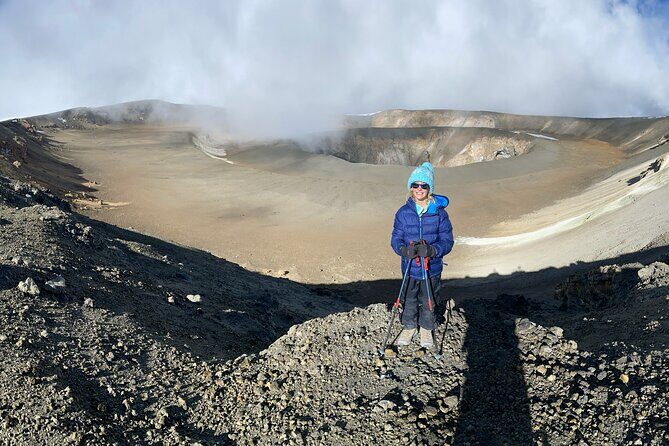
Day 4 is built around one extraordinary goal: climbing Ol Doinyo Lengai, the world’s only active carbonatite volcano. The lava type is the standout science fact here. It erupts at lower temperatures than other volcanoes, and the lava appears black instead of red—so the volcanic scenery looks different from the usual fiery imagery you might expect.
The climb is scheduled to start around 2am, with the summit planned for around dawn (the itinerary notes October 10 timing for the dawn summit). The reason is blunt and practical: the trail is extremely steep, and temperatures can reach the high 90s later in the day. You climb while it’s still manageable.
Even with good preparation, you should expect this to be a serious physical effort. The route description labels it as perhaps the most difficult climb in East Africa. The advantage is that reaching the top is also when you get your payoff: the chance to peer into molten lava below.
Before the night climb, the day has other pieces. You hike from Acacia Campsite to Lake Natron adjacent to Oldonyo Lengai, then your driver meets you at Lake Natron. In the afternoon, you can visit a Maasai village or Lake Natron itself, or do a hike toward a river and waterfall area.
Dinner and regrouping happen at World View Campsite, followed by the night climb, then a return for brunch and rest at camp around daybreak.
If you want one sentence to summarize Day 4: it’s part culture, part wilderness, part early-morning endurance test.
Dawn recovery and Engare Sero waterfalls’ cooling reward
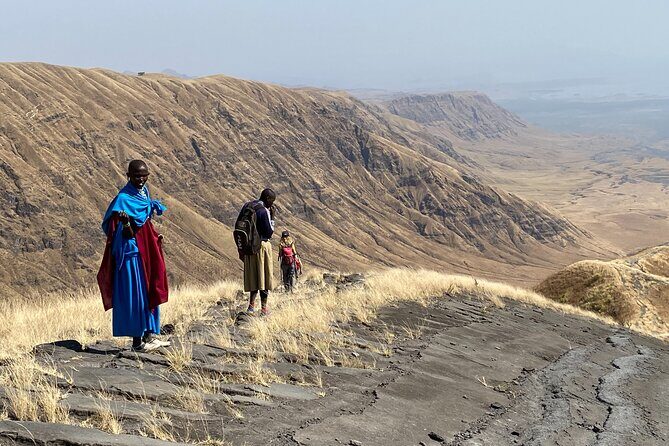
Day 5 is the “payoff and recover” day. You start with rest and brunch at the campsite after the volcano hike. If you still have energy, there’s an optional hike to the Ngare Sero river gorge to a waterfall, with swimming/cooling water as the main point.
That’s not an afterthought. Lake Natron conditions are described as extremely hot, so the idea is to cool off by the river and waterfall. It’s a rare time in a rugged trek when the best activity isn’t more effort—it’s soaking in something that feels like relief.
In the afternoon, the plan includes time at Engare Sero waterfall. You hike to the falls, cross back and forth across the river, and then reach the waterfall area. The total time for this option is short (about two hours), which is smart after the night climb.
Then you drive back to Arusha after the day ends. So the whole trip closes with a logical arc: big wildlife day, crater hiking, walking safari, volcano summit, then cooling water and a return to real beds.
A few more Arusha tours and experiences worth a look

Price and value: what $2,250 per person is buying you
At $2,250 per person, this isn’t a budget trek. But it also isn’t just paying for a view. You’re paying for time, support, and specialist access across very different terrain.
Here’s what you get that affects value most:
- Private group setup: only your group participates, not a mixed tour bus situation.
- Accommodation plus most meals: dinner, lunch, and breakfasts are included across multiple days (breakfast 4, lunch 5, dinner 4).
- Multi-day transport and guided effort: Arusha to Ngorongoro Gate, rim drives, and the vehicle meeting point at Lake Natron.
- Dedicated hiking support: donkeys, a Maasai guide, and your cook on the walking safari day.
- Admission coverage noted on the plan: some segments show admission ticket free and others included, including the Ol Doinyo Lengai hike marked as ticket included.
The other value angle is less “checklist” and more about how the trip is built. You spend serious time on the Crater floor, you hike through villages rather than stopping briefly, and the summit attempt is timed around heat. Operators can cut corners on one of those pieces. This itinerary keeps them together.
If you’re comparing costs, don’t only compare the headline price. Compare how many days you’re actually supported with guides, how much food and accommodation are included, and whether the volcano climb is a serious, scheduled night ascent (not a casual day stroll).
Practical tips: fitness, timing, and what to pack for steep nights
Your fitness level should be moderate, according to the tour info. But “moderate” here is relative to the fact that you’re doing two major walking components and a steep night climb to a volcano summit.
For Day 4, plan your expectations around the climb being extremely steep and done before temperatures climb into the high 90s. That means good footwear and steady pacing matter more than speed.
Also think about heat management. Lake Natron is described as extremely hot during daytime, and the itinerary basically answers that with a strategy: hike in the morning, rest during the hottest parts, and build in cooling water time on the last day.
One more practical detail: the tour is scheduled to start at 9:00 am. That affects your planning in Arusha. If you’re arriving the same day, give yourself buffer time for travel and rest.
Based on feedback tied to this route, guides like Justin are often praised for calm driving and flexibility when things go wrong, and guides like Jamali are praised for caring trail support and good meals during hikes. That matters because this kind of trek relies on steady people, not just a printed itinerary.
Should you book this Ngorongoro to Natron adventure?
If you want a classic wildlife experience plus serious off-grid hiking, this one fits. I’d especially recommend it if you like itineraries where the walking has a purpose—Empakaai Crater, then the walking safari down toward Acacia and Lake Natron—rather than just “a stroll for photos.”
Book it if you’re comfortable with early nights and the reality that Ol Doinyo Lengai is steep and timed for safety around heat. This is the kind of trip that rewards preparation.
Skip it if you want an easy schedule or you’re nervous about a midnight start and a physically hard summit attempt. Also consider that vehicle comfort is not the main guarantee; one past traveler noted the cars’ A/C wasn’t great as a downside.
Bottom line
For the price, you’re buying a full package: wildlife time in Ngorongoro, crater and highlands walking, Maasai village routes, then the rare chance to summit Ol Doinyo Lengai at night. If that’s your idea of a great Tanzanian story, this tour is a strong match.
FAQ
What time does the tour start?
The start time is listed as 9:00 am.
Is this a private tour?
Yes. It is a private tour/activity, and only your group participates.
How physically demanding is the trip?
The tour info says travelers should have moderate physical fitness. The Ol Doinyo Lengai climb is described as extremely steep and starting at night, before temperatures rise into the high 90s.
What meals are included?
Accommodation is included, plus breakfast on 4 days, lunch on 5 days, and dinner on 4 days.
Are admission tickets included?
The itinerary shows admission marked as free for multiple stops and included for certain parts. Ol Doinyo Lengai is specifically marked as admission ticket included.
Is pickup offered?
Pickup is offered.
What is the cancellation policy?
You can cancel up to 3 days in advance of the experience for a full refund. If you cancel less than 3 full days before the experience’s start time, the amount you paid will not be refunded.