REVIEW · ARUSHA
5days Tanzania Safari lodge and camping Serengeti, Tarangire & Ngorongoro Crater
Book on Viator →Operated by Dancing Simba Safaris · Bookable on Viator
Five days, three parks, one unforgettable animal rhythm. This small-group route from Arusha mixes daily game drives with camping nights, so you spend real time in the bush instead of cramming photo stops.
I also love how meals, drinking water on safari, and park fees are wrapped into the price, which keeps your trip planning stress low. One thing to consider: camping is part of the experience, and the Ngorongoro descent is steep and narrow on foot.
In This Review
- Key things that make this safari work
- Northern Tanzania in 5 Days: what this route gets right
- Tarangire National Park on day one: elephants, baobabs, and river life
- Lake Manyara: the full-day monkey and lion-in-a-tree angle
- Serengeti’s Seronera area: why water shapes what you see
- Ngorongoro Crater day four and day five: rim sunset and the steep walk down
- Day four: the rim view and the camp setting
- Day five: crater descent for fast, concentrated viewing
- Camping nights and lodge stops: what comfort level really means here
- Value for $1,254: what you’re paying for and where costs show up
- The guide makes the difference: what Dancing Simba Safaris gets praised for
- Who should book this 5-day northern circuit (and who shouldn’t)
- Should you book it?
- FAQ
- What is the duration of this safari?
- Where does the safari start and end?
- How many people are in the group?
- Is camping accommodation included?
- What meals are included?
- Do you include a safari vehicle and guide?
- Are park fees included?
- What costs are not included in the price?
- What if the weather is poor?
- Is this safari suitable for most travelers?
Key things that make this safari work
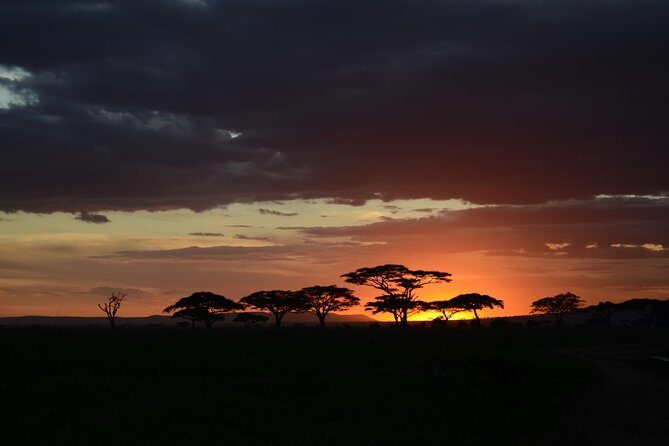
- Small group size (max 6) means more focused time with your guide and less waiting.
- Top-up roof safari jeep helps you spot animals without hunching down for every sighting.
- Tarangire elephants and baobabs set the tone fast, even on day one.
- Lake Manyara’s tree-sleeping lion search adds variety beyond the usual plain sightings.
- Serengeti Seronera area is built around water, drawing animals into view.
- Camping nights plus crater-edge views give you the “proper safari” feel, not just lodges.
Northern Tanzania in 5 Days: what this route gets right
This itinerary is built for momentum. You cover Tarangire, Lake Manyara, the Serengeti (Seronera area), and Ngorongoro Crater in just five days, and you do it with game drives every day. That matters because the parks are spread out, and wildlife viewing is time-sensitive. When you move efficiently, you give yourself more chances early in the day (when animals are moving) and late in the day (when light makes spotting easier).
The second smart move is how the days are structured around wildlife behavior, not just geography. Tarangire is timed for dry-season river life. Lake Manyara is timed for full-day driving and the chance of seeing lions resting in trees. Serengeti is set up for an afternoon drive in Seronera, then an early morning drive before heading to Ngorongoro. And Ngorongoro is handled in two parts: sunset views from the rim, then an early crater descent for the short, intense viewing window.
And yes, it’s a lot in five days. If you want a slow, lounge-heavy safari, this won’t match your style. If you want the “wake up, drive, spot, repeat” rhythm, it’s a great fit.
A few more Arusha tours and experiences worth a look
Tarangire National Park on day one: elephants, baobabs, and river life
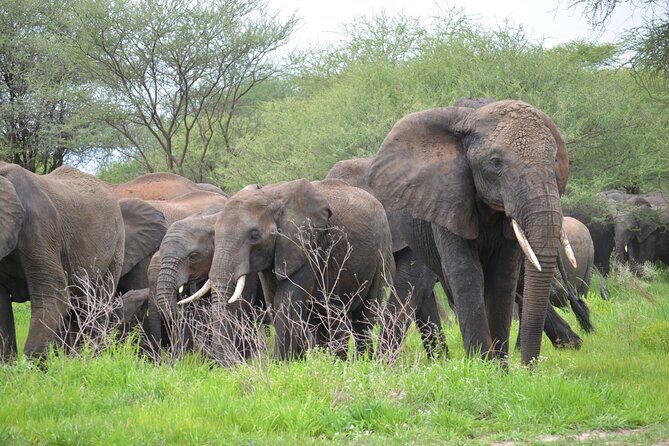
Day one starts with a hotel pickup at 8:00 am in Arusha. Then you drive to Tarangire National Park for game viewing. Tarangire is known for the way animals concentrate along the Tarangire River line, especially in Tanzania’s dry season. When water and swamps act like magnets, wildlife tends to show up in a more predictable pattern than you might get in parks where water is scattered.
Expect the park’s look to be dominated by acacia woodland, big African baobabs, and swamp areas in the south. That mix matters because it changes where animals “read” best. Elephants often use the riparian edges, while other species move through open woodland clearings. Your guide’s job here is to point the jeep in the right direction fast—so you don’t waste precious daylight.
If elephants are your priority, Tarangire is a strong opening act. It’s also home to some less-common species in this region, including Greater Kudu and Fringed-eared Oryx, plus Ashy Starlings. You’re not guaranteed any of those on a single day, but this is the kind of park where the odds feel fair if your timing is good.
Overnight is at Fig Lodge Campsite (dinner and overnight included), which keeps day one comfortable without pulling you too far away from where you need to be next.
Lake Manyara: the full-day monkey and lion-in-a-tree angle
The next morning you reach Lake Manyara quickly—described as about a 15-minute drive from your next area. Manyara is one of those parks where the “first five minutes” can already feel busy. The alkaline lake and mixed vegetation create a variety of micro-habitats, and you often get action at multiple levels: ground movement, tree movement, and animals using forest edges.
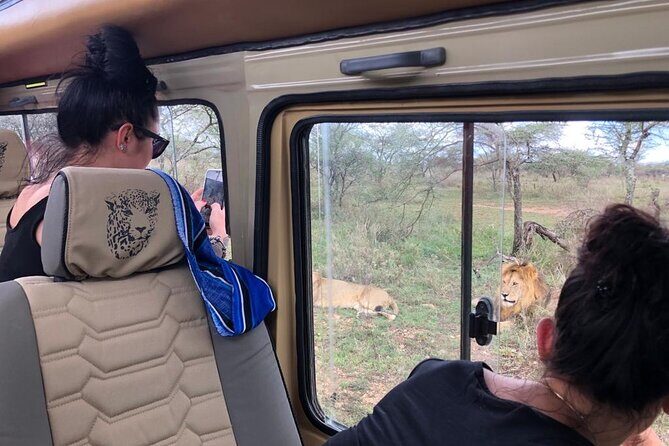
A big reason this stop is worth it on your route is the play for tree-sleeping lions. That’s not the default lion scene in a lot of safaris, and it gives your day a different texture. You spend the day exploring with a full game drive, looking for lions resting in trees, with lunch break and then returning to accommodation.
You’ll also likely notice baboons and other monkeys hanging around in the forest. Even when you aren’t tracking a big cat, that kind of constant background wildlife keeps the drive from feeling like long hours between moments.
Overnight stays again at Fig Tree Lodge & Campsite, with breakfast, lunch, and dinner built in on day two.
Practical note: Manyara days can feel mentally “full” because there’s so much going on visually. If you like constant activity, great. If you prefer long, quiet stalking sessions, you’ll still get game driving, but the park’s rhythm is more varied.
Serengeti’s Seronera area: why water shapes what you see
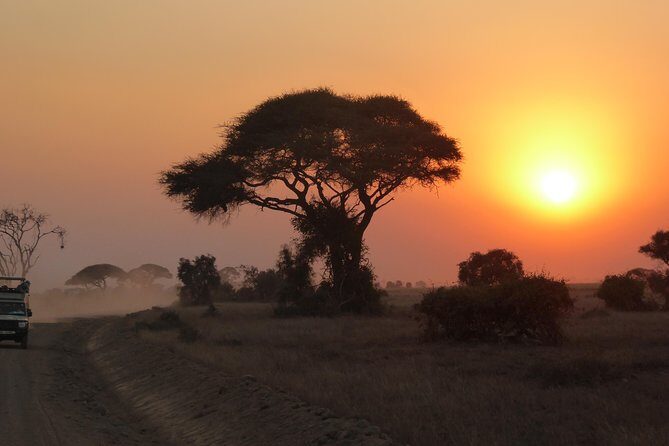
On day three, you head toward Serengeti National Park, traveling via Karatu farmland and through the Ngorongoro Conservation Area. Leaving the highlands behind and descending into the Serengeti is a real change in pace. The plains expand, and the viewing style shifts from patchwork habitats to wide-open scanning.
You arrive in time for lunch, then go for an afternoon drive focused on the Seronera area, one of Serengeti’s richest wildlife zones. Here the Seronera River provides a key water source, and water concentration is the kind of detail that actually explains wildlife distribution. In plain terms: animals don’t spread out evenly across a huge park. They gather where survival is easier.
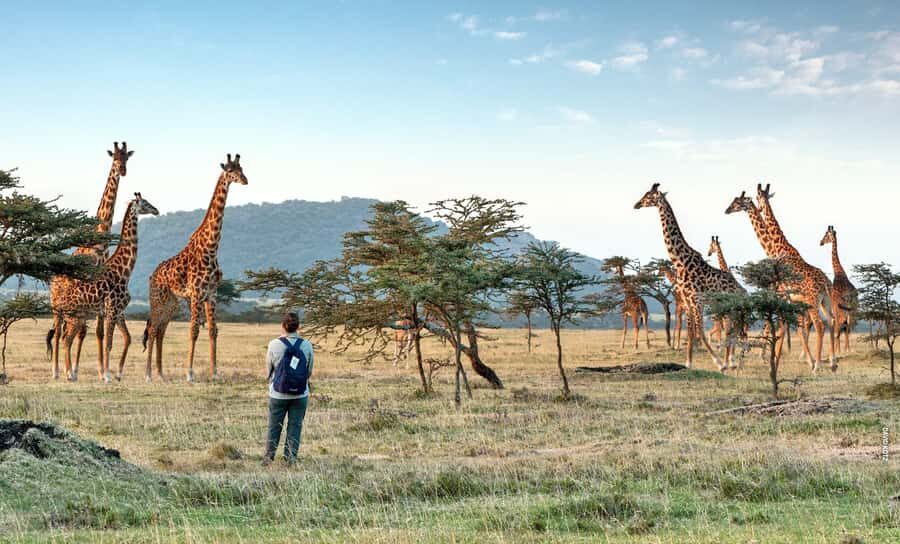
Seronera is where you’re more likely to see a mix of Serengeti species within the same general driving area. That’s helpful on a short, five-day itinerary because it reduces the risk of spending too long chasing “maybe” spots.
Overnight is in the Seronera area (accommodation type depends on the option requested). The benefit of staying inside that wildlife zone is simple: you lose less time moving, and you’re better positioned for an early drive later.
Ngorongoro Crater day four and day five: rim sunset and the steep walk down
Ngorongoro is the emotional headline of this route, and the itinerary handles it in a smart two-day way.
A few more Arusha tours and experiences worth a look
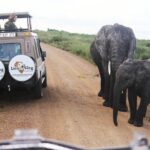
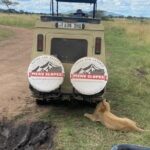
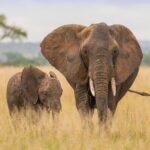
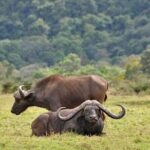

Day four: the rim view and the camp setting
Early in the morning, you get another Serengeti game drive, then you continue toward the crater. The crater itself is described as a collapsed volcano caldera about 600 meters deep, and that scale shows up immediately once you reach the viewpoint. It’s one of those places where the first sight can make even experienced safari-goers go quiet.
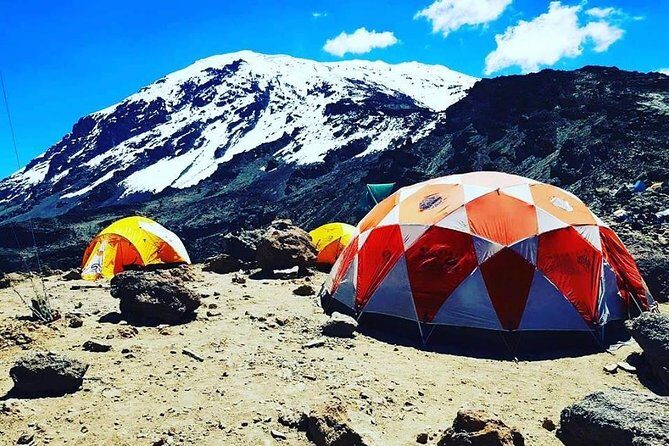
Your camp site is on the crater’s edge at Simba-A camp site. That location changes the experience. Instead of just driving past the crater, you’re positioned for the slow transition from daylight to the darker crater bowl, with sunset views as the light changes.
If you like photography, this is where you get your “I understand why people keep coming back” moment—without needing a huge detour or extra day.
Day five: crater descent for fast, concentrated viewing
On day five you head down early. You descend on a steep and narrow path, and then you’re in a crater floor environment described as open grassland with occasional acacia trees plus a couple of small wooded areas.
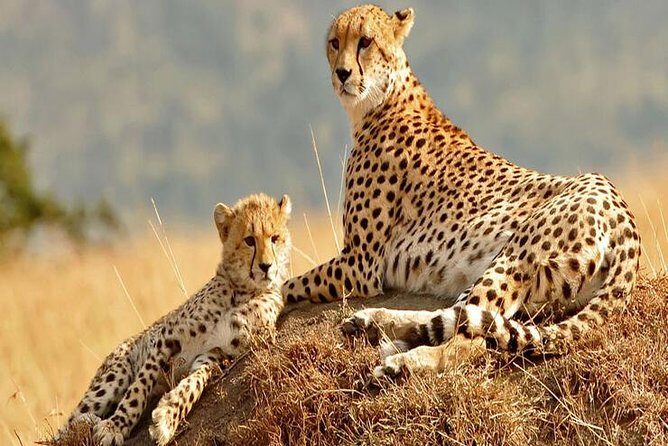
This is the key trick of Ngorongoro: the crater is compact compared to most open parks, so you can see a lot in a short time. The route claims you might even check off Big Five animals—lion, elephant, buffalo, rhino, and leopard—though that’s always luck plus timing, not a promised result.
You spend the morning exploring and then have a picnic lunch in the crater before returning to Arusha, arriving by early evening.
Here’s the consideration: if steep walking is a problem for you, plan carefully. The tour description is clear that the path is narrow and steep. Bring sensible shoes and accept that you’ll work a little to earn the views.
Camping nights and lodge stops: what comfort level really means here
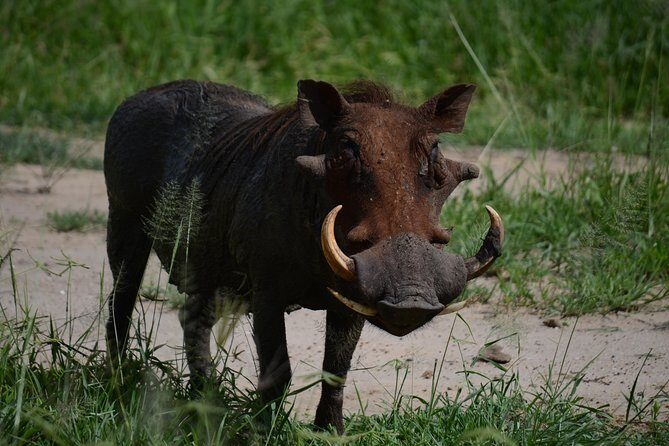
This safari includes camping accommodations, with specific campsite/lodge options listed for nights around Tarangire and Lake Manyara, plus camping on the crater rim. That shifts your experience from lodge-only safaris to something more “in-the-weather” and more grounded in the bush.
What you gain:
- You’re closer to the natural routine of the area.
- You can experience that evening-to-dark transition that lodges farther away can’t replicate.
- In prior trips with this operator, people have described wildlife like zebras walking between tents, which is exactly what can happen when camps are set up in wildlife-adjacent areas.
What you should know:
- Camping doesn’t mean luxury.
- It does mean you’ll want to pack for early mornings and practical comfort.
- You’ll likely spend the day focused on animals, then return to camp to recharge quickly, not to hang out for hours.
If your ideal safari is a blend of real bush time with solid organization, camping can be a great fit. If you’re chasing a resort feel, you may not love it.
Value for $1,254: what you’re paying for and where costs show up
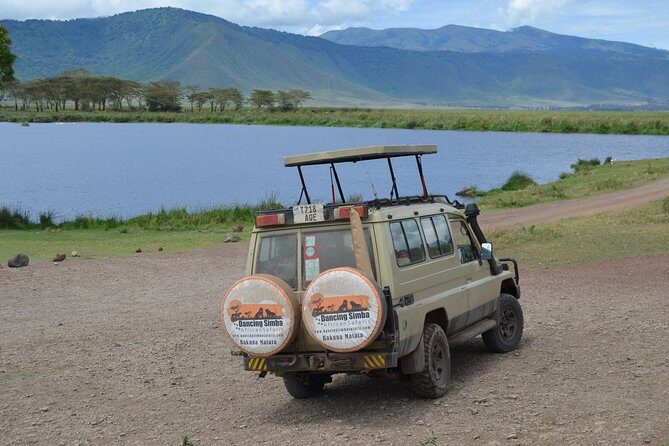
For a five-day northern Tanzania circuit, the price—listed at $1,254—is positioned as a value-focused option. The biggest reason is what’s included:
- Safari jeep with a top-up roof
- Professional safari guide
- Airport transfer
- Meals and drinking water on safari
- Park fees
- Several meals are explicitly listed: breakfasts, lunches, and dinners across the days
That matters because in safari budgeting, the “surprise costs” are often the park fees and the meals that pile up daily. Here, you’re not paying separately for each component the way you might on a more fragmented plan.
What’s not included:
- Flights
- Tipping
- Personal items
If you’re coming from overseas, flights will be the big cost outside the tour price no matter what. And tipping is the main extra cost you should plan for. Since the tour doesn’t include it, you’ll want to set aside that budget ahead of time rather than improvising while you’re in the middle of safari excitement.
Also, this is a small group tour with a maximum of 6 travelers. That’s part of what makes the price feel more reasonable: you’re not splitting guide and jeep time with a huge crowd.
The guide makes the difference: what Dancing Simba Safaris gets praised for
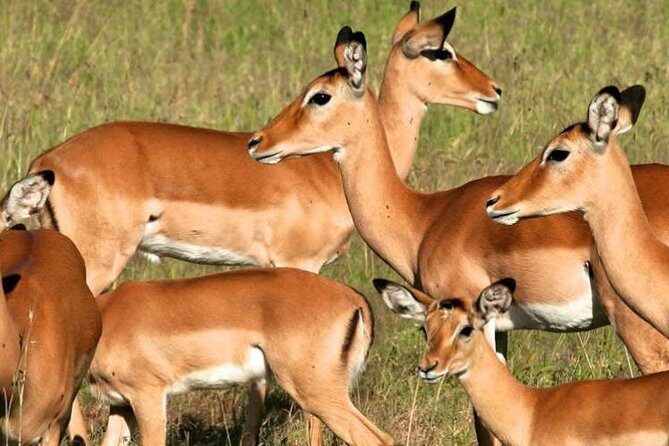
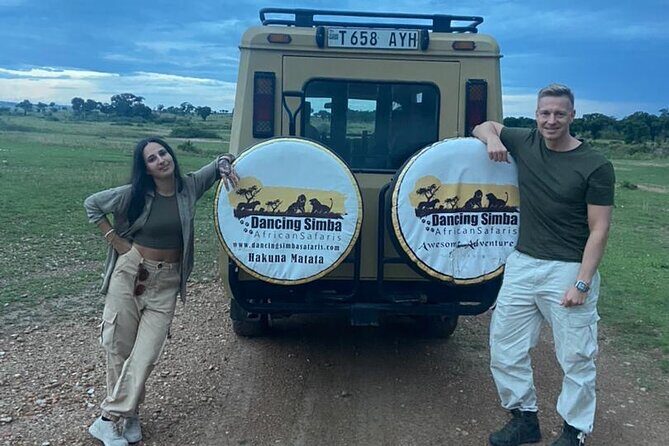
A safari is part vehicle, part timing, and part brain. The company behind this trip is Dancing Simba Safaris, and the feedback you can use to guide your expectations centers on people.
Across different trips arranged by this operator, guides are repeatedly praised for being patient, respectful, and good at explaining what you’re seeing. Names that come up include Grayson, Michael, Proches, and Owen. People also thank staff for communication and follow-through before arrival, including Lucy and organizers like David. Food support shows up too: a chef named Dennis gets credit for cooking meals people enjoyed.
If you care about learning while you watch, that track record matters. A good guide helps you interpret behavior: why animals cluster, how different habitats change what you spot, and where to focus your scan when the savanna looks empty.
Who should book this 5-day northern circuit (and who shouldn’t)
This safari is best for you if:
- You want game drives every day and you’re okay with a packed schedule.
- You like small-group travel and want more direct guide interaction.
- You’re open to camping as part of the real safari feel.
- You want a concentrated northern Tanzania highlights route without needing separate transfers or planning each park day yourself.
You might want a different style if:
- You dislike early starts (some days are early for better viewing).
- You struggle with steep walking, especially because Ngorongoro includes a steep, narrow descent on foot.
- You want lodge-only comfort.
In short: this is a smart choice for people who want to trade a bit of comfort for animal time and memorable settings.
Should you book it?
If you want the headline parks of northern Tanzania in a short window, this five-day route makes sense. The combination of Tarangire, Lake Manyara, Serengeti (Seronera), and Ngorongoro is a strong “greatest hits” plan, and the included meals, park fees, and safari vehicle help the trip feel clean and predictable.
Book it if your priorities are daily drives, wildlife-focused guiding, and camping experiences (including the crater rim). Pass or look for a lodge-forward alternative if you want softer walking and more downtime.
FAQ
What is the duration of this safari?
This experience runs for about 5 days.
Where does the safari start and end?
It starts in Arusha, Tanzania and ends back at the meeting point in Arusha.
How many people are in the group?
The tour has a maximum of 6 travelers.
Is camping accommodation included?
Yes. Camping accommodation is included as part of the itinerary.
What meals are included?
Meals and drinking water on safari are included. The tour lists breakfasts, lunches, and dinners during the days of the safari.
Do you include a safari vehicle and guide?
Yes. It includes a safari jeep with a top-up roof and a professional safari guide.
Are park fees included?
Yes. Park fees are included.
What costs are not included in the price?
The tour does not include flights, tipping, or personal items.
What if the weather is poor?
This experience requires good weather. If it’s canceled due to poor weather, you’ll be offered a different date or a full refund.
Is this safari suitable for most travelers?
The information says most travelers can participate, but you should consider the steep and narrow Ngorongoro crater descent described in the itinerary.