REVIEW · TANZANIA
3 Day – Tarangire, Ngorongoro Crater Lake Manyara- Mid – Range
Book on Viator →Operated by Professional Safari Africa · Bookable on Viator
Elephants and lions can feel like your morning commute. This 3-day Tanzania safari links Tarangire, UNESCO Ngorongoro Crater, and Lake Manyara with game drives timed for animal activity. You get small-group attention and a smooth road plan from Arusha.
I love the early-morning push, especially the crater descent where wildlife can be active before the crowds. I also like the value math: accommodation and meals are included, so you’re not constantly stopping to figure out what’s next.
The tradeoff is pace. You’ll spend long stretches in the safari vehicle, and the days are structured to cover three iconic areas rather than slow travel with lots of free time.
In This Review
- Key points at a glance
- Three parks in three days: what you’re really buying
- Day 1 in Tarangire: elephants, lions, and a packed-lunch pace
- What to watch for in Tarangire
- Day 2 at Ngorongoro Crater: why 6:30 AM matters
- The biggest advantage of the early start
- Day 3 at Lake Manyara: acacia forests, primates, and an evening finish
- Day 3 tradeoff
- The guide-and-group setup: why small matters on safari
- Value and price: what $1,350 covers (and what it doesn’t)
- Comfort, timing, and the reality of early mornings
- Should you book this 3-day Tanzania safari?
- FAQ
- What time does the safari start and where do I meet?
- Which parks are included in this 3-day tour?
- Are meals included?
- Are park admission tickets included?
- How big is the group?
- Where is the overnight stay on Day 1?
- What is the cancellation policy?
Key points at a glance
- Up to 6 travelers: a smaller group usually means less waiting and more guide attention on sightings
- Ngorongoro is the centerpiece: the plan is built around an early start for the crater’s wildlife
- Tarangire elephant focus: expect heavy elephant country and good chances at lions in the right mood
- Lake Manyara’s primates and scenery: acacia forest, giant figs, plus baboons and blue monkeys
- Full board included: bottled water, meals across the 3 days, and an overnight at Twiga Lodge
Three parks in three days: what you’re really buying
This safari is built for people who want three major Tanzania stops without losing half the trip to transit. You start in Arusha and then get a tight circuit through Tarangire National Park, Ngorongoro Conservation Area (the crater), and Lake Manyara National Park. It’s a classic northern safari route, but the schedule matters: you’re not just going places, you’re going at wildlife-friendly times.
The biggest “buy” here is reduced friction. Meals are included (and bottled water is provided), you get picked up, and the plan keeps you moving from park to park with no daily reshuffling. At this level of mid-range pricing, that convenience can be worth real money and mental energy, especially if it’s your first Tanzanian safari.
Also, this is a max-6 small group. That doesn’t guarantee more animals, but it often means better communication and fewer delays when the guide stops for a sighting.
A few more Tanzania tours and experiences worth a look

Day 1 in Tarangire: elephants, lions, and a packed-lunch pace
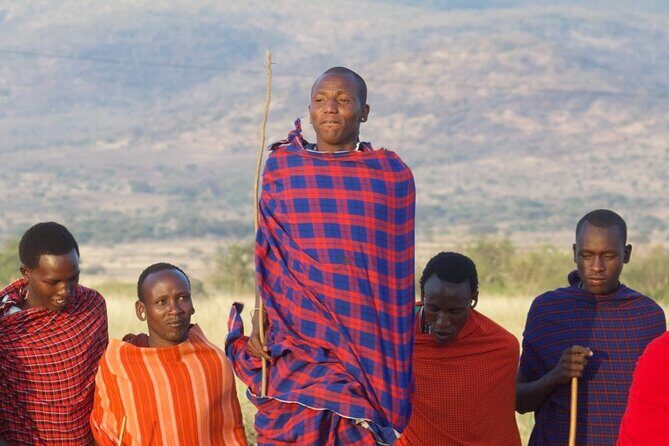
Your day starts with an early pickup from your Arusha-area hotel, then you drive toward Tarangire National Park. The plan puts you on safari quickly, with game viewing starting before 10:00 AM. That timing is important. Tarangire can heat up fast, and animals tend to be easier to spot when the light is still fresh and the day isn’t too advanced.
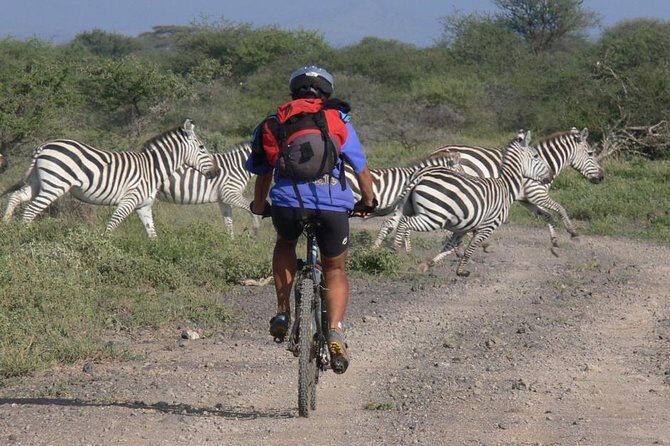
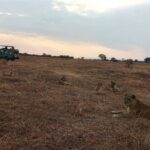
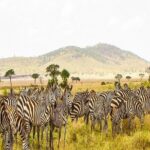
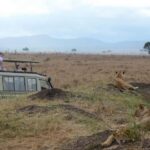
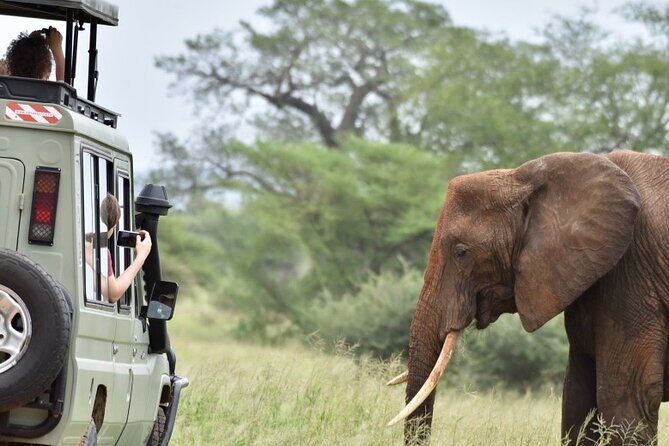
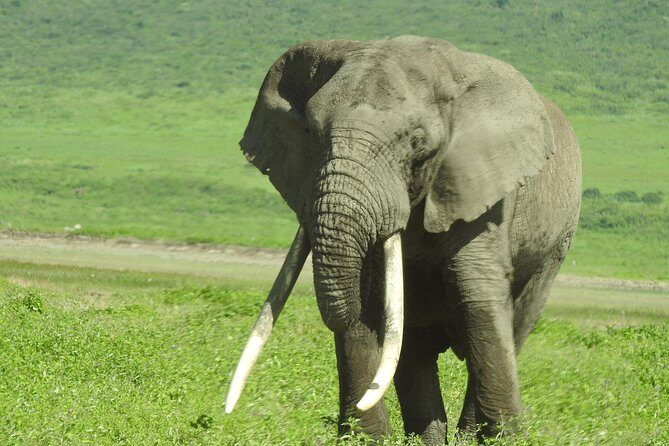
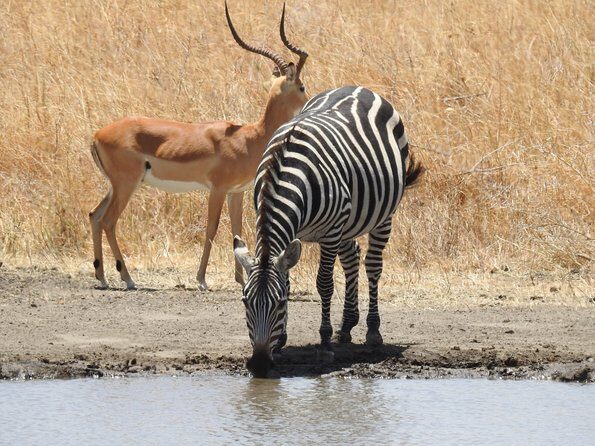
Tarangire is especially known for elephants, and this schedule leans into that. You’re set up to see lots of elephants and also to look for predators as they move through the landscape. The tour description calls out the possibility of meeting lions (including pride activity), plus the usual safari mix—zebras and other wildlife you’d hope to see on a first safari.
At lunchtime, you’ll have a meal included, and you’ll keep driving after that. In practical terms, this cuts down on the “half the day is eating” feeling that can happen on some tours. You get a full day of game drive time rather than a short loop.
Evening plans are simple: you’re transferred to Twiga Lodge for dinner and overnight. That matters because it gives you a real base with dinner included, so you’re not hunting for food after a long day. Then you reset for an even earlier start the next morning.
What to watch for in Tarangire
- Elephant activity: expect frequent sightings, especially around water and open grass areas
- Lion chances: they’re not guaranteed, but the guide has time to work the area and reposition
- Vehicle time: you’ll be on the road for much of the day, so bring your patience and your best “camera readiness” mindset
Day 2 at Ngorongoro Crater: why 6:30 AM matters
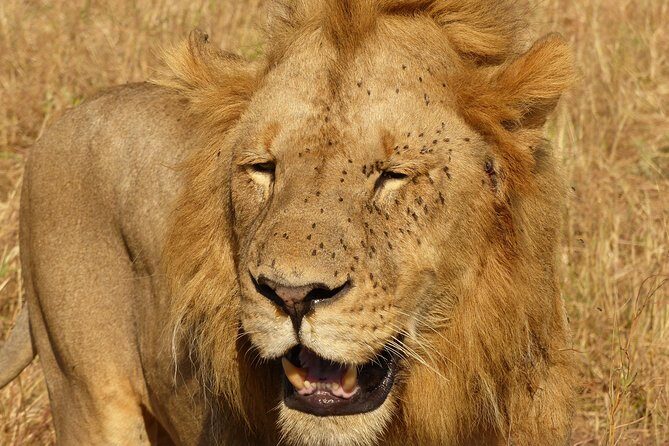
If Tarangire is about building momentum, Ngorongoro Crater is about focus. The day is structured around leaving early—breakfast first, then a start around 6:30 AM. The payoff is that you’re inside the crater in about an hour, which gives you time when animals are often more active.
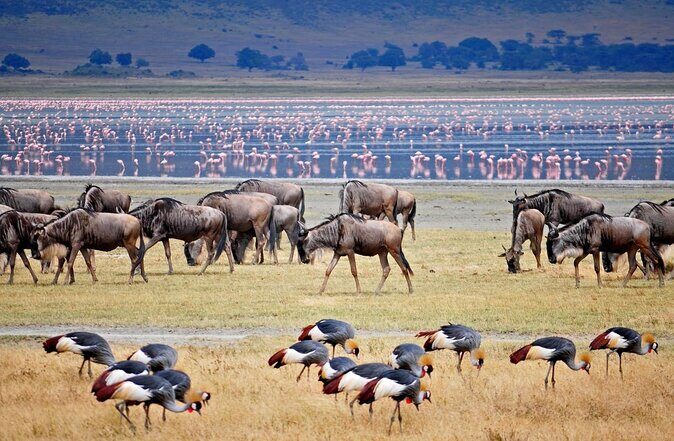
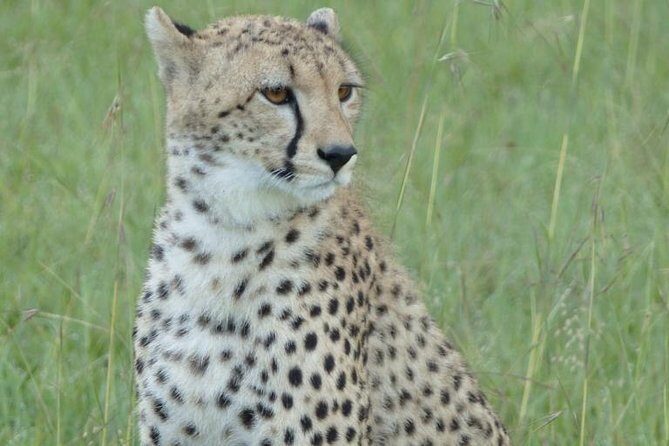
Ngorongoro is famous as a UNESCO site, but what you’re paying for is the density and variety. This crater environment can pack many species into a relatively small area. The plan explicitly mentions buffalo, elephants, lions, wildebeests, zebras, hippopotamus, and other animals you’d typically associate with different habitats. It also references feline species like Caracas and Servals—a reminder that the guide is looking at more than just the headline animals.
Another detail I appreciate is that breakfast and lunch are planned while you’re experiencing the crater area. That reduces the sense that you’re constantly racing to find a meal stop. It also helps you stay in the wildlife rhythm rather than losing momentum to long breaks.
One note: Ngorongoro days can feel “intense,” because once you’re down in the crater you’re dealing with big-picture wildlife spotting while also making real-time choices about where to drive next. That’s exactly why guide skill matters on this kind of day.
The biggest advantage of the early start
You’re less likely to feel like you’re just arriving late to a show. You get morning light, more active movement, and more flexibility to chase what’s happening right then rather than what happened earlier.



Day 3 at Lake Manyara: acacia forests, primates, and an evening finish
After checkout, the tour keeps the early theme with breakfast and a packed lunch before heading into Lake Manyara National Park. Game drives run essentially all day, with a schedule that stretches into the later evening and then a drive back toward Arusha. The estimate is back around 5:00 PM, with flexibility if you need to catch a flight.
Lake Manyara is smaller than you might expect (the description gives 205 sq. miles), but the park is known for a mix of scenery and wildlife. You’re specifically pointed toward lush acacia forest, giant fig trees, and mahogany trees—this matters because it shapes where you’ll find animals moving and resting. Thick tree cover can hide things at midday, but it also creates edges where animals feed and where predators can work.
The tour also highlights primates: baboons and blue monkeys. If you’re the kind of traveler who loves seeing behavior, this day can be satisfying because primates often give you constant activity even when the “big predator moment” takes longer.
You’ll take lunch at a picnic site, then continue game viewing into late hours. That’s a good rhythm for people who want one last solid wildlife push before returning to town.
Day 3 tradeoff
Lake Manyara can deliver spectacular moments, but it may also ask for patience—trees and terrain influence what you can actually see from the vehicle. The upside is the full day of drives, not a rushed half-day.
The guide-and-group setup: why small matters on safari
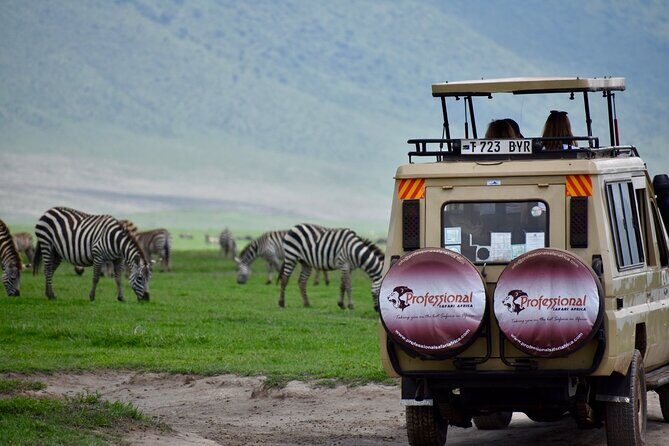
A safari isn’t just about where you go. It’s about how quickly you can connect the animal you’re seeing with what you should do next—where to position, when to wait, and how to interpret behavior. This tour leans into that with a maximum of 6 travelers and a promise of more attention from your guide.
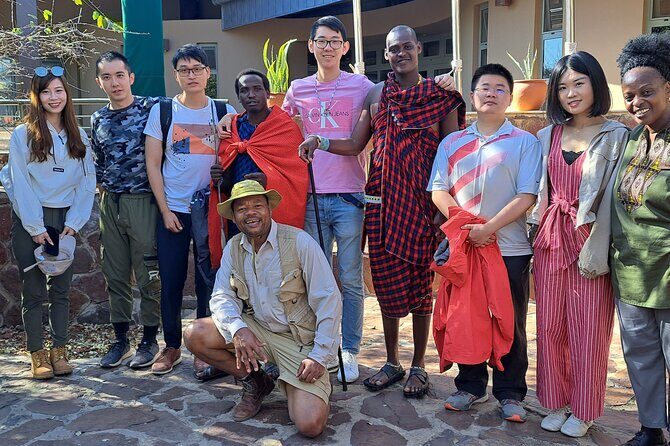
The feedback from the operator’s guests also strongly points to guide quality. People talk about guides like Anton and Jonas with praise for wildlife knowledge and reliability. There are also mentions of Felix and Godlove, which gives you a useful expectation: the company seems to staff driver-guides who can explain what you’re seeing, not just drive you past it.
For me, that’s a big part of safari value. When your guide can point out why an animal is moving, what the herd behavior suggests, or how the landscape affects where wildlife gathers, your game drive becomes more than a checklist.
And there’s another practical benefit: small groups reduce the constant stop-and-start of larger vehicles. When you’re trying to follow animal action, the less time wasted, the better.
Value and price: what $1,350 covers (and what it doesn’t)
At $1,350 per person for a 3-day safari circuit, the key question is whether your money is buying time, comfort, and included costs—or just paying for transport.
Here, the pricing includes a lot of the stuff that usually adds up:
- Accommodation and meals included across the days
- Bottled water provided
- Admission tickets listed as free in the tour info
- Pickup is offered (starting in Arusha)
That means you’re paying for the core structure: getting you into the parks legally and efficiently, feeding you well enough during full days, and handling your overnight.
What’s not included: alcoholic beverages. That’s common on safaris, but it’s worth noting so you don’t get surprised if you’re planning to have beer or wine with dinner.
Also, the operator is using a mobile ticket approach, which tends to reduce last-minute paperwork headaches.
If you’re comparing options, I’d focus on the “total day cost” mindset. If one safari is cheaper but makes you pay separately for meals, admissions, and lodging, the gap often closes quickly once you add everything in.
Comfort, timing, and the reality of early mornings
This trip is built around getting out early, especially on Day 2 and with packed lunches on other days. That’s not a complaint—it’s smart. For wildlife, timing isn’t a detail; it changes what you’ll likely see.
You also need to be comfortable with long driving windows. Each day has structured start times and full days of game viewing, so think of this as a safari experience first, sightseeing second.
On the comfort side, you have dinner and overnight at Twiga Lodge on Day 1. The plan includes dinner that evening and then continues with breakfasts and lunches later on. That matters because it reduces decision fatigue. After a full day outside, you don’t want to be thinking about where to eat.
Should you book this 3-day Tanzania safari?
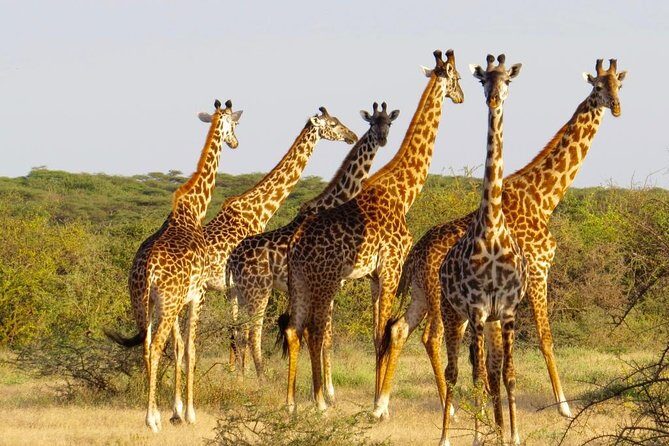
I’d recommend this tour if you want a focused “greatest hits” safari circuit: elephants and lions potential in Tarangire, the iconic Ngorongoro Crater experience with strong early-day timing, and primates plus forest wildlife at Lake Manyara. It’s also a good fit if you like the idea of a small group and appreciate guides who can explain what you’re seeing.
You might reconsider if you hate early starts or you feel you need lots of downtime. The schedule is tight and vehicle time is part of the deal. Also, if you’re hoping for included drinks beyond water and meals, the tour info suggests alcohol isn’t included.
If this is your first safari in Tanzania, the structure is a big advantage. You get three major parks in three days, and you don’t have to manage the day-to-day logistics.
FAQ
What time does the safari start and where do I meet?
The tour starts in Arusha, Tanzania with a start time of 8:00 am, and pickup is offered.
Which parks are included in this 3-day tour?
You visit Tarangire National Park, Ngorongoro Conservation Area (Ngorongoro Crater), and Lake Manyara National Park.
Are meals included?
Yes. The tour includes breakfast (2), lunch (3), and dinner (2), plus bottled water.
Are park admission tickets included?
Admission tickets are listed as free in the tour details.
How big is the group?
This experience has a maximum group size of 6 travelers.
Where is the overnight stay on Day 1?
You’re transferred to Twiga Lodge for dinner and overnight on Day 1.
What is the cancellation policy?
Free cancellation is available up to 24 hours before the experience starts for a full refund. If you cancel later than that, you won’t receive a refund. The tour can also be canceled due to poor weather (with an alternate date or full refund) or if a minimum number of travelers isn’t met (alternate date or full refund).