REVIEW · MOSHI
Hiking Mt Kilimanjaro 8 days, the most scenic route up Kili
Book on Viator →Operated by safari soles tours · Bookable on Viator
Lemosho makes Kilimanjaro feel scenic and calm. This is the route known for panoramic views on multiple sides of the mountain, with a climb plan that aims for a high summit success rate while keeping the trail quieter. I like that balance because you get variety without feeling like you’re sprinting uphill every day.
I also like the people side of this experience: a small group (max 7) and support from mountain guides who clearly take safety and pacing seriously. Names like Emanuel Mkumbo and Franky show up in strong word-of-mouth from past climbers, along with help from Bryson in planning the trip. The one consideration is the unavoidable reality that the midnight summit push is the most mentally and physically demanding stretch of the whole journey.
In This Review
- Key things to know before you go
- Why the Lemosho route up Kilimanjaro is the smart scenic choice
- Moshi to trailhead: the day you start earning your altitude
- Day 1, Forest Camp Big Tree: rain forest climbing that feels like a real warm-up
- Day 2, Shira Ridge to Shira One: the plateau opens up
- Day 3, Shira Two or Moir Hut: high plateau acclimatization with real purpose
- Day 4, Lava Tower to Arrow Glacier and down to Barranco Hut
- Day 5, Karanga Valley: the short day that protects summit chances
- Day 6, Barafu Hut: finishing the south circuit and staring at Kibo and Mawenzi
- Day 7, midnight summit climb: Stella Point sunrise to Uhuru Peak
- Day 8, Mweka Park Gate descent: back to Moshi or Arusha
- Price and what the $2,900 per person is really covering
- Who should choose this climb, and who should rethink it
- Should you book Safari Soles’ 8-day Lemosho trek?
- FAQ
- How long is the Kilimanjaro hike on the Lemosho route?
- How much does the experience cost per person?
- Where does the trek operate, and where are you based?
- What group size should I expect?
- Is pickup included?
- What is included for meals and camps?
- Are park admission tickets included?
- When do you start the summit attempt?
- What if weather conditions stop the climb?
- What is the cancellation window for a full refund?
Key things to know before you go
- Lemosho is built for views and lower traffic: it’s often chosen for panoramic scenery on different sides of Kili.
- Acclimatization is paced on purpose: gradual climbs, a high plateau day, and a deliberate short day in the middle.
- A sunrise goal at Stella Point: you stop at 18,600 ft, then climb the last stretch to Uhuru Peak (weather permitting).
- Meals and camps are handled: full board at multiple camps means fewer logistics headaches for you.
- You’re traveling with a crew, not solo: experienced guides are a big part of why people feel safe and supported.
- Max 7 on the trek: this keeps the trip feeling more personal than mass-group climbing.
Why the Lemosho route up Kilimanjaro is the smart scenic choice
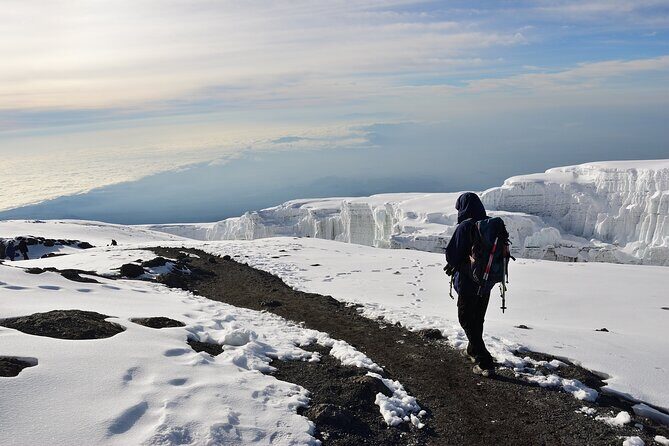
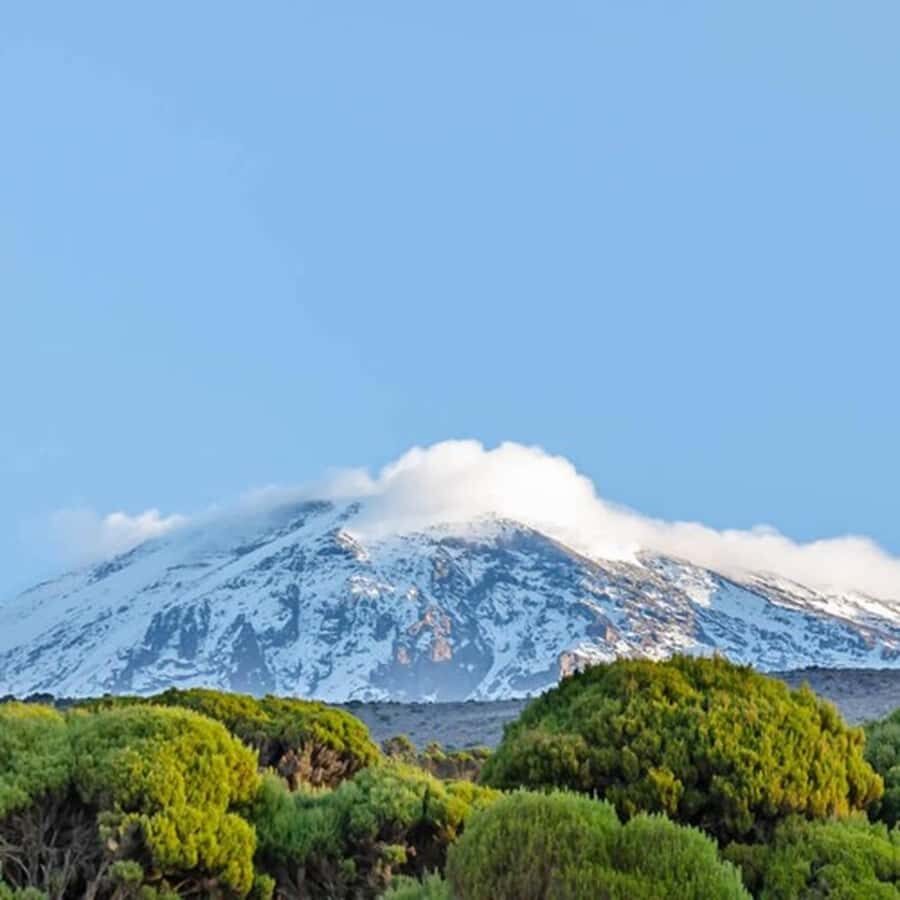
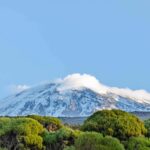
If your mental picture of Kilimanjaro is sweeping views and big Kibo energy, the Lemosho route matches it. You’re not stuck seeing the same ridgeline every day. Instead, the path walks you through several distinct altitude zones—rain forest, savannah, moorland, semi desert, and alpine desert—so the scenery actually changes as your body climbs.
There’s also a practical reason people favor this route: it’s described as low traffic and well balanced. That matters because a quieter trail can make it easier to manage your pace and rest breaks, especially when you’re dealing with altitude instead of just effort.
For value, I like that the route focus here isn’t just marketing. The days are structured around acclimatization first, summit second, and that’s what your body needs on an 8-day climb.
You can also read our reviews of more hiking tours in Moshi
Moshi to trailhead: the day you start earning your altitude
Most Kilimanjaro climbs begin with transfers that eat time before you even step on the trail. Here, you leave Arusha or Moshi for Londorossi Gate (about 4 hours), then drive on to the Lemosho trailhead (about 1 more hour). When you get to the trailhead, you’re not just dropped off—you have lunch and time to settle in before starting the hike.
This is where a pickup option helps. If you’re coming in from Moshi or Arusha, you don’t want to be solving transport puzzles while you’re already thinking about altitude and early mornings. A mobile ticket and organized group setup also mean you’re less likely to lose time to paperwork.
The first day’s plan is gentle by Kilimanjaro standards: you spend the bulk of it getting into the rhythm of walking, stopping, and resting.
Day 1, Forest Camp Big Tree: rain forest climbing that feels like a real warm-up
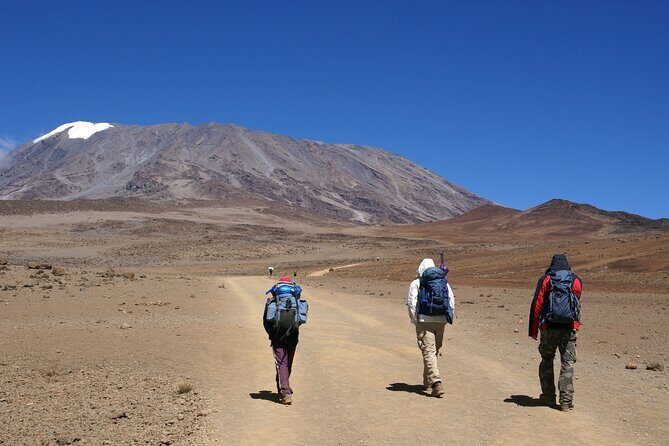
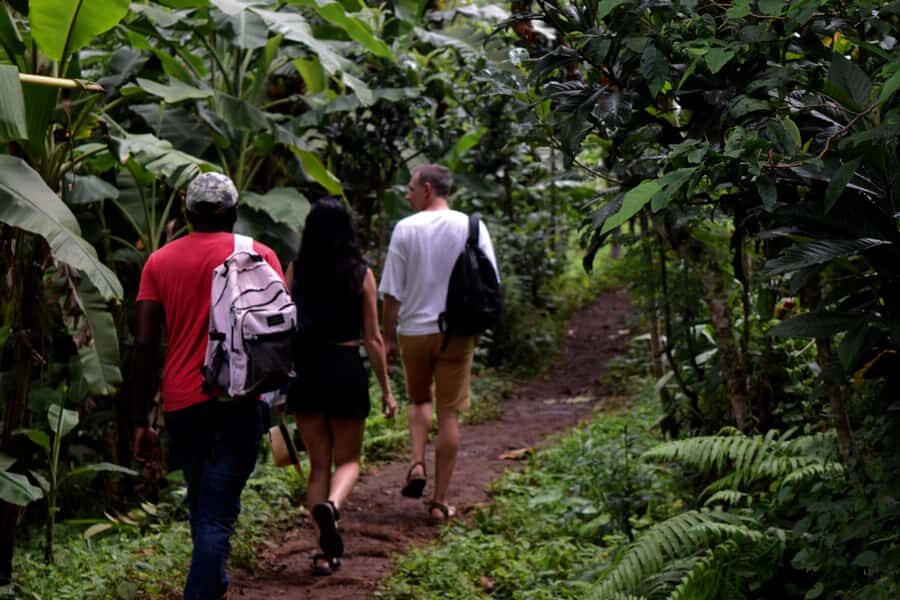
Day 1 runs from roughly 7,800 ft to 9,500 ft and is only about 6 km total. You hike 3–4 hours, winding through rain forest toward your first campsite: Forest Camp, also called Big Tree Camp.
This matters more than it sounds. When you start in forest, you usually feel more protected from the elements than you will later on the plateau and ridges. You also get a natural break-in period while your legs and lungs adjust to altitude.
You’ll get lunch after arrival at the trailhead, and then the day ends at the camp with full board. In other words, you’re not searching for food or trying to time supplies on your first night at altitude.
What to watch for: It’s tempting to think a forest day is easy. Keep your pace controlled anyway. The goal is not to win Day 1; it’s to arrive calm enough to keep acclimatizing.
Day 2, Shira Ridge to Shira One: the plateau opens up
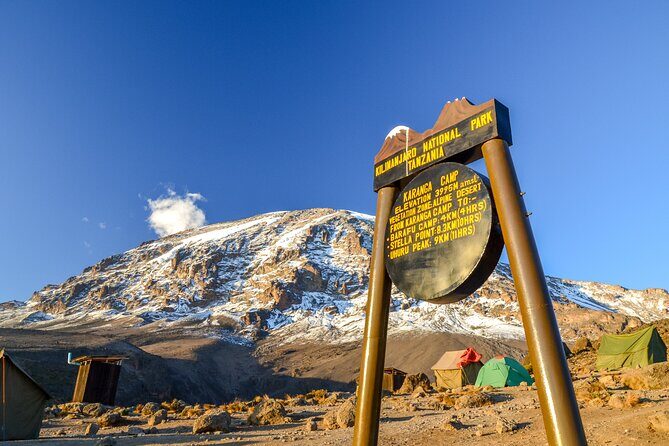
After breakfast, you leave the forest and climb out into savannah. Tall grasses, heather, and volcanic rock appear, draped with lichen as you gain altitude.
The trek reaches Shira Ridge and then drops gently down to Shira 1 camp. You stay for dinner and overnight at Shira One Camp, and the view of Kibo from across the plateau is part of the big payoff day.
The plan here is about balance: you’re going higher and still moving through open terrain, but the day has a built-in softness as you drop to camp rather than pushing relentlessly upward.
Distance and time: the day is listed as 1 day, with the focus on the ridge-to-plateau shift and the camp landing. For you, that means the scenery can change fast, so expect your sense of direction and pacing to matter even more once the trees thin out.
Day 3, Shira Two or Moir Hut: high plateau acclimatization with real purpose
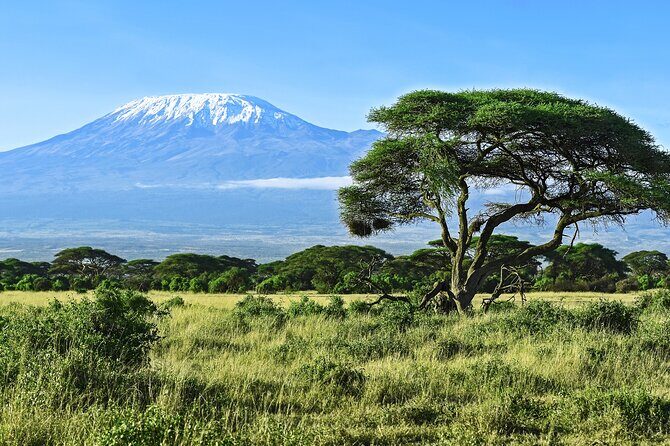
Day 3 is a longer day, typically 11,500 ft to 13,800 ft range, covering about 14 km with 5–7 hours of hiking. You walk east toward Kibo’s glaciered peak across the plateau to Shira 2 camp on moorland.
If you’re sent forward, there’s an option to stay at Shira 2 camp or continue to Moir Hut near the base of Lent Hills, described as a lesser-used site. Either way, the intent is acclimatization with variety, and the trek includes walks on the Lent Hills area.
You can think of this day as the body-check day: the numbers are higher, but the goal is to help your system adjust before the steeper technical transitions later.
Why I’d call this a key day: Shira is described as one of the highest plateaus on Earth. That’s exactly why the route earns its reputation: it doesn’t rush you straight toward the summit without giving you time to adapt.
Day 4, Lava Tower to Arrow Glacier and down to Barranco Hut
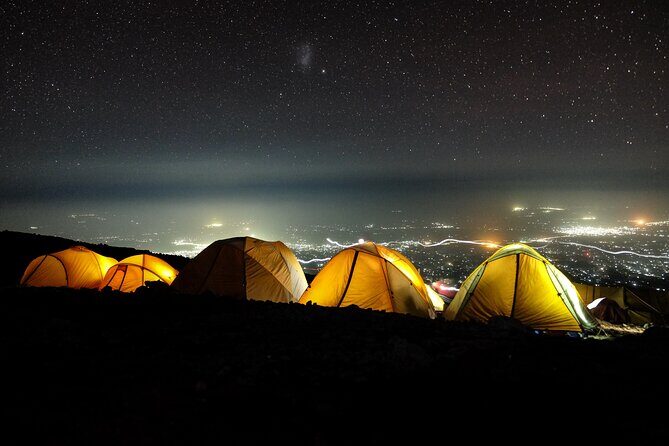
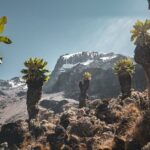
Day 4 switches you into a more dramatic terrain mix. After breakfast you head southeast toward the Lava Tower, then continue toward the Shark’s Tooth. Soon after, you reach a junction that brings you up to the Arrow Glacier at about 16,000 ft.
Then comes the downshift: you continue down to Barranco Hut at around 13,000 ft for rest, dinner, and overnight. The day’s elevation range is listed as 13,800 ft to 13,000 ft, with about 7 km and 4–6 hours of hiking, and the habitat is semi desert.
That altitude swing is important for your acclimatization. You still reach high points, but the route gives you relief by dropping back down to sleep.
What to expect in your body: the combination of high altitude scree-like terrain (you’ll see glacier-related features) and a downhill finish can feel oddly tiring. Your legs do more braking work than you might think.
Day 5, Karanga Valley: the short day that protects summit chances
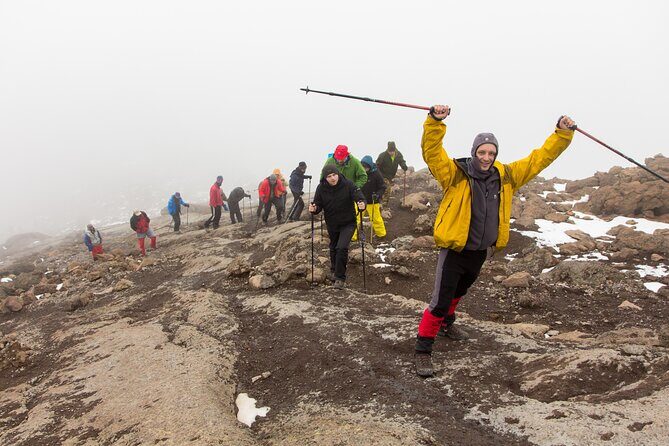
Day 5 is intentionally short. You leave Barranco and climb along a steep ridge past the Barranco Wall into Karanga Valley campsite.
Elevation shifts from about 13,000 ft to 13,100 ft, covering around 5 km in 4–5 hours. This camp is in alpine desert, and it’s set up as an acclimatization support day with full board at Karanga Camp.
This is the day that can save you later. Shorter distance on a crucial altitude week means you arrive at the next stage with more energy in your legs and a calmer rhythm in your breathing.
Day 6, Barafu Hut: finishing the south circuit and staring at Kibo and Mawenzi
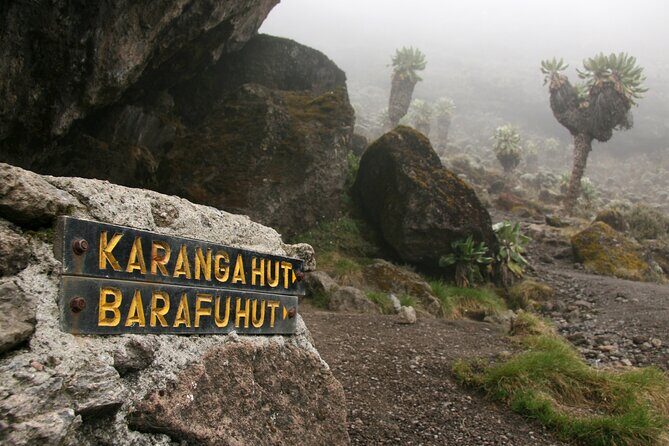
Day 6 continues up toward Barafu Hut. You connect with the Mweka Trail junction and climb to Barafu Hut at about 15,300 ft. This day lists 4 km and 4–5 hours, moving through alpine desert.
By reaching Barafu Hut, you’re described as having completed the South Circuit. This is also the point where Kibo and Mawenzi appear in view from this position, which is a nice reminder that the mountain isn’t just a vertical wall—it’s a full set of dramatic shapes.
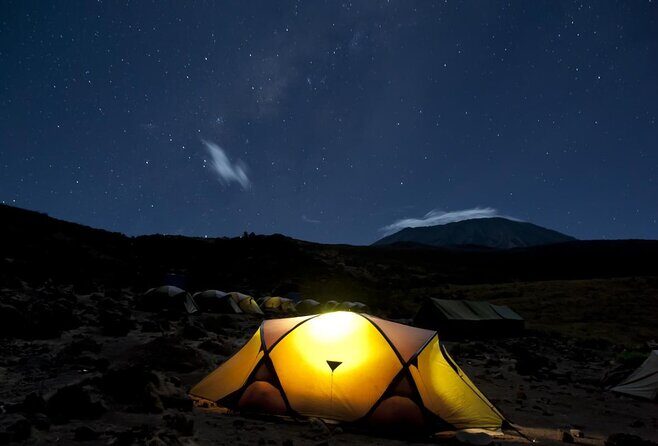
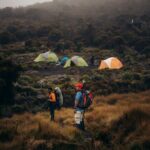
Then the mood changes. You camp at Barafu Hut Camp, rest, eat dinner, and prepare for the summit night.
Practical note: Your summit success will depend on conserving energy here. Think less about pushing views and more about sleeping and staying steady.
Day 7, midnight summit climb: Stella Point sunrise to Uhuru Peak
This is the big one. Between midnight and 12:00am, you head out for the summit, ascending through heavy scree between the Rebmann and Ratzel glaciers. The route goes northwesterly toward Stella Point on the crater rim.
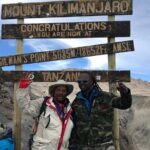
Stella Point is listed at 18,600 ft. You stop briefly and, weather permitting, you’re rewarded with one of the most magnificent sunrises you’re likely to see on your trip. After that, it’s about a 1-hour ascent to Uhuru Peak.
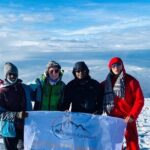
Uhuru Peak is listed as the highest point on Mount Kilimanjaro and the continent of Africa. The physical and mental difficulty is highlighted as the toughest segment of the climb.
For you, here’s the best way to think about it: your pace will matter less than your consistency. With scree and altitude, small steady efforts beat quick surges.
Day 8, Mweka Park Gate descent: back to Moshi or Arusha
Day 8 is about coming down safely and getting back to normal life. After breakfast, you descend to the Mweka Park Gate, and then vehicles are waiting to take you back to your hotel in Arusha or Moshi.
This day’s hiking time is listed as 3 hours, with the park gate included as admission ticket free. So you’re not ending the trip with extra gate hassles.
It’s also where you’ll feel the difference between altitude strain and regular hiking soreness. Even if your mind is ready to be done, your knees may still remind you that you spent a week climbing.
Price and what the $2,900 per person is really covering
At $2,900 per person for an 8-day trek, the headline cost is high. But Kilimanjaro pricing often reflects something people don’t see at first glance: park access, camp fees, staffing, and the fact that you’re traveling in a small supported team with multiple altitude nights.
This itinerary includes full board at camps (you’re not managing daily meals), and admission tickets are listed as included for trek days. The final descent day notes admission ticket free at the Mweka gate, which helps reduce end-of-trip extra charges.
You also get practical extras like pickup offered, group discounts, and a mobile ticket. Those details can matter if you want a smooth arrival and minimal time spent coordinating.
Value check I’d use before booking: if you want a route known for scenery and a climb plan built around acclimatization, this is the kind of structure you’re paying for. You’re not just buying a summit photo; you’re buying time, organization, and support over multiple nights at altitude.
Who should choose this climb, and who should rethink it
This 8-day trek is aimed at people with moderate physical fitness. That’s important because this is not an easy hike with a casual pace. The summit day is described as the most challenging part, and it includes midnight travel and scree climbing.
It’s also a good fit if you care about route quality. The Lemosho route is recommended specifically for the balance of low traffic, scenic views, and strong summit success odds.
You might consider another approach if: you’re trying to avoid the hardest day of the whole trip. There’s no way around the summit night effort on Kilimanjaro, and the plan will ask you to show up for it.
Should you book Safari Soles’ 8-day Lemosho trek?
I’d book this if you want the most scenic route option that still respects acclimatization. The day-by-day structure—forest start, plateau climbing, a short protection day, then the Barafu summit prep—reads like a plan designed to help your body succeed, not just your photos.
I’d also feel good about booking when the climbing support is a priority. Seeing names like Emanuel Mkumbo and Franky praised for guide care signals that you’re unlikely to feel like you’re hiking alone.
So, yes: this is a solid choice for experienced hikers in spirit, and for anyone who wants a guided, well-paced Kilimanjaro climb out of Moshi with included meals and park access.
If you want, tell me your hiking dates (or month) and your current fitness routine, and I’ll suggest what pace and acclimatization mindset to bring for Lemosho.
FAQ
How long is the Kilimanjaro hike on the Lemosho route?
The trek is listed as 8 days (approx.).
How much does the experience cost per person?
The price is $2,900.00 per person.
Where does the trek operate, and where are you based?
The experience is in Moshi, Tanzania, with departures from Arusha or Moshi for the drive to the gate and trailhead.
What group size should I expect?
The trek has a maximum of 7 travelers.
Is pickup included?
Yes, pickup is offered.
What is included for meals and camps?
The itinerary states full board at multiple camps, including Forest Camp (Big Tree Camp), Shira 2 camp (and/or Moir Hut), Barranco Hut (with the stated camp options), Karanga Camp, and Barafu Hut Camp.
Are park admission tickets included?
Admission tickets are included on the trek days listed through the itinerary, and the final descent day indicates admission ticket free at Mweka Park Gate.
When do you start the summit attempt?
The summit climb is scheduled for midnight to 12:00am, with a stop at Stella Point (18,600 ft) and then the climb to Uhuru Peak.
What if weather conditions stop the climb?
The experience requires good weather. If it’s canceled due to poor weather, you’ll be offered a different date or a full refund.
What is the cancellation window for a full refund?
The policy is free cancellation up to 24 hours in advance for a full refund, and cut-off times follow the experience’s local time.