REVIEW · ARUSHA
Full-Day Sightseeing Tour in Arusha
Book on Viator →Operated by Sana Africa Projects · Bookable on Viator
Arusha tells its story fast. In this private 3-hour outing, you’ll hit the Clock Tower, browse the Maasai market, and see the Culture Heritage Art Museum, with transport and water handled for you. I love how the route gives you a clear feel for Arusha without wasting hours in traffic, and I like the guide-style explanations behind symbols like the Clock Tower’s Cairo-to-Cape-Town claim. One catch: this is not a true all-day program, so if you’re expecting eight hours, plan for a shorter city sprint instead.
I also appreciate the human side. Past guests called out guides such as Sana and Sam for being friendly and genuinely into Arusha—plus a clean, comfortable vehicle. That combination matters in Tanzania, where a good driver and clear commentary can turn quick stops into real understanding.
Finally, the setup is easy to follow. The tour begins at Clocktower Roundabout and returns there, uses a mobile ticket, and is designed for most travelers who can handle short walks in markets and a museum visit.
Key things I’d watch for before you book
- Clock Tower context: a British-era marker later re-framed as an independence symbol, plus the Cairo-to-Cape-Town midpoint story.
- Maasai Market time: a full hour to look at beadwork, textiles, and crafts, not just a quick stop-and-go.
- Real city shopping: the Central Market area (L. N. S. Fresh & Supply) shows daily trade, produce, and fabrics.
- Art museum with local focus: the Culture Heritage Art Museum includes wood carvings, paintings, Tanzanite items, and sculptures.
- Private transport + water: you don’t have to coordinate taxis between stops.
- Short duration: about 3 hours, so pick this if you want orientation, not a long day trip.
In This Review
- Arusha in 3 Hours: What This City Tour Actually Covers
- Clock Tower Roundabout: Time, Trade, and Independence Symbols
- Maasai Market Crafts: Shopping for Beadwork Without Getting Steamrolled
- Central Market (L. N. S. Fresh & Supply): The City’s Everyday Rhythm
- Culture Heritage Art Museum: Wood, Paint, and Tanzanite-Inspired Art
- Price and Logistics: Is $50 Good Value in Arusha?
- The Guide Experience: Friendly Drivers, Real Explanations, and One Red Flag
- Who Should Book This Arusha Tour (and Who Might Skip It)?
- Should You Book This Arusha Tour?
- FAQ
- How long is the Arusha sightseeing tour?
- Where does the tour start and end?
- Is pickup available?
- Is this a private tour or shared group?
- What’s included in the price?
- Do I need to pay admission for every stop?
- Does the price include GST?
- Is there a mobile ticket?
- What are the opening hours?
- What happens if the weather is poor?
Arusha in 3 Hours: What This City Tour Actually Covers
This tour is built like a smart orientation walk-through of Arusha. You get a sequence of stops that moves from city symbolism to market life to art and culture. It’s timed for a smooth half-morning feel, not a packed, all-day schedule.
At about 3 hours, it works best when:
- you arrive with limited time and want to understand the city fast
- you’re using Arusha as a base for safaris and need a calm cultural day
- you prefer a private car so you spend your energy looking, not negotiating rides
Because it’s short, the pacing is practical: each stop has a set chunk of time, so you’ll be moving. You’ll also want to keep your expectations realistic—this is not meant to replace a full Tanzania excursion, it’s meant to make Arusha make sense.
One more thing: it’s private. That means your group only, so you can ask questions and set a comfortable shopping pace—important at craft stalls where you might want time to compare.
Clock Tower Roundabout: Time, Trade, and Independence Symbols
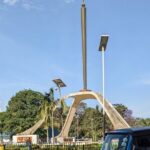
Your first stop is the Arusha Clock Tower Roundabout. This isn’t just a landmark you pass and forget. It’s the kind of place where a city’s layers show up if someone explains them.
Here’s what you’ll learn as you’re standing right by it:
- It’s said to mark the midpoint between Cairo and Cape Town.
- It was erected during British rule in East Africa and connects to the period when goods were auctioned.
- After independence, the meaning shifted. The clock tower became a symbol of freedom and unity, carrying that colonial-era marker into Tanzania’s own story.
Even if the midpoint claim is a bit of legend, the point is clear: the tower represents the way Arusha grew under outside influence and then reinterpreted its identity once Tanzania took control.
Practical tip: this stop is short—about 30 minutes—so if you like photos, take a couple from different angles quickly. The roundabout area is the type of place where your best shot may be the one you take immediately before you move on.
A few more Arusha tours and experiences worth a look



Maasai Market Crafts: Shopping for Beadwork Without Getting Steamrolled
Next up is the Maasai Market, where you’ll spend about 1 hour. This is the stop most people remember because it’s tactile: you’ll see beadwork, textiles, and traditional artwork laid out in stalls.
What I like about having a full hour here:
- You can browse slowly enough to spot quality differences.
- You can talk with artisans without feeling rushed.
- You can decide what’s worth the money rather than buying the first pretty thing you see.
What to look for (based on what’s actually sold there):
- beadwork pieces
- woven textiles
- Maasai jewelry and traditional artwork
A key value point: included admission means you aren’t mentally juggling ticket costs while you’re shopping. That helps you focus on choosing, not calculating.
Practical advice: plan to bargain politely. But do it with your eyes open—compare a few stalls first, then ask questions. If you’re unsure about what materials or designs mean, ask. The best purchases come from understanding the craft a little, not just chasing a price.
Central Market (L. N. S. Fresh & Supply): The City’s Everyday Rhythm
After crafts, you’ll shift to the Central Market area, at L. N. S. Fresh & Supply. This part of the tour is shorter—about 30 minutes—but it changes the feel completely.
Instead of selling souvenirs, this space is about the real daily flow of a market:
- you’ll see fruits and vegetables
- you’ll notice textiles and Maasai jewelry alongside everyday goods
- you’ll get that quick sensory picture of how trade shapes neighborhood life
I like this stop because it balances the craft-shopping moment. Crafts can feel like a curated show. Central markets show the working side of the economy—lively conversations, negotiations, and movement.
Where this stop can disappoint: if you’re hoping for a museum-style explanation of market history, you may feel the time is too brief. It’s a short look. The value is seeing a functioning city market, not reading a long exhibit.
Practical tip: wear comfortable shoes. You’re not walking miles, but markets are uneven and busy enough that you’ll appreciate grip and support.
Culture Heritage Art Museum: Wood, Paint, and Tanzanite-Inspired Art
Your last major stop is the Culture Heritage Art Museum (often called a Culture Heritage Centre). You’ll have about 1 hour here, and admission is included.
What makes the museum part worth your time is that it connects everyday culture to objects you can actually see:
- intricate wood carvings
- vibrant paintings
- Tanzanite-related pieces
- sculptures that reflect local traditions, rituals, and belief systems
Even if you’re not a serious art collector, a guided visit helps you decode what you’re seeing. It turns a pile of beautiful objects into something with meaning—why certain motifs show up, what styles connect to specific traditions, and how materials reflect local identity.
Possible drawback: museums can feel too “slow” if you’re only shopping-minded. If you really want purchases at every stop, budget extra mental space for looking and learning. The pay-off is that you’ll leave with a better sense of what’s behind the crafts you saw earlier.
Price and Logistics: Is $50 Good Value in Arusha?
At $50 per person for about 3 hours, this tour makes sense when you want:
- private transport between stops
- practical guidance so you don’t miss the meaning of key sites
- admission covered for the Maasai Market and the art museum
Included items help the value math:
- private transportation
- drinking water
- admission included at the Maasai Market and the Culture Heritage Art Museum
GST is not included, so depending on your total, the final amount can vary. If you’re comparing offers, ask what the total will be once taxes are applied.
What you’re really paying for isn’t just the driving. It’s the time saved and the context added. Without a guide, you can still visit Arusha landmarks and markets, but you’ll likely spend more time figuring out what matters and how the story connects.
One more logistics note: the tour uses a mobile ticket and starts and ends at the Clocktower Roundabout. That reduces hassle, especially if you’re navigating Arusha for the first time.





The Guide Experience: Friendly Drivers, Real Explanations, and One Red Flag
Most of the feedback you’ll hear around this tour centers on the guide experience. People have praised drivers like Sana and guides like Sam for being passionate about the city, sharing helpful context at each stop, and keeping things comfortable (including a clean vehicle and water).
But let’s be fair: there’s at least one complaint tied to communication and a no-show. That’s not something I’d ignore. If you book, do two simple things:
- keep your confirmation details handy
- message the provider the day before and confirm pickup timing
That doesn’t mean you’ll have problems. It just means you protect yourself in a place where day-of coordination can sometimes be messy.
Who Should Book This Arusha Tour (and Who Might Skip It)?
Book this tour if you:
- want city orientation in a short window
- like learning why places matter, not just photographing them
- enjoy markets but prefer structured time and transport
- appreciate private pacing with your own group only
You might skip it if you:
- expect a full-day itinerary (this is about 3 hours)
- mainly want long museum time or deep historical lectures
- hate any shopping stops, even ones with included admission
Also, this tour is listed as suitable for most travelers. That usually means it’s not overly strenuous, but markets do involve uneven surfaces and some walking, so bring comfortable footwear.
Should You Book This Arusha Tour?
If you’re in Arusha with limited time, this is a solid way to connect the dots. The combination of Clock Tower context, a dedicated hour at the Maasai Market, a look at Central Market daily life, and an art museum visit gives you a balanced sampling of the city’s identity.
I’d book it if you want:
- quick, guided structure
- included admissions where it matters
- a comfortable private ride around central Arusha
I’d slow down before booking if you’re the type who needs rock-solid day-of communication. If you do book, confirm the pickup plan early and keep your messages ready.
Overall: it’s practical, culturally focused, and designed for people who want Arusha to feel understandable fast.
FAQ
How long is the Arusha sightseeing tour?
The duration is about 3 hours.
Where does the tour start and end?
It starts at Clocktower Roundabout in Arusha and ends back at the same meeting point.
Is pickup available?
Yes, pickup is offered.
Is this a private tour or shared group?
It’s a private tour/activity, so only your group participates.
What’s included in the price?
Private transportation and drinking water are included. Admission is included for the Maasai Market and the Culture Heritage Art Museum.
Do I need to pay admission for every stop?
Not for all stops. Admission is listed as free at the Clock Tower Roundabout and the Central Market stop, and included for the Maasai Market and Culture Heritage Art Museum.
Does the price include GST?
No. GST (Goods and Services Tax) is not included.
Is there a mobile ticket?
Yes, mobile ticket is listed.
What are the opening hours?
The listed hours show Saturday from 9:00 AM to 4:00 PM.
What happens if the weather is poor?
This experience requires good weather. If it’s canceled due to poor weather, you’ll be offered a different date or a full refund.
—
If you tell me your travel dates and whether you’re visiting markets for gifts or for photos, I can suggest a smart shopping approach and how to pace the museum time.