REVIEW · ARUSHA
7-Day Great Migration Safari
Book on Viator →Operated by The East African Safari and Touring Company · Bookable on Viator
Seven days, four habitats, one migration chase.
This Northern Tanzania route is a smart way to stack wildlife odds: Tarangire for elephant-rich scenery, then the open plains around Seronera in the Serengeti, ending with an early Ngorongoro Crater game drive. You’ll be on the move a lot, but the payoff is variety in animals, terrain, and driving rhythms.
I especially like the included park fees and meals, which keeps the trip from turning into a constant budgeting exercise. I also like how the schedule builds in flexibility on Serengeti days, so you can choose between picnic-lunch game drives or early/late drives with camp time in between.
The main consideration is the long overland timing between regions. You’ll be in the vehicle for stretches each day, so bring patience (and a few non-alcohol comfort items you like), because that part won’t change.
In This Review
- Key points worth your attention
- Why This 7-Day Northern Circuit Works for Great Migration Timing
- Day 1 Tarangire National Park: Elephants, Swamps, and a Night-Drive Option
- Day 2 Lake Manyara: A Morning Walk and the Rift Valley Lift
- Day 3 Karatu to Serengeti (Seronera): The Big-Plain Arrival Day
- Days 4 and 5 Serengeti: Two Full Days with Real Flex Time
- Day 6 Ngorongoro Conservation Area: Road to the Rim and the Optional Rim Walk
- Day 7 Ngorongoro Crater Floor: Early Descent, Game Viewing, Then Back to Arusha
- Price and Value: What $3,850 Buys You in Real Terms
- Comfort and Logistics You Actually Feel on Safari
- What the Guides Seem to Get Right (and Why You Should Care)
- Who This Safari Fits Best (and Who Might Want a Different Plan)
- Should You Book This 7-Day Great Migration Safari?
- FAQ
- What time does the safari start, and where is the meeting point?
- Are national park fees and meals included?
- Which parks are part of the 7-day route?
- Are there optional extras during the safari?
- Can you accommodate dietary needs, including vegetarian meals?
- Can I cancel and get a full refund?
Key points worth your attention
- Private tour setup: it’s only your group in the safari vehicle, not a mixed crowd.
- Meals and park fees are included: breakfast, lunch, and dinner are covered on the days you’re out in the parks.
- Two dedicated Serengeti exploration days: you get real time in the game-viewing engine room.
- Ngorongoro early start: crater-floor descent happens in the morning, when wildlife activity is often strongest.
- Optional add-ons: night drive in Tarangire and a crater rim walk with an NCCA guide cost extra.
Why This 7-Day Northern Circuit Works for Great Migration Timing
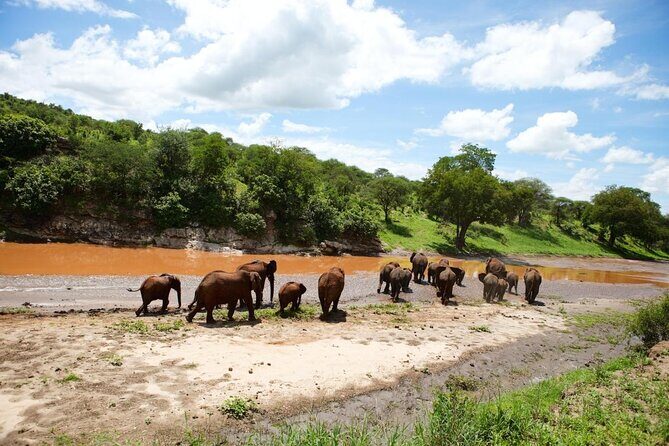
If your goal is the Great Migration, timing matters, and so does geography. This itinerary’s value is that it doesn’t hinge on a single moment. You’ll spend meaningful time in Tarangire, Lake Manyara, and then—most importantly—the Serengeti and Ngorongoro areas that many wildlife seasons funnel through.
What I like about this kind of route is the mix of “species hunting” and “ecosystem hunting.” Tarangire is famous for elephants and distinctive landscapes, while Serengeti is all about spotting predators and big herds across wide visibility. Then Ngorongoro adds a different style of viewing: a confined, crater-floor world where animals can feel close and concentrated.
Also, the experience is designed to run in real life: you’re told the safari operates in all weather conditions and you should dress appropriately. That matters because Tanzania wildlife viewing isn’t a controlled indoor show. It’s out there, and you plan around it.
A few more Arusha tours and experiences worth a look
Day 1 Tarangire National Park: Elephants, Swamps, and a Night-Drive Option
You start the day early out of Arusha, with a picnic lunch packed for your time in Tarangire National Park. The afternoon is built around classic game driving, with a dinner and overnight stop along the way at Boundary Hill Lodge.
Why Tarangire is a great Day 1 fit: it gets you into the rhythm of safari quickly. Even before you reach the Serengeti, you’re already in game-drive mode, scanning for elephants, predators, and the smaller details that make Tanzania feel like Tanzania—birdlife, dust trails, and the telltale movement of herds.
One detail I appreciate is that you’re not forced into one single viewing style. And if you want extra thrill, there’s an optional Night Drive add-on priced at $30 per person (kids $20). Night drives are a gamble in the best sense: you trade a predictable afternoon for the chance at nocturnal activity.
Practical note: since alcohol isn’t included, you’ll likely want to plan for what you want to drink at camp ahead of time. Bottled water is included, which helps you stay comfortable during drives.
Day 2 Lake Manyara: A Morning Walk and the Rift Valley Lift
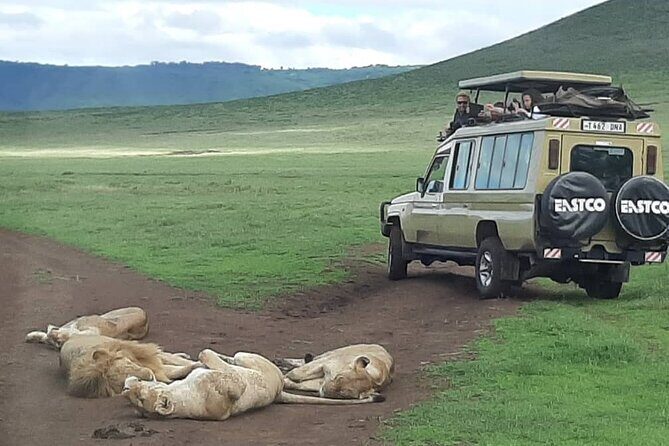
Day 2 shifts from Tarangire to Lake Manyara National Park, and the pace changes in a good way. You start with a morning walk before departing for game viewing with a picnic lunch.
That walking component is more than a checkbox. It’s one of the best ways to reset your senses after a day in a vehicle. You’ll notice tracks, insects, and the slow logic of animal behavior up close. Even if you’re not walking for long, you’re doing something different than just scanning from the seat.
Then you ascend the Great Rift Valley en route to dinner and overnight at Rhotia Valley Lodge. This part matters because it breaks the day into two themes: the lake-and-forest edge experience, then the shift toward highland views and cooler evening air. It’s also a natural way to transition toward the open Serengeti country coming next.
Watch for this consideration: a day like this can feel full even without long drives. Between walking, game driving, and elevation changes, you’ll want to wear layers and bring a hat. Weather can shift fast.
Day 3 Karatu to Serengeti (Seronera): The Big-Plain Arrival Day
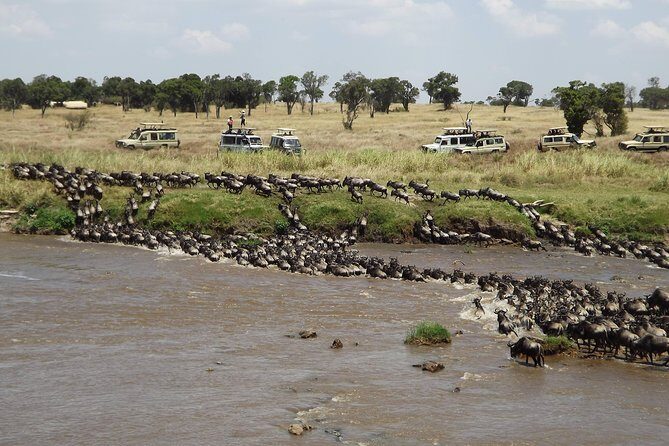
On Day 3, you move from Karatu into Serengeti National Park with a picnic lunch. Game viewing happens along the way, and then you arrive at Seronera for dinner and overnight at Serengeti Pure Luxury Camp.
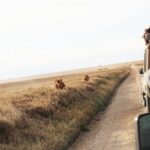
Seronera is a common base for a reason: it’s positioned to give you good access to a wide range of Serengeti viewing zones. The itinerary doesn’t promise one single sighting, but the structure sets you up for the kind of day where you start noticing patterns—where animals travel, where predators wait, and how quickly the landscape can change your odds.
I also like the “arrive, settle, then drive again” rhythm. By the time you’re in your camp, you already have your eyes trained. That makes Day 4 and Day 5 more productive.
Days 4 and 5 Serengeti: Two Full Days with Real Flex Time
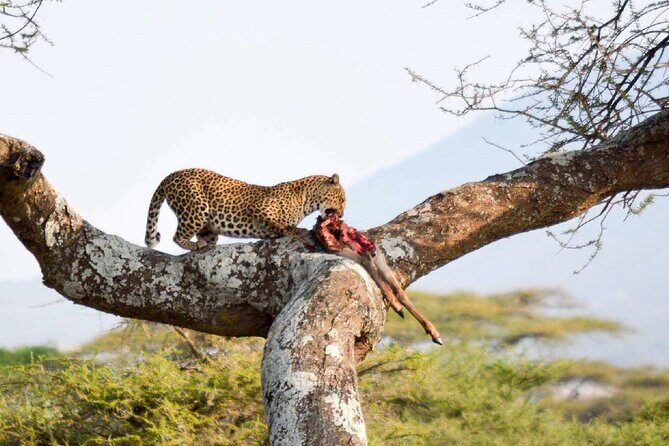
These are the days that matter most for wildlife volume, and you get two full Serengeti exploration days. The plan is flexible: you can choose between a picnic lunch with game drives, or an option that splits viewing into early morning and late afternoon drives, with lunch inside the camp.
That flexibility is practical. Not every day follows the same animal behavior. Some days, you might want to stay out longer and chase sightings. Other days, you might want a break from sun and dust and save your energy for peak activity windows.
Staying in Serengeti Pure Luxury Camp for both nights (Days 3–5) also helps. You’re not constantly packing and repacking mid-safari. It reduces fatigue and helps you focus on the actual viewing.
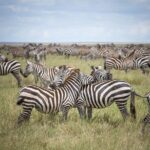
Where the Great Migration angle fits: during migration periods, Serengeti timing can bring you close to the spectacle—herds moving, predators responding, river or crossing drama sometimes showing up depending on season and conditions. This itinerary doesn’t lock you into a single claim, but it gives you enough time in the Serengeti to make a real difference. Two full days is the minimum sweet spot for chasing motion.
Tip for your comfort: dust and sun are part of Serengeti reality. You’ll feel it most on long drives and midday waits. Plan for a light layer for mornings and evenings, and keep sunglasses and sun protection handy.
A few more Arusha tours and experiences worth a look
Day 6 Ngorongoro Conservation Area: Road to the Rim and the Optional Rim Walk
Day 6 is the transition day toward Ngorongoro. You depart for the Ngorongoro Conservation Area with a picnic lunch and game viewing en route, then arrive for dinner and overnight at Ngorongoro Sopa Lodge.
This day’s value is the build-up. You go from open plains thinking to crater-land thinking. The terrain starts to change, and the animal patterns can too. By the time you reach the lodge for the night, you’re mentally ready for the next morning’s big shift: going down onto the crater floor.
There’s also an optional add-on: a Crater Rim walk with an NCCA guide priced at $30 per person and $20 for kids. If you enjoy viewpoint time and want to understand the crater as more than just a drive-through, this is often the kind of extra that makes a morning feel personal.
One consideration: optional walks are active time. If anyone in your group is sensitive to walking or sun, you’ll want to think through what you’ll enjoy most—rim views versus the simplest morning schedule.
Day 7 Ngorongoro Crater Floor: Early Descent, Game Viewing, Then Back to Arusha
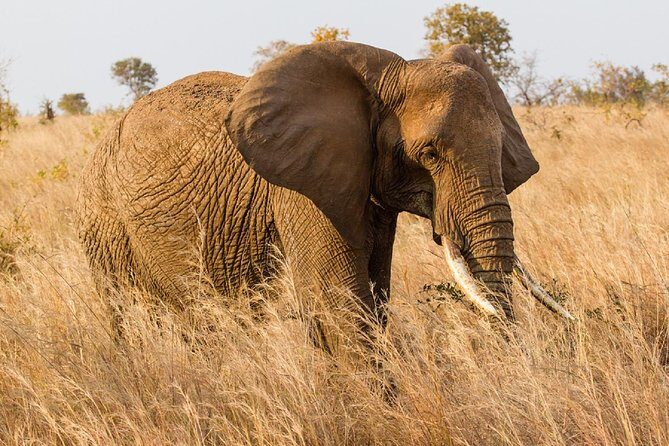
Day 7 starts early with a descent onto the Ngorongoro Crater floor for game viewing. You’ll have a picnic lunch before departing for Arusha, arriving late afternoon. This day is listed as about 6 hours, with the crater entry included.
Why Ngorongoro is such a classic finale: crater-floor viewing compresses the world. The terrain can make animals feel closer and more predictable in their movements. If Serengeti is about scanning wide and reading distance, Ngorongoro is often about watching behavior in a tighter space.
It’s also a satisfying ending because it rewards contrast. You end your safari with an environment that feels different from the plains and rift-country days before it.
Practical pacing note: you’ll likely feel a bit of “post-safari” fatigue after the crater morning and road return. That’s normal. If you’re booking flights the same day, make sure your travel buffer is generous.
Price and Value: What $3,850 Buys You in Real Terms
At $3,850 per person for a roughly week-long safari, you should judge value by what’s included and what’s not, not just by the headline number.
Here’s what stands out as value in the package:
- National park fees are included, which is a big deal on safaris where fees can add up fast.
- Meals are included for the days you’re out in the bush: breakfast (6), lunch (6), dinner (7).
- Bottled water is included, which helps you avoid the little stress of constantly tracking refreshments during long drives.
- Private tour means you’re not sharing game-drive time with strangers, which usually improves guide flexibility and overall comfort.
What’s not included:
- Alcoholic drinks
- Tips
- Visas
- Any food or drink not specifically specified
To me, the strongest argument for this price is the way it reduces decision fatigue. You don’t want to spend your vacation managing the logistics of what’s included every time you stop. When meals and park fees are already handled, you can spend the day watching.
Could you find cheaper safaris? Probably. But cheaper often means fewer included meals, fewer covered costs, and sometimes more compromises on comfort or driving flow. If your priority is a smooth week and less surprise cost, this setup makes sense.
Comfort and Logistics You Actually Feel on Safari
A safari isn’t just animal time. It’s also vehicle time, lodge time, and downtime that either helps you recharge or drains you.
This itinerary lists:
- Pickup offered and start/end back in Arusha
- Mobile ticket
- Operates in all weather conditions with a reminder to dress appropriately
- Vegetarian option available if you request it at booking
- Private tour with only your group participating
From a traveler’s point of view, vegetarian options are a key detail, because safari menus can vary by lodge. If you have specific dietary needs, the tour explicitly asks you to advise them at booking. That’s good practice and something you should do early.
And while the vehicle can’t be silent and still on the road, bottled water included helps you stay comfortable enough to pay attention to sightings instead of comfort-drama.
One more small but real point: the tour mentions it’s near public transportation. That doesn’t automatically matter if you’re doing the full safari pickup, but it can make pre- and post-trip timing easier if you’re combining safari with other plans around Arusha.
What the Guides Seem to Get Right (and Why You Should Care)
A safari lives and dies by the guide’s ability to read the day. In the feedback around this style of safari, names like Wilson, Emmanuel, and Mathieu show up with praise for spotting game and keeping the experience engaging—especially for families with kids. You’ll also see references to people like David (planning and organization), Boniface (noted for arrangements), and Bernard (a first-safari highlight), plus a guide named Fidelis for Francophones.
I’m not going to claim any one driver can guarantee a specific animal, but I will say this: the skill of finding wildlife fast and explaining what you’re seeing changes how you remember the trip. If you care about learning while you watch, you want a guide who can connect animal behavior to habitat.
So when you book, treat guide quality like a priority, not a bonus. Ask questions about how sightings are handled, and don’t be shy about saying you want more time on animal behavior, not just a quick drive-by.
Who This Safari Fits Best (and Who Might Want a Different Plan)
This safari fits you if:
- You want a classic Northern Tanzania arc with Tarangire, Lake Manyara, Serengeti, and Ngorongoro
- You value included park fees and meals
- You like having time for both steady driving and flexible Serengeti pacing
- You’re okay with a few long overland days because variety is part of the thrill
You might reconsider if:
- You get uncomfortable in vehicles for long stretches
- You need a trip with lots of downtime and minimal road time
- You’re looking for only one park with no movement between ecosystems
For families, there’s a positive angle: the optional activities are clearly priced, children must be accompanied by an adult, and the tour structure is designed for most travelers to participate. If you’re traveling with kids, the flexibility in Serengeti can help you avoid overstaying when attention spans fade.
Should You Book This 7-Day Great Migration Safari?
I’d book it if you want a well-rounded safari week that doesn’t make you solve the logistics every day. The combination of two full Serengeti days, an early Ngorongoro floor morning, and included costs like park fees and meals makes it a practical choice for first-timers and repeat visitors alike.
It’s also a good match if the Great Migration is your headline goal but you don’t want to gamble your entire trip on a single day or a single river moment. This route gives you multiple chances to see migration-related action in the broader ecosystem.
If you want the easiest possible week with the least road time, then you might look at a shorter or more region-specific safari. But if your dream includes variety, classic stops, and a finish at Ngorongoro, this one is a strong contender.
FAQ
What time does the safari start, and where is the meeting point?
The experience starts at 8:00 am in Arusha and it ends back at the meeting point in Arusha.
Are national park fees and meals included?
Yes. The price includes national park fees and meals: breakfast (6), lunch (6), and dinner (7), plus bottled water.
Which parks are part of the 7-day route?
You’ll visit Tarangire National Park, Lake Manyara National Park, Serengeti National Park, and the Ngorongoro Conservation Area (including Ngorongoro Crater).
Are there optional extras during the safari?
Yes. There’s an optional night drive in Tarangire for $30 per person (kids $20). There’s also an optional crater rim walk with an NCCA guide for $30 per person (kids $20).
Can you accommodate dietary needs, including vegetarian meals?
Vegetarian options are available. The tour also asks you to advise any specific dietary requirements at time of booking.
Can I cancel and get a full refund?
Yes. You can cancel for a full refund if you cancel at least 24 hours in advance of the experience’s start time. If you cancel less than 24 hours before, the amount paid is not refunded.