REVIEW · ARUSHA
7-Day Group Camping Tarangire/Serengeti/Ngorongoro/lake Manyara
Book on Viator →Operated by MERU SLOPES TOURS AND SAFARIS · Bookable on Viator
Wildlife weeks start like this. This 7-day Tarangire–Serengeti–Ngorongoro safari is built for big animal days, especially during the wildebeest migration season (offered Oct–Dec). I like that the parks lineup hits the major ecosystems you want—elephants, open-plain herds, crater surprises—while keeping you comfortable in an extended 4×4 with a pop-up roof for better viewing. I also like that your meals are handled (7 breakfasts, 7 lunches, 7 dinners) and camping quarters are part of the package, so you are not constantly hunting food. One thing to consider: this is a long-drive, early-start style of safari, and the migration timing can shift year to year, so you’ll need to stay flexible about where the action is that day.
You’ll also appreciate the small-group feel and the fact that pickup and key transfers are included around Arusha (including airport to Arusha transfers). If you get a sharp guide, your day can feel like a game of spotting first—then watching the rest of the world catch up. UNESCO World Heritage areas are on the route too, which adds extra weight to the whole experience beyond just seeing animals.
In This Review
- Key things you’ll notice right away
- Price and logistics: what $1,790 buys you in real safari terms
- Day 1 Tarangire: elephants, baobabs, and a full day of river-life
- Days 2–4 Serengeti: from sunset plains to Mara River drama
- Getting into Serengeti (Day 2)
- The migration-focused mornings (Days 3 and 4)
- Day 5 Serengeti into Ngorongoro (morning then transfer)
- Day 6 Ngorongoro crater: Big Five chances and bird watching on the floor
- Day 7 Lake Manyara: flamingos, hot springs, and climbing tree lions
- Camping life, meals, and how to get the best value from your guide
- Who should book this safari, and who should pause
- Should you book this 7-day Tarangire–Serengeti–Ngorongoro–Manyara safari?
- FAQ
- What parks are included in this 7-day safari?
- When is this safari offered for the wildebeest migration?
- What time does the safari start each day?
- What is included in the price?
- What is not included?
- Can I see the Big Five on this trip?
- What wildlife highlights are mentioned besides the Big Five?
- Does the tour include cultural experiences?
- What is the cancellation policy?
- Is the safari dependent on weather?
Key things you’ll notice right away
- Small-group attention: more time for your guide to focus on what you want to see and answer questions.
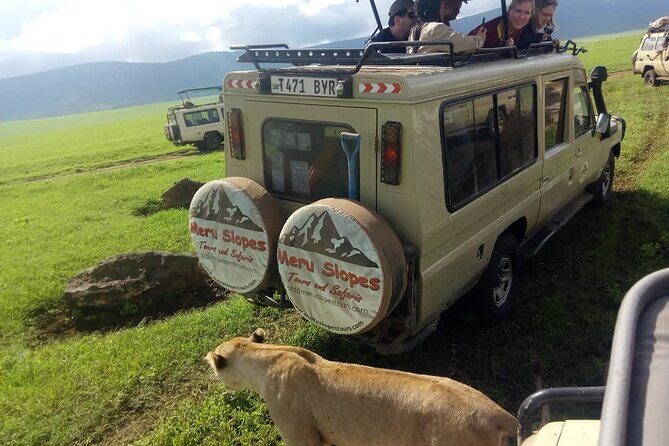
- Pop-up roof 4×4 viewing: standing-height sightlines make a real difference for spotting big cats and herds.
- Camping setup with full meals: 7 breakfasts, 7 lunches, and 7 dinners keep the days moving.
- Serengeti for migration drama: aims for the areas where the wildebeest movement tends to concentrate.
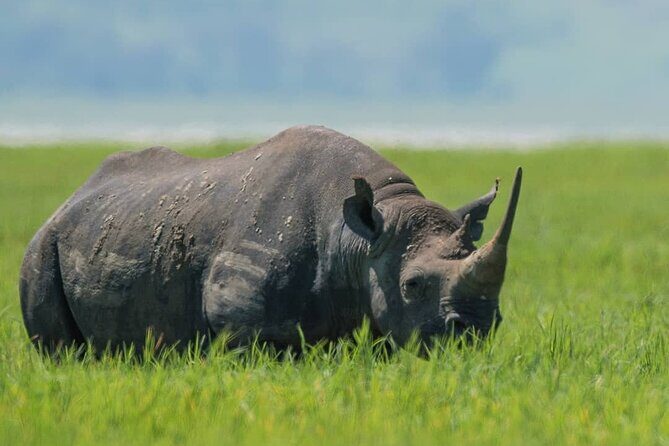
- Ngorongoro crater Big Five odds: crater-floor wildlife density is the whole point here, including black rhino.
- Lake Manyara variety: flamingos, hot springs, and the famous climbing lions.
Price and logistics: what $1,790 buys you in real safari terms
At $1,790 per person for about 7 days, this safari is priced like a mid-range group safari that bundles a lot of the usual add-ons. Here is what matters most for value, not just the total:
- Park fees and taxes are included (the experience lists admission as included/free, and also calls out all fees and taxes in the inclusions).
- You get two Arusha town accommodation nights (night before and after), plus the day-to-day camping/meal coverage during the safari itself.
- Transfers are included: airport to Arusha, plus pickup offered from your Arusha hotel.
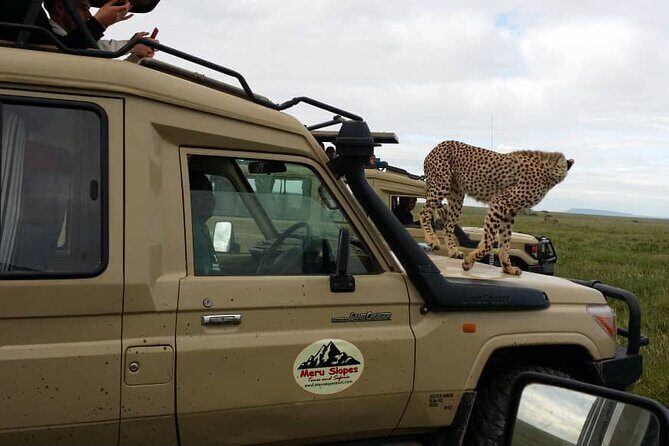
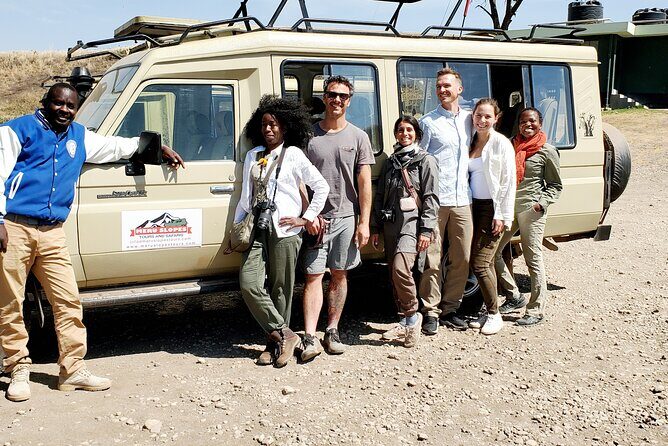
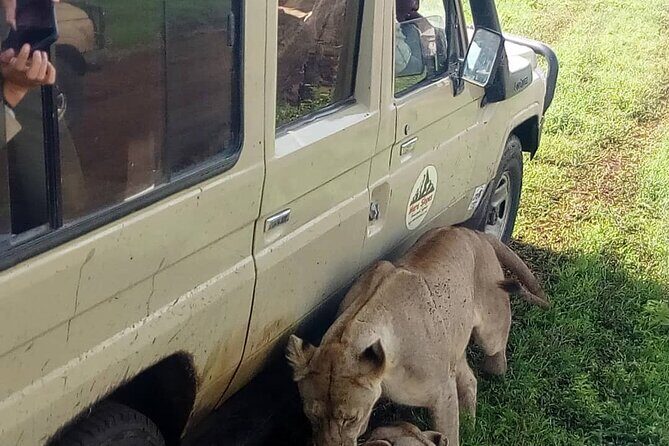
- Transportation is not a tiny vehicle. You are in an extended 4×4 luxury safari jeep with a pop-up roof for game viewing.
What’s not included is straightforward: tips and gratuities for the guide and cook. That’s normal in Tanzania, and if you budget for it up front, you’ll feel calmer when it’s time to thank your team.
One more logistics detail worth noting: the starting time is listed as 7:30 am. The day-by-day plan also mentions pickup around 8:00, so plan for an early morning routine. On safari, that’s not a drawback—it is part of why you’re seeing animals when they are active.
A few more Arusha tours and experiences worth a look
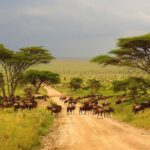
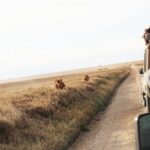
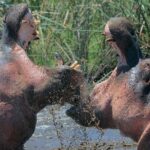
Day 1 Tarangire: elephants, baobabs, and a full day of river-life
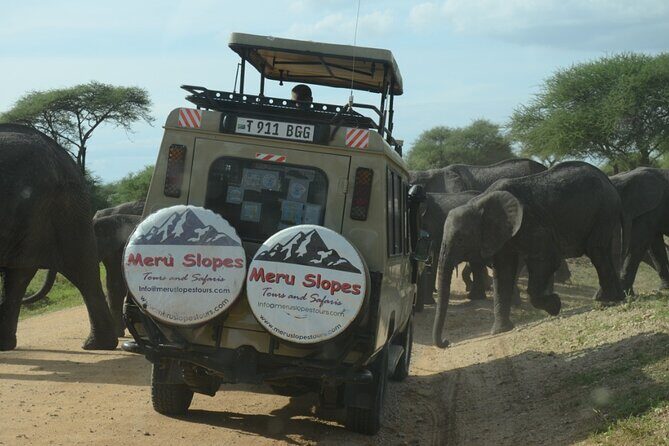
Tarangire is the kind of park that makes you say, wow, Tanzania has range. You drive from Arusha to Tarangire (about 115 km, roughly a 3-hour drive), then you get a full day game drive once you’re in the park.
Tarangire’s name comes from the Tarangire River, and the park’s animal concentration connects to water. That means you spend your day watching how wildlife uses the landscape around the river and in the dry-season pockets.
What to expect in Tarangire, based on what the route emphasizes:
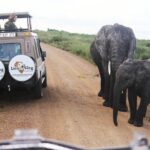
- Elephants are a major draw here.
- Baobab trees show up as big visual landmarks, and they’re more than scenery. They’re also part of the ecosystem where animals gather.
- You may also see pythons and other reptiles depending on conditions.
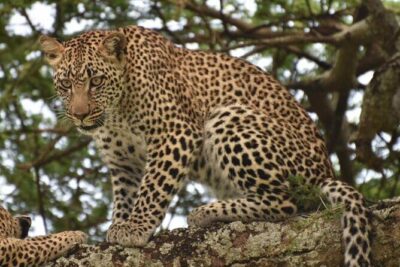
- Lions and leopards are part of the mix, along with other wildlife.
Tarangire can feel less about constant herd movement and more about “big-animal sightings with personality.” You might spot one amazing moment—then get another totally different one later as you move through the park.
Dinner and overnight happen after your first long day of driving, with the schedule referencing Jambo Lodge for dinner and overnight.
Days 2–4 Serengeti: from sunset plains to Mara River drama
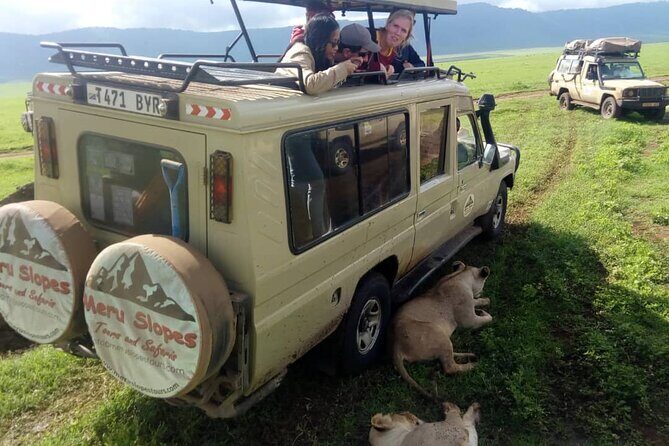
Serengeti is where the safari starts feeling like a movie. You’re not just looking for animals; you’re tracking the logic of movement—where the food is, where the herds are, and what predators are doing in response.
Getting into Serengeti (Day 2)
On the way, you do an en-route game drive with time for the views and the big picture. The route also specifically calls out chances to view the Rift Valley and even glimpses connected to Ngorongoro Crater from the distance. You reach Serengeti around 3 pm, then do an evening game drive in central Serengeti for sunset.
That first evening is underrated. Even if your biggest sightings happen later, the light at dusk helps your eyes adjust to the Serengeti’s scale. Afterward you settle into Seronera campsite for dinner and overnight.
The migration-focused mornings (Days 3 and 4)
Days 3 and 4 are built around early starts because that’s when you have the best chance to find active movement. You get breakfast, then go out for a morning game drive that targets the key zones where the wildebeest tend to be concentrated.
The plan highlights areas like:
- the Mara River flash-points
- the Ndutu Plains
- and the idea that river crossings can happen as the mega herd settles into the region
There’s an important note you should keep in mind: the migration is not a fixed schedule. The route describes it as variable year to year, with the best odds generally tied to June to September for crossings, and mentions that Kogatende crossings start in July as the herds settle. Still, the safari you’re booking is offered in Oct–Dec, so your guide’s job is to find where the migration energy is at that moment.
On these days, expect:
- Game drives that chase movement, not just animals.
- Some days can feel like quiet waiting—then suddenly everything happens at once.
- Predators can look calm and then turn sharp fast, especially when herds bunch up or cross.
Day 5 Serengeti into Ngorongoro (morning then transfer)
Day 5 starts with a very early sunrise moment in Serengeti, followed by a morning game drive and then a return for lunch and packing. After that, the drive continues toward Ngorongoro, with dinner and overnight referenced at Simba campsite.
If you like a mix of big scenes (open plains) and tight drama (crater floor), this split day is a good bridge.
Day 6 Ngorongoro crater: Big Five chances and bird watching on the floor
Ngorongoro Conservation Area is one of those places where the scenery is not the main event—the concentration of wildlife is. You wake around 5:30 am, eat breakfast, then descend to the crater floor for game viewing.
This day has a serious promise in the wording: you can see all Big Five on the crater floor, and it specifically mentions black rhino inside the crater. Black rhino sightings are the kind of thing that makes a safari feel complete, because you’re not just seeing them like a rumor. You’re there in the right place at the right time.
Lunch happens inside the crater while you watch nature and the high density of birds. The schedule also highlights:
- flamingos in large numbers
- plus lots of different bird life overall
Then you get several hours of crater-floor driving before you ascend and move on, passing through the campsite area for packing. The day also includes a walking tour at Mto wa Mbu village, where you can see banana plantations, learn about daily life, and taste local food.
That village stop is a nice counterweight to all the wildlife staring. After days of scanning the savannah, it’s grounding to talk to people and see how agriculture fits the wider region.
Dinner and overnight after the crater are referenced back at Jambo Lodge.
Day 7 Lake Manyara: flamingos, hot springs, and climbing tree lions
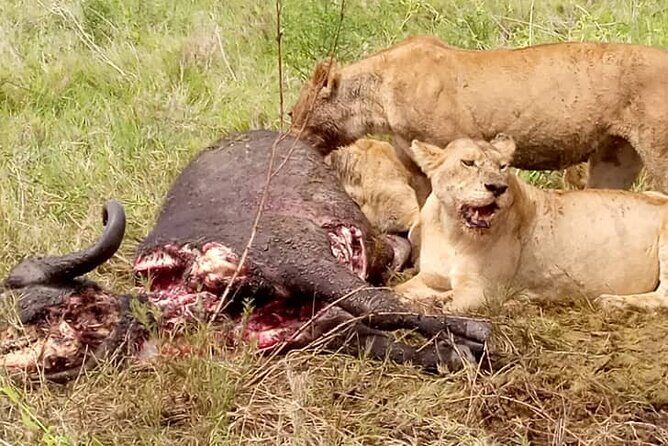
By day 7 you’ve seen the big engines of safari life—now Lake Manyara adds texture.
You head to Lake Manyara for a full day game drive, then add two cultural/nature extras:
- a hot spring visit
- a Maasai boma visit to learn about culture and traditions
Lake Manyara’s standout wildlife mentions:
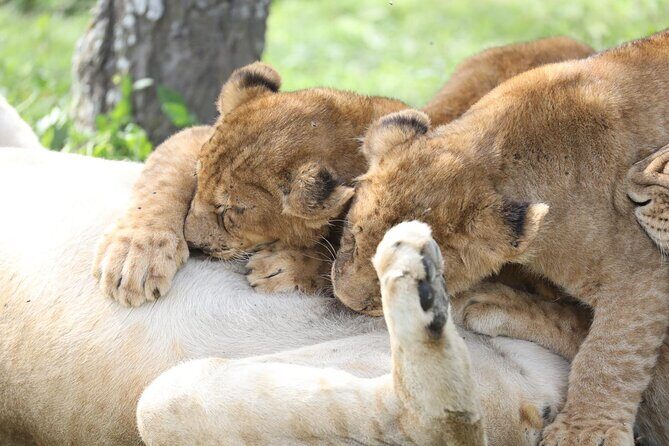
- climbing tree lions (this is the signature you’ll hear about before you ever go)
- lots of flamingos, linked to the algae in the lake
This day can be surprisingly fun because it’s not only about chasing herds. You’re watching for different behaviors—predators in unusual places, birds feeding in groups, and wildlife that feels adapted to this specific corner of Tanzania.
After Lake Manyara, you drive back to Arusha for dinner and overnight.
Camping life, meals, and how to get the best value from your guide
This trip is sold as group camping quarters with all meals included, and that matters. When your food schedule is handled, you stop spending mental energy on logistics and you start paying attention to animals and light.
Here’s what the daily rhythm looks like from the plan:
- Breakfast before morning game drives (including very early starts on multiple days)
- Lunch sometimes on the move (for example, lunch inside the jeep is mentioned on the way into Serengeti)
- Dinner after you reach camp or lodge bases each day
One of the best parts of a safari like this is the teamwork. A good driver is not only about driving well. It’s about spotting early—when an animal is still far away, when you’re entering the right area at the right time, and when to reposition fast without panicking.
The reviews included in your booking history have repeatedly praised specific guides for spotting what mattered and timing the action. Names that come up include Kelvin, Mohamed, Nuru, Jacob, and Fredy. Your experience will vary by person, but the pattern is clear: look for a guide who can read the bush and explain what you’re seeing.
Food matters too. The role of the camp cook is real, not a background detail, and one person described Salim as the stomach engineer, with freshly made meals that supported the long drive days. Even if you don’t get the same chef, the inclusion of meals means you should eat well without carrying the extra burden yourself.
Practical tip for getting the most out of a pop-up roof: keep your camera ready, but also look with your eyes first. Sometimes the first thing you see is shape and movement, not details—and those early seconds are where the magic happens.
Who should book this safari, and who should pause
This is a strong match if:
- you want a wildlife-focused route across Tanzania’s key parks
- you’re interested in the wildebeest migration season and understand it’s variable
- you like the trade-off of camping for more time in parks and included meals
- you appreciate a small group setup where your guide can keep an eye on what you care about
It might be less ideal if:
- you want a fully lodge-based, low-movement comfort style (this plan includes camping quarters and long drives)
- you’re expecting perfectly timed river crossings every day. Even with a migration-season safari, the route itself notes the timing varies year to year.
- you hate early mornings. This plan hits multiple days with very early starts.
Think of it this way: this safari gives you more chances to be in the right place during animal-active hours. If you can handle early starts and the occasional long day of driving, you’ll feel rewarded.
Should you book this 7-day Tarangire–Serengeti–Ngorongoro–Manyara safari?
If your goal is to cover the big Tanzanian wildlife hits without micromanaging meals, tickets, and most logistics, this one makes sense. The value is strongest when you want included park access, included meals, and safari-ready transport—not when you are trying to assemble everything separately.
I’d say book it if you:
- want Tarangire elephants, Serengeti migration possibilities, Ngorongoro crater concentration (including black rhino), and Lake Manyara’s special flavor in one week
- can be flexible about where the migration drama shows up on a given day
- are okay with camping as part of the deal
You might want to shop around or ask more questions if you need guaranteed lodge-only comfort, or if you have zero tolerance for early starts.
FAQ
What parks are included in this 7-day safari?
The safari covers Tarangire National Park, Serengeti National Park, Ngorongoro Conservation Area (crater), and Lake Manyara National Park.
When is this safari offered for the wildebeest migration?
It is offered during the wildebeest migration season from October to December.
What time does the safari start each day?
The meeting/start time is listed as 7:30 am. The itinerary also notes hotel pickup around 8:00 am.
What is included in the price?
The inclusions list all fees and taxes, airport transfers between the international airport and Arusha, an extended 4×4 luxury safari jeep with pop-up roof, two nights’ accommodation in Arusha town (night before and after), and all meals: 7 breakfasts, 7 lunches, and 7 dinners.
What is not included?
The tour does not include tips and gratuities for the safari guide and cook.
Can I see the Big Five on this trip?
The crater day specifically says you can see all Big Five on the Ngorongoro crater floor, and it also mentions black rhino.
What wildlife highlights are mentioned besides the Big Five?
Highlights include elephants in Tarangire, wildebeest migration movement in Serengeti, flamingos in the crater and at Lake Manyara, and climbing tree lions at Lake Manyara.
Does the tour include cultural experiences?
Yes. The plan includes a walking tour in Mto wa Mbu village (with banana plantations and local food tasting) and a visit to a Maasai boma.
What is the cancellation policy?
Cancellation is listed as free, as long as you cancel up to 24 hours in advance for a full refund.
Is the safari dependent on weather?
Yes. The experience requires good weather. If it’s canceled due to poor weather, you’ll be offered a different date or a full refund.