REVIEW · MOSHI
Cycling from Kilimanjaro to Ngorongoro Crater
Book on Viator →Operated by One Bike Tanzania · Bookable on Viator
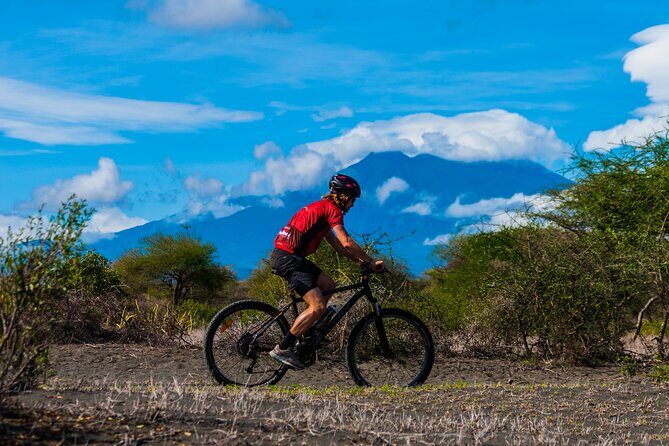
Kilimanjaro to Ngorongoro by bike, no bus tour. This one does the northern circuit in just six days, starting near the base region of Kilimanjaro and finishing at the Ngorongoro Conversation Area gate, with Maasai villages and wildlife corridors on the route.
I love the practical pacing: you ride a mix of tarmac and dirt, and there’s a supporting vehicle there to keep you moving when roads get dusty. Meals and comfortable stops help you recover without playing logistics roulette.
Your biggest consideration is effort, especially the day that climbs the Great Rift Valley escarpment from Lake Manyara up to the top.
In This Review
- Key things to know before you pedal
- A route that links Tanzania’s icons, not just postcards
- Ride reality: what you’ll actually pedal each day
- Day 1: West of Kilimanjaro through Chagga villages into Maasai plains
- Day 2: The long dusty day and Ngasurai elephant country
- Day 3: The longest ride, mostly undulating tarmac
- Day 4: Tarangire–Lake Manyara wildlife corridors and Rift Valley views
- Day 5: Toughest day—Lake Manyara gate up the escarpment, then Karatu to Ngorongoro
- Day 6: Recovery day with a transfer back toward Kilimanjaro
- Wildlife: how to think about sightings on a bike
- Culture you’ll actually pass through (not just look at)
- Where you sleep and how meals help you recover
- Price and value: what $2,820.52 really covers
- Safety and fitness: how to match this trip to your body
- Who should book this, and who should skip it
- Should you book? My honest call
- FAQ
- Where does this tour start and end?
- What time do we start each day?
- Is transportation and a support vehicle included?
- What meals are included?
- Is insurance included?
- Can I add a game drive on the final day?
Key things to know before you pedal
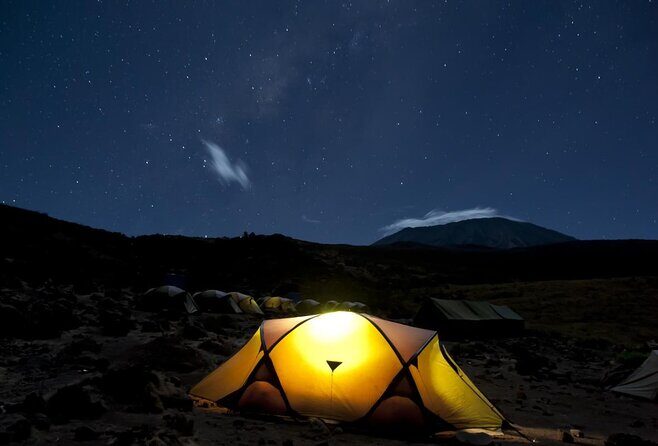
- West-Kilimanjaro start, Rift Valley finish: you’ll see big altitude vibes early, then switch into classic northern circuit scenery.
- Wildlife corridors while you ride: days include routes through areas connecting parks and elephant movement pathways.
- Guide-team tailoring for real bodies: pacing can be adjusted for your fitness and questions on local culture.
- Support vehicle means you don’t have to be superhuman: it’s built for long-distance cycling in uneven conditions.
- Game drive option at Ngorongoro: you can add wildlife viewing on the final day while resting up.
A route that links Tanzania’s icons, not just postcards
This trip is built for people who want more than a single-park visit. You cycle from Moshi, head west of Kilimanjaro through Chagga and Maasai areas, then connect the northern parks’ wildlife zones before ending at Ngorongoro.
What makes it special is the rhythm. You’re not stuck in a vehicle all day. You travel at human speed, so the villages you pass feel like part of the journey, not a quick roadside stop.
You can also read our reviews of more cycling tours in Moshi
Ride reality: what you’ll actually pedal each day
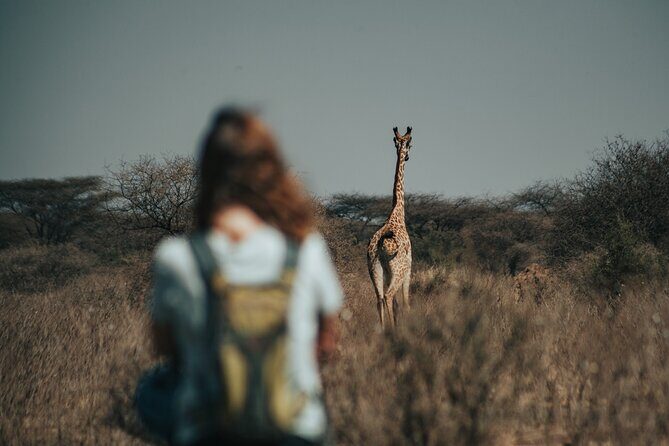
You should expect a real mix: dusty roads, tarmac stretches, and a couple of days that feel longer than they look on paper. The good news is the tour is set up for moderate fitness, and the team can adjust daily effort.
Day 1: West of Kilimanjaro through Chagga villages into Maasai plains
You start at One Bike Shop in Moshi (Mailimoja Rd) around 7:00 am. From there, you cycle toward the west side of Kilimanjaro, catching both nicer paved stretches and dirty gravel as you go.
This day’s vibe is cultural and visual. You pass through Chagga villages and move past banana and coffee plantations, then the vegetation shifts into a more open, arid feel. As the terrain changes, so does the people you meet: Maasai areas show up, and the road feels like it’s taking you into a different Tanzania.
Wildlife can cross your path while you ride small uphills and downhills. You end the day in Ngabobo village for the night, with the support side of the operation handling the heavier transfer logistics.
Consideration: expect uneven riding surfaces. This isn’t a smooth training loop.
Day 2: The long dusty day and Ngasurai elephant country
Day 2 stretches out. It’s described as long and mostly on dirty, dusty road, but without big uphills. That matters because it keeps the day challenging without turning it into an all-out climb.
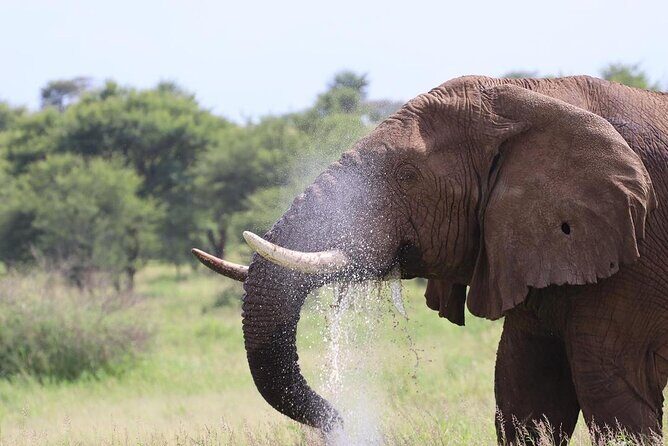
You cycle through Ngasurai open plains, known as a migratory path for wildlife, especially elephants traveling from Amboseli National Park in Kenya. Then the route eases into a more comfortable rhythm when you reach the main tarmac road toward Arusha.
Along the way, you pass villages with a view of Mount Meru in the background. You overnight in a lodge in Arusha.
Why this day is valuable: it’s the “wildlife corridor” feel. You’re riding near movement routes, so sightings are possible without needing to stop every five minutes.
Day 3: The longest ride, mostly undulating tarmac
This is the longest ride of the tour, yet it’s framed as less demanding because much of it is undulating tarmac. That combo is great for people who want distance but don’t want constant steep grinding.
You’ll pass colorful Tanzanian villages and get a sense of everyday life rather than just park boundaries. The day finishes at the border area of Tarangire National Park, where you can rest at Roika Tented Lodge.
The takeaway: this is where you build momentum. If you pace yourself well on Day 2’s dust, Day 3 can feel like a reward—longer ride, calmer effort.
Day 4: Tarangire–Lake Manyara wildlife corridors and Rift Valley views
Day 4 is one of the most photogenic parts of the route. You ride along corridors between Tarangire National Park and Lake Manyara, so the animal movement theme continues—this time with the added context of Maasai traditional settlements.
You also ride along with views of the Great Rift Valley. The day stays mostly on tarmac, then switches to dirt for the last few kilometers toward Migombani camp.
Potential drawback: the last dirt section can be a bit rough after a full day. It’s short, but you’ll feel it in your hands and tires.
Day 5: Toughest day—Lake Manyara gate up the escarpment, then Karatu to Ngorongoro
Day 5 is labeled the toughest and the most rewarding. It starts at the Lake Manyara National Park gate, then moves up to the Great Rift Valley escarpment.
On the way up, you stop for a breathtaking view over Lake Manyara and its surroundings. After that, you cycle through Karatu town, continuing until the end point at the Ngorongoro Conversation Area gate.
From there, you’re transferred to your lodge for rest and a celebration of finishing the challenge.
Why it feels so rewarding: the ride turns from “cycling through places” into “cycling toward the thing everyone came for.” Ending at Ngorongoro’s gate adds a real sense of arrival.
Day 6: Recovery day with a transfer back toward Kilimanjaro
Day 6 is about relaxing. You wait at the lodge while the transfer back to Kilimanjaro airport (or another departure point) happens.
This is also the day you can arrange a game drive. If you want to add extra wildlife viewing, this is where it fits without cutting into your cycling fatigue.
Wildlife: how to think about sightings on a bike
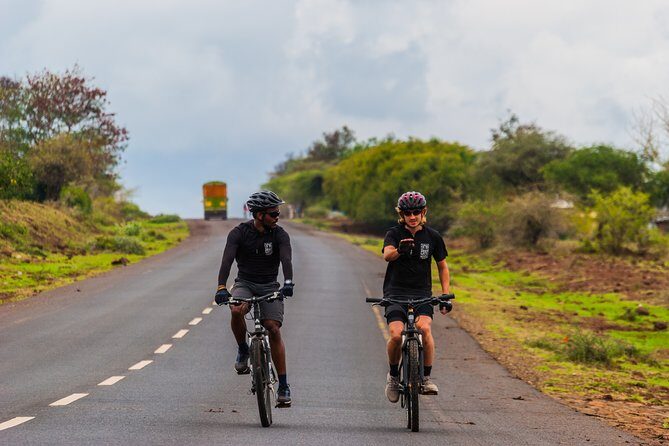
This is not a safari-only package. You’re cycling, so your wildlife experience comes through movement routes and moments, not through hours of guided stops.
That said, the route is built around places where animals travel:
- Ngasurai open plains are described as a migratory path for wildlife, especially elephants coming from Amboseli.
- The ride includes wildlife corridors between Tarangire and Lake Manyara.
- You cross roads where wildlife species may appear during your days of cycling near villages and open areas.
A bike gives you a different kind of wildlife connection. You’re closer to the ground. You’re also quieter than a bus. When an animal shows up, you get more “shared space” feeling and less “watch from a distance” vibe.
Just keep expectations realistic. You’re riding on real roads, not waiting on a timetable for lions to show up.
Culture you’ll actually pass through (not just look at)
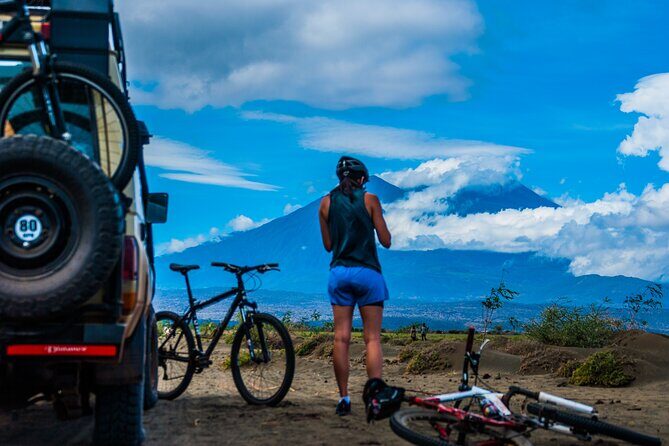
One of the best parts of this route is that culture is part of the travel flow. You move through:
- Chagga villages and farm areas with banana and coffee plantations early on
- Maasai areas as the terrain opens into arid plains
- Maasai traditional settlements around the Tarangire–Manyara connection
- everyday village life as you cycle through Arusha’s broader region and toward Karatu
If you like asking questions, this is the kind of trip where guides can help you read what you’re seeing. One Bike Tanzania’s teams have included guides like Hilary, Goodluck, and Joseph, and the trip is set up for a safe, guided tone with a chance to learn while you ride.
Where you sleep and how meals help you recover
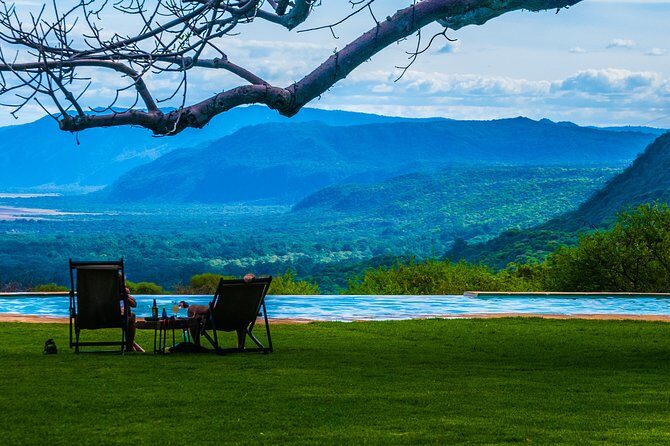
You’re not just “cycling and figuring it out.” Stops are chosen to put you back on your feet.
You’ll overnight in:
- Ngabobo village on Day 1
- a lodge in Arusha on Day 2
- Roika Tented Lodge on Day 3
- Migombani camp on Day 4
- a lodge at Ngorongoro on Day 5
Meals are largely handled for you: dinners (6), lunches (6), and breakfasts (5) are listed as included. That’s a big deal because cycling days mean you need real fuel, and you don’t want to chase food decisions after riding.
Small consideration: breakfast coverage is listed as 5 times while dinners are 6. It’s probably a timing detail based on departure and day count, so it’s worth confirming what happens on the very first or last morning.
Price and value: what $2,820.52 really covers
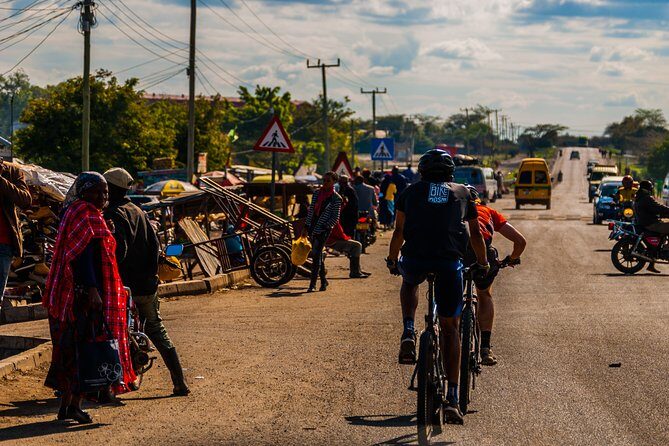
At $2,820.52 per person for about 6 days, this is not a budget cycling trip. You’re paying for a lot of moving parts that are hard to self-organize in northern Tanzania:
- the supporting vehicle
- guided coordination across parks and rural areas
- accommodation across multiple stops (Arusha, Tarangire area, Manyara area, Ngorongoro area)
- and the bulk of meals (dinners, lunches, and most breakfasts)
From a value angle, the best justification is the route itself. You’re linking Kilimanjaro’s base region with Ngorongoro, touching Tarangire and Lake Manyara along the way. Doing that by yourself would mean constant arranging of transport, lodging, and route permissions.
If you’re the kind of person who wants “less planning, more riding,” this price starts to look pretty reasonable. If you’re only after one park and prefer freewheeling schedules, you might find cheaper tours. But this one is built for a specific goal: doing the northern circuit in one connected bike story.
Safety and fitness: how to match this trip to your body
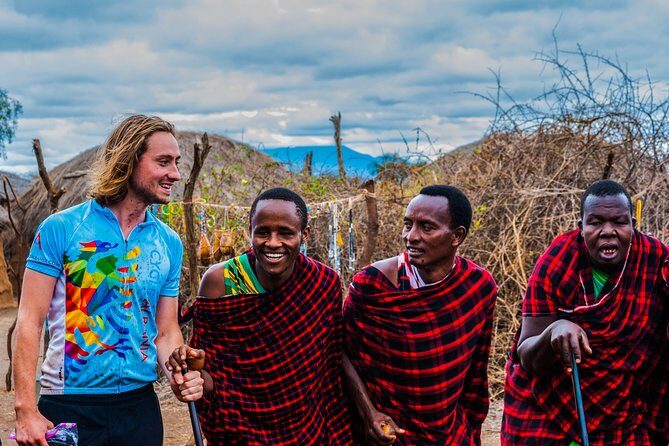
The tour is described as private and geared for moderate physical fitness. That means you don’t need to be an athlete, but you do need comfort riding for long periods and handling dust and uneven surfaces.
The day-by-day effort clues are clear:
- Day 2 is long and dusty, but without big uphills.
- Day 3 is the longest, but mostly undulating tarmac.
- Day 5 is the toughest because of the climb up the Great Rift Valley escarpment.
Group tailoring is part of the operation. People have been on board at different fitness levels, including folks over 55, and the pace can be adjusted based on ability and requests. There’s also a supporting vehicle, which adds a layer of safety and flexibility if conditions change.
My practical advice: train for steady riding endurance, not just climbing. Bring attention to hydration and sun protection, because dusty days can feel longer than expected.
Who should book this, and who should skip it
This tour makes sense if:
- you want a true northern circuit route, not a one-park hit
- you like the idea of cycling through villages and rural farms, not only viewing parks from vehicles
- you want guided support with a vehicle following along
- you’re interested in a possible game drive on the last day at Ngorongoro
You might think twice if:
- you’re not comfortable with long cycling days on dusty roads
- you dislike even occasional steep segments, since Day 5 includes a serious Rift Valley climb
Should you book? My honest call
If your travel style is “see more by moving yourself,” this is a strong pick. You get the connection between Kilimanjaro’s west side and Ngorongoro, plus Tarangire and Lake Manyara, while still having the safety net of a support vehicle and guided pacing. It’s a rare kind of Tanzania trip where biking isn’t just a gimmick—it’s the way the route makes sense.
Book it if you want a guided challenge that still feels organized and human-scaled. Skip it if you only want easy sightseeing with minimal effort.
FAQ
Where does this tour start and end?
It starts at One Bike Shop, Moshi (Mailimoja Rd, Tanzania), and it ends back at the same meeting point.
What time do we start each day?
The start time listed for the experience is 7:00 am.
Is transportation and a support vehicle included?
Yes. The tour includes a supporting vehicle for the cycling journey.
What meals are included?
Dinner is included for 6 days, lunch for 6 days, and breakfast for 5 days.
Is insurance included?
The highlights mention travel insurance for the cycling journey for peace of mind, but the included/excluded list also states that insurance is not included. Confirm the type and coverage before booking.
Can I add a game drive on the final day?
Yes. A game drive can be arranged on the last day (Day 6) while you’re waiting for the transfer.