REVIEW · MOSHI
Climb Mount Kilimanjaro: 7 Days Machame Route
Book on Viator →Operated by All Weather Adventures · Bookable on Viator
Kilimanjaro starts with comfort and logistics. This 7-day Machame Route climb out of Moshi brings a full crew to Machame Gate and camps built with warm sleeping pads plus oxygen monitoring gear.
Two things I like a lot are the airport-to-trek transfers and the camp comfort. You get pickup at Kilimanjaro Airport, transport to your hotel and back, and modern tents with 2-inch sleeping pads to help you actually rest at altitude. The one big consideration: this is still a hard mountain, especially the midnight-to-early-morning summit push.
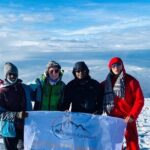
You’re never climbing alone. Expect a guide, cook, and porters organized around your group, plus park formalities handled on the spot at the gate so your first day feels like it has a plan. And when you finally hit Stella Point, the sunrise is the kind of reward that makes the exhaustion make sense.
In This Review
- Key highlights you’ll feel on the mountain
- Why the Machame Route makes sense in 7 days
- The crew and gear: comfort, monitoring, and less stress
- Modern tents and warm pads (sleep is survival)
- Oxygen systems and pulse oximeters
- Portable flush toilets on request
- Food and hot drinks you’ll actually want
- Moshi logistics: getting to the trail and back without headaches
- A realistic day-by-day on the Machame climb
- Day 1: Machame Gate to the rainforest grind
- Day 2: Shira Camp 2 and your first big views
- Day 3: Climb high, sleep low (this is key)
- Day 4: Great Barranco Wall to Karanga Camp (rocky and tiring)
- Day 5: Up to Barafu Camp, with summit angles from many sides
- Day 6: Midnight start to Stella Point and Uhuru Peak sunrise
- Day 7: Down through rainforest to Mweka Gate and your certificate
- Price and value: $3,034, and what it really covers
- Fitness, acclimatization, and what “moderate” really means
- Packing and trail-day reality checks
- Who should book this Machame 7-day trek
- Should you book this Kilimanjaro Machame 7-day climb?
- FAQ
- What time do we meet, and where does the climb start?
- Does the tour include pickup from the airport and transfers in Moshi?
- Are park permits and rescue fees included?
- What sleeping arrangements and comfort items are provided during the trek?
- Is oxygen or altitude monitoring included?
- Are meals included during the trek, and is there a vegetarian option?
- What’s included for the final day at Mweka Gate?
Key highlights you’ll feel on the mountain
- Hassle-free transfers: pickup at Kilimanjaro Airport plus transfers to the trail head and your arranged Moshi hotel
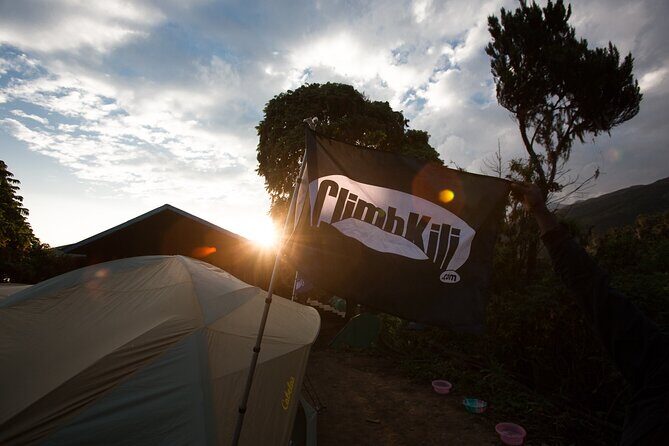
- Modern camp setup: tents and warm sleeping pads (2 inches thick) for better sleep than you might expect
- Real acclimatization rhythm: climb high, sleep lower on crucial altitude days
- Summit day support gear: oxygen systems and pulse oximeters included with the group equipment
- Effort made more manageable: you travel with a guide, cook, and porters, with porters carrying up to 15 kg
- Toilet options: portable flush toilets can be provided for free if you request them
Why the Machame Route makes sense in 7 days
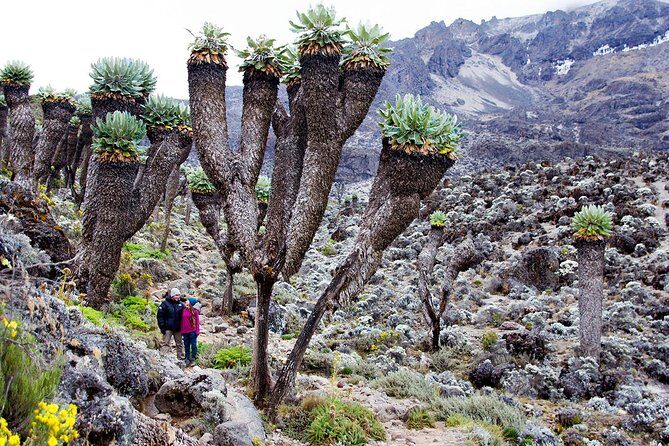
Machame is a classic way to reach Kilimanjaro, and the timing here matters. You start through rainforest, then the air and vegetation gradually change as you gain altitude. That shift isn’t just pretty—it helps your body adjust because you’re not jumping instantly from lowland walking to crater-rim altitude.
You’ll also feel how Machame builds tension. Midway you hit days that feel long and tiring (especially when the trail turns rocky and steep), then you get a structured push toward the summit window. The way this route sets up your high climbs and your nights at camps is designed to support acclimatization, not just maximum mileage.
If your goal is to summit without feeling like you’re constantly racing the calendar, Machame in a 7-day format is one of the more sensible approaches.
A few more Moshi tours and experiences worth a look
The crew and gear: comfort, monitoring, and less stress
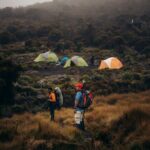
This trek is “supported,” in a practical sense. At Machame Gate you meet the working team: your guide, cook, and porters. The first morning has the usual flurry—porters assembling gear and the group completing park paperwork—but the payoff is that you’re not left guessing what happens next.
Modern tents and warm pads (sleep is survival)
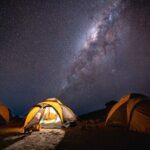
You’ll sleep in modern tents and use warm sleeping pads that are 2 inches thick. That sounds like a small detail until you’re at higher altitude, when everything feels louder and your body wants to recover. Better padding means you can spend less energy fighting cold and more energy preparing for the next climb.
Also note you’re in shared tent setups: each tent is shared with 1–2 other climbers. If you’re the type who hates waking up when someone zips a bag, plan for it. If you’re relaxed and like the group vibe, it’s totally workable.
Oxygen systems and pulse oximeters
The listing includes oxygen systems and pulse oximeters as part of the group equipment. That doesn’t mean you can ignore acclimatization or push through symptoms. What it does mean is you have tools to monitor and respond while you’re at altitude, which adds reassurance when you’re far from hospitals.
Portable flush toilets on request
Camping toilets are often a make-or-break comfort factor. Here, portable flush toilets can be provided for free upon request. If that matters to you (and it usually does at 3,000–4,000m-plus), ask ahead of time so it’s lined up.
Food and hot drinks you’ll actually want
You get meals during the trek: 6 breakfasts, 6 lunches, and 6 dinners, plus bottled water and coffee and/or tea. On summit week, warm drinks and steady fueling help more than people expect. You’re spending hours hiking, and you’ll feel the difference when meals are timed and organized.
Moshi logistics: getting to the trail and back without headaches
Moshi is the jump-off point, and the setup here is built to remove friction. You get pickup at Kilimanjaro International Airport, plus transfer to your hotel in Moshi before the climb. After the trek, there’s return to Kilimanjaro airport and transfers around your arranged hotel stay.
Before you start trekking, you’ll have accommodation with breakfast in a sharing twin room. After the climb, you’ll also have accommodation with breakfast in a sharing twin room. The practical value is simple: you’re not searching for transport or trying to coordinate last-minute arrangements while your body is already under stress.
Meeting time is listed as 8:00 am. If you hate early mornings, good news: the mountain also hates late starts, so you’ll be in rhythm quickly.
A realistic day-by-day on the Machame climb
Below is what your week will feel like, based on the route flow and camp elevations. I’ll also point out where the hard parts usually show up and why certain days matter.
Day 1: Machame Gate to the rainforest grind
Your trek begins at Machame Gate, typically about one hour drive from Moshi. You meet your crew right there—guide, cook, porters—and complete park formalities. Then the walking begins with steady climbing through dense rainforest.
Day 1 is often mentally confusing because the trail is active and alive, but you’re not yet “at altitude hard mode.” Expect sustained effort over several hours (about 6 hours). You’ll likely finish tired but in a good way: the mountain is warming you up.
Day 2: Shira Camp 2 and your first big views
Day 2 transitions you into moorlands and grasslands. The walking becomes relatively steep as you enter the low alpine zone, and you end the day at Shira Camp 2 on a plateau.
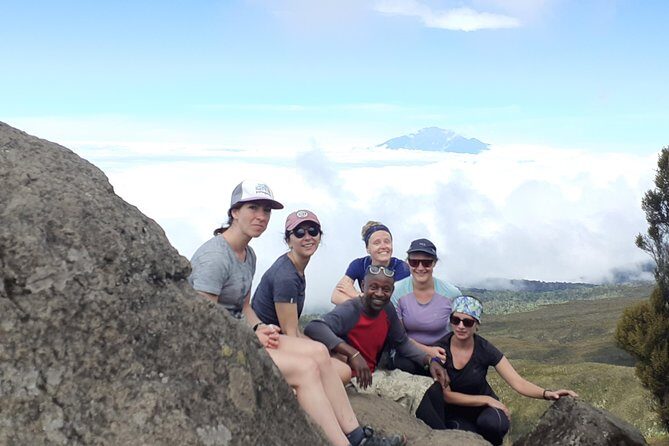
This is where you get your first meaningful views—Kibo to the northwest and Mount Meru to the east. The day is around 5 hours, so it’s not just a slog; it’s also your first chance to realize what you came for.
Day 3: Climb high, sleep low (this is key)
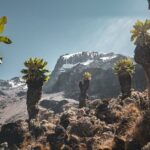
Day 3 runs on high moorland, and you’re at altitude up to about 4,600m. Then you finish the day at an elevation similar to where you started from Shira Camp.
This is the acclimatization concept in action: you climb higher to stress your system enough to adapt, then you sleep a bit lower so your body gets a chance to recover. Even though it can feel like you’re doing “the same altitude again,” this day is one of the most important on the whole trek (about 6 hours).
Day 4: Great Barranco Wall to Karanga Camp (rocky and tiring)
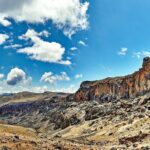
Day 4 starts with a descent into the start of the Great Barranco, a big ravine. Then you exit steeply up the Great Barranco Wall, which divides you from the southeastern slopes of Kibo. It’s described as rock climbing that isn’t technical, but it is long and tiring.
From there you climb up from the Karanga valley to Karanga Camp at 3,963m (about 4 hours). If you’ve been feeling strong so far, this is where you’ll notice fatigue. Take it steady, short steps, and keep your breathing under control.
Day 5: Up to Barafu Camp, with summit angles from many sides
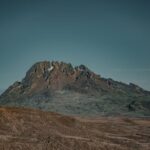
You continue uphill to Barafu Camp. The route describes you as completing the south circuit here, with views of the summit from many different angles. That matters because it turns your goal from an abstract idea into something you can study.
You set camp, rest, enjoy dinner, and prepare for summit day. This day is around 4 hours, but don’t mistake the shorter time for an easy day. Your legs may feel “ready” while your lungs are still catching up.
Day 6: Midnight start to Stella Point and Uhuru Peak sunrise
This is the day you will remember forever. You move early, between midnight and 2:00 am, aiming for the summit between the Rebmann and Ratzel glaciers. You head northwesterly and ascend through heavy scree toward Stella Point on the crater rim.
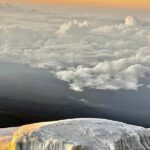
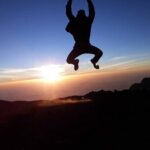
This is described as the most mentally and physically challenging portion. There’s a reason: your body is tired from days of climbing, and the higher you go, the more every step feels heavier. You stop briefly at Stella Point and then wait for one of the best rewards on the mountain: a sunrise that’s said to be magnificent. Faster hikers may reach the summit in time to see it from Uhuru Peak.
From Stella Point, snow may be present up to the final 1-hour ascent to the summit. Once you reach Uhuru Peak, you’re at the highest point on Mount Kilimanjaro and the continent of Africa.
After that, it’s straight into descent—continuing down toward Mweka (this day runs long at about 13 hours). Plan to feel crushed afterward. That’s normal.
Day 7: Down through rainforest to Mweka Gate and your certificate
Final trekking day is a gentle descent through rainforest to Mweka Gate. You complete park formalities, receive certificates, and then continue to an overnight at your arranged Moshi hotel.
This day is listed as around 4 hours. “Gentle” on Kilimanjaro still means legs will complain, but it’s a relief compared with the summit day grind.
Price and value: $3,034, and what it really covers
At $3,034, this is not a budget trek. You’re paying for organization, liability coverage in the form of permits and rescue fees, and a fairly full support system.
Here’s what you do get that helps justify the cost:
- Park permits and rescue fees plus camping fees
- Professional mountain crew organized with experience stated as over 6 years
- Porters: each climber is provided a porter carrying up to 15 kg
- Modern tents and warm sleeping pads
- Oxygen systems and pulse oximeters
- Meals during the trek (6 breakfasts, 6 lunches, 6 dinners)
- Bottled water, plus coffee/tea
- Transfers: airport pickup, hotel transfer, transfer to trail head, and return to airport
- Optional: portable flush toilets on request
What you should budget for separately (listed as not included):
- Personal gear rental
- Guide, cook, and porter day rates are listed as not included (guide $15–$20/day, cook $10–$15/day, porter $8–$10/day)
- International flights and insurance
- A nationality-specific additional charge: 100 per person for US Nationals and $50 per person for other Country Nationals
- Meals/drinks at your Moshi hotel before and after the climb
- Laundry and toiletries
That guide/cook/porter detail is the part you should clarify before paying. The trip includes a crew, but the additional day rates are explicitly listed as not included. So ask what’s covered in your final total and what is meant as on-the-ground payment.
If everything aligns, the value is strong because you’re not just buying a route—you’re buying the logistics that make altitude treks possible for real people, not just trained climbers.
Fitness, acclimatization, and what “moderate” really means
The operator lists “moderate physical fitness” as a baseline, but Kilimanjaro doesn’t do “moderate” politely. You still get steep sections, rocky climbing, and a summit night that starts in the dark and finishes at extreme altitude.
The good news is the route includes acclimatization structure:
- You walk higher then sleep lower on Day 3 to support adaptation
- You build altitude step-by-step via Shira, Barranco, Karanga, and Barafu
- Summit day follows a structured approach through the crater rim area toward Uhuru Peak
Still, set expectations. You’re likely to feel everything: leg burn, breath limits, and the mental work of moving slowly when you want to move faster.
Practical tip: if you’re training, focus on steady endurance and downhill strength. Downhill on day 7 might sound easier, but your knees will still want attention.
Packing and trail-day reality checks
The tour notes personal gear rental isn’t included, so if you need boots, poles, or cold-weather layers, factor in rental or bring your own. Also remember you’re sharing tents, so you’ll want a pack strategy that keeps essentials easy to access.
A key comfort detail: porters carry up to 15 kg for you. That can reduce strain and make it easier to keep a steady pace. You’ll still hike with a day pack, but the heavy stuff is handled by the team.
Don’t forget the small health items too. Even though a first aid kit is included, you should bring your own personal medications and basic hygiene items since toiletries aren’t included.
Who should book this Machame 7-day trek
This plan is a good fit if:
- You want a supported climb with a guide, cook, and porters, not a do-it-yourself adventure
- You care about sleep quality, especially with modern tents and warm 2-inch pads
- You want oxygen monitoring tools included (oxygen systems and pulse oximeters)
- You’re ready for the physical challenge of Machame, including the long summit day
If you hate cold camping or you need guaranteed privacy in tents, you may want to think twice, since tent sharing is built into this format.
Should you book this Kilimanjaro Machame 7-day climb?
If you want Kilimanjaro with fewer logistics headaches, this is a strong choice. The combination of airport transfers, crew support, and camp comfort (modern tents plus warm pads) is exactly what helps most people focus on the mountain instead of on problems.
I’d say book it if your goal is a structured climb to Uhuru Peak where the route supports acclimatization and the operator brings monitoring gear like pulse oximeters. I’d double-check the additional day rates for guide/cook/porter and the nationality-specific extra charge so the final budget feels clear.
FAQ
What time do we meet, and where does the climb start?
You meet at the start time of 8:00 am, and the trek begins at Machame Gate, which is about a one-hour drive from Moshi.
Does the tour include pickup from the airport and transfers in Moshi?
Yes. You get pickup at Kilimanjaro International Airport, transfers to the hotel in Moshi before the climb, transfer to the trail head, and return to the airport after the trek.
Are park permits and rescue fees included?
Yes. Kilimanjaro National Park permits and Kilimanjaro National Park rescue fees are listed as included.
What sleeping arrangements and comfort items are provided during the trek?
You sleep in modern tents and use warm sleeping pads that are 2 inches thick. Tents are shared with 1–2 other climbers.
Is oxygen or altitude monitoring included?
Yes. The group equipment includes oxygen systems and pulse oximeters.
Are meals included during the trek, and is there a vegetarian option?
Yes. Meals during the climb include 6 breakfasts, 6 lunches, and 6 dinners. A vegetarian option is available if you advise at booking.
What’s included for the final day at Mweka Gate?
On the last day you trek down through rainforest to Mweka Gate, complete park formalities, and receive certificates, then you continue to your arranged hotel overnight.