REVIEW · ARUSHA
Arusha: Cultural Heritage, Tanzanite Tour
Book on GetYourGuide →Operated by Uhuru Adventures · Bookable on GetYourGuide
That first stop changes the whole day. You’ll mix African art with real tanzanite know-how in Arusha, then end by meeting makers at a local foundation that turns recycled materials into everyday items. I love how the tour teaches you what you’re looking at, not just where to look, and I also like the gift-shopping angle—because the crafts feel personal, not mass-made. One thing to consider: this is a structured, three-stop day, so if you want long, free wandering time, you may feel the schedule is a bit tight.
The highlight for me is the guide’s friendly, human style. You’ll be in English or Swahili, and the vibe is practical: learn, ask, and then move on. If you’re hoping for lots of time at Tanzanite jewelry counters, you should know the gemstone part is mainly educational, with shopping only as a side benefit.
Finally, come ready to photograph. Bring your camera, because the Cultural Heritage Centre galleries and the craft displays are the kind of scenes you’ll want to keep.
In This Review
- Key things I’d circle on your Arusha plan
- Entering Arusha’s Cultural Heritage Centre: art you can actually read
- African masks, sculptures, and artifacts: the kind of “what am I looking at?” help that matters
- The Tanzanite lesson: what makes a Tanzanian gemstone worth your attention
- Jewelry shopping that doesn’t feel random
- A disability-focused foundation: creativity, recycled materials, and real people
- Price and value: why $29 can work if you want culture plus impact
- What to bring and what to do with your time
- Who this Arusha tour is best for (and who should skip it)
- Should you book Uhuru Adventures’ Cultural Heritage and Tanzanite tour?
- FAQ
- What is the price of the Arusha Cultural Heritage, Tanzanite Tour?
- Where does the tour take place?
- What are the main stops on the tour?
- Is the Tanzanite part educational?
- What kinds of art do you see at the Cultural Heritage Centre?
- What does the local foundation make?
- Are entry fees included?
- What is included besides the visits?
- What languages is the tour offered in?
- What should I bring?
- What’s the reservation and payment approach?
- What is the cancellation policy?
Key things I’d circle on your Arusha plan

- Cultural Heritage Centre galleries focused on African art across styles and time periods
- Tanzanite specialist talk on how the stone is mined, processed, and turned into jewelry
- African artists and unique gift ideas tied to what you learn during the tour
- A local foundation visit where people with disabilities create handcrafted items from recycled materials
- Hotel pickup and drop-off in Arusha plus refreshments, so you’re not coordinating transport yourself
Entering Arusha’s Cultural Heritage Centre: art you can actually read

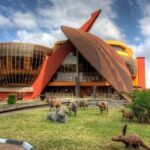
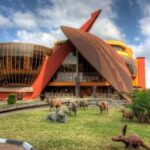
Arusha isn’t only a gateway town. This tour treats it like a place with its own creative pulse. You start at the Cultural Heritage Centre, which is known for a well-organized look at African art, presented in a way that helps you connect pieces to culture and craft.
I like this first stop because it doesn’t feel random. The galleries include both contemporary and traditional works, so you get a sense of continuity without turning it into a museum lecture. You’ll see sculptures, masks, paintings, and artifacts, which is great if your taste runs wide—from carved figures to painted scenes.
The building itself helps. It’s set up so you can stroll through and take things in at your own speed. You’ll also have a guide to help translate context, which matters because African art often carries meaning beyond style.
One consideration: if you’re in a hurry and just want photos, you might miss the payoff. The value here is in slowing down enough to understand what you’re seeing.
You can also read our reviews of more historical tours in Arusha

African masks, sculptures, and artifacts: the kind of “what am I looking at?” help that matters

Art stops can go two ways: you either wander confused, or you wander inspired. This one leans toward inspired, because the tour framework gives you a lens.
As you move through the centre’s galleries, pay attention to the different categories. Masks and sculptures tend to show strong visual symbolism—shape, texture, and form doing the communicating. Paintings can feel more direct, but they still often reflect cultural themes, daily life, or belief systems.
Here’s what I’d do to get the most out of it: ask your guide what to notice in each room. If you’re shopping later, that early “reading” helps you buy smarter. A good piece of art is easy to recognize, but it’s easier to appreciate when you know why it was made the way it was.
Also, don’t skip the artifacts. Even if you don’t know the technical details, artifacts give you a bridge from the museum-like pieces to everyday cultural objects. It’s the difference between looking at art and understanding how people live with art.
And yes, this is also a photo-friendly stop. Bring your camera and plan to take more than one shot per room. Lighting and angles shift how a mask or carving feels in a photo.
The Tanzanite lesson: what makes a Tanzanian gemstone worth your attention

Then you shift from art to science, and that switch is part of the charm. Tanzanite is one of the world’s rarest gemstones, and it’s found only in Tanzania—so when the tour moves into this section, it stops being generic jewelry talk and becomes a very specific story about place.
A specialist guides you through the Tanzanite journey: how it’s mined, how it’s processed, and how it becomes jewelry. That flow matters. If you only hear about the finished ring or pendant, you miss why the stone has its reputation and what makes it tricky and valuable.
I like that the guide connects the gemstone to both scientific and cultural angles. Scientifically, you learn what happens before you ever hold a finished piece. Culturally, you get why this stone carries weight locally—because it isn’t just a product. It’s tied to Tanzania’s identity as a source.
What to do during this part: watch how you’re shown the steps, then ask what questions you should ask when you see Tanzanite for sale afterward. Even if you don’t buy, this is the best way to shop with confidence later, because you know what process and quality cues should mean.
One drawback to note: if you’re mainly chasing Tanzanite shopping deals, this section can feel more like an education stop than a jewelry market detour. That’s also why it’s good—your purchases are less impulsive and more informed.
Jewelry shopping that doesn’t feel random

The tour is good for people who like a balance: learn first, then buy with intention. After you understand how Tanzanite is processed, it’s easier to appreciate what you’re seeing in jewelry displays.
If you’re looking for a gift, this is the kind of trip where you can justify the buy. A Tanzanite item can be meaningful because you understand the stone’s rarity and the steps behind it. That turns a souvenir into something you actually understand.
I also recommend you treat Tanzanite as a conversation starter, not only a purchase. Use what you learned to ask questions about what you’re being shown. If you do buy, you’ll feel more in control.
If you’re not buying, that’s fine too. The Tanzanite section still adds a lot to the day because it gives you a Tanzania-specific gemstone story that you can carry home.
A disability-focused foundation: creativity, recycled materials, and real people

The last stop is where the tour grows beyond sightseeing. You visit a local foundation where individuals with disabilities create handcrafted items using recycled materials. You don’t just see finished products—you get to meet artists and hear their stories.
This matters because it changes your role from consumer to witness. You’re watching work that’s both creative and practical, built around sustainability. The items made here include jewelry, blankets, and household items, so the craft range feels broad enough to suit different tastes.
I love the way this ties sustainability to everyday skills. Recycled materials aren’t presented as a trend. They’re presented as raw input turned into something useful and beautiful. That’s a lesson you can carry into how you think about value and responsible consumption.
And meeting the artists is the part you’ll remember. It turns the foundation into more than a stop on a route. You leave with names attached to work and with a stronger sense of why those products exist.
One consideration: this is an emotional, human stop. If you prefer purely light entertainment, you may find it more intense than the art galleries or gemstone section. But if you enjoy meaningful travel, it’s the heart of the day.




Price and value: why $29 can work if you want culture plus impact

At $29 per person, the pricing feels built for value. The tour includes hotel pick-up and drop-off in Arusha, all entry fees, and refreshments. That combo matters because it prevents the usual hidden costs that pop up when you mix museums, attractions, and shopping stops on your own.
It also matters because the time saved is real. You’re not arranging transport between three different experiences. A guided format also means you’re getting context—especially for the Tanzanite education and the art explanations.
Here’s the practical value math: if you’ve been paying separate entry fees and struggling to fit everything into a single day, this kind of package can be a deal. And if you’re someone who likes to shop for gifts, the Tanzanite and craft stops are built into the flow, not added as optional side quests.
Would I call it luxury? No. You’re paying for a focused day with access, guidance, and included touches like refreshments. For many people, that’s exactly what they want in Arusha.
What to bring and what to do with your time
The tour information is simple: bring a camera. Do that, and also plan to bring curiosity.
Here are a few smart moves:
- Take photos, but also pause and look. Photos are easy. Understanding takes a moment.
- Ask questions during the Tanzanite section. It’s guided by a specialist, so use that access.
- If you’re buying gifts, buy after you’ve learned. Your art and gemstone knowledge will sharpen your choices.
- During the foundation visit, treat the meeting as part of the experience, not a quick photo moment.
Also note the language options. You’ll be guided in English or Swahili, which helps if you want clarity without guessing.
If you’re short on time in Arusha, this tour still makes sense because it’s structured. You hit major themes—art, gemstone education, and community craft—without needing to build a plan from scratch.
Who this Arusha tour is best for (and who should skip it)

This tour is a strong fit if you:
- Love African art and want a guided walk through sculptures, masks, paintings, and artifacts
- Want a Tanzania-specific gemstone lesson, not just jewelry browsing
- Like gift shopping when the story behind the item is part of the value
- Care about community impact and want to meet artists making products with recycled materials
You might skip it if you:
- Want lots of free time and minimal structure
- Prefer only entertainment or only shopping and don’t want the educational parts
- Dislike tours that include a more human, emotional community-focused stop
In other words: if you enjoy learning and meeting people, you’ll likely enjoy this day a lot.
Should you book Uhuru Adventures’ Cultural Heritage and Tanzanite tour?

I’d book it if you want an Arusha day that feels purposeful. This isn’t just a quick photo circuit. You start with art that rewards attention, you learn Tanzanite from a specialist, and you end with a visit that shows creativity tied to sustainability and disability-led craftsmanship.
The price is also hard to argue with for what’s included: pick-up and drop-off, entry fees covered, refreshments included, and guidance through three connected experiences. And from what you can expect in the guide style—friendly, informative, and genuinely helpful—that combination is the difference between a “nice day” and a “good day with lasting details.”
If you want culture plus Tanzanite education plus a community stop, this is a sensible choice.
FAQ
What is the price of the Arusha Cultural Heritage, Tanzanite Tour?
The price is $29 per person.
Where does the tour take place?
The tour takes place in Arusha, Tanzania, with hotel pick-up and drop-off in Arusha.
What are the main stops on the tour?
You’ll visit the Cultural Heritage Centre, learn about Tanzanite with a specialist, and then visit a local foundation that supports individuals with disabilities.
Is the Tanzanite part educational?
Yes. You’ll learn how Tanzanite is mined, processed, and transformed into jewelry, with guidance from a specialist.
What kinds of art do you see at the Cultural Heritage Centre?
You can expect sculptures, masks, paintings, and artifacts, plus contemporary and traditional African art.
What does the local foundation make?
The foundation’s artists create handcrafted items using recycled materials, including jewelry, blankets, and household items.
Are entry fees included?
Yes. All entry fees are included.
What is included besides the visits?
Hotel pick-up and drop-off in Arusha, all entry fees, and refreshments are included.
What languages is the tour offered in?
The tour is offered in English and Swahili.
What should I bring?
Bring a camera.
What’s the reservation and payment approach?
You can reserve & pay later, which means you can book your spot and pay nothing today.
What is the cancellation policy?
You can cancel up to 24 hours in advance for a full refund.