REVIEW · ARUSHA
3 days Tarangire, Ngorongoro & Lake Manyara package
Book on Viator →Operated by Moorland Safari and Trekking · Bookable on Viator
Elephants and crater magic in three days. This compact Northern Circuit route balances big wildlife moments with breathing room at camp, so your safari doesn’t feel like an endless squeeze between checkpoints. I also love how the plan stacks three different habitats back to back, so you’re not just repeating the same scenery or the same animal types.
Two things I particularly like: Tarangire is timed with a strong wildlife window (elephants, cats, and lots of bird life), and Ngorongoro Crater is the real payoff because the terrain helps you spot animals without hunting for them all day. One possible drawback: you’ll still be in the vehicle for long stretches, and early starts are part of the deal—so bring patience (and snacks for the ride).
If you want a well-run safari with a small group, this one fits. It’s built for comfort where it matters—pickup from Arusha, campsite nights, and admission tickets included—while keeping the wildlife search front and center.
In This Review
- Key highlights to know before you go
- The route: Tarangire, Ngorongoro, and Lake Manyara in 3 days
- Tarangire National Park: baobabs, elephants, and bird-heavy drives
- Lake Manyara: flamingoes, hippos, hot springs, and the tree-lion hunt
- Ngorongoro Crater: why this is the highlight stop
- Camp life and meals: what makes the trip feel calm
- Group size and timing: why it matters for wildlife
- Price and value: is $779 a fair deal?
- Practical tips so you get more from every day
- Who should book this safari package?
- Should you book Moorland Safari and Trekking for this 3-day circuit?
- FAQ
- How long is the safari package?
- What time does the tour start in Arusha?
- Where does the tour start and end?
- Does the price include park admission tickets?
- Is pickup offered?
- How many people are in the group?
- What nights and meals are included?
- What cancellation flexibility is offered?
Key highlights to know before you go
- Tarangire’s elephant power alongside baobab scenery and strong bird watching
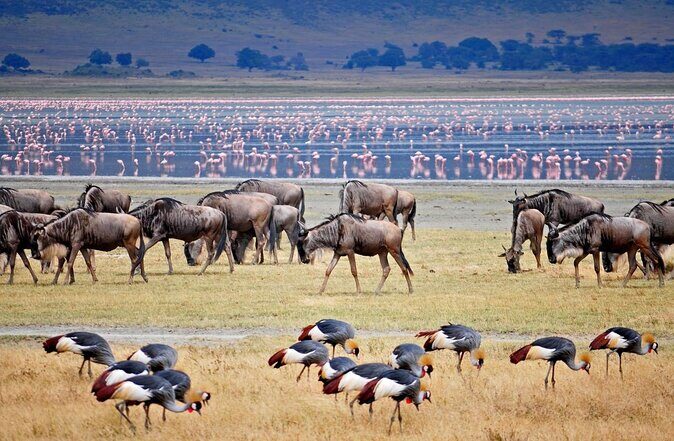
- Ngorongoro’s crater floor viewing where lots of species share one concentrated space
- Lake Manyara’s flamingoes plus a real chance at seeing tree-climbing lions
- Hippo pool focus and hot springs as part of the Manyara experience (timing depends on conditions)
- Small group size with a maximum of 6 travelers for a less hectic day
The route: Tarangire, Ngorongoro, and Lake Manyara in 3 days
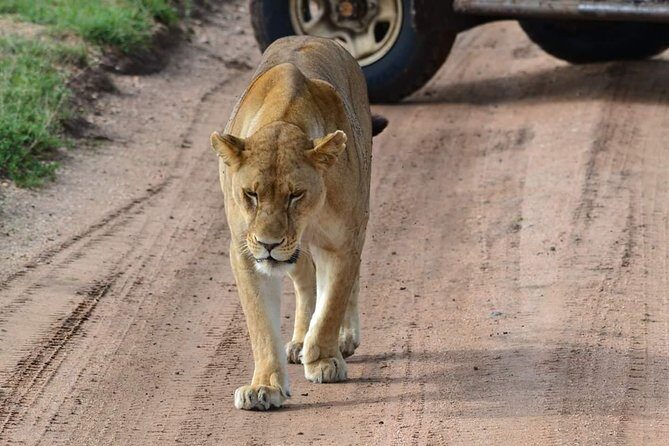
This safari is a classic Northern Circuit sweep, but it’s designed with a calmer rhythm than the super-rushed versions. You start in Arusha at 7:30 am, and each day includes a solid wildlife block (about 6 hours each day, with admission included). Between drives, you get meals and downtime—pool time at camp on the first day, and campsite overnights that make it easier to reset.
What makes this route work well is the way it rotates habitats:
- Tarangire gives you elephants, baobabs, and bird life in an open landscape.
- Ngorongoro Crater compresses the wildlife drama into one natural amphitheater.
- Lake Manyara shifts gears toward birds, flamingoes, and the special-lure idea of tree-climbing lions.
If you only have a short window in northern Tanzania, this is an efficient way to hit three of the most “talked about” parks without turning your trip into a moving van.
A few more Arusha tours and experiences worth a look

Tarangire National Park: baobabs, elephants, and bird-heavy drives
Tarangire is famous for elephants, and that reputation isn’t just marketing fluff. The park has the kind of setting where wildlife feels believable: rolling ground dotted with baobab trees and the presence of the Tarangire River, which helps keep the area lively. It’s also one of those places where birds show up in numbers, so even if your priority is mammals, you get extra rewards when you look up.
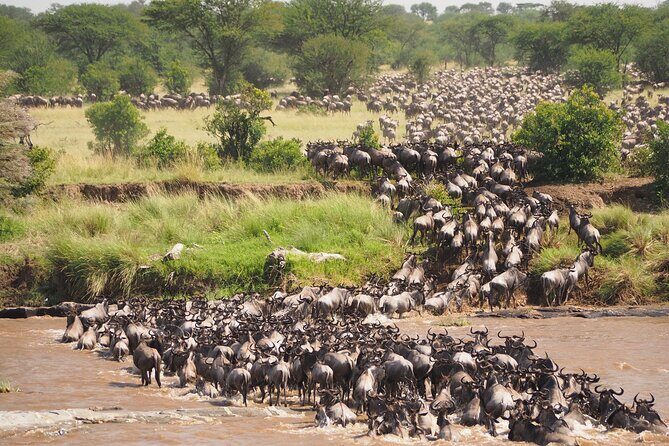
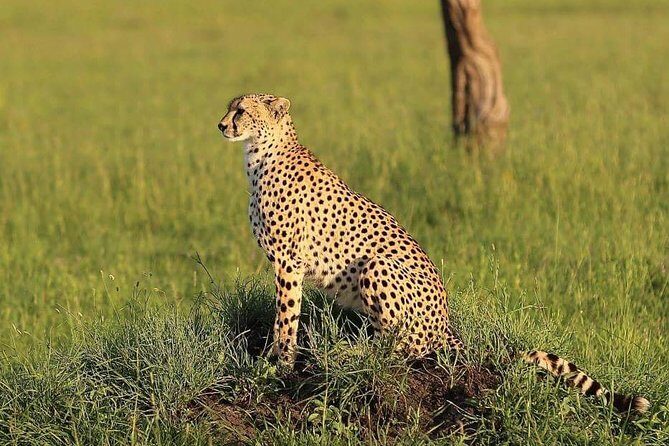
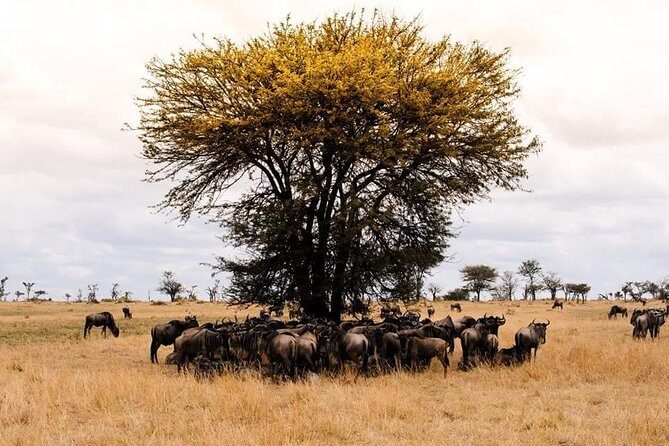
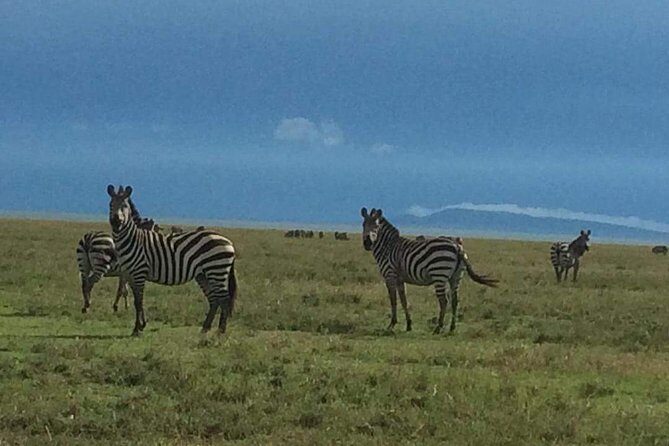
A strong start matters here. You head into Tarangire in the morning, when animals often feel more active and you’re more likely to catch them at water sources and open feeding areas. The goal is to spot elephants in large groups, plus the full cast of typical savanna life—zebras, impalas, warthogs, wildebeest, and buffaloes. The route also aims for predators and wild cats, though of course you can’t force nature to perform on schedule.
Then comes the part I like: after lunch back at your camp/lodge, you’re not immediately thrown back into another long drive. You get time to relax by the pool or in your tents before the next game drive. That break isn’t a luxury—it’s what keeps a short safari from feeling punishing.
Watch for: Elephant herds moving toward water, and the way baobab “clusters” can act like navigation points for where animals tend to gather.
Timing tip: If you’re the type who likes photos, Tarangire mornings can be especially forgiving for lighting and animal positioning, because you’re not starting after the sun is fully high.
Lake Manyara: flamingoes, hippos, hot springs, and the tree-lion hunt
Lake Manyara is a smaller park than some of its neighbors, and that’s good news when you’re trying to fit everything into a short trip. You spend a day here that blends scenery with wildlife, and it has two big draws: birds and the chance at tree-climbing lions.
The flamingoes are the headline for many people, and when they’re visible, it can feel like the lake turns into a moving art project. Pink birds are a treat, but don’t ignore what happens around the shoreline—this is also where you may spot hippos, and the park visits often include a hippo pool stop for closer views.
Another detail I’m glad is built in: the Manyara day can include hot springs. That’s not just a fun side quest. It gives you a break from constant scanning and lets you experience the place in a more grounded, human scale—warm water, steamy air, and a different rhythm than pure game viewing.
Then there’s the “quest” element: tree-climbing lions. This is one of those things you can’t guarantee, since it depends on time of day and animal behavior, but the hunt is part of why this park remains famous. Your guide will keep an eye on clues and habitats that match the lions’ habits, and you’ll feel the focus shift as the day goes on.
What to expect realistically:
You’ll be balancing bird viewing and wildlife searching in a relatively tight day window. If the lion sightings don’t happen, you still have flamingoes and hippos (and plenty of other savanna animals) to keep things full.
Ngorongoro Crater: why this is the highlight stop
Ngorongoro Crater is the “how did nature do this” moment. You start on the rim and descend about 2,000 feet into the caldera of an extinct volcano. That change in elevation does two things for your safari: it creates a dramatic setting and it helps concentrate animals in a way that’s easier to manage—especially on a short multi-park trip.
The crater floor is where you get the best shot at multiple species in a single viewing area. Your day is structured around game viewing once you’re down in the caldera, with a focus on animals you’ll remember for a long time: prides of lions, black rhino, and elephants, plus other wildlife that shares the grazing space.
There’s also an important human dimension here. The route includes a drive through the Ngorongoro Conservation Area, which supports the idea of coexistence between wildlife and pastoral livelihoods. You’ll see the Masai people in the broader landscape context (grazing needs, long-held traditions), which helps you understand the conservation reality beyond the animals-on-the-road postcard.
A simple way to enjoy Ngorongoro more:
Keep your expectations flexible. You’re not just chasing one species. You’re watching a whole system—grass, water, shade, movement, and animal timing. When you do that, even slower stretches feel informative.
Because this is the main event:
Don’t treat the other parks as warm-ups. Tarangire and Manyara set you up for Ngorongoro by building wildlife momentum and making the crater feel like the final boss.
Camp life and meals: what makes the trip feel calm
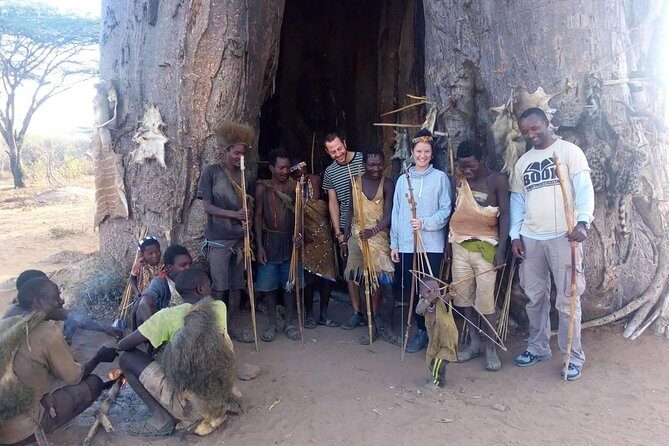
A lot of safari misery comes from bad logistics: long delays, unclear meals, and sleeping that doesn’t let you recover. This package aims to avoid that by keeping things structured around campsite overnights and regular breaks.
On Day 1, you end with overnight and dinner at a campsite. The first day also builds downtime after lunch, which matters because Tarangire can be mentally intense once you start spotting big herds. Day 2 also ends with overnight and dinner at a chosen campsite, and the whole rhythm stays consistent across the three days.
On the guide side, the names Nasir and Lucas come up in how people describe the experience—warm welcome, patient guiding, and explanations that help you make sense of what you’re seeing. That kind of coaching can turn a random animal sighting into something you actually understand: why that bird is in that spot, why elephants are moving now, why the crater floor is a hotspot.
Value point:
Good meal and camp organization lets you spend your energy on the safari, not on stress. Based on the feedback you shared, the team works hard to keep food and drink available and to handle small issues fast when they show up.




Group size and timing: why it matters for wildlife
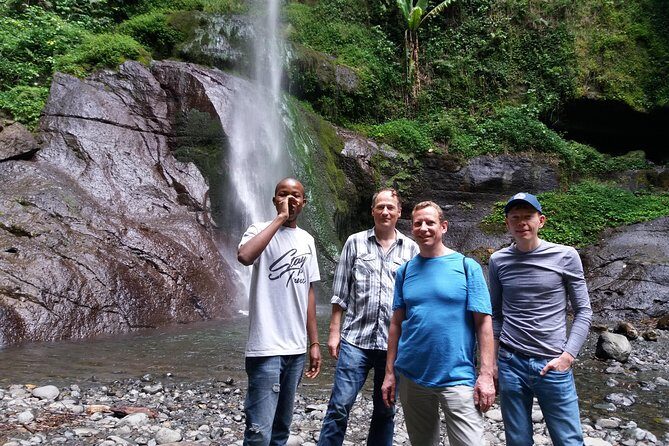
This safari is capped at a maximum of 6 travelers, which I love. Small groups usually mean less jostling at viewpoints and more flexibility if the guide needs to adjust based on animal movement.
The start time is 7:30 am, so you’ll want to be ready earlier than you think. Safaris in these parks are timed around animal activity and road conditions, and morning hours usually give you the best mix of sightings and comfort.
Also, each day includes admission tickets, so you’re not trying to coordinate park entry at the last moment. That reduces friction and keeps you focused on the actual experience—seeing wildlife.
Price and value: is $779 a fair deal?
At $779 per person for about 3 days, this isn’t a throwaway bargain—but it also doesn’t look overpriced for a three-park package where admission tickets are included and where you’re getting pickup in Arusha and campsite nights.
Here’s how I’d judge the value:
- You’re paying for access to three major areas: Tarangire, Ngorongoro Crater, and Lake Manyara.
- You’re not doing it alone: the group size is small (max 6), which often improves the guiding experience and reduces chaos.
- You get time back: the plan includes relaxation windows (like pool time on the first day) rather than stacking back-to-back drives all day.
If your alternative is piecing together separate tours, you often end up paying more in total once you factor in admission, transport coordination, and the hassle of managing schedules across multiple operators. For short trips, bundled routes like this can actually be cheaper in real stress, even if the cash number looks “medium.”
Practical tips so you get more from every day
Here’s how to make the most of this particular three-day setup:
1) Plan for long vehicle hours.
Even with a relaxed rhythm, you’re still going through big park distances and crater descents. Bring a small comfort kit: water, sunscreen, and something for the early mornings.
2) Pack for hot and cool changes.
These parks can feel warm during the day and cooler in the morning. Light layers work well.
3) Use your guide’s eyes, not just yours.
If you want better spotting, watch where the guide focuses. The whole point is that the team’s job is to read the park quickly.
4) Don’t chase one species only.
Ngorongoro is your major “many animals at once” moment. Tarangire and Manyara shine when you switch between mammal watching and bird watching instead of locking onto one target.
5) Bring a flexible mindset about tree lions.
Tree-climbing lions are possible, not guaranteed. If you get them, great. If you don’t, you still have strong wildlife and flamingoes, plus hippo views and hot springs time.
Who should book this safari package?
You’ll likely be happiest with this tour if you:
- Have only 3 days and want three parks in a logical route
- Prefer a small group safari (max 6) over big, noisy caravans
- Want the Ngorongoro Crater experience without adding extra days or moving hotels every night
- Like guidance and explanations, not just vehicle time
If you’re the type who hates early mornings or you’re very sensitive to long drives, you might feel the pace more than others. But the presence of camp downtime helps.
Should you book Moorland Safari and Trekking for this 3-day circuit?
Yes, if you want a short, focused Northern Circuit safari that’s built around real animal viewing and solid support. The mix of Tarangire elephants, Ngorongoro’s crater-floor concentration, and Manyara’s flamingoes and tree-lion possibility gives you variety without forcing you to manage logistics yourself.
Before you book, do two quick checks with yourself:
- Are you comfortable with early starts and longish drive days?
- Do you like the idea of chasing animals with a guide while also enjoying camp meals and downtime?
If both answers are yes, this is a strong value choice for Tarangire + Ngorongoro + Lake Manyara in one clean package.
FAQ
How long is the safari package?
It’s approximately 3 days, covering Tarangire, Ngorongoro Crater, and Lake Manyara.
What time does the tour start in Arusha?
The tour starts at 7:30 am in Arusha.
Where does the tour start and end?
It starts in Arusha, Tanzania, and ends back at the meeting point.
Does the price include park admission tickets?
Yes. Admission tickets are included for the safari days listed.
Is pickup offered?
Yes, pickup is offered.
How many people are in the group?
The group size has a maximum of 6 travelers.
What nights and meals are included?
Overnight stays are at campsites, and dinners are included on the first and second days based on the plan provided.
What cancellation flexibility is offered?
Free cancellation is available up to 24 hours in advance of the experience start time for a full refund.