REVIEW · ARUSHA
24 Hours in Arusha—Arusha Museum, Cultural Heritage, Maasai Market, Shanga
Book on Viator →Operated by Kim'zebra Adventures & Safaris · Bookable on Viator
Arusha can feel like a lot of driving for a little time. This private, door-to-door day stitches together the Cultural Heritage Centre, Shanga, the Maasai Market, and the Arusha museum into one efficient route.
I love that you get individualized attention the whole way, so you can ask questions and move at your pace instead of rushing between stops. I also like that the tour includes a provided lunch, plus admission tickets at each major site, so you’re not scrambling for “what’s paid” and “what’s next.”
One thing to consider: parts of the day are shopping-heavy—precious stones, crafts, and market stalls—so if you’d rather do mostly museums or mostly nature, this itinerary may feel a bit commercial at times. Still, the stops are varied enough to keep it interesting.
If you’re lucky, you’ll also get a guide with the same energy as Daniel (praised for being professional, courteous, and personable). Even without that exact scenario, the private format is built for a smooth day.
In This Review
- Key things I’d circle before you go
- Door-to-Door Private Tour: Why this saves your Arusha hours
- Cultural Heritage Centre: Tanzanite, crafts, and curated shopping time
- Shanga & Shanga Foundation: Crafting that comes with purpose
- Maasai Market Curios and Crafts: How to shop without losing your head
- Arusha Museum in the Old German Boma: Fossils and local history, not just wildlife
- Lunch, timing, and what the $205 price really buys you
- Who this day fits best (and who should think twice)
- Should you book this 24 Hours in Arusha Tour?
- FAQ
- What time does the tour start?
- How long is the 24 Hours in Arusha experience?
- What stops are included in the tour?
- What’s included in the price?
- What isn’t included?
- Is free cancellation available?
Key things I’d circle before you go
- Admission included at every big stop, so your time stays focused on seeing, not ticket math
- Cultural Heritage Centre for tanzanite, local crafts, textiles, books, and spices in one place
- Shanga Foundation: a social enterprise where your purchases support work for people with disabilities
- Live-making side of Shanga (glass, weaving, sewing, bead-making, and more) rather than just a shop
- Maasai Market shopping flow with polite vendors, touch-friendly stalls, and a basket system
- Arusha museum in an old German boma with a strong human evolution section and Tanzania fossil connections
Door-to-Door Private Tour: Why this saves your Arusha hours
Start time is 8:00 am, and the day runs about 12 hours. For many first-time visitors, the biggest headache in Arusha isn’t the sights—it’s how quickly travel time eats your schedule. A private tour means pickup and drop-off at your accommodation, so you can skip the “where do I find transport right now?” stress.
You’ll travel with a guide who can adjust timing based on how long you want to browse, ask questions, or take breaks. That flexibility matters when one stop might hook you (stones, craft work, museum fossils) and another might not.
This is also described as a private experience where only your group participates. Translation: you’re less likely to feel herded or stuck waiting behind a large crowd. If you’re traveling with family, or you want a slower pace, that’s a real quality-of-life upgrade.
You can also read our reviews of more historical tours in Arusha

Cultural Heritage Centre: Tanzanite, crafts, and curated shopping time
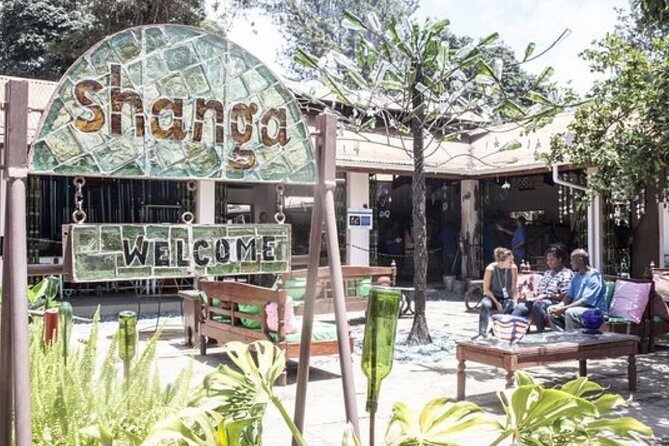
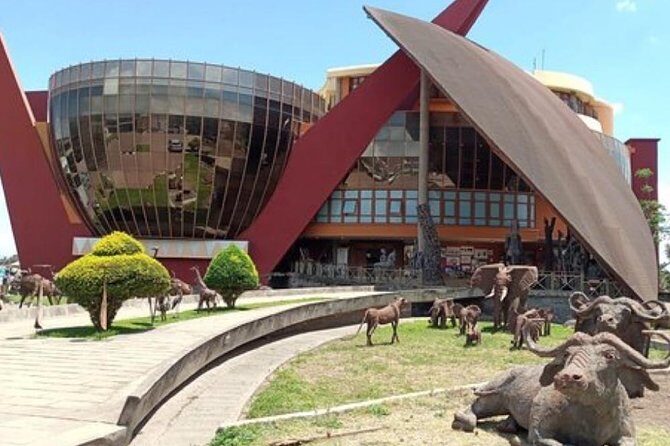
Your first stop is the Cultural Heritage Centre, set on the outskirts of Arusha. You’ll get 3 hours there, with admission included. This place is part cultural showcase and part craft-and-retail destination, so it works best when you see it as a “one-stop overview” of what you’ll find across Tanzania crafts and materials.
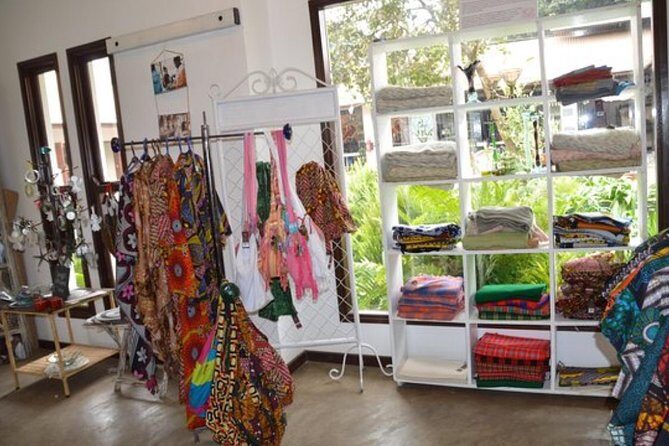
Inside, there are curio shops, a jewellery boutique, and a dedicated tanzanite and precious stone counter, along with displays for other stones like rubies, emeralds, tsavorite, diamonds, sapphires, and opals. There’s also an art gallery, plus areas tied to clothing, textiles, accessories, and books. You can even find spices and related items at the Spice Centre.
What I like about starting here: it gives you context early. You’re not just arriving at Arusha souvenirs cold. You learn what items people here specialize in, how products are presented, and what questions to ask as you move into the later market.
Possible drawback: if you don’t want to spend time around jewellery and stone displays, you might feel pulled into shopping conversations. My advice is simple—set a mental rule for yourself before you go in. For example, look first and decide later, or focus only on textiles and crafts if stones aren’t your thing.
Shanga & Shanga Foundation: Crafting that comes with purpose
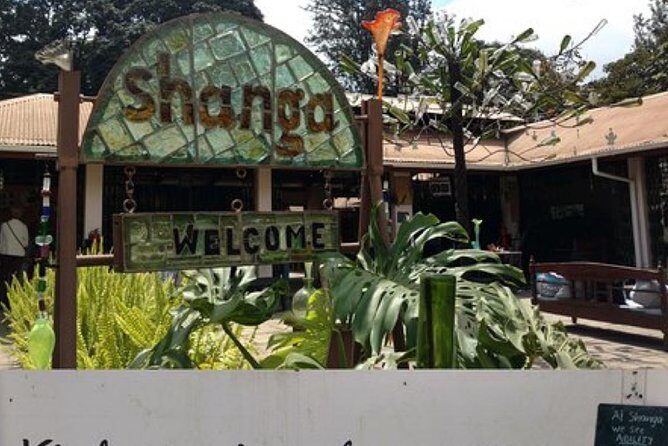
Next you head to Shanga & Shanga Foundation, again with 3 hours and admission included. Shanga is a social enterprise—meaning it’s designed to create jobs and opportunities. The key detail here is that Shanga employs people with disabilities to produce high-quality, handmade items.
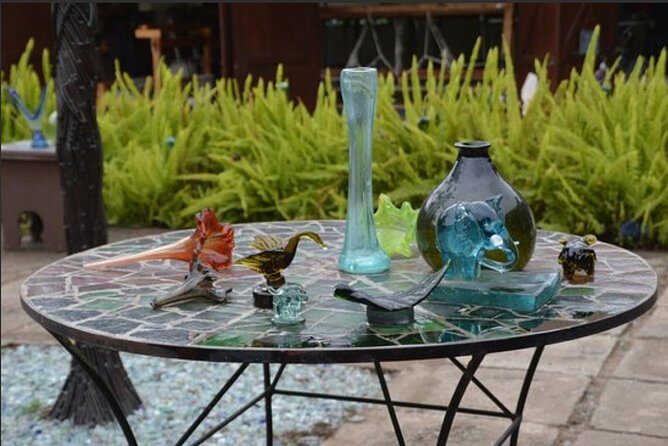
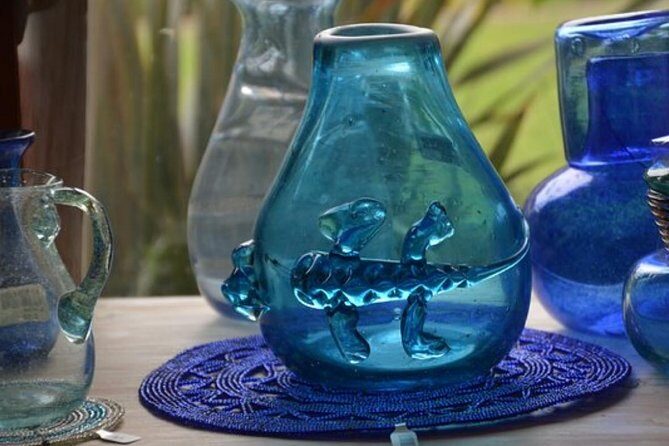
You can expect a mix of product categories: handmade jewellery, glassware, and home wares made using recycled materials. That “recycled” angle matters because it adds a practical story to the items. You’re not just buying something pretty—you’re supporting a business model that turns materials and skills into steady work.
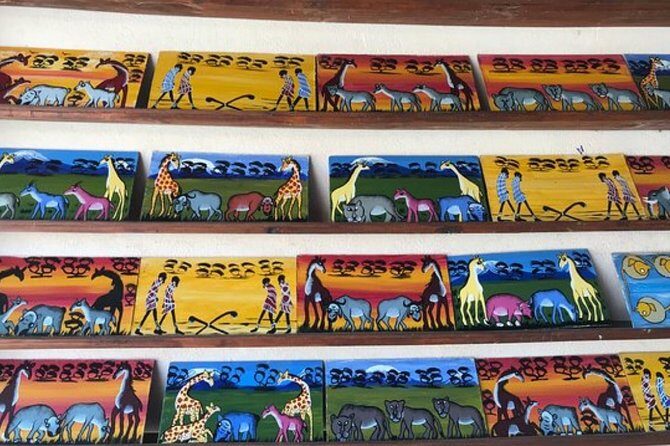
The best part is that you’re not limited to browsing a showroom. The visit includes observing handcrafts being made and seeing a workshop setup that covers glass-blowing, weaving, sewing, Tinga Tinga painting, bead-making, and metal work. That gives the day texture. It helps you understand why a piece takes time and why skills matter.
Tip: if you’re buying gifts, this is one of the easiest stops to choose thoughtfully. The products are clearly linked to the production process you saw. If you like clean, meaningful gift stories (and who doesn’t?), this is the place.
Maasai Market Curios and Crafts: How to shop without losing your head
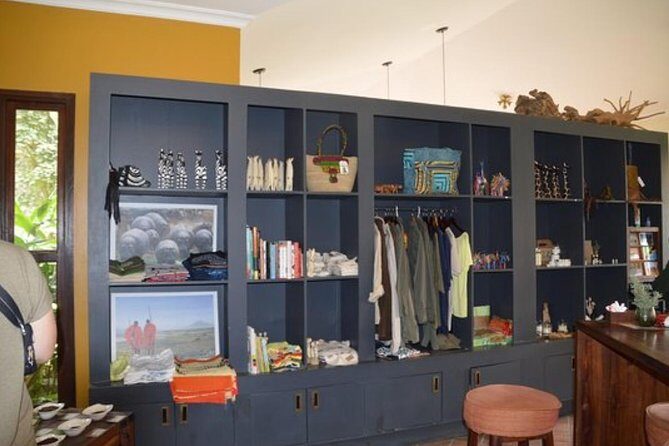
Then it’s on to the Maasai Market for another 3 hours with admission included. This is a big change of pace: many stalls, lots of overlapping product types, and an environment that can feel overwhelming fast.
Here’s what you can expect. Stalls cluster into areas where some vendors sell similar items, while others offer different odds and ends. Vendors tend to greet you politely—think of them calling out greetings like mzungu and inviting you to enter their space. Many will also encourage touching, with the general message that touching is fine.
One detail I found especially useful: vendors often offer you a medium-size basket. It signals that you can collect items you like as you browse, then keep moving through the market. For first-timers, that simple basket approach helps you compare options without clinging to bags or carrying everything from stall to stall.
Also pay attention to the social rhythm. Vendors are described as respectful and thankful even if you don’t purchase. That helps the market feel less confrontational than some people fear.
Possible drawback: with so many stalls and lots of similar-looking items, it’s easy to get decision fatigue. My practical suggestion is to decide your shopping “targets” before you arrive—one category for family, one small category for friends, and a budget cap. Otherwise you can end up collecting “maybe” items when you meant to buy only “yes” items.
Arusha Museum in the Old German Boma: Fossils and local history, not just wildlife
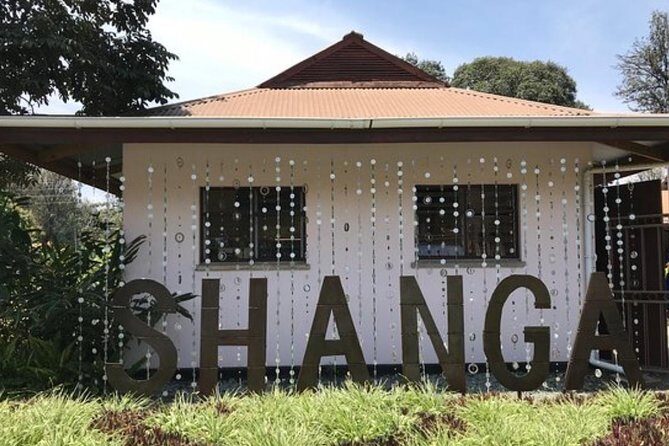
The day wraps with the Arusha National Natural History & Cultural Museum. This museum is housed in an old German boma (fortified compound) completed in 1900—a setting that already feels like a story before you even reach the exhibits.
You’ll have about 3 hours here, and admission is included. The museum has three parts. The standout is the wing dedicated to human evolution. This is where Tanzania’s fossil discoveries come into play, since much of what visitors learn about human evolution from this wing is tied to fossils unearthed in Tanzania.
There are also displays focused on insects, plus the history of Arusha during the German colonial era. The museum includes wildlife photos and mounts too, so it works as a mixed-content visit: science, history, and nature visuals in one building.
Why I like ending here: it’s the least “shopping time” of the day. After stalls and craft workshops, you get a chance to sit with facts and context. Even if you’re not a hardcore museum person, the human evolution angle gives the visit a strong anchor.
If you have limited energy by the end of the day, you can also choose your route inside the museum. Focus first on human evolution, then decide whether you have steam for insects and colonial-era sections.






Lunch, timing, and what the $205 price really buys you
The tour price is $205.00 per person. For many visitors, that number feels easier to swallow when you add up what’s covered: private transportation, lunch, and all fees and taxes, plus admission included at the major sites.
That’s the real value here. A “cheap” day tour often turns into a costly day once you pay for tickets, transport between distant spots, and food. This plan builds those costs into the package, which makes it simpler to manage your budget.
Also note that the tour includes drinking water and soft drinks during game drives (the inclusions list mentions this). Even if your day doesn’t include game driving, the message is clear: you’re not supposed to arrive, walk around, and dehydrate without support.
Duration matters too. With a full day (about 12 hours), you’re not stuck doing micro-sightseeing. You get enough time at each location to enjoy it rather than just “check it off.”
Small but practical point: alcohol isn’t included, and personal expenses like visas and items like cameras are also your responsibility. So if you plan to buy stones, jewellery, or crafts, treat it like a day with shopping options—not a day without spending.
Who this day fits best (and who should think twice)
This tour fits best if you want a balanced “first Arusha day” that covers culture, crafts, shopping, and a museum. You’ll like it if you enjoy meeting artisans, learning what products come from, and having time to ask questions.
It’s also a smart fit for visitors who don’t want the hassle of finding transport back and forth between scattered locations. Door-to-door pickup is a big deal when your energy is limited.
Think twice if you’re not interested in shopping environments. The Cultural Heritage Centre and Maasai Market both revolve around buying. You can still enjoy them without purchasing, but the rhythm is built for browsing.
Should you book this 24 Hours in Arusha Tour?
Yes, if you want an efficient, private way to experience Arusha culture in one day. This itinerary does a nice job mixing handcrafts with a social mission (Shanga), browsing that feels organized enough to handle (Maasai Market basket and touch-friendly approach), and a museum stop that adds real context (the old German boma and human evolution wing).
Book it especially if you value convenience—pickup, drop-off, private time, and admission included. It’s not just a list of stops; it’s designed to protect your schedule.
If you hate shopping or you want mostly wildlife/nature, you might feel less satisfied. But if you’re happy to spend part of the day around crafts and museum learning, this is a strong way to make your limited time in Arusha count.
FAQ
What time does the tour start?
The tour start time is 8:00 am.
How long is the 24 Hours in Arusha experience?
The duration is listed as 12 hours (approx.).
What stops are included in the tour?
The tour includes Cultural Heritage Centre, Shanga & Shanga Foundation, Maasai Market Curios and Crafts, and the Arusha National Natural History & Cultural Museum.
What’s included in the price?
The package includes lunch, all fees and taxes, private transportation, and drinking water and soft drinks (as listed in the inclusions). Admission tickets are included for the main sites.
What isn’t included?
Not included are alcoholic beverages, personal items (including things like camera and visa), accommodation, and tipping or other personal expenses not mentioned.
Is free cancellation available?
Yes, there is free cancellation. You can cancel up to 24 hours in advance for a full refund.