REVIEW · KILIMANJARO
Amazing 4 Days Safari 3 Nights: Tarangire, Ngorongoro, Serengeti
Book on Viator →Operated by Kili View And Safaris · Bookable on Viator
Safari days in Tanzania move fast. This 4-day camping route strings together the Northern Circuit highlights with Tarangire, Ngorongoro, and Serengeti. I like that it includes meals and park-fee coverage in the price, so you can budget without constantly doing math, and I also like the guide-driver quality people rave about, including Olacx, who is known for spotting wildlife and explaining what you’re seeing. One drawback to consider: camping means nights aren’t hotel-comfy, so if you want a spa-style trip, this setup may feel basic.
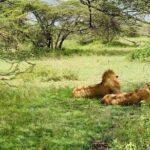
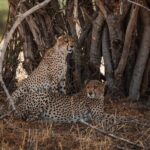
You’ll be aiming for the kind of animal encounters you can only get on safari: monkeys in forest pockets, elephants among acacia trees, and the dramatic wildlife density inside a collapsed volcano. Serengeti then brings the wide-open grass plains where you have strong opportunities to see predators such as cheetahs and leopards, plus lions. If you’re sensitive to long bumpy drives, bring patience and a good attitude—this is an active circuit, not a sit-behind-glass tour.
In This Review
- Key highlights that actually matter
- The Northern Circuit, compressed into 4 days
- Price and what you truly get for $1,300
- Starting at Kilimanjaro: your first big logistics win
- Camping safari reality check (and how to make it work)
- Tarangire National Park: elephants, acacias, and a great warm-up day
- Ngorongoro Crater: the collapsed volcano where wildlife gets crowded
- Serengeti National Park: big plains and serious predator chances
- Wildlife spotting: why your guide can make or break the day
- Transportation and time on the road
- Meals on safari: included fuel, not an afterthought
- Tips, money, and how to avoid awkward moments
- Is this safari good for families and first-timers?
- When to book, and who runs the trip
- Quick FAQ for planning
- FAQ
- What parks are included in this 4-day safari?
- How long is the safari?
- Where does the safari start and what time?
- Is pickup offered?
- What’s included in the price?
- What’s not included?
- What is the cancellation policy?
- Should you book this Tanzania Northern Circuit safari?
Key highlights that actually matter
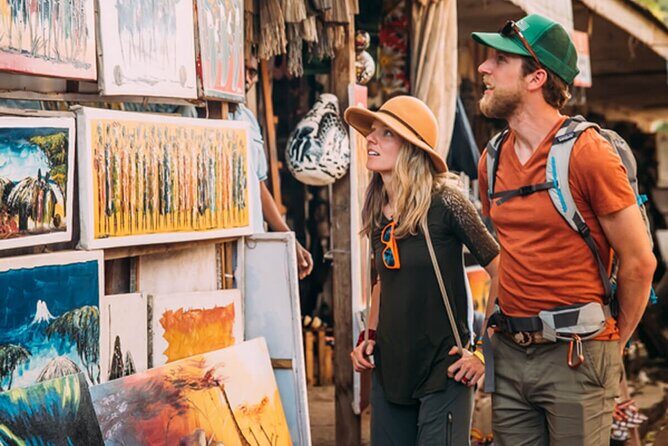
- Olacx-style guiding: calm, experienced wildlife spotting and clear explanations that help you read animal behavior.
- Northern Circuit concentration: Tarangire, Ngorongoro, then Serengeti in just four days.
- Camping safari value: breakfast, lunch, and dinner included, plus all fees/taxes listed as covered.
- Big wildlife odds: elephants, lions, cheetahs, leopards, and lots more—this route is built for viewing chances.
- Private group feel: only your group participates, so you’re not sharing the day with strangers.
The Northern Circuit, compressed into 4 days
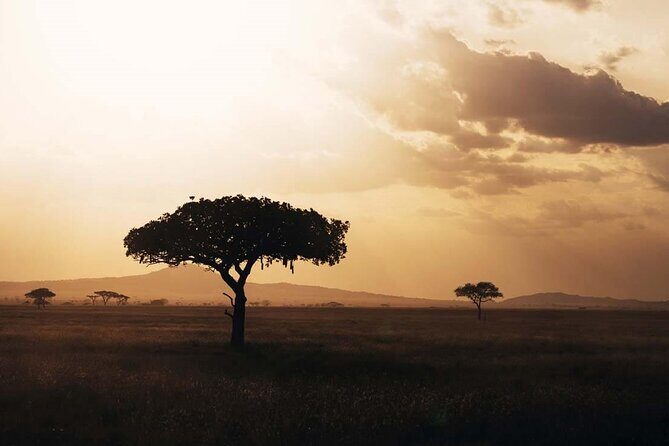
This safari is designed for people who want the classic Northern Tanzania highlights without taking a week off work. Over about four days, you’ll move between three headline areas—Tarangire, Ngorongoro, and Serengeti—with camping accommodations and a professional driver/guide handling the logistics.
The biggest advantage of this style of itinerary is simple: the route is “wildlife efficient.” Instead of choosing just one park and spending all your time there, you get different scenery and different ecosystems. That matters because animals react to habitat. Forest-edge monkeys are different from open-plains grazers. Volcano-crater wildlife behaves differently from river-and-lake areas. When you stack these environments back to back, your odds of seeing variety go up.
The other advantage is value structure. The price includes meals (breakfast, lunch, dinner), all transportation, and all fees, taxes/VAT as listed. That’s a big deal in Tanzania safaris, where add-ons can quietly inflate your final bill. The trade-off is that you’re still paying for time on the road and for park access. This trip is about experience, not luxury comfort.
A few more Kilimanjaro tours and experiences worth a look
Price and what you truly get for $1,300
At $1,300.00 per person, this is not a budget “just for fun” outing. But it can feel reasonable when you compare what’s included: food on safari, park-fee coverage as stated, and a guide/driver who’s responsible for getting you into the right places at the right time.
Here’s what you should mentally budget in addition to the listed price:
- Alcoholic beverages (not included)
- International flights to and from home (not included)
- Personal items like souvenirs and any extra snacks
- Tips, with a stated guideline of US$10.00 per person per day
- Any government-imposed increases of taxes or park fees (listed as a possible add-on)
So, the question isn’t only “is it expensive?” It’s “does it include the stuff you’d pay for anyway?” In this case, meals, transportation, and fees are bundled. That helps you avoid the common safari surprise of realizing you need extra days’ worth of costs.
If you’re the type who wants a clear, predictable budget, this packaging is helpful.
Starting at Kilimanjaro: your first big logistics win
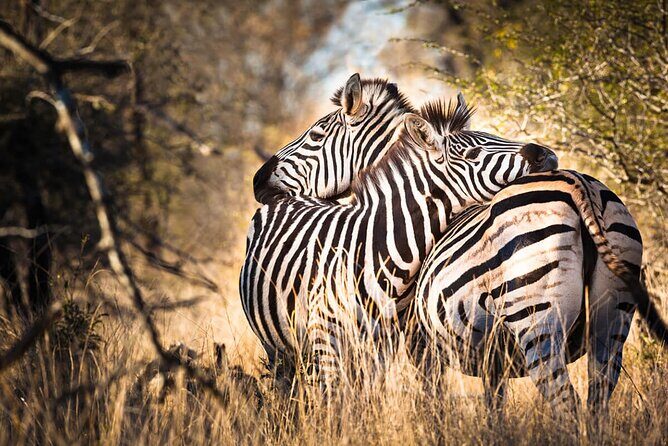
The safari begins with a clear start point: Kilimanjaro International Airport (Kilimanjaro Airport Road, Tanzania) with a start time of 8:00 am. Pickup is offered, and it’s a private tour/activity, meaning it’s only your group.
Why this matters: arriving in Tanzania already feels like a lot. A smooth pickup and a known meeting point reduce the stress that can waste part of your first day. Also, the fact that this uses a mobile ticket and confirmation is provided at booking makes it simpler if you like having details settled before you fly.
One more practical note: the listing says it’s near public transportation and service animals are allowed. That’s good to know if you have specific mobility needs.
Camping safari reality check (and how to make it work)
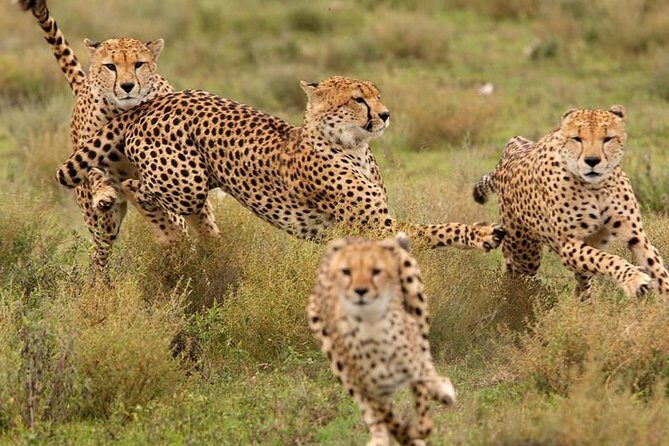
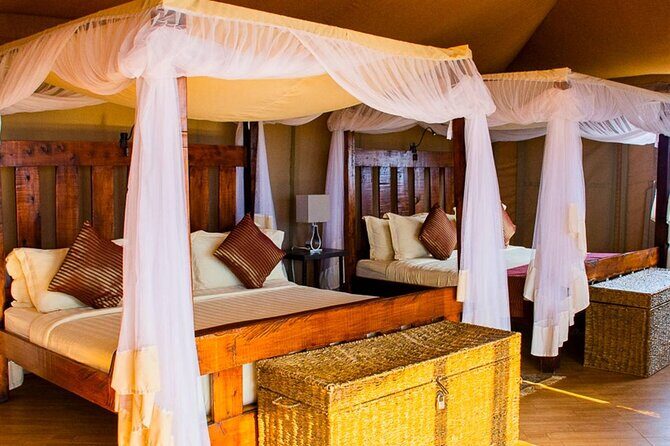
Because this is a camping safari, you should expect the “outdoors first” style of accommodation. You’ll be sleeping as part of the safari rhythm, not as part of a hotel routine. That’s not automatically bad. Many people prefer it because it keeps you close to the daily pace: early drives, animal-viewing windows, and a night that feels like it belongs to the wild.
But it does come with trade-offs:
- Comfort level won’t match a lodge or resort
- You’ll want to pack smart for cool mornings and outdoor nights (even if it’s warm during the day)
- You may not have the same quiet or room amenities you’d expect at home
If you’re flexible and you treat the camping element as part of the adventure, the payoff is the full safari feel: you’re not just visiting parks, you’re living inside the safari schedule.
Tarangire National Park: elephants, acacias, and a great warm-up day
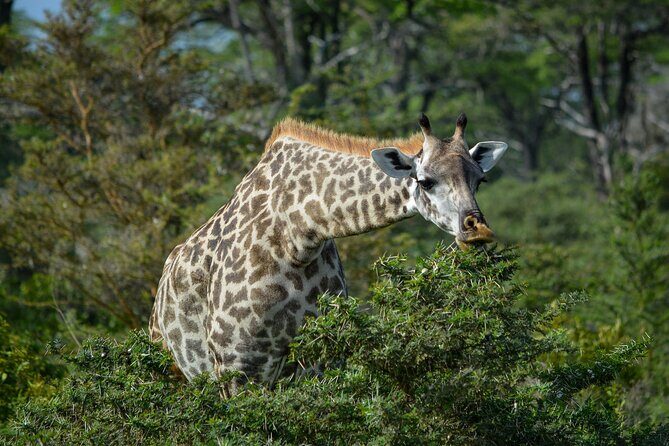
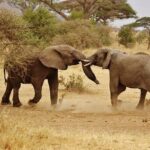
Tarangire is the first named stop in this circuit, and it’s a strong place to start because it sets the tone for the rest of your trip. The scenery here is known for elephants among acacias, which gives you a classic safari look—trees, grazing activity, and animals that don’t feel “staged.”
What you’re likely to focus on:
- Elephants moving through acacia stands
- Groups of grazers and the predators that may follow them
- Forest-edge pockets where monkeys can appear
A good guide makes a huge difference in Tarangire because elephants often look calm—until they don’t. They can feed for a long time, then suddenly shift direction. If you’ve got someone who’s practiced at animal behavior reading, you’ll waste less time staring at the wrong patch of savanna.
Potential drawback: Tarangire can be extremely scenic, and that temptation can lead to “camera mode only.” For the best experience, ask your driver/guide to help you understand the behavior you’re seeing, not only the animals you’re spotting.
A few more Kilimanjaro tours and experiences worth a look
Ngorongoro Crater: the collapsed volcano where wildlife gets crowded
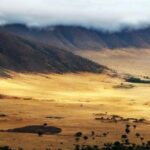
Ngorongoro is described in your safari overview as a collapsed volcano, and that’s the magic. The crater is a dramatic bowl of habitat where animals gather in a tighter space. That density is why so many people plan their Northern Circuit around it.
In practical terms, this is where your safari viewing often feels most intense:
- You’re more likely to see multiple animal types in a single day
- The environment can make it easier to compare predator-prey patterns
- Wildlife moments can feel concentrated, not scattered
The trip also flags some memorable theme wildlife: lions and elephants show up in different contexts than they do on open plains. The crater setting can make it easier to notice how animals react to terrain and human viewing spots.
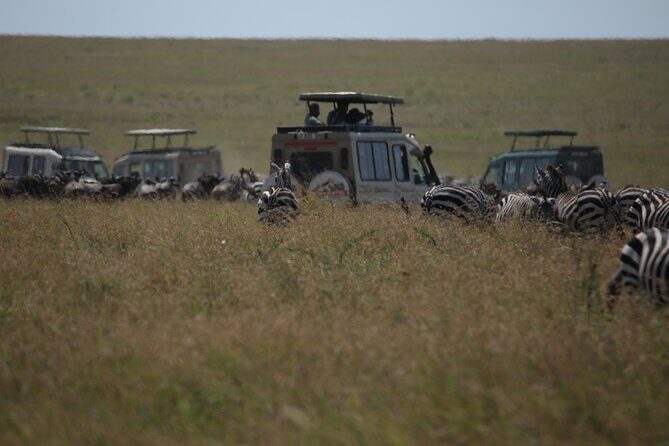
One consideration: because Ngorongoro is a high-demand destination, it’s not the place to expect total solitude. The value of a private group helps here, since you’re not sharing your driving day with strangers—but the park itself is still busy.
Serengeti National Park: big plains and serious predator chances
Serengeti is the finish line in terms of “wow factor,” and the reason is simple: it’s built for wildlife viewing at scale. Your itinerary description calls out Serengeti as home to about 3 million animals, and that number is why the park can feel both endless and alive.
This is also where the safari overview sets expectations for predators. Serengeti’s grass plains give you strong chances to see:
- Cheetah
- Leopard
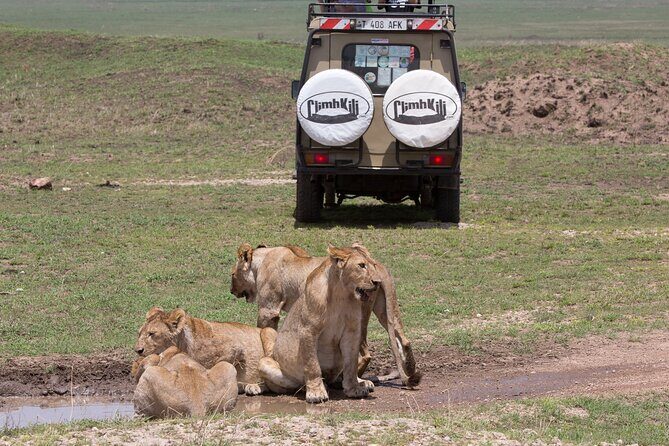
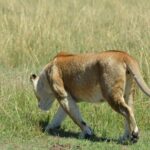
- Lion
Now, here’s the honest framing you should use while you’re on the ground: safari sightings are always weather- and timing-dependent. But Serengeti tends to offer more moments of “we might be lucky” than smaller ecosystems do. The open grass allows visibility, which helps your guide spot movement and position you for the best sightlines.
In addition, serengeti-type terrain helps you learn how ecosystems work. You start noticing grazers first, then you start seeing why predators hang around certain areas. When your guide explains what’s happening, it turns “I saw a lot of animals” into “I understood why they were there.”
Wildlife spotting: why your guide can make or break the day
I’ve learned to treat safari guides like wildlife translators. Without that translation, it’s mostly movement and distance. With it, you begin to recognize patterns.
Your safari’s guide-driver is specifically mentioned by name in the feedback you shared: Olacx. The consistent theme in the praise is that he has a sharp eye for wildlife, can spot animals from distance, and offers knowledge that makes sightings click. That lines up with what you want on a short, 4-day schedule. You don’t have time to “maybe see something.” You need someone who can help you maximize every drive.
Also pay attention to pacing. A good guide doesn’t just chase the next animal. He helps you watch what’s already on your radar. When a cheetah is hunting or a lion is resting, the story often sits in the small changes—an ear flick, a shift in stance, a sudden run. Those micro-moments are where the experience becomes memorable.
Transportation and time on the road
This safari includes all transportation, with a professional driver/guide. You’re also told you’re starting at Kilimanjaro Airport and beginning at 8:00 am, which means the route is built around a defined start.
Short safari circuits can feel like “hurry up and wait” if expectations aren’t set. Here’s the practical way to view it:
- You’ll spend part of each day driving between major areas
- You’ll spend part of each day in active viewing periods
- You’ll need to be comfortable with change—terrain, temperatures, and animal activity shifts
The upside is that you keep variety. The downside is that you should pack for long days and be ready to go with the flow if wildlife timing changes.
If you tend to get impatient on long drives, bring distractions: a book, downloaded music, and a small plan for your day so you feel steady even when the game drives run a little differently than expected.
Meals on safari: included fuel, not an afterthought
The tour includes breakfast, lunch, and dinner. That’s a big quality-of-life win. Safari days often run early and end late, so you don’t want the hassle of finding food, figuring out costs, or guessing what’s available.
Also, included meals usually help keep your group on schedule. When hunger hits, it’s hard to stay focused on spotting. With food handled, you can stay present.
One note: alcohol is not included, so if you want beer or wine, plan to pay separately.
Tips, money, and how to avoid awkward moments
The tipping guideline listed is US$10.00 per person per day. Even when a guide is excellent, it’s wise to treat tipping as part of how safari staff are supported, especially for a professional driver/guide.
If you prefer not to handle cash on the fly, it can help to be ready with the right amount per day at the start, so you don’t scramble later. (And yes, people do remember how you handle money in the field.)
Also watch for personal spending: souvenirs and snacks are not included, and those can add up quickly if you shop daily.
Is this safari good for families and first-timers?
You mentioned a 4-day experience with a family setup in the feedback you shared, including kids. That suggests this itinerary can work when the group is comfortable with safari pacing and when the guide keeps sighting opportunities productive.
For families, the key is preparation:
- Expect early starts and long viewing stretches
- Bring patience for breaks
- Help kids stay engaged by giving them simple jobs, like spotting a specific animal type
For first-time safari goers, this circuit also makes sense because it hits multiple ecosystems quickly. You don’t have to pick between “elephants and acacias” versus “crater density” versus “Serengeti grass plains.” You get all three.
When to book, and who runs the trip
The experience provider is Kili View And Safaris. Your start is scheduled from Kilimanjaro International Airport at 8:00 am, and confirmation is provided at booking.
It’s also stated as a private tour/activity, so only your group participates. That’s a real advantage if you want flexibility and privacy rather than sharing a vehicle and schedule with strangers.
Quick FAQ for planning
FAQ
What parks are included in this 4-day safari?
Tarangire, Ngorongoro, and Serengeti National Park are included.
How long is the safari?
It runs for about 4 days, with 3 nights mentioned in the tour title.
Where does the safari start and what time?
It starts at Kilimanjaro International Airport on Kilimanjaro Airport Road, Tanzania, with a start time of 8:00 am.
Is pickup offered?
Yes, pickup is offered.
What’s included in the price?
Breakfast, lunch, and dinner are included, along with all fees, taxes/VAT, a professional driver/guide, and all transportation.
What’s not included?
International flights to and from home, alcoholic beverages, additional accommodation before and after the tour, tips (guideline US$10.00 pp per day), personal items, and any government-imposed increase of taxes or park fees.
What is the cancellation policy?
Free cancellation is offered up to 24 hours in advance for a full refund. If you cancel less than 24 hours before the start time, no refund is provided.
Should you book this Tanzania Northern Circuit safari?
If you want the Northern Tanzania highlights in a short window—Tarangire + Ngorongoro + Serengeti—this is a strong match. The reason is value and planning comfort: meals and fees are included as stated, transportation is handled, and you’re not juggling extra logistics daily. Add in a guide-driver known for wildlife spotting and explanations (Olacx), and you have the ingredients for a memorable, high-sighting-chance trip.
But if camping discomfort would ruin your trip, or if you’re expecting hotel-style ease, reconsider. Also be realistic about predator sightings: Serengeti can be excellent, but safari wildlife is never guaranteed. Your best move is to come prepared, stay flexible, and let the route and the guide do their job.
If that sounds like your travel style, booking this circuit is an easy yes.