REVIEW · ARUSHA
PRIVATE Wildebeest Calving Safari, Tanzania, January to March
Book on Viator →Operated by World Adventure Tours · Bookable on Viator
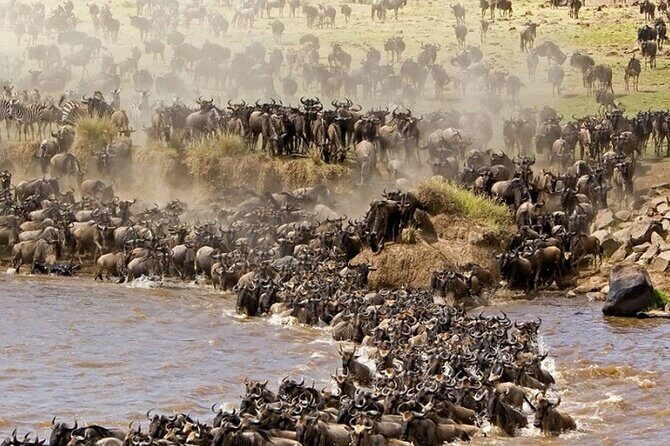
Wildebeest calves run while you’re still counting blinks. This private 8-day safari is built around the Jan–Mar calving season in the Serengeti ecosystem, then caps it with the drama of Ngorongoro Crater. Along the way you’ll tackle classic northern-circuit wildlife country, from Rift Valley scenery to full-on predator hunting.
I love that this trip leans into timing, not just geography: in the Ndutu area, calves can be seen running minutes after birth, and predator action tends to be strong. I also love the practical setup—small group size (max 6), 4×4 vehicles with a viewing roof, bottled water in the car, and full board lodging and meals during safari days.
One consideration: your mornings start early (meeting time is 7:00am), and you’re doing real driving days between parks. Also, some cultural stops you may see mentioned along the route, like the Maasai village and Olduvai Gorge, aren’t included.
In This Review
- Key things I’d bookmark
- Getting to Moshi and starting early in Kilimanjaro country
- Lake Manyara: tree-climbing lions and Rift Valley variety
- Serengeti: endless plains, kopjes, and predator pressure
- Ndutu calving season: when wildebeest births happen in your viewing area
- Ngorongoro Conservation Area to Crater descent: from short grass to rhino grazing
- Price and logistics: what $2,400.40 buys you in real comfort
- Guides and the kind of spotting that changes everything
- What to pack and how to handle January to March conditions
- Should you book this wildebeest calving safari?
- FAQ
- How long is the safari?
- Where does the safari start and end?
- What is the meeting time?
- What’s the group size for this private safari?
- Is pickup included?
- Are meals included?
- Are park fees included?
- Are the Maasai village and Olduvai Gorge tours included?
- Can I cancel and get a refund?
Key things I’d bookmark
- Calving season in Ndutu: a rare chance to see wildebeest births happen close to the action
- Small group (max 6): more space for your guide to spot wildlife and tailor the pace
- Big predator potential: the same season that brings calves also brings more hunting pressure
- Ngorongoro Crater descent: rhinos on the grass and packed wildlife in a bowl-shaped world
- Full board + bush lunch: less decision fatigue day to day
- Support from the Moshi office: a real point of contact while you’re in-country
Getting to Moshi and starting early in Kilimanjaro country
You’ll begin in the Kilimanjaro region, with pickup from the airport area and an overnight at Springlands Hotel in Moshi for dinner and rest. This is a smart move for wildlife safaris: it shortens the first day’s stress, gets you acclimated to local rhythms, and gives you time to sleep before the first game drive day.
For me, the best part is how the schedule respects your energy. You’re not bouncing straight into long drives on arrival. You get a proper dinner night first, then the trip builds from there with full safari days.
Also note the day starts: 7:00am is your meeting time. Early is not a gimmick in Tanzania. Wildlife is often most active when the air is cool, and guides use those morning hours to get you into prime viewing spots without rushing.
You can also read our reviews of more private tours in Arusha
Lake Manyara: tree-climbing lions and Rift Valley variety
Lake Manyara is one of those parks where you get more than one kind of wildlife moment in a single day. The park sits up against the Rift Valley escarpment, and that position matters because it creates multiple habitats. You’ll move through a mix that can include acacia woodland, grassy plains, and swampy areas fed by groundwater.
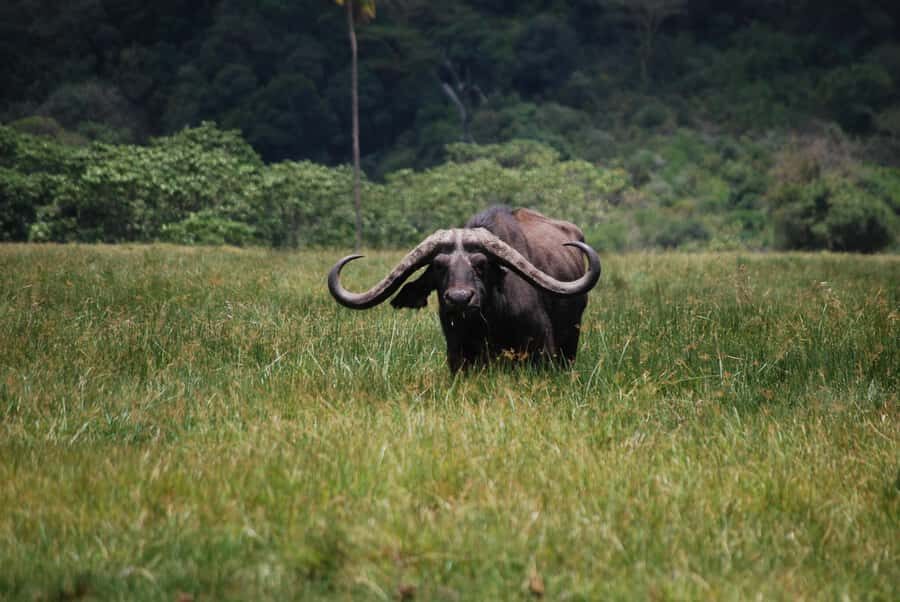
What you’re targeting here is variety. Manyara is known for tree-climbing lions, and it’s also a strong bird park alongside mammals. Expect to look for buffalo, impala, giraffe, bushbuck, waterbuck, hippos, and elephants that can roam near the lake shore. If you like primates, the park’s also in the mix for blue monkeys, velvet monkeys, and very active olive baboons.
Practical reality check: Lake Manyara can feel more like a “choose-your-moment” day than a pure marathon. You’ll likely get the best value by staying alert—watch the edges of the woodland and the waterline where animals often work the habitat seams.
Serengeti: endless plains, kopjes, and predator pressure
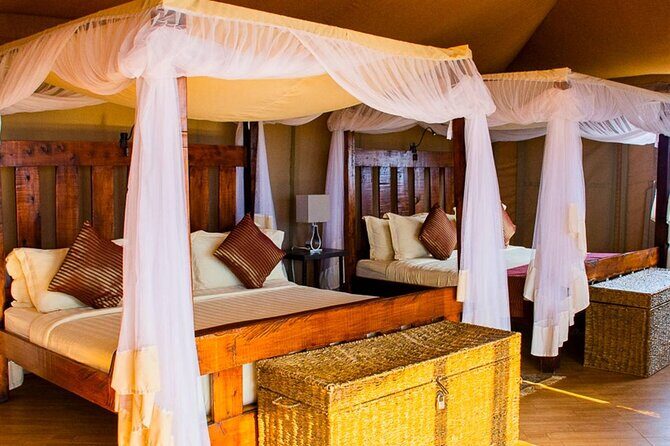
Once you move into the Serengeti, the tone changes. The word Serengeti is commonly explained as meaning endless plain, and that’s exactly how it feels from inside a game drive vehicle—wide views, long sight lines, and wildlife spread out across grass and rock.
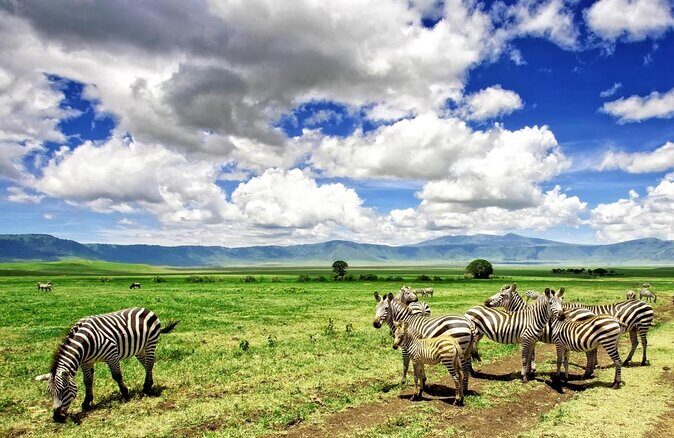
You’ll have time to drive into the park and then enjoy a full day on the plains with the Great Wildebeest Migration as the headline. Even when you’re not catching the migration at peak timing for every section of the park, you still get what makes Serengeti special: big herds of plains game—wildebeest, zebra, antelope—plus predators working the same space.
A key detail that helps you understand what you’re seeing: the Serengeti isn’t one uniform scene. The mix can include open grass plains in the south, acacia savanna in the center, hilly and wooded grassland in the north, and woodland plus black clay plains to the west. That variety affects where animals graze and where you’ll find lion and cheetah activity.
If you love wildlife photography, this is where you’ll start caring about timing and angles. Kopjes (those rock outcrops) are often like natural watchtowers for predators. If your guide is good at placing the vehicle and reading behavior, you’ll feel it fast—quiet moments can turn into sudden action.
Ndutu calving season: when wildebeest births happen in your viewing area
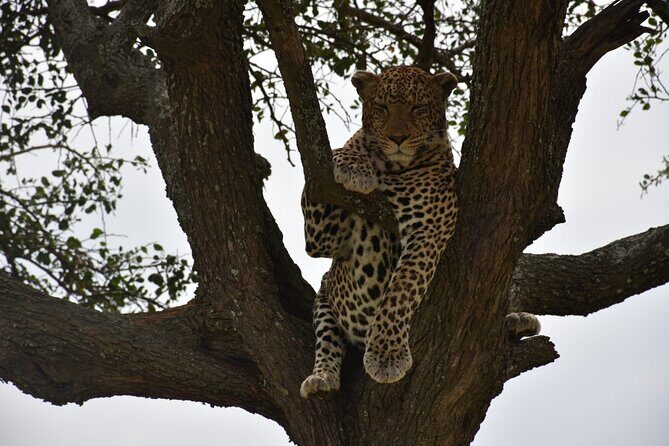
This is the star of a Private Wildebeest Calving Safari in the Jan–Mar window. The Ndutu area (part of the southern Serengeti ecosystem) is where conditions can line up for calving to occur close to the viewing routes.
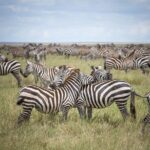
Here’s what makes this season different: during this time of year, you can see calves running minutes after birth. That’s not just “cute wildlife.” It changes the whole feel of the game drive. Adults are focused on protecting and moving, predators are drawn to vulnerable targets, and the entire system feels more active and urgent.
This area also comes with habitat variety that helps keep the day interesting even when you’re waiting for a dramatic scene:
- swamps
- woodland
- soda lakes
- short-grass plains
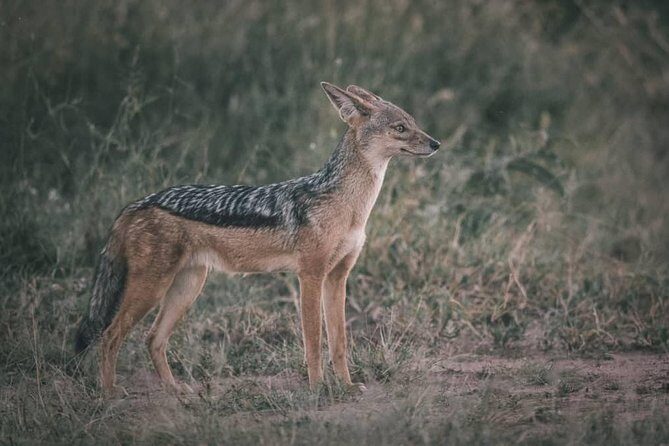
And yes, you’ll still see the classics—wildebeest and zebra herds moving through, plus resident lion prides. Cheetahs can be abundant on the plains, and wooded ridges are worth checking because animals often use cover to reposition.
If you’re going for wildebeest calving specifically, you’ll want to plan your mindset around patience and close attention. Watching birth is powerful, but what makes it unforgettable is what follows—behavior changes, herd movement accelerates, and predators start getting bold.
Ngorongoro Conservation Area to Crater descent: from short grass to rhino grazing
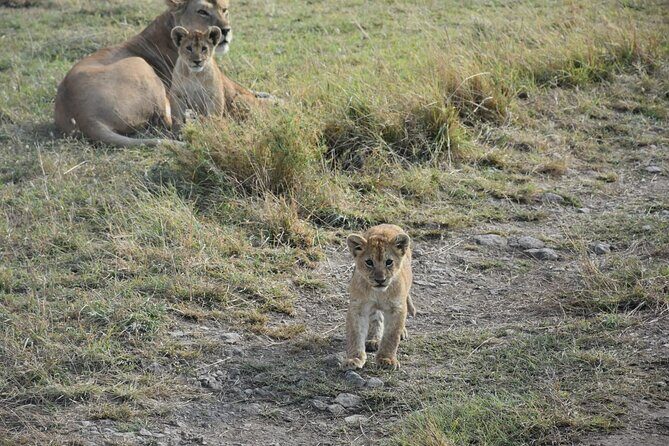
After Serengeti, you transfer into the Ngorongoro Conservation Area, which is part of the southern Serengeti ecosystem. This switch matters because it can keep your wildlife density high while shifting your scenery and animal patterns.
You’ll have an afternoon drive after check-in, and then a full day in the Ndutu zone with more chances to see herds, birds, and predator activity. That schedule is built for “more shots at the moment that makes it worth the trip.”
Then comes the big one: Ngorongoro Crater. You descend into the crater for game driving and exploration. The numbers help you picture the scale—about 600m deep, roughly 16km across, with an area around 265 sq km. It’s often described as the world’s eighth wonder, and you’ll feel why once you’re down there: it’s a contained world with wildlife concentrated on the crater floor.
What you’re looking for on the crater floor includes:
- black rhinos grazing on open grassland
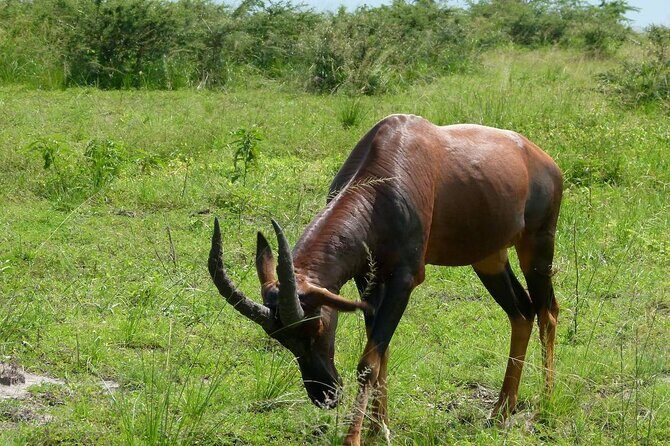
- lions, cheetahs, eland, zebra, and gazelle
- bird life, including flamingos feeding at Makat Soda Lake
The crater also has its own rhythm. Animals don’t just appear randomly—they’re distributed in a way that makes scanning efficient if your guide is experienced at crater driving. Even if you’ve done safaris before, this kind of natural “arena” changes your expectations.
A few more Arusha tours and experiences worth a look




Price and logistics: what $2,400.40 buys you in real comfort
At $2,400.40 per person for an approximately 8-day private safari, you’re paying for more than seat time. You’re paying for the stuff that makes wildlife viewing smoother:
- transport in a qualified 4×4 with a viewing roof
- full board accommodation while on safari (breakfast, lunch, dinner)
- park/entry-type fees and taxes covered as listed (with tickets marked as free in the plan details)
- transfers to and from the airport
- bush lunch in the Serengeti
- bottled water during drives
- 24-hour support from the Moshi office
That all adds up. When meals and basic logistics are handled, you don’t burn your energy on constant planning or missed stops. And small group size (maximum 6) helps the experience stay flexible—your guide can spend more time scanning and less time negotiating crowding.
One place you’ll need to double-check: international flights and visa are not included. Travel and health insurance are also not included. You’ll want to handle those yourself or coordinate them separately.
Guides and the kind of spotting that changes everything
In safari land, the guide can make the difference between seeing wildlife and understanding it. Past feedback tied to this operator highlights specific guide-driver names—Martin, Marko, and Kileo—with praise for careful driving and spotting ability.
There’s also mention of Patrick as a travel designer who helped with scheduling, which matters if you want your trip to run cleanly without you being stuck in back-and-forth emails.
My practical advice: when you’re confirming your pickup and final plan, ask your operator who your guide-driver will be. If you get any of the names above, great. Even if not, you can ask what animals they prioritize daily and how they adjust the route when the action shifts.
What to pack and how to handle January to March conditions
The plan is timed for calving and migration-season wildlife, and that timing usually comes with warm days and cooler mornings. Pack for early starts and for being out on game drives for hours. You’ll want layers you can adjust, plus sun protection and a way to keep dust out of your eyes and camera gear.
You’ll also be drinking bottled water provided in the safari vehicle, which is convenient. Still, treat hydration like a daily habit, not a “when you feel thirsty” thing—game drives are active even if you’re sitting.
And remember: these are long days. Your comfort matters, so plan footwear that works well off-road and on lodge paths.
Should you book this wildebeest calving safari?
I’d book it if:
- you’re traveling in January to March and want a genuine shot at wildebeest calving close-up
- you want a route that pairs calving-season drama with Serengeti predator country and the crater’s concentrated wildlife
- you prefer a smaller group (max 6) and a more supported trip with meals included
I’d think twice if:
- you hate early mornings and long drives between parks
- you expect every cultural stop to be included automatically (the Maasai village tour and Olduvai Gorge tour are not listed as included)
- you’re looking for a fully independent trip where you handle all logistics yourself
If you get your dates right and your guide is sharp, this kind of safari is exactly where Tanzania delivers big emotional payoff: birth, herd movement, and predators all operating on the same timetable.
FAQ
How long is the safari?
It runs for about 8 days.
Where does the safari start and end?
It starts in the Kilimanjaro region with pickup and drives into Moshi, and it ends with a transfer to Kilimanjaro airport for your flight home.
What is the meeting time?
The start time is listed as 7:00am.
What’s the group size for this private safari?
The maximum group size is 6 travelers.
Is pickup included?
Pickup is offered, and transfers to and from the airport are included.
Are meals included?
Yes. Full board is included while on safari, with breakfast, lunch, and dinner, plus a bush lunch in the Serengeti.
Are park fees included?
All fees and taxes are listed as included, and the plan shows admission tickets as free for the safari days.
Are the Maasai village and Olduvai Gorge tours included?
No. The Maasai village tour and Olduvai Gorge tour are listed as not included.
Can I cancel and get a refund?
No. The experience is non-refundable and cannot be changed for any reason.