REVIEW · MOSHI
From Arusha: 11 days The Classics Northern Tanzania safari
Book on Viator →Operated by Beach & Safari · Bookable on Viator
Safari time in northern Tanzania moves fast, and this route is built for it. You’ll stack Tarangire, Lake Manyara, multiple days in the Serengeti ecosystem, and a full crater day—so you’re not just ticking boxes, you’re getting repeated chances to spot the animals.
What I especially like is the emphasis on time on the ground: multiple days with proper game viewing rather than one rushed stop. I also like that the experience is driven by strong local guiding—names like Muktar and Alfonso show up in the feedback as people who keep things safe, fun, and informative.
One consideration: you’ll spend a lot of time in the vehicle, since the days are built around extended park game drives. If you’re the type who needs lots of downtime between sights, you may find the pace a bit full.
In This Review
- Key highlights you should care about
- From Kilimanjaro Airport to Arusha: the easy on-ramp
- Tarangire National Park: elephants first, then everything else
- Lake Manyara: the famous lions on branches
- Lake Ndutu: a Serengeti-style afternoon with Ngorongoro scenery
- Serengeti National Park: multiple days, better odds
- Why the Serengeti days feel different
- Serengeti balloon safari: optional but worth asking about
- Loliondo and Pololeti Game Reserve: a classic detour with big energy
- Ngorongoro Crater: a full day inside the spotlight
- Private service, real names, and the safety factor that matters
- Meals, time on the road, and where the included value shows
- Price and logistics: what you’re really buying for $4,073
- Who should book this Northern Tanzania classics safari?
- Should you book this safari from Moshi/Arusha?
- FAQ
- How long is the Northern Tanzania classics safari?
- Where does the safari start and where does it end?
- What meals are included in the price?
- Is park admission included?
- Do I need a visa for Tanzania?
- Is the safari private?
Key highlights you should care about
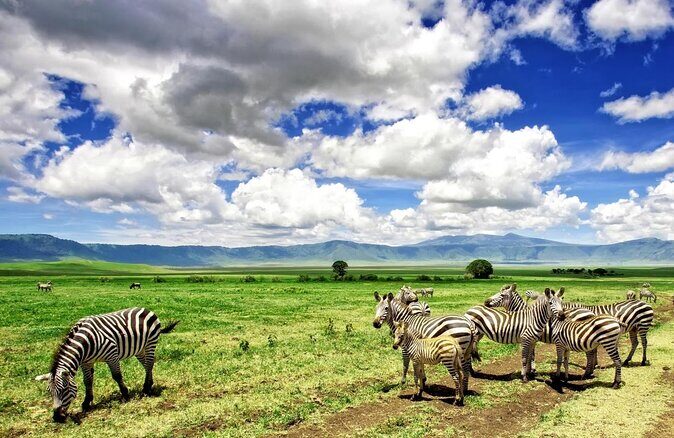
- Serengeti time that’s actually useful: not one day, but several days to improve your odds
- Tree-climbing lions at Lake Manyara: a famous target, especially if you time your sighting right
- Ngorongoro Crater as a full game-drive day: more time than a quick pass around the rim
- Optional balloon safari: extra cost, but a totally different way to see the plains from above
- Loliondo via Pololeti Game Reserve: a classic detour that can feel quieter while still delivering wildlife
- Guides known for sharp animal-spotting: people like Muktar and Shabani are praised for finding wildlife from the road
From Kilimanjaro Airport to Arusha: the easy on-ramp
Your safari starts with pickup from Kilimanjaro Airport, then you head to Arusha, Tanzania’s tourism hub. Arusha is a good launching point because it’s set up for visitors, and you typically feel the change in pace the moment you land—smoother, calmer, and more focused on the trip ahead.
On the Arusha portion, you’re not stuck in a long travel marathon right away. You get that first night’s context: this is northern Tanzania, which means you’re about to do serious national-park time across different habitats, not just one or two big areas.
A few more Moshi tours and experiences worth a look


Tarangire National Park: elephants first, then everything else
Tarangire National Park is the day that usually makes the camera come out fast, mainly because it’s well known for its elephants. But this isn’t an elephant-only outing. The format is a full-day safari block (listed as about 5 hours of park time), which gives you a better chance to see a mix of animals instead of one highlight and then a long quiet stretch.
If you want value from your safari time, Tarangire is a smart early move. Elephant activity can set the tone: you get practice reading the landscape—where animals come and go, and how the terrain changes your best viewing angles.
Possible drawback: because it’s a dedicated game drive day, you’ll want to accept that the best viewing is the viewing you get, not the viewing you schedule. Wildlife timing is wildlife timing.
Lake Manyara: the famous lions on branches
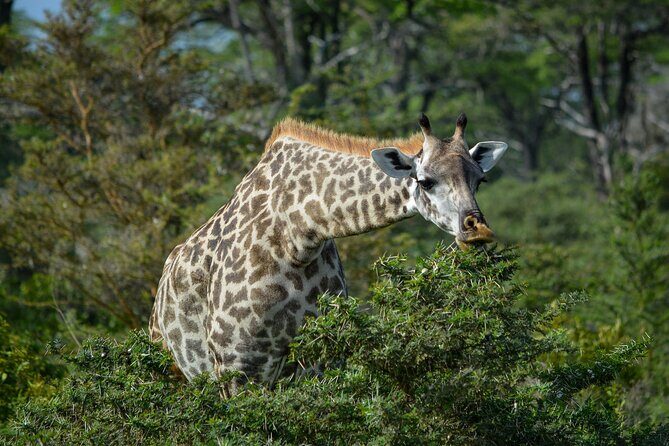
Lake Manyara National Park is the next stop, and it’s famous for tree-climbing lions. That doesn’t mean you’ll see them on cue, but it does mean the area is known for exactly that kind of behavior—so your guide will likely work the viewing areas with that possibility in mind.
Another reason I like Manyara in this itinerary: it breaks up the “plain after plain” feeling you’ll get in the Serengeti. You’re dealing with a different kind of ecosystem, which can make the safari feel less repetitive.
Practical consideration: the park time here is listed at around 6 hours. That’s plenty to search, but it also means you’ll stay in “wildlife mode” longer than a typical day tour.
Lake Ndutu: a Serengeti-style afternoon with Ngorongoro scenery
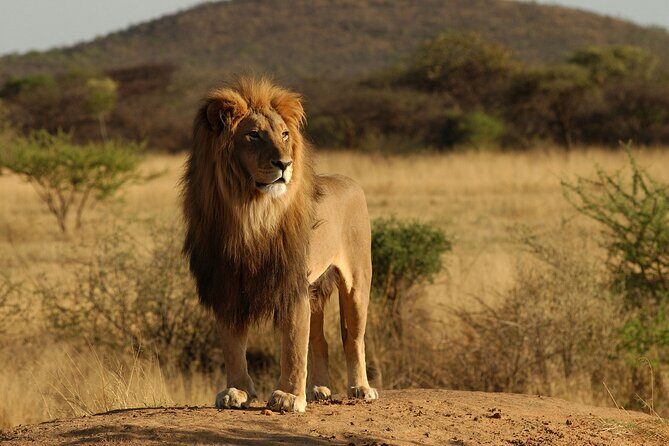
This day sits in a sweet spot between parks. You go to the Lake Ndutu area, and you get stunning Ngorongoro Crater scenery before another afternoon game drive in the Lake Ndutu region.
What makes this stop valuable is the visual scale. You’re already in northern Tanzania, and the crater is the centerpiece everyone talks about—seeing it from nearby helps the later full crater day make more sense. It also gives you a change of rhythm: you’re not just chasing animals inside one fenced park boundary; you’re looking at the bigger volcanic story of the region.
A note on logistics: this portion lists admission as included, so it’s one of the days where you can feel more confident about what’s covered.
Serengeti National Park: multiple days, better odds
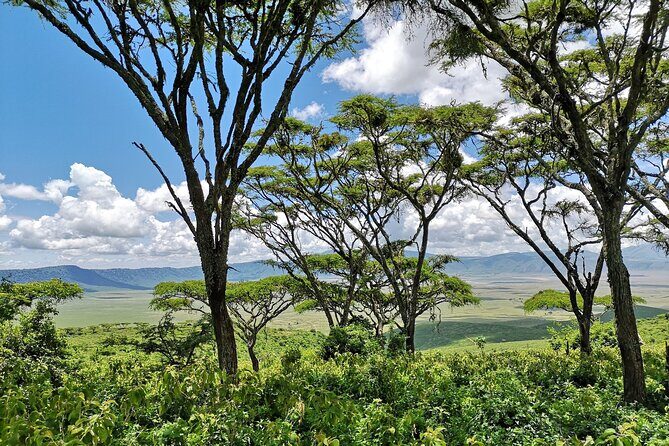
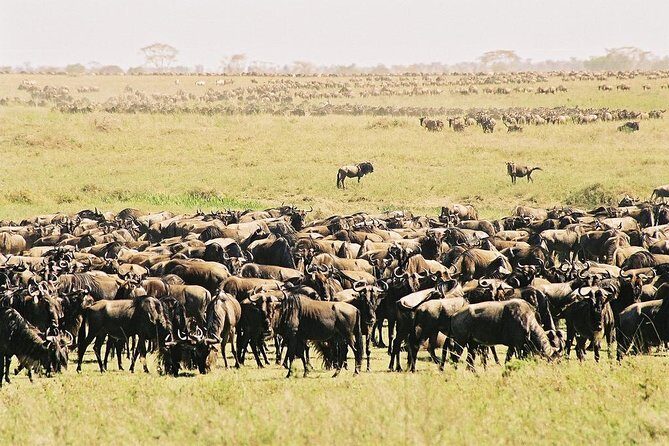
Then comes the core: Serengeti National Park, where the game viewing approach changes from hunt-and-hope to pattern-finding. The itinerary places you in Serengeti for multiple days, which matters because Serengeti is huge and wildlife patterns shift across the days.

Why the Serengeti days feel different
The Serengeti blocks are each listed at about 6 hours of park time, and repeating Serengeti like this gives you a real advantage. You’re not restarting from scratch each day—you’re learning where animals have been, how the light and movement change, and how the guide is reading the landscape.
Also, you’re specifically positioned for classic encounters. The Big Five are highlighted as commonly seen in the Serengeti: buffalo, elephant, giraffe, lion, hippo, plus hyena (also referenced). That’s not a guarantee of every single animal on every trip, but it sets expectations for the kind of sightings you’re there for.
Serengeti balloon safari: optional but worth asking about
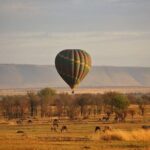
One of the standout options here is a balloon safari, listed as available at an extra cost. Even if you don’t book it, knowing it’s on the table can help you plan the tone of your day: you can decide whether you want the time in the air or to stay purely in the vehicle and keep searching on ground level.
Loliondo and Pololeti Game Reserve: a classic detour with big energy
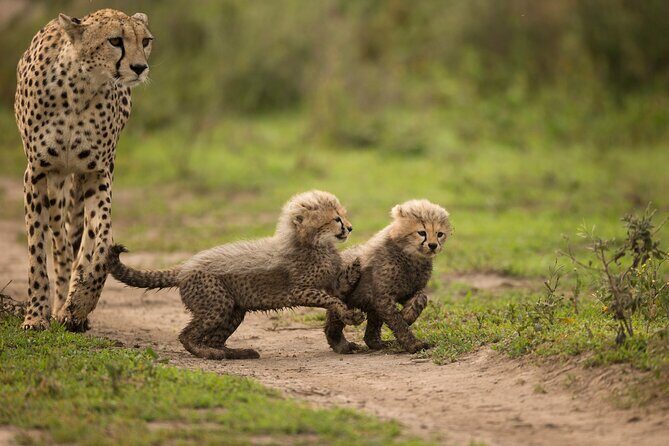
Next you drive through Loliondo, specifically via the Pololeti Game Reserve. This day is listed at around 6 hours and focuses on wildlife sightings while driving through the reserve area.
What I like about including Loliondo in a “Northern Tanzania classics” route is that it can feel like a pressure-release valve. Serengeti is famous (and sometimes busy), while this detour gives you another set of landscapes and movement patterns. The itinerary calls out hunting lions, elephants roaming, buffalo grazing, and galloping antelope as possibilities—so you’re still in chase mode, but with a slightly different vibe.
Practical consideration: you’ll be spending another concentrated block in the vehicle. If you tend to get antsy, this is the day you’ll want to treat like a long photo walk, not like a quick sightseeing drive.
Ngorongoro Crater: a full day inside the spotlight
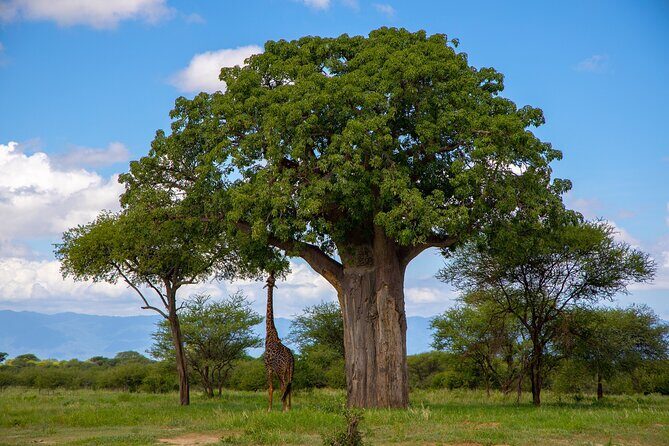
The big finale is a full-day game drive at Ngorongoro Crater, described as the biggest preserved volcanic crater in the world. This is where the northern circuit’s planning starts to pay off visually and emotionally. When you’ve spent days in surrounding areas, the crater feels like the main event rather than just another stop.
Why a full day matters: crater wildlife viewing can be intense, and the best moments can cluster. Having the whole day listed gives your guide time to keep searching and adjusting rather than squeezing everything into a half-day schedule.
Admission here is listed as included, which helps you feel less like you’re juggling add-ons.
Private service, real names, and the safety factor that matters
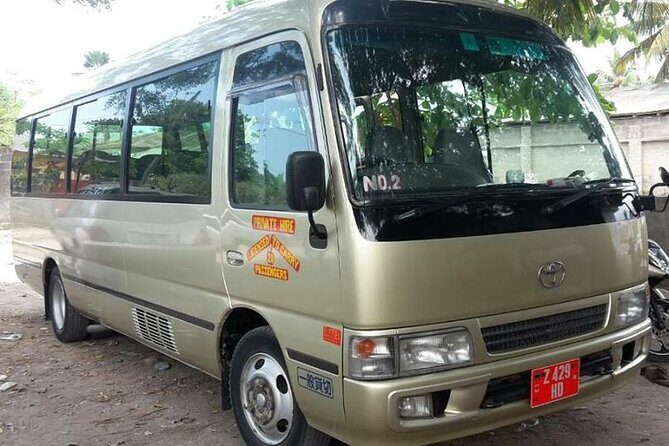
This is a private tour, meaning only your group participates. That matters more than people think, especially on safari: you’re not negotiating with other schedules, and your guide can keep the drive style consistent with your group’s pace.
The guiding style also comes through in the names tied to the experience. People such as Muktar are described as caring, funny, and very knowledgeable, and Alfonso is mentioned as a driver-guide with strong language skills. Another guide name you may encounter is Shabani, noted for spotting animals and birds while driving.
The biggest takeaway for me: the emphasis on feeling safe and supported. On safari, that’s not a small thing—it’s what lets you actually enjoy the animals instead of scanning for problems.
Meals, time on the road, and where the included value shows
Your package includes breakfast (10), lunch (10), and dinner (10), plus landing and facility fees. It also lists admission tickets as free for many park days and included for specific parts like Ndutu and Ngorongoro.
That matters when you look at value. A $4,073 per person safari isn’t just about the vehicle and the parks. It’s also about what’s taken care of versus what you’d otherwise be paying for separately—meals, some fees, and the entry/park costs that can add up quickly on a multi-park route.
One caution: the itinerary shows daily park time blocks, but it doesn’t spell out long gaps for rest. In other words, you’ll likely feel the day rhythm as “go, see, repeat.” That’s great for wildlife lovers, less great if you want lots of free afternoons.
Price and logistics: what you’re really buying for $4,073
At $4,073 per person (for an 11-day trip), the question isn’t whether it’s “cheap.” It’s whether it’s efficient.
This route is built around:
- Multiple parks with elephant, lion, Serengeti plains, and crater highlights
- Several Serengeti days (better odds than one)
- Included meals and key fee categories
If you’re the type who wants your money to translate into time in prime wildlife zones, this package has a clear logic. If you prefer a lighter schedule, fewer moves, and more downtime, you may want to shop for a shorter or more relaxed itinerary.
Who should book this Northern Tanzania classics safari?
This one fits best if you:
- Want a classic northern circuit packed into 11 days
- Prioritize wildlife time, not just quick photo stops
- Like the idea of multiple Serengeti days for improved chances
- Appreciate having a guide who can explain nature and culture while driving (names like Christofer are referenced with culture knowledge)
It may be less ideal if you:
- Get worn out by long days in the safari vehicle
- Prefer a slower pace with more independent downtime between parks
Should you book this safari from Moshi/Arusha?
My take: book it if you want a serious northern Tanzania wildlife run with enough Serengeti time to matter. The structure—Tarangire to Manyara to Ndutu to multiple Serengeti days, then Loliondo and a full Ngorongoro Crater day—reads like it was planned by people who know that wildlife viewing improves with repetition.
Before you commit, do two simple checks:
- Confirm what your group wants most: more ground viewing time versus adding the optional balloon safari
- Make sure you’re comfortable with a packed rhythm of park game-drive blocks
If that sounds like your kind of trip, this is a strong match.
FAQ
How long is the Northern Tanzania classics safari?
It’s approximately 11 days.
Where does the safari start and where does it end?
It starts with pickup from Kilimanjaro Airport (and the trip begins in Arusha), and it ends with a transfer to Kilimanjaro International Airport.
What meals are included in the price?
The package includes 10 breakfasts, 10 lunches, and 10 dinners.
Is park admission included?
Admission is listed as free for many of the park days, with certain parts marked as included, such as the Ndutu day and the Ngorongoro Crater day.
Do I need a visa for Tanzania?
The tour information says visa is not included.
Is the safari private?
Yes, it’s a private tour/activity, and only your group participates.