REVIEW · MOSHI
9 Days Great Migration Safaris with Kojuu Safaris Africa-Luxury.
Book on Viator →Operated by Kojuu Safaris Africa · Bookable on Viator
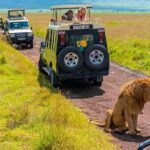
Wildlife at eye level in Tanzania. That’s the point here, and Kojuu Safaris Africa-Luxury builds the days around the Great Migration with locally rooted guides and a smooth, door-to-door flow from Kilimanjaro Airport. I like that you start with a proper safari briefing and then get into the parks fast, and I also like the comfort details on safari: a custom open-roof Land Cruiser stocked with cold drinks, snacks, and water so you’re not constantly hunting for basics.
One thing to consider: this is long-drive safari timing. You’ll do full game-drive days and early starts for sunrise or best crossing chances, and the trip depends on good weather for parts of the experience.
In This Review
- Key highlights to look for
- Why Kojuu’s Great Migration safari works (even when the plains are wild)
- Price and value: what $4,110.96 per person is really buying
- Getting started: Kilimanjaro Airport to Arusha, with your name on the sign
- Day 2 Tarangire National Park: elephants, baobabs, and water in the dry season
- Days 3 to 6 in Serengeti: Mara River crossing time, built over multiple days
- Day 7: Final Serengeti game drive, then a calmer evening in Karatu
- Day 8 Ngorongoro Crater: Africa’s Garden of Eden for wildlife density
- Day 9 Arusha pool time and flying out with lunch on board
- What it feels like on safari: vehicle comfort, pacing, and safety cues
- Who should book this Great Migration tour
- Should you book Kojuu Safaris Africa-Luxury’s Great Migration safari?
- FAQ
- Where does this safari start and end?
- How long is the safari?
- What parks and locations are included?
- Is airport pickup and transfer included?
- What’s included in the price?
- What is not included?
- Is this tour private?
- Can I cancel for a full refund?
- Is it dependent on weather?
Key highlights to look for
- Local, long-rooted guiding focused on what you’re seeing, not just where you’re going
- Serengeti Mara River crossings targeted across multiple days for better odds
- Tarangire elephants and baobabs as a strong warm-up park
- Ngorongoro Crater full-day wildlife with a resident predator-and-prey mix
- A stocked safari vehicle with cold drinks, snacks, fruits, and bottled water
- Safety and organization emphasis, including Flying Doctor insurance cover
Why Kojuu’s Great Migration safari works (even when the plains are wild)
The Great Migration is famous for being unpredictable in the details. The good news is that this safari doesn’t treat that as a problem to “solve.” It treats it as part of the show. You spend several days in the right Serengeti area—especially around the Mara River—so you’re not just doing one quick look and hoping.
What I’d call the real value here is how the trip is shaped around your actual time in the field. You’re not constantly packing and unpacking or rushing between faraway regions. Instead, you build momentum: Tarangire for big-animal energy, then Serengeti for migration focus, then Ngorongoro for a high-density wildlife finale. That sequencing matters, because it keeps your brain in safari mode.
Also, Kojuu stresses a local experience led by guides born and bred in Tanzania. I like that approach. When your guide understands local wildlife rhythms and the way the land changes in dry periods, you tend to notice more—small behaviors, not just big moments. On top of that, names like Judith (the owner) and Harun (a guide praised for friendliness and safety) show up in the kind of feedback you want to see: people feel watched over, and they learn what they’re looking at.
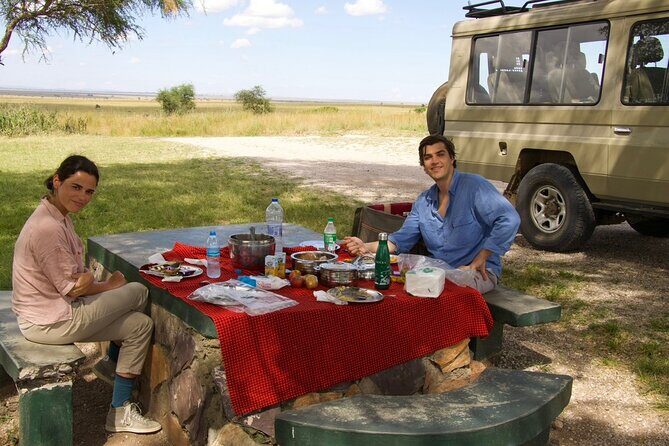
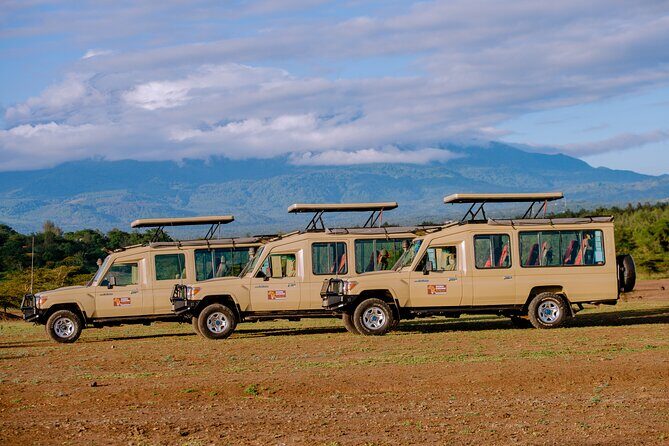
One practical perk: the safari setup leans comfortable without feeling flashy. You’re in an open-roof 4WD with the fridge/inverter setup and in-vehicle snacks and drinks. That’s a small thing that changes the day. You stay ready for that sudden “look over there” sighting instead of spending energy on logistics.
A few more Moshi tours and experiences worth a look
Price and value: what $4,110.96 per person is really buying
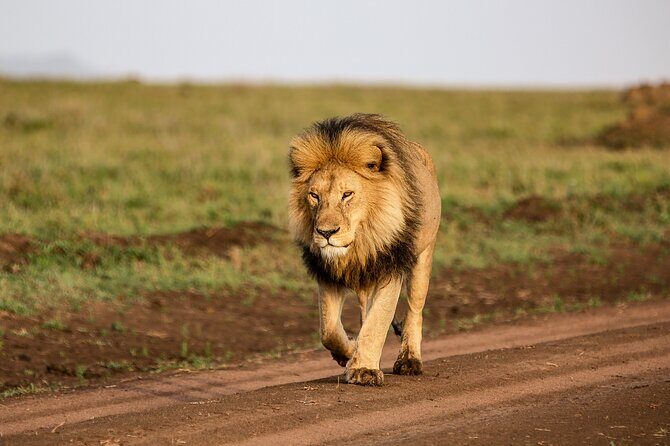
At $4,110.96 per person for roughly 9 days, this isn’t a budget safari. But it also isn’t priced like a mystery bundle where you later discover missing items.
Here’s what your money covers based on what’s included:
- Park and conservancy fees and the game park access (so you’re not adding surprise entry costs)
- All airport transfers and safari movement between key areas
- A safari briefing at the start with a travel specialist
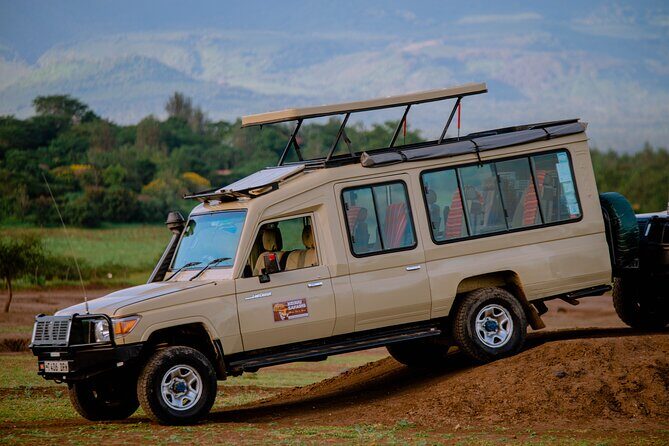
- Your safari vehicle: a custom open-roof 4WD Land Cruiser with fridge/inverter
- Food coverage: breakfast 9 times, lunch 8 times, dinner 8 times (plus what’s described in the flow)
- Drinks and snacks in the vehicle, including fruits and bottled water; you’ll also have regional wine available
- Flying Doctor insurance cover
- Accommodation as specified and safari swag (bush hats and Kojuu duffels)
- A Masai Village visit (included, though the exact timing isn’t spelled out day-by-day in the summary you have)
So where’s the “value” in practice? It’s in reducing friction. You get transport, fees, and guiding packaged together. That matters because on a safari, time lost to confusion is time lost to animals.
If you’re the kind of traveler who wants freedom but not chaos—someone who’d rather pay more and avoid wasted hours—this price structure makes sense. If you’re a hardcore budget planner, you might find lower-cost group safaris. But you’d likely trade away parts of the comfort and the clarity built into this program.
Getting started: Kilimanjaro Airport to Arusha, with your name on the sign
Day 1 is built for jet lag sanity.
You arrive at Kilimanjaro International Airport, handle check-in and the document checks, then head to the exit area where a Kojuu driver guide meets you with a signboard showing your name. That “find you fast” detail is genuinely useful when you’re tired and carrying bags. The driver takes your luggage, and you’re transferred to Arusha.
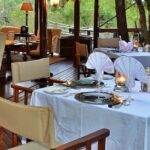
On arrival, the driver guide helps you with hotel check-in while a porter moves your luggage to your room. Then you get dinner at the restaurant and the option to relax, take photos in the facility area, and turn in early.
Why this day matters: it protects your first real safari day. Instead of losing energy negotiating transport, you get oriented and rest up. You’ll also be thinking about what’s next—Tarangire and then Serengeti—so having that smooth handoff helps you enjoy the trip instead of surviving it.
Day 2 Tarangire National Park: elephants, baobabs, and water in the dry season
After breakfast you drive to Tarangire National Park for a full-day game drive. The drive is about 2 hours (around 120 km from the Arusha area), which is a nice ramp-up: far enough to feel like a real safari day, close enough that you’re not wrecked by transit.
Tarangire stands out for a couple reasons:
- It’s famous for large herds of elephants
- It’s known for baobab trees, which shape the scenery and make the wildlife feel even more “grounded” in place
The park also has a big advantage in dry periods: a permanent water source. That pulls animals into predictable patterns, which means your guide can set you up for sightings.
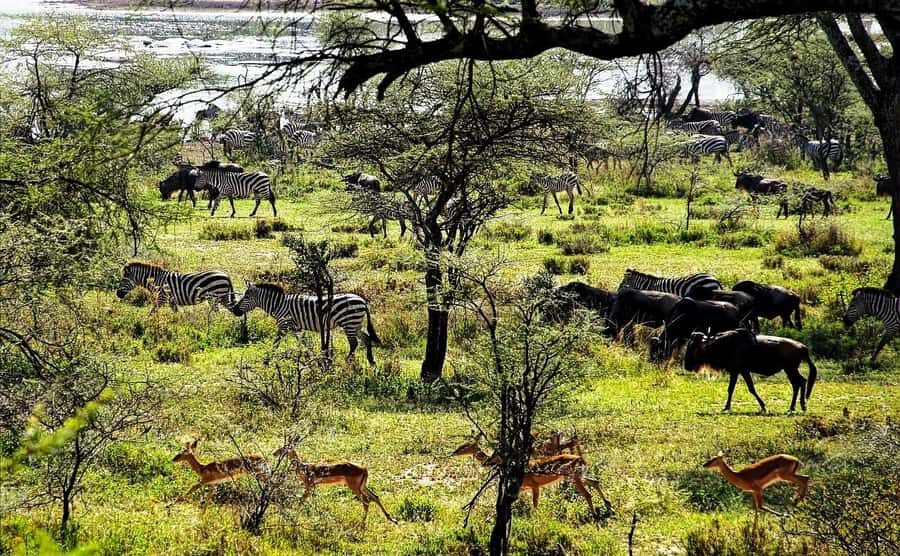
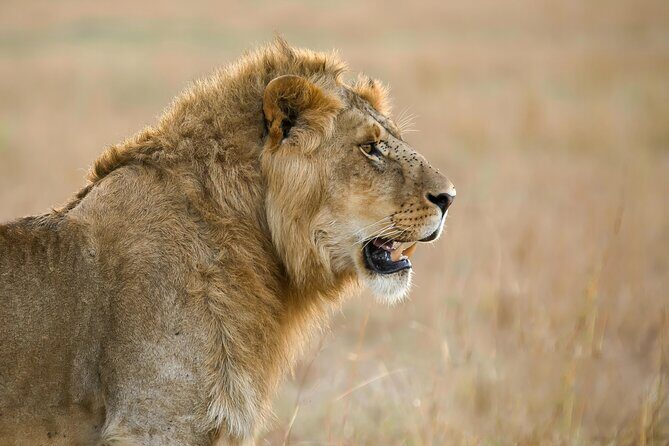
In plain terms, Tarangire is a fantastic day to see animals at a relaxed pace and get your safari eyes working. Expect to look for elephants, buffalos, lions, giraffes, and even leopard if conditions line up. You’re not just ticking boxes here. You’re learning how the land behaves, and you’re starting to see how animal movement relates to water and cover.
Days 3 to 6 in Serengeti: Mara River crossing time, built over multiple days
This is the heart of the trip. You’ll spend several days in Serengeti National Park, with the driving flow taking you via the Ngorongoro Conservation Area at the start of your Serengeti phase.
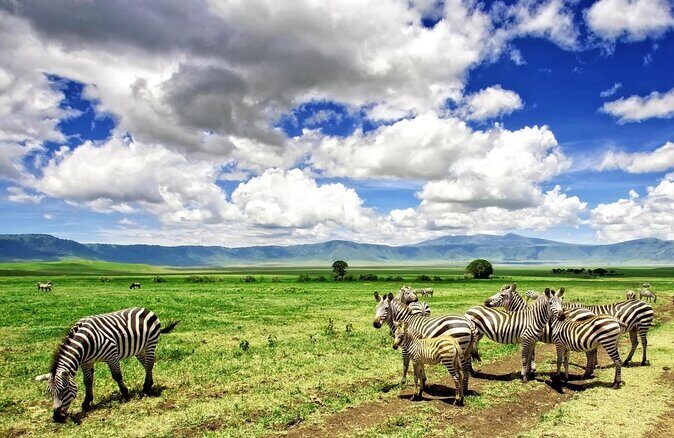
On Day 3, you’re picked up early with the driver guide and chef, then you head into Serengeti for game viewing. Serengeti is described as huge—about 15,000 sq km—and it’s often called the endless plains. This park is also known for big-cat chances. The summary includes references to the Big Five in Serengeti context, including lion, leopard, bush elephant, African buffalo, and black rhino.
Then you move deeper into the crossing-focused timing:
- Day 4 heads toward the northern area, aiming for the Mara River crossing in the afternoon.
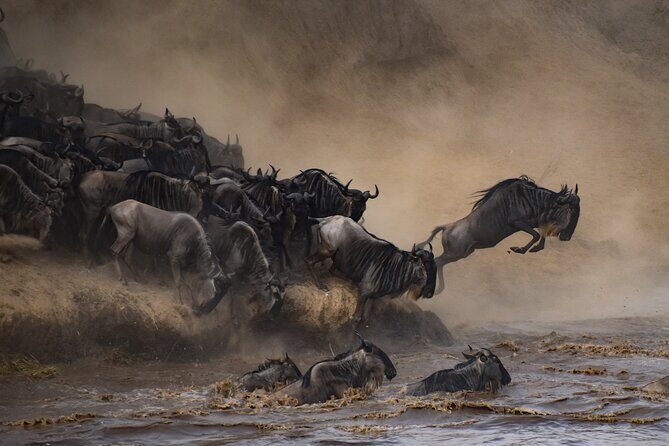
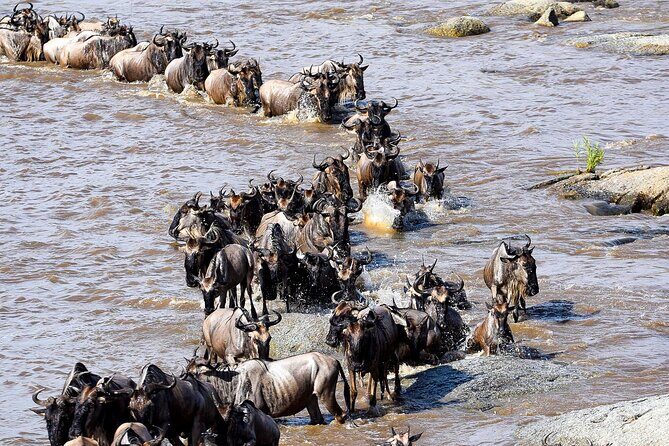
- Day 5 is a full day focused on the migration around the Mara River, spending the day there if you’re chasing the action.
- Day 6 is another early start morning by the river, then later you shift back toward central Serengeti for more wildlife viewing and to change the day’s rhythm.
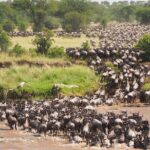
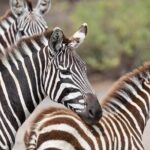
The Mara River portion is where you’ll see the migration’s drama. The summary highlights the scale: over 1.2 million wildebeest and zebra, with gazelle and topi, moving through the Mara ecosystem in search of grass and water. That’s the part you’ve likely seen in documentaries, but here’s the difference you’ll feel in person: you’re watching animal decision-making at ground level—where they cluster, where they hesitate, where they surge.
A couple practical points for your mindset:
- Don’t treat sightings as guaranteed. Treat them as an outcome you improve through time and position. Spending more days in the right area is the smartest strategy here.
- Early mornings and long hours are part of the plan. You’ll do sunrise-style starts, then you’ll return for breakfast and continue later.
Also, this part of the trip is where the guide earns their keep. A good guide helps you read behavior: who is nervous, who is alert, what direction the herd is testing. In feedback, Harun is singled out for knowledge of animal behavior and for making guests feel safe. That combination matters a lot when you’re out on open terrain.
Day 7: Final Serengeti game drive, then a calmer evening in Karatu
Day 7 keeps the Serengeti streak going, but shifts the emotional pace.
You start with breakfast, then go for a final game drive. In the afternoon, you drive toward Karatu for relaxation, dinner, and overnight. The crater is coming tomorrow, so this is a “reset” day: you’re still on safari, but you’re moving your base closer to Ngorongoro Crater.
Why I like this kind of staging: it reduces stress the day you’re likely to be a little extra excited. You won’t be arriving at the crater zone exhausted after a long, rough-day drive. You’ll have a proper night to recharge, and that improves how you experience the crater’s unique terrain.
Day 8 Ngorongoro Crater: Africa’s Garden of Eden for wildlife density
Ngorongoro Crater is the kind of place that makes you look around like you’re checking your senses. The plan is a full day game drive there after an early breakfast.
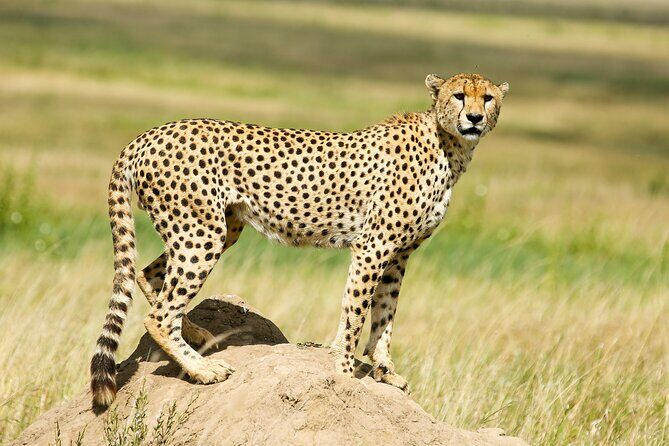
The crater is described as Africa’s Garden of Eden, and the big idea is preservation and density. Inside the caldera you get a mix of grassland, forest, and swamp. There’s also permanent water on the crater floor, and that supports a large resident wildlife population.
The summary includes an impressive number: more than 25,000 large mammals. The list of wildlife you might see includes leopard, lion, black rhino, hyena, zebra, waterbuck, baboons, and others.
This is also the day where your guide’s scanning skill becomes critical. Crater terrain can be open in some stretches and tricky in others. The animals aren’t always clustered where you expect, so you’ll rely on the guide spotting movement and adjusting the vehicle position.
In other words: you’ll get the drama of “wow” wildlife moments, but you’ll also appreciate the method behind the viewing.
Day 9 Arusha pool time and flying out with lunch on board
The last day is thoughtfully gentler.
You have breakfast in the Arusha area, then you get time by the pool, with the option to swim. In the afternoon, lunch is provided, and then you’re transferred to Kilimanjaro International Airport for your onward flight.
This day is not just a travel convenience. It’s a nice emotional landing. After several days of early mornings, long drives, and constant wildlife focus, pool time gives your body a chance to recover. You’ll likely feel satisfied rather than rushed.
What it feels like on safari: vehicle comfort, pacing, and safety cues
One of the best parts of this tour setup is that it doesn’t leave you guessing whether you’ll be comfortable for long hours.
You’ll ride in a custom built open-roof 4WD Land Cruiser with a fridge and inverter. You also have soft drinks, regional wine, snacks, fruits, and bottled water available in the vehicle. That means when you’re out there watching and waiting for the next animal moment, you’re not hungry, not dehydrated, and not constantly asking for basic things.
You’ll also have Flying Doctor insurance cover, which is worth mentioning not because you expect emergencies, but because it adds peace of mind when you’re far from hospitals.
And while no guide can guarantee sightings, the trip’s structure improves your odds. Multiple Serengeti days focused on the Mara River, plus Tarangire before that and Ngorongoro at the end, gives you variety and reduces the chance you’ll feel like you “missed” the migration.
Who should book this Great Migration tour
This safari fits best if you:
- Want private tour comfort: it’s for your group only, not a mixed crowd
- Care about good guiding and safety, not just driving up to a fence and taking photos
- Like a structured itinerary with included park fees and transfers, so your planning workload is low
- Are excited by the idea of spending several days in Serengeti, not just one
It might feel less ideal if you:
- Hate early mornings and long game-drive days
- Want a flexible, self-guided safari where you choose stops day by day
- Are very price-sensitive and would rather trade comfort and included items for a lower total cost
Should you book Kojuu Safaris Africa-Luxury’s Great Migration safari?
If your dream is the Great Migration with enough time to actually look for it, I think this is a strong option. The combination of Mara River-focused days, a comfortable stocked Land Cruiser, included park fees, and an emphasis on local guiding makes the trip feel efficient without feeling rushed.
My checklist before you commit:
- Confirm your travel dates and plan around good weather expectations.
- Make sure you’re comfortable with full-day drives and early starts.
- If you want the most learning from the day, communicate what you care about—predators, elephants, birdlife, or the river crossing action—during the safari briefing.
For the money, you’re paying for reduced friction and better time in the field. For most people chasing that once-in-a-lifetime migration energy, that’s exactly what you want.
FAQ
Where does this safari start and end?
It starts with pickup at Kilimanjaro International Airport and ends with a transfer back to Kilimanjaro International Airport for your onward flight after breakfast and lunch time in the Arusha area.
How long is the safari?
It’s 9 days (approx.).
What parks and locations are included?
You’ll visit Tarangire National Park, Serengeti National Park (multiple days), and Ngorongoro Crater. You also spend time in the Arusha area and have a Masai Village visit included.
Is airport pickup and transfer included?
Yes. All airport transfers are included.
What’s included in the price?
Included items are park and conservancy fees, airport transfers, a safari briefing, the open-roof 4WD Land Cruiser with fridge and inverter, in-vehicle refreshments (soft drinks, regional wine, snacks, fruits, and bottled water), accommodation as specified, Flying Doctor insurance cover, and meals listed (breakfast 9, lunch 8, dinner 8), plus safari swag like bush hats and duffels.
What is not included?
International airfares, domestic/international departure tax, visas, travel and health insurance, and meals/excursions not described in the itinerary are not included.
Is this tour private?
Yes. It’s a private tour/activity, and only your group participates.
Can I cancel for a full refund?
Yes. Free cancellation is available up to 24 hours in advance for a full refund, based on local time.
Is it dependent on weather?
Yes. The experience requires good weather, and if it’s canceled due to poor weather, you’ll be offered a different date or a full refund.