REVIEW · ARUSHA
From Arusha: Tarangire and Ngorongoro Crater 3-Day Private Safari
Book on Viator →Operated by Beach & Safari · Bookable on Viator
Three days, two headline parks, one unforgettable crater. From Tarangire to Ngorongoro Crater, this is a tight Northern Circuit-style run with private time in the animals’ real settings and not just quick photo stops. I especially liked the way Tarangire delivers big safari energy fast, with famous baobabs and a strong elephant presence. I also liked that Ngorongoro is a true full-day moment, where you get a chance at Big 5 sightings from inside the caldera.
One thing to think about first: this tour asks for moderate physical fitness and it runs on early starts, with long driving days and a full-day crater experience. Also, park fees are included, but you’ll still pay additional government taxes at check-in, so I recommend budgeting a little extra.
In This Review
- Key Highlights You’ll Actually Care About
- Arusha to Tarangire and Ngorongoro: The Safari Logic Behind a 3-Day Plan
- Day 1 in Tarangire National Park: Baobabs, Elephants, and a Proper First Game Drive
- Day 2 Inside Ngorongoro Crater: One Long Day, Big-5 Odds
- Sleeping by Lake Manyara: Africa Safari Lake Manyara’s Wildlife-Latched Location
- Meals and What You’re Actually Buying in the Price
- Price and Logistics: $1,088 Looks Simple, Then Taxes Show Up
- The Real Role of Your Driver-Guide (Safety, Routes, and Animal Explanations)
- Comfort Tips for a Smooth 3-Day Circuit
- Who This Safari Fits Best (and Who Might Want Another Option)
- Should You Book This Tarangire and Ngorongoro Private Safari?
- FAQ
- Is this a private safari or a shared group?
- How long is the safari?
- Which parks are included?
- Where do you stay overnight?
- What’s included in the price?
- What extra fees might I pay at check-in?
- What start time window is available?
- Are drinks and tips included?
Key Highlights You’ll Actually Care About
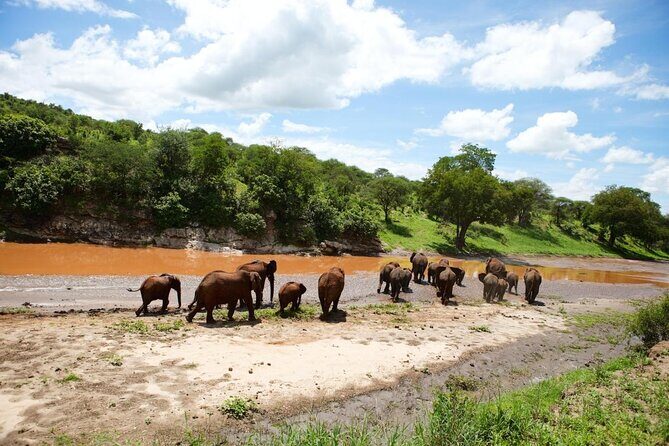
- Tarangire’s baobab scenery plus elephant-heavy game viewing for a first-day payoff that feels instantly worth it
- Ngorongoro Crater as a full-day destination with real odds for Big 5 sightings from the crater floor
- Overnight at Africa Safari Lake Manyara right next to the lake, so your “wild” atmosphere starts early and lingers after dark
- Private safari flow with a driver-guide and your group moving together, not getting chopped up by other parties
- Meals and park fees included (lunches, breakfasts, dinners), which helps keep your on-the-ground budgeting simple
- Driver quality shows up fast in reviews, with names like Khalid and Julius called out for safe driving and wildlife spotting
Arusha to Tarangire and Ngorongoro: The Safari Logic Behind a 3-Day Plan
This is the kind of safari that works if you want the classics without spending a week living in a vehicle. You’re in a compact route that starts in Arusha, then jumps straight into Tarangire, and finishes with Ngorongoro as the big capstone. The rhythm matters: Tarangire is a strong warm-up, then Ngorongoro is where the crater spectacle does its job.
You’ll have your own private group, so your day isn’t governed by when the slowest group finishes a viewing. That usually means less back-and-forth and more time where the action is. It also makes it easier to ask questions and adjust your pace, which matters a lot when you’re trying to spot animals that move at their own speed.
You can also read our reviews of more private tours in Arusha

Day 1 in Tarangire National Park: Baobabs, Elephants, and a Proper First Game Drive
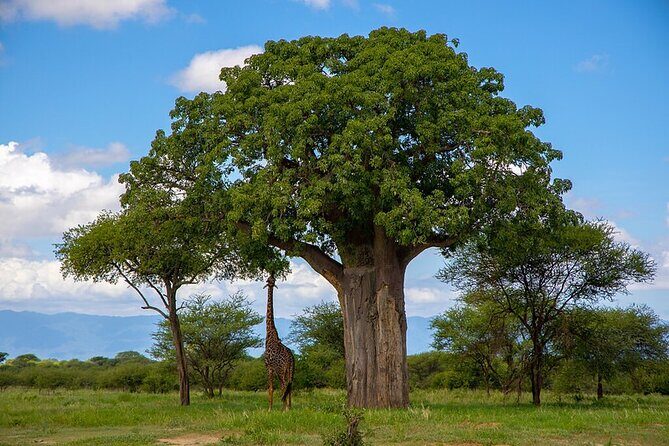
Your safari begins with pickup from your hotel or the airport in Arusha, then you head out to Tarangire. Day 1 is built around one thing: a full game drive in Tarangire National Park for about six hours. That’s a good length because it gives wildlife a chance to show patterns, like where herds move and what predators do when they’re hunting.
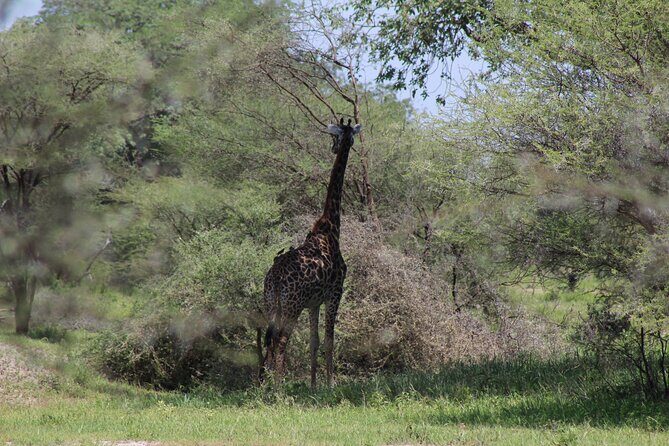
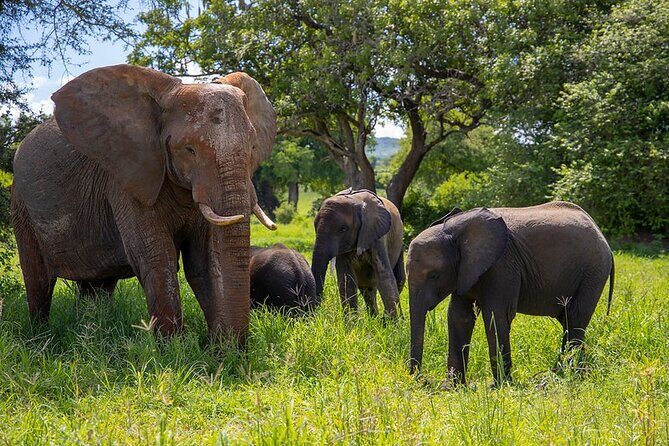
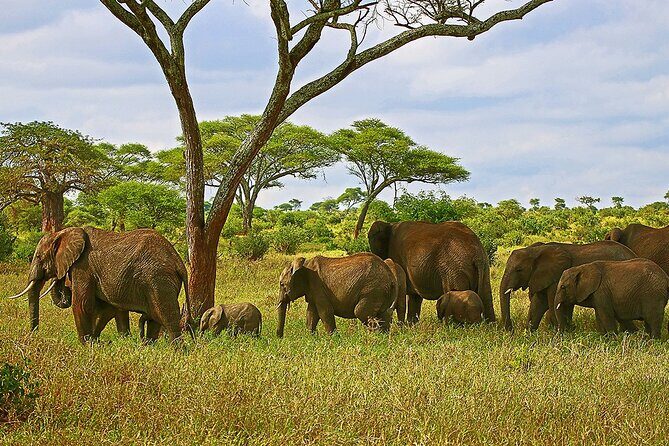
Tarangire is known for its scenic baobabs, and that’s not just a postcard detail. Baobabs create visual anchors across the park, so spotting giraffes, elephants, and other animals becomes easier when you can orient yourself. The tour also leans on one of Tarangire’s best claims: it has the largest elephant population in Northern Tanzania.
In plain terms, that means your first day has a higher chance of delivering those classic “this is really Africa” moments early—elephants feeding, crossing, or holding steady in open ground where you can get views. If you’re the kind of traveler who gets restless when you don’t see much movement, this itinerary is designed to prevent that.
A small practical note: you’ll likely feel the pace more than you expect on Day 1, because it’s a full day drive with a long viewing window. Wear shoes that handle dust and dry surfaces well, and pack a light layer for early morning and late afternoon temperatures.
Day 2 Inside Ngorongoro Crater: One Long Day, Big-5 Odds
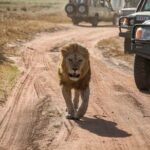
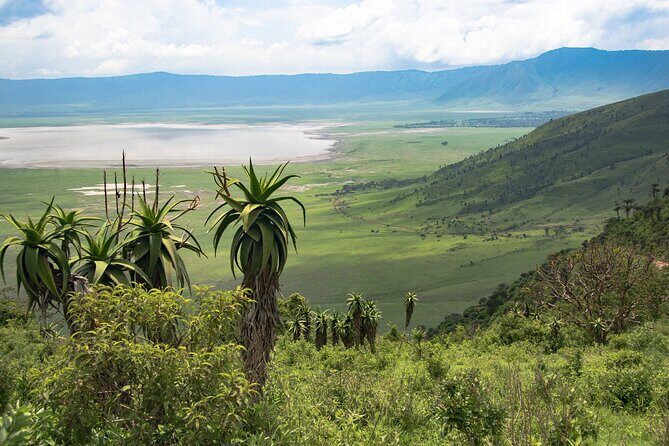
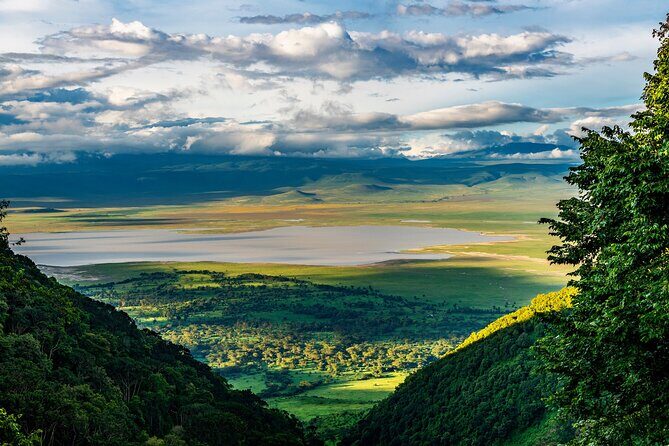
Then comes the day most people plan the trip for: Ngorongoro Crater. You get another full game drive for about six hours, and you’re specifically set up for a Big 5 chance. The crater is described as the world’s largest intact volcanic caldera, which is a neat way of saying the geology does the heavy lifting for the wildlife drama.
Why does that matter for you? Because a caldera concentrates animals. Instead of searching huge terrain for wildlife, the setting funnels visibility into a bowl-like world with predictable animal movement. It’s the rare safari layout where your chances feel less like luck and more like timing and attention.
The itinerary stays focused: one destination day, no rushing to squeeze in multiple parks. That’s a good match for Ngorongoro because conditions shift through the day, and wildlife activity can rise and fall with light and temperature. If your goal is to see as much as possible from the crater floor without feeling frantic, this structure helps.
Based on what I’ve learned from real safari guiding, the quality of your driver-guide makes a measurable difference in how Ngorongoro feels. In reviews, guides like Khalid are praised for safe driving and good routes, plus strong wildlife knowledge. Another guide, Julius, is described as professional and helpful, with careful explanations of animal habits. That kind of guidance matters when you’re scanning: you’re not just looking, you’re learning what you’re looking at.
Sleeping by Lake Manyara: Africa Safari Lake Manyara’s Wildlife-Latched Location
You’ll spend the night at Africa Safari Lake Manyara, and the key detail is location: the accommodation is right next to the lake. That’s more than scenery bragging rights. When your lodging is close to wildlife habitat, the whole trip feels more continuous, not just “daytime safari then hotel.”
The plan includes breakfast and dinner, and it’s full board across the tour (two breakfasts, two lunches, two dinners). That inclusion matters because safaris can get expensive fast once you add drinks, extra meals, and snacks purchased on the road. Here, at least the main food needs are handled, so you can spend your energy on viewing, not menus.
From a comfort standpoint, I’d treat “near the lake” as a reminder to pack accordingly. Even if the day is warm, evenings near water can feel cooler or damp depending on the season. A light layer and something to protect electronics from dust are the kind of practical details that keep your trip smooth.
Meals and What You’re Actually Buying in the Price
Let’s talk value, because this tour lists a clear set of included items, and that’s where the deal either holds up or it doesn’t. Included in the price are:
- Park fees
- Lunch (2)
- Breakfast (2)
- Dinner (2)
In other words, you’re not paying twice for the big “on safari” expenses that usually surprise people. Park fees are a major part of safari costs in Tanzania, and having them included helps you plan without guesswork.
You’ll still want to plan for personal expenses, drinks, and tips, since those aren’t included. That’s normal, but it helps to treat it as part of your safari budget instead of a sudden add-on at the last minute.
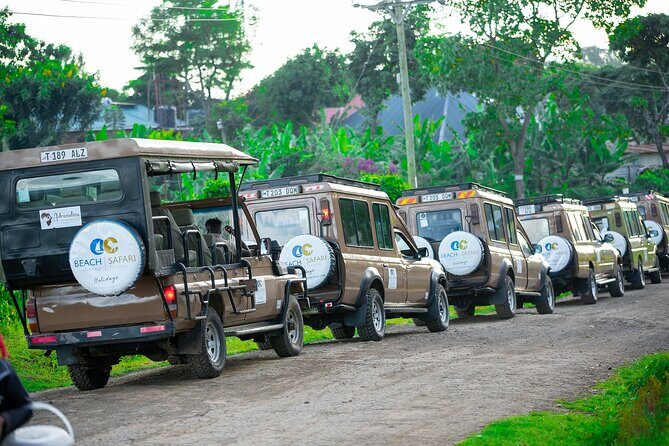
Also, the tour offers a pickup and uses a mobile ticket, and it runs as a private tour/activity. Those details may sound small, but they affect your day-to-day experience. Private means you keep your own timeline, and mobile ticketing reduces the chance of paperwork chaos before you even leave Arusha.
A few more Arusha tours and experiences worth a look
Price and Logistics: $1,088 Looks Simple, Then Taxes Show Up
The listed price is $1,088.00 per person for this 3-day private safari. On its face, that can look either like a bargain or a stretch, depending on what you usually pay for safaris in East Africa. The reason this one can feel like solid value is that park fees and most meals are included.
But here’s the part to plan for: not all mandatory charges are included. At check-in, you’ll pay:
- Tourism Development Levy of $1.50 per person per night
- Village tax of $1.00 per person per night
That’s not a dealbreaker, but it is real money, and it’s best to budget for it. If you like knowing your final total ahead of time, assume there will be small add-ons like this, then you’re never caught off guard.
Timing is another practical piece. The experience is available within a daily window of 6:00 AM to 10:00 AM, and you should expect an early start. Early starts aren’t just for show in Tanzania—they often put you on the road when animals are most active and when driving conditions are calmer.
The Real Role of Your Driver-Guide (Safety, Routes, and Animal Explanations)
On safari, the vehicle is your moving viewpoint, but your driver-guide is your field assistant. The difference is how well they find animals, how safely they drive, and how clearly they help you understand what you’re seeing.
In reviews tied to this kind of safari experience, Khalid is described as a great driver with good routes and wildlife knowledge, and praised specifically for driving very safely. Another review highlights Julius as professional, helpful, and discreet, with careful explanations about animal habits and the ability to detect wildlife even when it’s hard to spot.
That tells me something useful for you: if you book, treat your driver-guide like part of your safari checklist. Ask questions early. If you’re not getting clear explanations or if you’re constantly straining to see, speak up. A good guide can adjust their approach—where they stop, what angle they scan, how they guide your eyes—so you get more than just random sightings.
It also shows why the safari being private can be a plus. In a private setup, your guide’s attention is naturally focused on your group’s pace and interests.
Comfort Tips for a Smooth 3-Day Circuit
This itinerary is not described as extreme, but it does say you should have a moderate physical fitness level. I’d take that seriously. Safari days involve long seated driving, time outdoors scanning, and the reality of dusty roads and warm weather.
Here are practical things that help without making the trip complicated:
- Bring a light layer for morning and evening
- Pack a hat, sunglasses, and sunscreen
- Use sturdy shoes for uneven ground and dust
- Bring a small bag for snacks/water if you have personal preferences (drinks aren’t listed as included)
- Keep your camera ready, but also plan rest breaks so you don’t burn out before the best sightings
Also, because you’re driving multiple days back-to-back, hydration and simple snacks can help your energy level. Even with lunches included, you may want something extra in the field between meals.
Who This Safari Fits Best (and Who Might Want Another Option)
This safari fits best if you want:
- Classic Tanzania highlights in a short time window
- A private group experience with a driver-guide guiding your sightings
- Park fees and main meals handled, so your budgeting is cleaner
It’s also a good choice if you’re excited by the idea of Ngorongoro’s crater setting and want a real shot at Big 5 sightings, not just a quick stop.
Who might want to think twice? If you hate early starts, or if you’re sensitive to long hours in a vehicle, the 3-day structure might feel tiring. The itinerary is packed into two major game drives and one lake-side night, so it’s not a slow, restful itinerary.
And one more reality check: even when a safari is well run, wildlife is wildlife. The tour offers a chance at Big 5 sightings, not a guarantee, and timing depends on conditions. What you can control is choosing a quality guide and keeping your expectations flexible.
Should You Book This Tarangire and Ngorongoro Private Safari?
If you want an efficient, high-impact safari with two top-tier parks and a comfortable plan for food, I think this is a strong booking option. The best reasons to book are simple: Tarangire’s elephants and baobabs on Day 1, Ngorongoro’s full-day crater experience on Day 2, and an overnight by Lake Manyara that keeps the “wild” feeling going after sunset.
I’d only hesitate if you’re not comfortable with early departures, long drive-and-scan days, or if you dislike managing small additional taxes at check-in. If that’s you, you might look for a different pacing or a longer trip where travel days are spread out.
If your goal is to see real Tanzania wildlife fast, with private guiding and thoughtful inclusion of park fees and meals, this itinerary is built for your kind of adventure.
FAQ
Is this a private safari or a shared group?
It’s a private tour/activity, meaning only your group participates.
How long is the safari?
The duration is about 3 days.
Which parks are included?
You’ll visit Tarangire National Park and Ngorongoro Crater.
Where do you stay overnight?
You stay at Africa Safari Lake Manyara, located right next to the lake.
What’s included in the price?
Park fees are included, along with two lunches, two breakfasts, and two dinners.
What extra fees might I pay at check-in?
You’ll need to pay a Tourism Development Levy of $1.50 per person per night and a village tax of $1.00 per person per night.
What start time window is available?
The experience is scheduled within daily opening hours from 6:00 AM to 10:00 AM.
Are drinks and tips included?
No. Personal expenses, drinks, and tips are not included.