REVIEW · MOSHI
Kilimanjaro Climb – 7 Days Machame Route
Book on Viator →Operated by Incredible Africa Adventures · Bookable on Viator
That first step toward Machame Gate hits fast. This 7-day Machame (Whisky) Route is scenic, climbable, and built for better acclimatization than shorter options. I like the way it threads through changing zones—rainforest, moorland, semi-desert, then snow country.
Two things I really like: professional guides/porters/chef who keep the hike moving and the mood up, and the included 4-season tents plus three meals a day on the mountain. One possible drawback: you still face a big, high-altitude day when you go from Barafu to the summit and then down toward Mweka.
In short, this is the kind of trip that makes you earn the view—then hands you a team that helps you finish the job.
In This Review
- Key highlights you’ll notice right away
- Why the Kilimanjaro Machame Route (Whisky Route) is so popular
- Getting from Moshi to the mountain: what to expect
- Day-by-day: what each part of the Machame climb really feels like
- Day 1: Machame Gate to Machame Camp (rainforest, fast altitude start)
- Day 2: Machame Camp to Shira Camp (moorland, thinner air)
- Day 3: Shira Camp to Lava Tower to Barranco Camp (semi-desert to drama)
- Day 4: Barranco Camp to Karanga Camp (alpine desert, acclimatization day)
- Day 5: Karanga Camp to Barafu Camp (alpine desert, gearing up for summit night)
- Day 6: Barafu Camp to summit and down to Mweka Camp (the make-or-break day)
- Day 7: Mweka Camp to Mweka Gate and back to Moshi (relief in the rainforest)
- Crew support, food, and tents: the stuff that determines comfort
- Price and value: what $2,500 is really covering
- Who this Machame 7-day climb fits best
- Quick practical tips to make this climb feel easier
- Should you book Incredible Africa Adventures for the Machame Route?
- FAQ
- How long is the Kilimanjaro Machame route tour?
- What are the altitude changes across the trek?
- Where is the tour based?
- Is airport pickup and drop-off included?
- What happens at the end of the climb?
- What is included in the mountain portion?
- What is not included?
- What is the price?
- Is this a private tour?
- What is the cancellation policy?
Key highlights you’ll notice right away
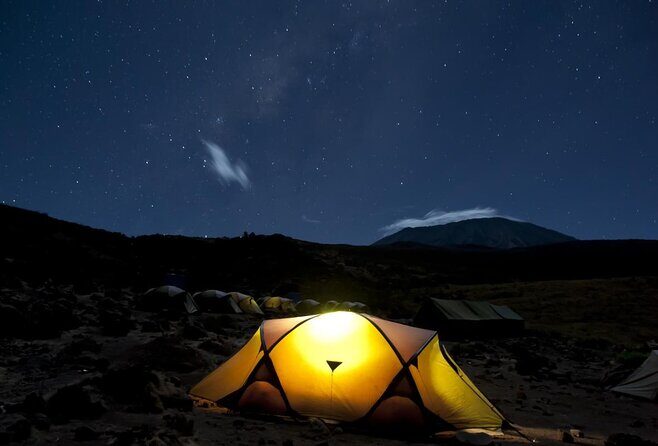
- Machame’s scenery changes every day, from rainforest to moorland and alpine desert
- A longer, more manageable pace than many faster routes, which helps with acclimatization
- A full support structure: guides, cooks, and porters, plus 3 meals daily
- Real summit day math: the route includes a long up-and-down schedule from Barafu
- Specific guide praise shows up repeatedly, including names like Nelson, Innocent, Raffael, John, Frank, Joseph, and Octavian
Why the Kilimanjaro Machame Route (Whisky Route) is so popular
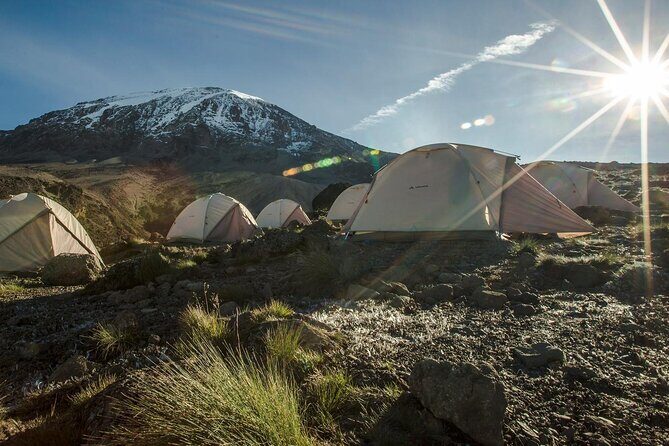
The Machame Route is called the Whisky Route for a reason: it feels like a wild ride that somehow works. The big win here is that the hike unfolds over seven days, which gives your body more time to adjust to altitude. The route is also known for being scenic, and the terrain shifts in a way that keeps you from feeling like you’re trudging through the same scenery forever.
You’ll also notice the “strategy” of the route. It gradually steps you higher through different ecosystems, then feeds you into the final approach by connecting through ridges and cold terrain. That matters because at Kilimanjaro, the scenery is the reward—but your pacing is the real game.
If you’re the kind of person who likes a challenge that still feels practical, Machame often lands well. It’s adventurous without being chaotic. Your days get longer and higher, but they aren’t random.
A few more Moshi tours and experiences worth a look
Getting from Moshi to the mountain: what to expect
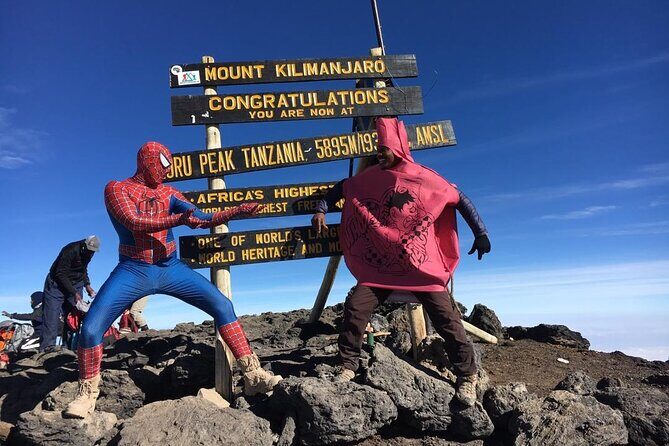
This climb is based out of Moshi, Tanzania. If you’re flying in, the experience includes pickup and drop-off at Kilimanjaro International Airport, and you’ll also have transportation to and from the mountain gates.
A nice practical detail: at the end of your trek, a driver meets you at Mweka Gate to take you back to your hotel in Moshi (about 30 minutes). After days of hiking, that last transfer matters. It turns “we finished” into “we’re actually done” without extra stress.
You’re in good hands with local logistics too. This is set up as a private tour/activity, meaning it’s just your group, not a random mix of strangers.
Day-by-day: what each part of the Machame climb really feels like
Kilimanjaro is one long test of rhythm. These days are designed to change altitude in a controlled way, but you still need to expect hard effort as you go higher. Here’s how the Machame route breaks down, using the timing and elevations you’ll see on your schedule.
Day 1: Machame Gate to Machame Camp (rainforest, fast altitude start)
You’ll climb from 1,811m / 5,942ft up to 3,021m / 9,911ft over about 10.75 km / 7 miles. The hike time is 5–6 hours, and it runs through rainforest.
This first day is often where people either settle into their pace early or burn too many matches. The terrain starts greener and warmer than what comes later, but you’re still gaining about 1,210 meters—so it’s a solid warm-up that isn’t gentle.
What you’ll like here: the rainforest start gives you a “real Tanzania” feeling early, and it’s a good day to get your breathing routine.
Watch out for: start slower than you think you should. Rainforest hiking can trick you into going faster than your altitude tolerance likes.
Day 2: Machame Camp to Shira Camp (moorland, thinner air)
Today takes you from 3,021m / 9,911ft to 3,839m / 12,595ft, about 5.3 km / 3 miles over 4–5 hours, in moorland.
Even though the distance looks shorter than Day 1, your body still has to adjust. This is a classic Kilimanjaro pattern: shorter walk, higher altitude stress.
What you’ll like here: moorland on Kilimanjaro can feel open and wide, with big atmosphere and a sense of being far from normal life.
Watch out for: carry on with steady, low-power effort. You don’t “make up time” at high altitude without paying for it.
Day 3: Shira Camp to Lava Tower to Barranco Camp (semi-desert to drama)
You’ll move from 3,839m / 12,595ft to about 3,986m / 13,077ft. The day is about 10.75 km / 6 miles and 5–6 hours, and you’ll pass through semi-desert.
This day includes Lava Tower and sets you up for Barranco, including the vibe of the Barranco Wall area described for this route. The altitude gain is relatively modest for the distance (around 147m), which helps you not feel like you’re constantly smashing up.
What you’ll like here: the transition from moorland into a drier, starker feel makes the views look more dramatic.
Watch out for: semi-desert can mean wind exposure. Even if it feels mild at ground level, it can get chilly and uncomfortable as you go higher.
Day 4: Barranco Camp to Karanga Camp (alpine desert, acclimatization day)
Today is shorter: 5.2 km / 3 miles in 3–4 hours, moving from 3,986m / 13,077ft to 4,034m / 13,235ft. You’re in alpine desert.
This is a key acclimatization step. The day doesn’t pile on huge altitude, so you can recover your energy before the harder build toward Barafu.
What you’ll like here: shorter days on Kilimanjaro feel like a gift. Use it to keep your hydration and breathing steady.
Watch out for: just because it’s shorter doesn’t mean it’s easy. Your legs still work at altitude.
Day 5: Karanga Camp to Barafu Camp (alpine desert, gearing up for summit night)
From 4,034m / 13,235ft up to 4,662m / 15,295ft, you’ll hike about 3.3 km / 2 miles for 3–4 hours, in alpine desert. Altitude gain jumps to around 628m.
This is where the route commits you. You’re moving into the zone where the summit push becomes the main event.
What you’ll like here: the climb starts to feel more purposeful, like the mountain is narrowing your focus.
Watch out for: the colder air and steeper effort can hit harder than expected. Keep the pace controlled.
Day 6: Barafu Camp to summit and down to Mweka Camp (the make-or-break day)
Today is split into two big phases:
- Barafu Camp to summit: 4.86 km / 3 miles up, 5–7 hours, reaching 5,895m / 19,341ft
- Summit back down to Mweka Camp: 11.5 km / 7.2 miles down, 5–6 hours, descending to 3,106m / 10,190ft
You’re gaining about 1,233m on the way up, then losing a huge amount on the way down. This is also the section tied to glaciers and the snow-capped summit vibe.
What you’ll like here: finishing the highest point is obviously the peak emotional reward. But what you’ll also feel is relief when you start descending—because the altitude no longer presses upward.
Watch out for: this is the day that punishes overconfidence. If you push too hard early, you’ll feel it late. The route design helps, but it doesn’t erase physics.
Day 7: Mweka Camp to Mweka Gate and back to Moshi (relief in the rainforest)
You start at 3,106m / 10,190ft and head down to 1,633m / 5,358ft. The walk is about 9.1 km / 6 miles for 3–4 hours through rainforest.
Then you’re done with the hiking and the driver takes you back to Moshi from Mweka Gate (around 30 minutes).
What you’ll like here: the rainforest feel after snow country is pure psychological comfort.
Watch out for: even on a descent day, your knees and ankles can complain. Your legs still need support.
Crew support, food, and tents: the stuff that determines comfort
A strong Kilimanjaro operator isn’t just about getting you to the top. It’s about making the climb livable.
This experience includes 4-season mountain tents and three meals daily while you’re on the mountain. It also has professional mountain guides, cooks, and porters, plus the fees you’d normally have to track yourself (park, camping, rescue) and 18% VAT on tour fees and services.
From the feedback pattern, the crew doesn’t just do logistics. Guides are described as experienced, with good English, and genuinely fun to be around. Names that keep showing up include Nelson, Innocent, Raffael, John, Frank, Joseph, and Octavian. That kind of consistency matters because on summit day, morale can be as useful as oxygen.
Food support gets highlighted too. One review mentions help with a gluten-free diet, and another mentions coffee and hot water in the tent. You can’t count on every tiny comfort detail for every group day, but it signals that the team takes care of needs beyond basic meals.
Price and value: what $2,500 is really covering
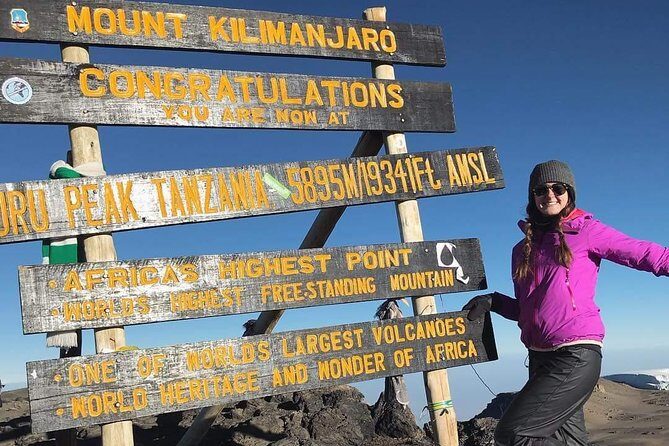
At $2,500 per person, you’re not just paying for a scenic walk. You’re paying for the whole machine: guides, cooks, porters, tents, meals, and the mountain fees that go with camping at altitude.
Included items that directly affect your experience:
- Camping fees and rescue fees
- 4-season tents
- Transportation to and from the mountain gates
- Three meals daily
- Pickup/drop-off connected to Kilimanjaro International Airport
- 18% VAT on tour services
When you price it out this way, the cost starts to make more sense. A Kilimanjaro climb is labor-heavy. You’re essentially buying teamwork that carries gear, cooks for you, and guides your pacing so you can survive the altitude.
Just remember the money reality: flights are not included, and tipping the crew is not included either (tips are personal). So your total trip cost will go beyond the climbing price once you add air travel and personal expenses.
Who this Machame 7-day climb fits best
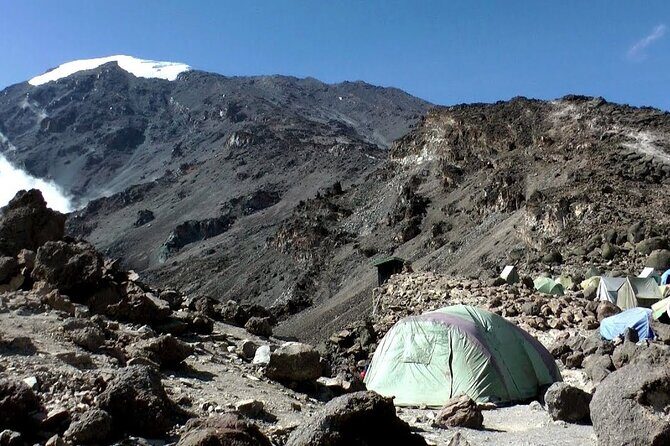
This experience is aimed at people with moderate physical fitness. That’s a good sign: it suggests the schedule is designed for normal mortals who train a bit and take the climb seriously.
Machame can work well if you want:
- More acclimatization time (seven days helps)
- A route that changes scenery often
- A climb where the incline is described as more manageable than faster alternatives
You might think twice if you:
- Want a very short Kilimanjaro trip (this isn’t that)
- Hate long days and cold summit conditions (Day 6 is long and high)
- Expect a totally comfortable “walk in the park” pace (it’s not)
Quick practical tips to make this climb feel easier
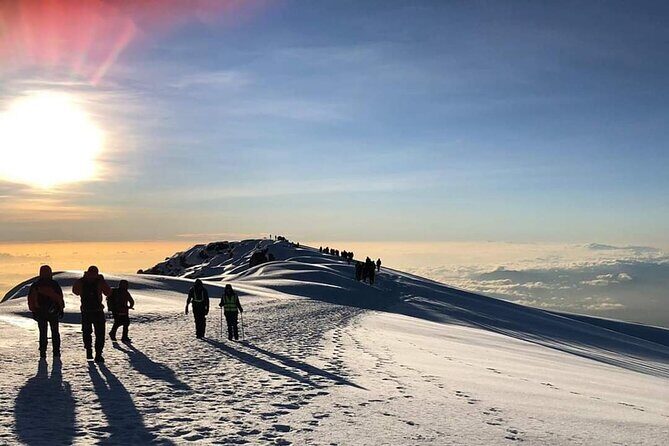
I can’t tell you what to pack or how hard to train without guessing. But I can tell you what usually makes the biggest difference on this route.
- Trust the pace. This route’s layout helps altitude adjustment. Don’t outsmart it.
- Use the shorter days. Days like Barranco to Karanga are not “free time.” They’re for recovery.
- Plan for a big Day 6. The summit-to-Mweka descent is a serious double hitter. Mentally map it as two different challenges.
And one more thing: if English-speaking support matters to you, the recurring praise for guides with good English is a good signal.
Should you book Incredible Africa Adventures for the Machame Route?
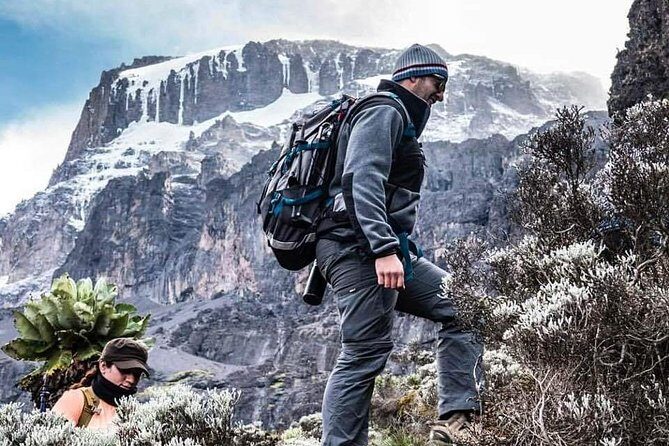
Based on what you’re getting for the price and the way the crew support comes through in real feedback, I’d call this a solid choice if you want a classic Kilimanjaro experience with strong human support.
Book it if you:
- Want the Machame (Whisky) Route for its scenic reputation
- Like the idea of a 7-day plan for better acclimatization
- Value a team atmosphere, not just logistics
- Appreciate detailed support like meals and tent comfort, plus attention to needs such as gluten-free diet requests (when possible)
Skip it or compare other options if you’re looking for:
- The cheapest possible way onto Kilimanjaro (this includes a lot, not just basics)
- A route that avoids a long summit day (this route includes a demanding Day 6)
If you’re ready to work for it, and you want a crew that seems to care about your comfort while keeping you moving, this Machame climb is a very reasonable bet.
FAQ
How long is the Kilimanjaro Machame route tour?
It’s listed as 7 days (approx.).
What are the altitude changes across the trek?
You start at Machame Gate (1,811m / 5,942ft) and climb to the summit at 5,895m / 19,341ft, then descend to Mweka Gate (1,633m / 5,358ft).
Where is the tour based?
The experience is located in Moshi, Tanzania.
Is airport pickup and drop-off included?
Yes. The tour includes pickup and drop-off at Kilimanjaro International Airport.
What happens at the end of the climb?
After reaching Mweka Gate, a driver meets you and returns you to your hotel in Moshi (about 30 minutes).
What is included in the mountain portion?
Included are 4-season mountain tents, transportation to and from the mountain gate, professional guides, cooks and porters, and 3 meals daily on the mountain. Park, camping, and rescue fees are also included.
What is not included?
Flights, items of personal nature, laundry services, and tips to the mountain crew are not included.
What is the price?
The price is $2,500.00 per person.
Is this a private tour?
Yes. It’s a private tour/activity, and only your group will participate.
What is the cancellation policy?
You can cancel for free up to 24 hours in advance for a full refund. If it’s canceled due to poor weather, you’ll be offered a different date or a full refund.