REVIEW · ZANZIBAR CITY
FROM NUNGWI: STONE TOWN, SPICE FARM TOUR AND PRISONAL ISLAND
Book on GetYourGuide →Operated by SHUMBIS TRAVEL AND TOUR · Bookable on GetYourGuide
Giant tortoises and alleys in one day. From Nungwi, this full-day Zanzibar tour threads Stone Town with an interactive spice farm outing, so you see both the island’s trading past and its farming life. I love how the guide keeps the stops tied to real reasons—Omani-Portuguese conflict, sultan-era power, and the slave-trade scars you can still read in the streets.
I also love the moment you reach Prison Island and spot the Aldabra tortoises—quiet, ancient, and strangely calming after a day of history. The only catch to consider is the pace: Stone Town involves lots of walking and time in the sun, so comfortable shoes matter.
In This Review
- Key Highlights You’ll Actually Feel
- From Nungwi to Stone Town: Getting Your Bearings Fast
- Walking Stone Town’s Fort, Palace, and Slave-Trade Sites
- 1) The 17th-century Portuguese-defense fortress by the Omanis
- 2) Beit al-Ajaib, the House of Wonders
- 3) The Sultan’s Palace Museum
- 4) The Slave Market and the Anglican Cathedral site
- A practical note: bring patience for narrow streets
- The Spice Farm Tour: Smell, Touch, and Uses You Can Explain Later
- What you’ll do on the farm
- The spice lineup that actually matters
- Why the farm history isn’t just for show
- Prison Island (Changuu Island): Giant Tortoises With Serious Backstory
- The history you’re given at the right moment
- The giant Aldabra tortoises
- Price and Value: Is $108 a Fair Deal?
- Who Should Book This Zanzibar Combo Tour?
- Small Practical Tips That Make a Difference
- Should You Book This Tour?
- FAQ
- Where does the tour start?
- What are the main stops on this full-day tour?
- What is included in the price?
- What language options are available?
- What’s the highlight at Stone Town?
- What do you do during the spice farm experience?
- What is Prison Island also called?
- Are giant tortoises part of the Prison Island visit?
- Is snorkelling included?
- What is the cancellation and payment setup?
Key Highlights You’ll Actually Feel
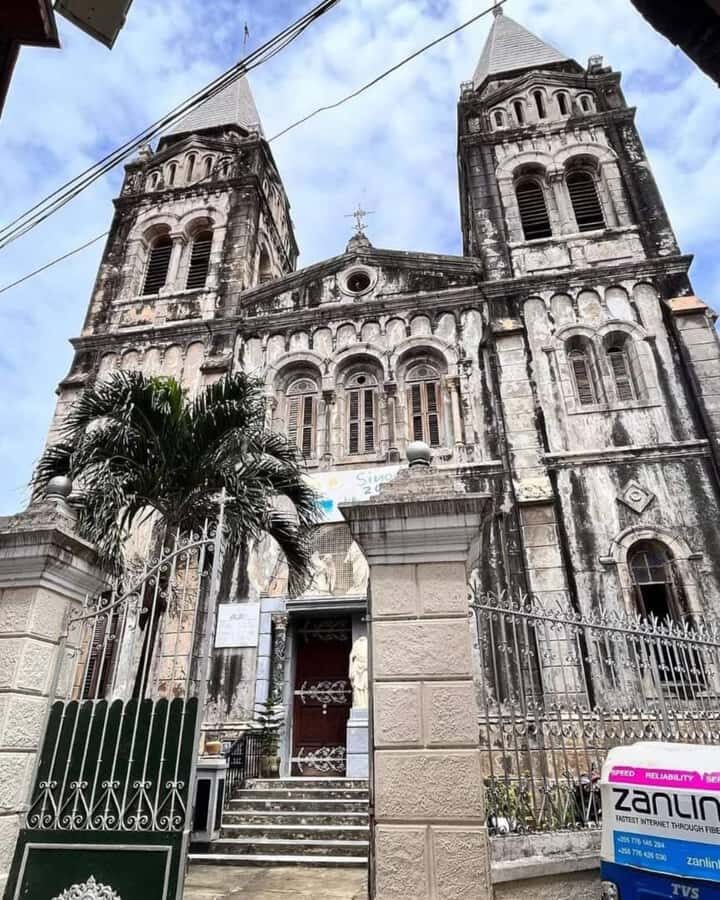
- Stone Town landmarks with context: Fort, palace buildings, and slave-trade sites explained in plain language, not just names.
- Hands-on spice farm experience: You’ll smell, handle, and sample spices and fruits tied to everyday life on Zanzibar.
- Prison Island history plus giant tortoises: A short boat ride to Changuu Island, where the past and the animals both get attention.
- English-speaking guide + transportation included: A professional guide and driver take care of moving you between major zones.
- Good value for a full-day combo: $108 covers guide time, entry fees, and logistics, rather than piecing everything together yourself.
From Nungwi to Stone Town: Getting Your Bearings Fast

This is a true full-day mix, and that matters. You start on the way into Stone Town with the day’s flow already planned: history first, then countryside smells, then a coastal reset at Changuu Island. You’re not bouncing between random stops on your own. Someone handles the driving and the handoffs between guides at each segment.
Stone Town is not a place where you “just stroll.” The streets loop and narrow, and the details are the point. So what I like about this setup is that you get a guided walk through the parts you’d otherwise miss. Instead of wandering, you learn what to look for—archways, building styles, and the specific stories tied to each landmark.
If you’re short on time in Zanzibar, this order also makes sense. You do the busiest, most concentrated historic area before the day gets heavy. Then you trade city walls for open air at the spice farm, and finish with the slow rhythm of the tortoises.
A few more Zanzibar City tours and experiences worth a look


Walking Stone Town’s Fort, Palace, and Slave-Trade Sites
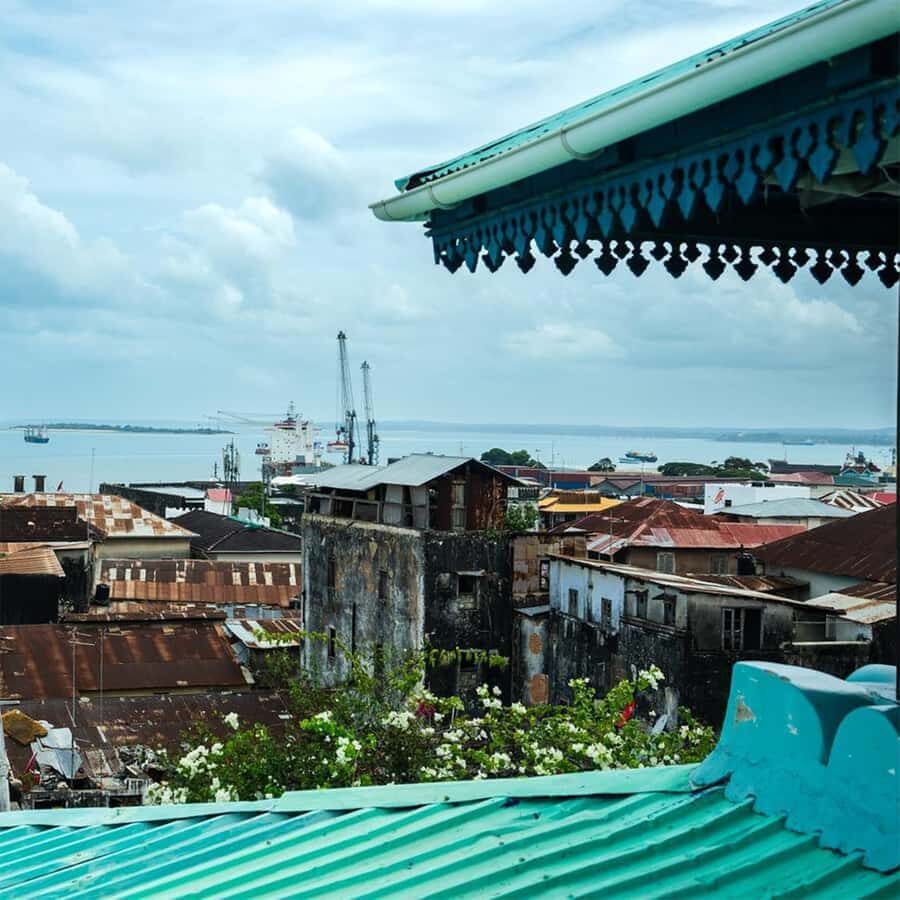
Stone Town’s big advantage is that the island’s history is literally built into the architecture. This tour leans into that. You’ll walk through a UNESCO World Heritage Site with narrow lanes that show Arabic, Persian, Indian, and European influences—because Zanzibar grew up as a trading hub long before modern borders made it feel like one place.
1) The 17th-century Portuguese-defense fortress by the Omanis
One of your first big “wow” moments comes from a fortress built by the Omanis to defend Zanzibar against Portuguese invasion. Today it’s not just a wall. It functions as a cultural hub area with shops and exhibitions, which means you’re seeing the history in a living context. You get the story of why it was built, and you can also notice how the space is used now.
2) Beit al-Ajaib, the House of Wonders
Next up is the House of Wonders (Beit al-Ajaib), an iconic structure that used to be part of the sultan’s palace complex. The detail I found most memorable here is the claim that it was the first building in East Africa to have electricity and an elevator. Whether you treat that as a wow fact or a sign of sultan-era ambition, it gives you a lens for the rest of the day: Zanzibar wasn’t only influenced by traders and empires—it also adapted technology and power.
3) The Sultan’s Palace Museum
The Sultan’s Palace Museum is where royal life becomes tangible. You’re not only seeing artifacts behind glass; you’re learning about the island’s historical ties to Oman and how rulership worked in this part of the Indian Ocean world. This stop helps you connect the “pretty buildings” to the politics that shaped them.



4) The Slave Market and the Anglican Cathedral site
Then comes one of the heaviest, most important stops: the Slave Market area and the Anglican Cathedral site. This is the kind of place where a guide’s explanation matters, because the point isn’t to sensationalize suffering—it’s to understand what happened and why it still echoes in Zanzibar’s story.
Be prepared for emotional weight here. The tour doesn’t avoid that subject, and you’ll get a chance to process what you’re seeing rather than rushing past it.
A practical note: bring patience for narrow streets
Stone Town can feel crowded and hot even when you’re moving slowly. The good news is that the tour pacing is built around a guided route. The slight drawback is that you’ll spend real time on your feet, so plan for a steady walking day. If you’re prone to blisters, pack something simple. Your feet will do the “big work” of the day.
The Spice Farm Tour: Smell, Touch, and Uses You Can Explain Later
After Stone Town, the countryside shift is dramatic—in the best way. The spice farm segment is one of the tour’s most practical parts because you get information you can repeat, not just photos you can post.
What you’ll do on the farm
You’ll visit one of Zanzibar’s renowned spice farms in the lush green countryside. This portion is described as interactive, sensory, and hands-on. In practice, that means you won’t just hear about cloves and nutmeg—you’ll see plants, learn how spices are cultivated and harvested, and you’ll also get time to smell and sample.
The spice lineup that actually matters
The farm walk focuses on recognizable spices and a few key ones that anchor Zanzibar’s reputation:
- cloves
- nutmeg
- cinnamon
- vanilla
- turmeric
You’ll also learn about tropical fruits grown on the island, and you may sample fresh fruits and locally made spice products. That sampling part is important. A lot of “spice tours” stop at explanation. Here, you’re expected to engage with what spices taste and smell like in Zanzibar’s context.
Why the farm history isn’t just for show
The tour also covers how spices are used beyond cooking—medicinal uses, culinary uses, and cosmetic uses. That’s where the farm segment becomes more than a fun break from city walking. You get a grounded sense of why Zanzibar spices mattered historically as trade goods, and why they still matter today in everyday life.
If you care about practical travel knowledge, this is the segment that gives you the most “now I get it” feeling.
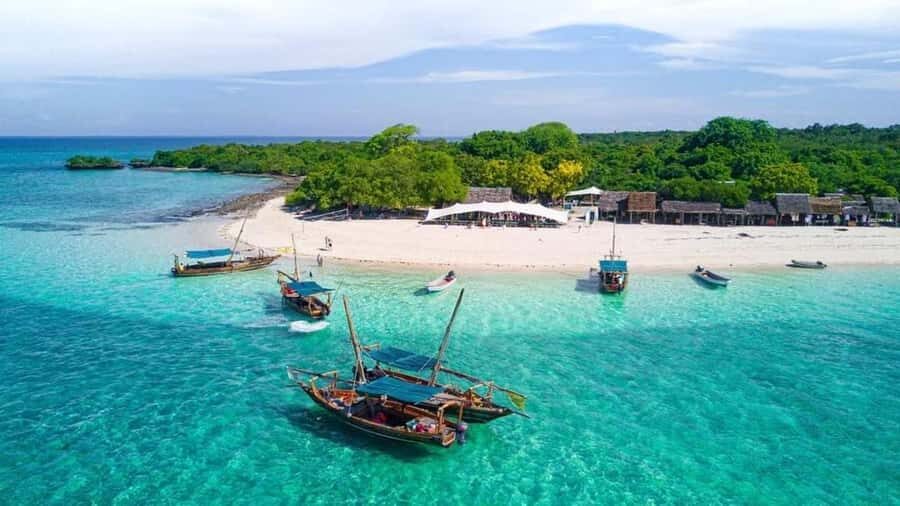
Prison Island (Changuu Island): Giant Tortoises With Serious Backstory
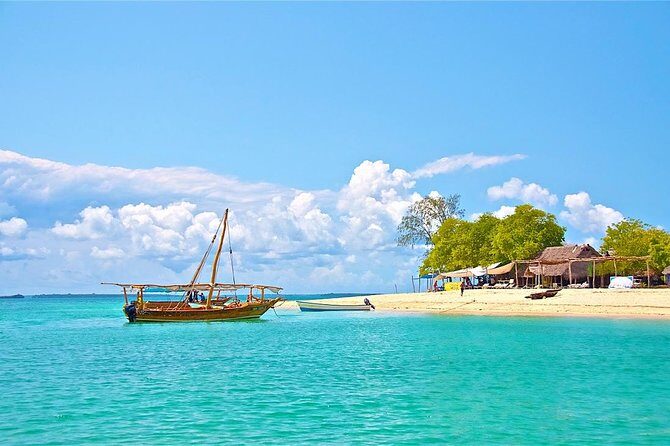
Prison Island is a short boat ride from Stone Town, and it changes the mood quickly. One minute you’re wrapped up in city history; the next, you’re approaching an island known as Changuu Island, with a reputation that goes far beyond sightseeing.
The history you’re given at the right moment
This island had multiple roles over time:
- it was intended as a detention center for rebellious slaves
- later, it became a quarantine station
- today, it’s a peaceful retreat
That historical progression matters because it helps you understand why this place is both quiet now and emotionally complex in meaning. It’s not a theme park version of the past. You’re meant to connect the dots.
The giant Aldabra tortoises
The headline animal here is the colony of giant Aldabra tortoises. The tour description notes that some of them are over 100 years old. Even if you don’t know much about tortoises going in, you’ll feel the shift in pace. They move slowly, they’re easy to spot, and they make the island feel like an animal sanctuary rather than a memorial alone.
This is also where I think the tour does something smart: it pairs difficult history with a calmer natural experience. That balance can make the day easier to carry.
Price and Value: Is $108 a Fair Deal?
At $108 per person, you’re paying for a full-day combo with major categories bundled together:
- a professional English-speaking guide
- transportation
- entry fees
For a single-day structure like this, that bundling is the value. You’re not arranging separate transport and separate guided entries for each stop, and you’re not guessing your way through the more complicated historic parts of Stone Town.
The tour also spreads value across three different experiences:
1) guided walking in Stone Town (history and architecture)
2) interactive spice farm learning and sampling (tangible sensory time)
3) boat-access island visit focused on tortoises plus island history
If you’re comparing DIY planning, the biggest cost isn’t just money—it’s time and mental load. This tour takes care of logistics so you can spend your energy on enjoying the places.
One consideration: the itinerary is packed. If you’re the type who wants long free time to wander on your own, you may find this schedule a little structured. But if you like a full-day plan that hits the core highlights, this price feels reasonable for what’s included.
Who Should Book This Zanzibar Combo Tour?
This is a strong fit if:
- you want Stone Town’s key sights without getting lost
- you’re interested in the island’s spice agriculture in a practical way
- you want a gentler end to the day with tortoises on Changuu Island
- you prefer a guided explanation for heavy subjects, especially around the slave-trade sites
It’s also a good choice for people who don’t want to build a custom day out of multiple separate tickets and directions. Having transportation and entry fees included reduces the friction of doing three major locations in one go.
If you dislike walking or you’re sensitive to heat, you’ll want to plan carefully. Stone Town demands more physical effort than the other stops. The spice farm and the island visit are easier to manage for most people, but the city portion is where your energy goes.
Small Practical Tips That Make a Difference
These are the things I’d focus on if you’re joining a full-day route like this in Zanzibar:
- Wear shoes you trust. Stone Town streets can be uneven, and you’ll be on foot for a while.
- Bring sunscreen and something light for shade. Even with breaks, you’ll be exposed during the walk.
- Expect a guide-led pace. If you like photo stops and longer personal wandering, you’ll need to be flexible.
- At the spice farm, lean in. Ask questions about how spices are harvested and what products come from the plants you smell.
- On Prison Island, slow down. The tortoises are the point, and the calm is part of the payoff after Stone Town.
Also note the guide language options: English is provided, and the tour is offered in French, Italian, and German as well. So if you’re not an English speaker, you may still be able to match with a language that feels comfortable.
Should You Book This Tour?
I’d book it if you want one day that covers the Zanzibar “three-part story”: Stone Town history, spice farm agriculture, and Prison Island nature. The $108 price makes sense because it includes transportation, entry fees, and a guide for the major stops, and the structure prevents wasted hours.
I would think twice if you hate walking in hot weather or if you want lots of personal free time. This is a guided day with clear stops, not a slow roam.
If that sounds like your style, go for it. This is one of those itineraries where the different worlds of Zanzibar actually work together, instead of feeling like disconnected sightseeing.
FAQ
Where does the tour start?
It starts from Nungwi, heading to Stone Town for the main historic walk.
What are the main stops on this full-day tour?
You’ll visit Stone Town, a spice farm experience, and Prison Island (Changuu Island).
What is included in the price?
The tour includes a professional English-speaking guide, transportation, and entry fees.
What language options are available?
English, French, Italian, and German are listed as available.
What’s the highlight at Stone Town?
The route includes key sites like the 17th-century fortress, the House of Wonders (Beit al-Ajaib), the Sultan’s Palace Museum, and the Slave Market & Anglican Cathedral area.
What do you do during the spice farm experience?
You get an interactive visit where you can see, smell, and taste different spices and fruits, and learn about uses such as medicinal, culinary, and cosmetic.
What is Prison Island also called?
Prison Island is also known as Changuu Island.
Are giant tortoises part of the Prison Island visit?
Yes. There is a colony of giant Aldabra tortoises, with some said to be over 100 years old.
Is snorkelling included?
Snorkelling isn’t clearly listed as included in the provided details. If snorkelling matters to you, ask the operator ahead of time.
What is the cancellation and payment setup?
You can reserve and pay later (book now and pay nothing today), and cancellation up to 24 hours in advance is listed for a full refund.