REVIEW · MOSHI
7 Days Lemosho Route
Book on Viator →Operated by Golden Summit Adventures · Bookable on Viator
The Lemosho route feels quieter than most Kilimanjaro climbs. You get big scenery from the start, a steady incline that helps your body adjust, and early trail days that see less traffic. I especially like how the plan builds toward the summit with smart pacing instead of nonstop grinding.
Two things I really like: first, the route’s west-to-east feel, from forest paths into heather moorlands and up toward the Shira Plateau, keeps things scenic even on the “non-summit” days. Second, the climb includes a deliberate acclimatization-focused day at Barranco, then a night start for the main push. One drawback to consider: the summit day includes the toughest hours on heavy scree, and it’s not a “casual hike,” even if you’re generally fit.
In This Review
- Quick takeaways
- Why Lemosho works: steady altitude, scenic variety, calmer mornings
- Moshi pickup and the value of private airport transport
- Day by day: what each stage feels like on the Lemosho climb
- Day 1: Forest trails to Mti Mkubwa campsite
- Day 2: Shira Ridge crossing and down to Shira Camp 1
- Day 3: Lava Tower lunch, then Barranco Camp at 3,950 m
- Day 4: Great Barranco Wall ascent plus a real rest afternoon
- Day 5: Barafu Hut at the edge of the wind-swept climb night
- Day 6: The pre-dawn summit to Stella Point, then down to Mweka Camp
- Day 7: Back to Mweka Gate for certificates, then down to Mweka Village
- Food, rhythm, and what the included meals mean for your budget
- Guides, porters, and the human side of the climb
- Price and value: is $2,050 reasonable for a 7-day Lemosho climb?
- Who this trek fits best (and where it might not)
- The practical checklist mindset: what to focus on before you go
- Should you book this 7-day Lemosho route with Golden Summit Adventures?
Quick takeaways
- Fewer crowds early: the first two days are quieter before the trail meets more popular routes
- Acclimatization is built in: steady incline plus a key short day before the summit push
- Big highpoints, specific camps: Mti Mkubwa, Shira Camp 1, Barranco, Barafu, Stella Point, then Mweka Camp
- Night summit timing: you rise around 11:30 PM for the climb to Stella Point
- Meaningful summit certificates: green for Stella Point, gold for Uhuru Peak
- Small max group size: up to 20 travelers, which usually makes logistics easier
Why Lemosho works: steady altitude, scenic variety, calmer mornings
Kilimanjaro routes often split into two philosophies: go as fast as possible, or help your body adjust. The Lemosho approach leans hard toward the second one. You start on the western side and climb with a steady incline, and the plan intentionally keeps the first stretch relatively calm before busier paths come into play.
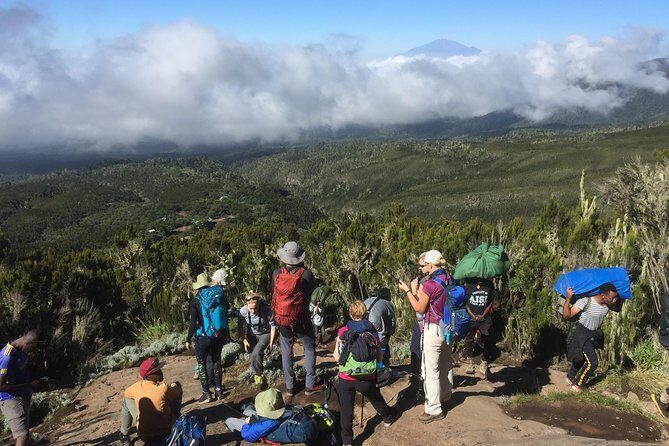
What that means for you in real life: you’re more likely to enjoy the trail instead of constantly dodging people. It also gives your breathing time to settle as altitude rises. The scenery also changes often, so you’re not staring at the same kind of ground for days. Forest trails give way to giant heather moorland, then you’re in wide-open high plateaus and ridges.
A few more Moshi tours and experiences worth a look
Moshi pickup and the value of private airport transport
You’ll be based in Moshi, and the package includes private transport to and from Kilimanjaro International Airport. That matters because the logistics of Kilimanjaro can be messy if you’re relying on shared rides or last-minute arrangements.
The tour also starts with a set meeting time (8:30 am). I like having a clear start, because on trek days, small delays snowball. If you’re traveling from elsewhere in Tanzania (or outside the country), Moshi is a practical staging point before you head up.
Day by day: what each stage feels like on the Lemosho climb
Day 1: Forest trails to Mti Mkubwa campsite
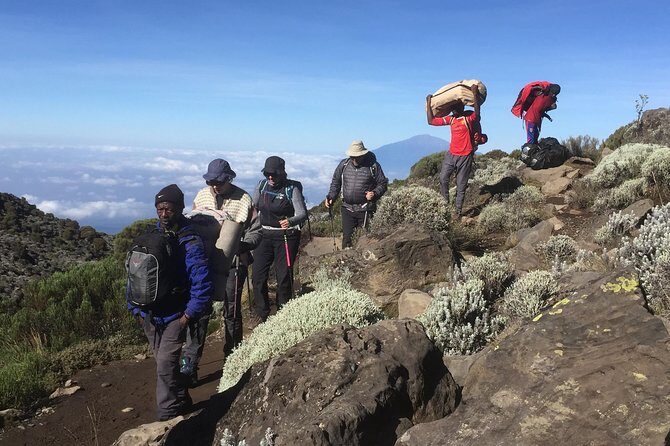
Your first walking segment runs about 3 hours from the Glades to Mti Mkubwa (Big Tree) campsite. Expect forest trails, and expect it to feel like you’re easing into the climb rather than jumping straight uphill.
This is a good day to get your rhythm. The forest setting also tends to make the altitude feel less sudden, because the terrain and temperature are more forgiving than the later, high zones.
Day 2: Shira Ridge crossing and down to Shira Camp 1
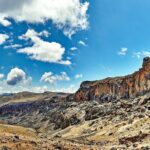
On day two, the trail gradually steepens and moves into giant heather moorland. Then you cross the Shira Ridge at 3,600 m / 11,810 ft and descend gently to Shira Camp 1, which sits by a stream on the Shira Plateau.
The practical takeaway: crossing a high ridge this early can be mentally tiring even if it doesn’t feel brutally steep. You’ll want to keep your pace steady and let the higher altitude come to you rather than fighting it.
Day 3: Lava Tower lunch, then Barranco Camp at 3,950 m
After breakfast, you hike east on a path that steepens above the highest vegetation, toward Kilimanjaro’s looming mass. Lunch happens near Lava Tower, then you descend about 2 hours below the lower cliffs of the Western Breach and Breach Wall to Barranco Camp (3,950 m / 12,960 ft).
This is one of the days where the terrain does something useful for acclimatization: it asks you to work, then it gives you a controlled descent. Barranco Camp itself sits in a valley below the breach walls, and the setup gives you a memorable sunset while you wait for dinner.
Day 4: Great Barranco Wall ascent plus a real rest afternoon
Day four is shorter on paper (around 4 hours), but it’s important. You climb a ridge to the Great Barranco Wall, then tackle the wall itself. The good news is that it turns out easier than it looks, especially if you move carefully and don’t rush.
From camp, you can look east to see Mawenzi rising into the sky. After a hot lunch, you get a leisure afternoon for resting or exploring, and the point is clear: you need this time before the summit push.
If you’re tempted to fill every free minute with extra walking, don’t. This is a day for saving energy and letting your body adjust.
Day 5: Barafu Hut at the edge of the wind-swept climb night
The day starts with a hike east over ridges and valleys to join the Mweka Route, which becomes your descent path later. Then you turn left toward the mountain and hike up a ridge through a sparse landscape for about an hour to Barafu Hut.
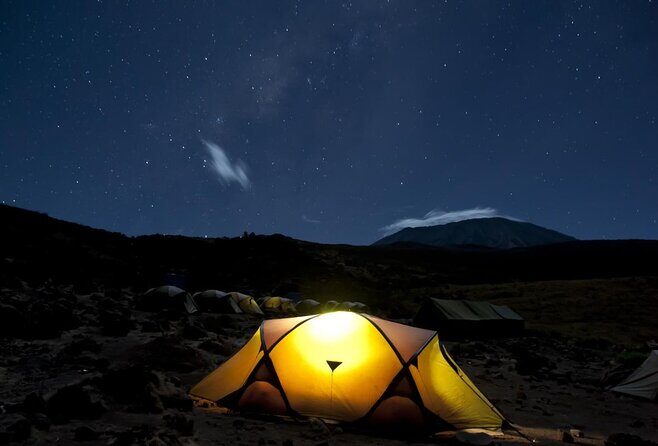
You’ll get a hot lunch, and then you sleep in tents pitched on a narrow, stony, wind-swept ridge. That warning is there for a reason: before dark, make sure you know your footing and how you’ll move around your tent area safely.
After an early dinner, you go to bed for a few hours. This is a day of preparation more than scenery, and you’ll want to prioritize warm clothing and solid sleep.
Day 6: The pre-dawn summit to Stella Point, then down to Mweka Camp
This is the big day. You rise around 11:30 PM, and after some steaming tea and biscuits, you start shuffling off into the night.
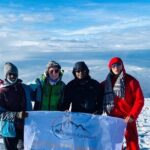
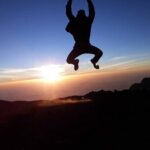
The main climb takes about 6 hours up heavy scree between the Rebmann and Ratzel glaciers to Stella Point (5,685 m / 18,650 ft) on the crater rim. You pause for a short rest, with a chance to see a sunrise that feels both tiny and world-changing at the same time. After that, you descend about 3 hours back to Barafu Camp.
Then comes the long payoff: after a short rest to collect your gear, you hike down a rock and scree path into the moorland and eventually into the forest to reach Mweka Camp (3,100 m / 10,170 ft).
Most people feel this day in their legs, not their lungs. The altitude stress fades as you drop, but the slope and scree still demand attention.
Day 7: Back to Mweka Gate for certificates, then down to Mweka Village
After breakfast, there’s a short scenic hike of about 3 hours back to the park gate. On the way, there’s a clear tipping rule: don’t give porters tips until you and all your gear have reached the gate safely. After that, you tip the staff at the gate.
At Mweka Gate, you sign your name in a register. This is also where summit certificates are awarded: green for reaching Stella Point, gold for reaching Uhuru Peak. From the gate, you continue down to Mweka Village, possibly a muddy 3 km walk (about 1 hour) if the road is too muddy for vehicles.
This last day is mostly about closure. You’re done with the hardest climbing, and the goal becomes simple: get your group safely to the finish and celebrate the work you did over the last week.
Food, rhythm, and what the included meals mean for your budget
Meal planning on Kilimanjaro is a big deal because hunger makes altitude feel worse. This package includes breakfast on 6 mornings, lunch on 7 days, and dinner on 6 nights. Admission tickets for the trek are also included each day.
In other words, you’re not constantly thinking about where you’ll eat, and you can budget without daily surprises on trek food. Breakfast and lunch tend to be timed around the walking segments, so you’re fueled before you need energy.
One thing I like about this setup is that it reduces decision fatigue. On a trek this physical, you want your mind on pace and footing, not menus.
Guides, porters, and the human side of the climb
Kilimanjaro success is rarely just about legs. It’s about how the team keeps you moving when motivation dips.
In accounts associated with Golden Summit Adventures, the coordination role of Elly comes up repeatedly. People describe him as professional and helpful with information like packing guidance and what to expect. Guides like Laraha are described as professional, proud of their work, thoughtful, and even humorous in a way that makes long days easier to handle.
You’ll also work with a porter team and a cook. That matters because pace control and camp setup are a group effort. When things run smoothly, you spend less mental energy on logistics and more on staying steady.
Price and value: is $2,050 reasonable for a 7-day Lemosho climb?
At $2,050 per person for about 7 days, the value question comes down to what you’re getting beyond the hiking itself.
Here’s what’s clearly included:
- Private transport between Kilimanjaro International Airport and your Moshi accommodations
- Most meals during the trek (breakfast 6, lunch 7, dinner 6)
- Admission tickets included each trek day
- A guided setup with a team, including porters and cooking support
Not included:
- Meals and drinks at your hotel before and after the climb
- Travel insurance
- Laundry
- Personal items and toiletries
For many travelers, the biggest hidden cost on Kilimanjaro isn’t the climb. It’s the daily add-ons: park fees, meals, and getting to/from the mountain. This package folds those pieces into one plan, which can feel like real value when you compare it to trying to piece everything together yourself.
If you’re watching your budget hard, you’ll still want to plan for what’s not covered (especially insurance and any pre/post hotel meals). But as a “total trek package” deal, the math usually looks sensible.
Who this trek fits best (and where it might not)
This trek is listed as suitable for moderate physical fitness, and I think that’s accurate—if you’re honest about what moderate means. You’re walking for multiple days at altitude, with one night start that includes a long scree climb.
You’ll likely love Lemosho if:
- you want scenery variety (forest → moorland → plateau/ridges → crater rim)
- you prefer a route with steadier pacing and a calmer early period
- you appreciate an acclimatization day that isn’t just marketing—day four is built into the plan
You might want to reconsider if:
- you’re unwilling to handle heavy scree and steep, high-altitude conditions
- you can’t follow safety and timing rules (like settling in properly at Barafu and being ready before dark)
The group size limit (up to 20 travelers) is another plus. It’s not a tiny private expedition, but it should keep things from turning chaotic.
The practical checklist mindset: what to focus on before you go
Even without a detailed gear list in the data, the itinerary gives you clear clues about what matters most:
- you’ll sleep in tents on a stony, wind-swept ridge, so footing and safety matter
- summit night starts around 11:30 PM, so rest and early packing habits matter
- you’re told to familiarize yourself with the terrain before dark and drink a lot of fluids
- warm clothing is specifically called out for summit prep, since conditions at high altitude are not forgiving
Think of Kilimanjaro as three games: pacing, altitude management, and staying careful on rocky sections. If you do those well, you give yourself a much better chance of enjoying the trip instead of just surviving it.
Should you book this 7-day Lemosho route with Golden Summit Adventures?
If you want a Kilimanjaro route that’s scenic, structured, and less crowded early, this Lemosho plan is a strong fit. I like that it balances challenge with acclimatization: you get a short but crucial Barranco day before the summit push, then the hardest section is concentrated into one main night-to-craterrim effort.
Golden Summit Adventures also seems to run with a focused team—people highlight Elly for coordination and Laraha for guiding style, plus porters and a cook who help keep daily life on track. For me, that human support is where a good trek becomes a good story.
One note before you commit: the booking is non-refundable and can’t be changed if you cancel or amend. So book when your dates are solid, not when they’re hopeful.
If your schedule is firm and you’re ready for a real summit-style climb, I’d say this one is worth considering.